5 Factors That Determine When to 'Pull' or Attack in Pickleball
A pickleball pull attack can be a game-changer, but only when you understand the five factors that determine success. Coach Tony Roig breaks down exactly when you should initiate an aggressive attack and when patience pays off.
A pickleball pull attack can transform your game from passive to aggressive, but here's what most players get wrong: not every neutral ball deserves an attack.
According to Tony Roig, head coach and director of player development at BetterPickleball.com, the difference between winning and losing often comes down to knowing when to pull, not just how to pull.
In a recent coaching lesson, Roig breaks down the five critical factors that advanced players consider before initiating an attack. These aren't beginner tips. These are the strategic decisions that separate 3.5-level players from 4.0+ competitors.
Love pickleball? Then you'll love our free newsletter. We send the latest news, tips, and highlights for free each week.
What Is a Pickleball Pull Attack, Anyway?
Before we talk strategy, let's define what we're actually talking about.
A pull attack (sometimes called a "roll attack") happens when you take a neutral ball and immediately initiate an aggressive shot. This could be a flick shot off the bounce, an out-of-the-air drive, or any shot that shifts the rally from controlled dinking into offensive territory.
The appeal is obvious: you're taking the initiative, putting pressure on your opponent, and potentially ending the point right there.
But here's the catch. Every time you attack, you open the door for a counterattack. Your opponent gets a chance to hit an even harder ball back at you. That's the risk-reward equation that separates smart attacking from reckless attacking.
Factor 1: Is Your Attack Pattern Predictable?
This is where pickleball becomes chess. Every player has patterns. You probably attack from certain court positions more than others. Your opponents notice this. They're watching. They're waiting.
Roig explains it plainly: if your opponents already know you're going to attack from a specific spot, they've already positioned their paddle to counter it. Your element of surprise is gone before you even swing.
The solution? Mix it up. If you always attack when you're in the middle of the court, sometimes stay patient instead. Keep them guessing.
The best attackers aren't the ones who attack the most. They're the ones whose opponents never quite know what's coming next.
 The Dink Media Team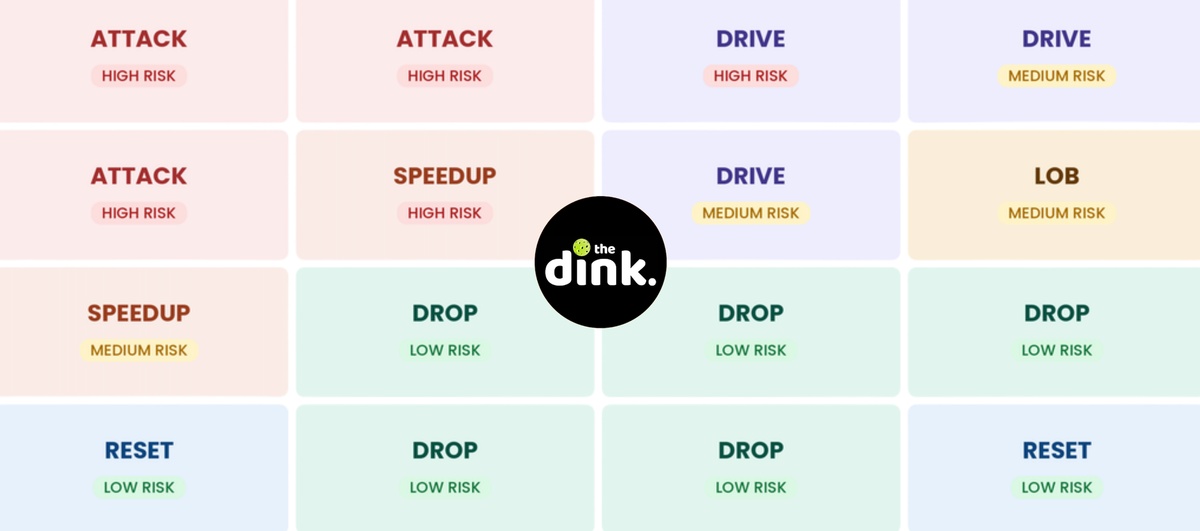
Factor 2: Is the Ball Too Low to Pull?
This one seems obvious, but players overlook it constantly.
A low ball over the net is a trap. If you try to attack it, you're forced to hit up on the ball, which means one of two things happens: either your shot goes out, or it travels high enough for your opponent to smash it down at you.
The higher the ball sits over the net, the easier it is to execute a clean attack. The lower it sits, the higher your risk. Before you commit to a pickleball pull attack, check the ball's height relative to your ability to hit it cleanly. If you're not confident you can hit it flat or down, stay patient. A dink is still a good shot.
Factor 3: Where Is Your Opponent Positioned?
Court positioning changes everything. If your opponent just got pulled wide by a dink and is scrambling back into the court, they're vulnerable. Their weight is shifting. Their balance is compromised. That's the moment to attack.
Conversely, if your opponent is already set and ready at the net, attacking becomes riskier. They're prepared. They're balanced. They can react faster. Timing your attack around your opponent's positioning is what separates advanced players from intermediate ones.
Think of it this way: attack when your opponent is in a moment of stress, not when they're comfortable.
 The Dink Media Team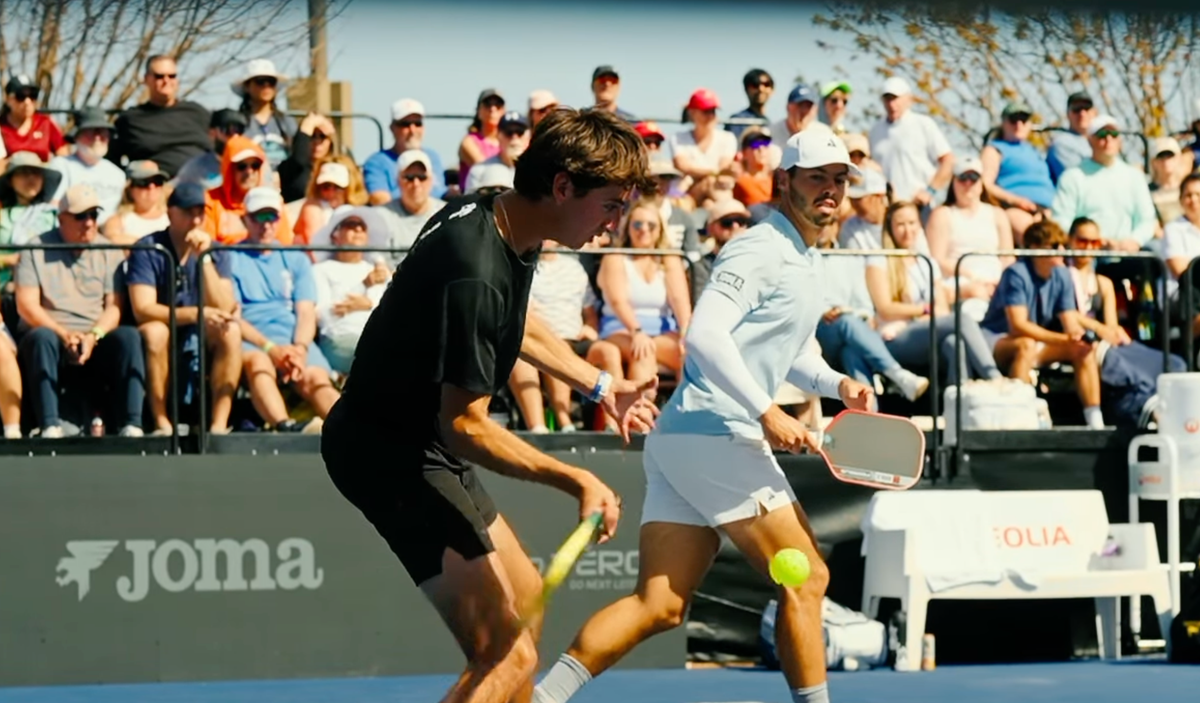
Factor 4: How Well Does Your Opponent Handle Hard Attacks?
Not all opponents are created equal. Some players are exceptional at letting balls travel out and not chasing them. Others hit everything and struggle with counterattacking. Some are defensive wizards who can block anything you throw at them.
Before you start launching pickleball pull attacks against a new opponent, spend a few rallies testing their comfort level with hard shots.
Can they handle pace? Do they counter well? Are they good at reading whether a ball is going out? The answers to these questions should inform your attacking strategy.
If they're weak at counterattacking, broaden your attacks. If they're strong, be more selective.
Want to have your match reviewed by a pro player? Sign-up to our free newsletter. We ask our subscribers for their video highlights every month.
Factor 5: Can You Handle the Firefight?
Here's the honest part: if you initiate an attack and your opponent counters, can you stay in that firefight and win? This is about your own skill level, not theirs.
Attacking ability and firefight ability are two different things. You might be great at hitting an initial attack shot, but if you can't handle the exchange that follows, you're just giving your opponent a chance to hit a harder ball. The better you are at both initial attacks and the rallies that follow, the more aggressively you can play.
Roig puts it bluntly: if you're still working on fundamentals like your return of serve, punch volleys, and block volleys, those skills will give you more value than spending hours perfecting pull attacks. Master the basics first. The advanced stuff comes later.
 The Dink Media Team
Should You Even Be Pulling Right Now?
This is the question Roig asks every player: is a pickleball pull attack the right tool for your current game? If you're working on other fundamentals, the answer might be no. And that's okay.
The five factors above are advanced strategies used by competitive players in tournament settings. They're not beginner tactics. If you're still building your foundation, focus on the shots that will actually move the needle for your game. Once you've mastered those, come back to pulling.
Heads up: hundreds of thousands of pickleballers read our free newsletter. Subscribe here for cutting edge strategy, insider news, pro analysis, the latest product innovations and more.
Frequently Asked Questions
What's the difference between a pull and a regular attack in pickleball?
A pull is specifically when you initiate an attack from a neutral ball position. A regular attack could refer to any aggressive shot. The key distinction is that a pull is proactive, not reactive. You're choosing to shift the rally from neutral to aggressive.
Can I use a pull attack at the 3.5 level?
Technically yes, but it's not recommended as a primary strategy. At 3.5, focus on consistency, court positioning, and dinking. Pull attacks are more valuable once you reach 4.0 and above, where the game becomes more strategic and pattern-based.
How do I know if my opponent is expecting my pull attack?
Watch their paddle position and weight distribution. If their paddle is already up and ready before you swing, they're anticipating the attack. If they're caught off-guard, you've got them. Vary your patterns to keep them guessing.
What should I do if I'm not good at firefights yet?
Be more selective with your attacks. Only pull when you have a high-confidence opportunity, like when your opponent is out of position or the ball is sitting high. As your firefight skills improve, you can expand your attacking range.
Is dinking better than attacking?
Neither is inherently better. Dinking is a tool. Attacking is a tool. The best players know when to use each one. Dinking keeps you in control and patient. Attacking puts pressure on your opponent. You need both.

Love Pickleball? Join 100k+ readers for free weekly tips, news & gear deals.
Subscribe to The DinkGet 15% off pickleball gear at Midwest Racquet Sports