Perfecting Pickleball Posture: The Foundation for Better Control and Balance
These aren't flashy techniques. They won't win you a point on their own. But they're the infrastructure that makes everything else work.
You know what separates the players who consistently win from those who struggle? It's not always the flashiest shots or the most aggressive play. Sometimes it's something much simpler: how they stand on the court.
DJ Howard from Selkirk TV recently broke down one of pickleball's most underrated fundamentals: posture.
If you've been wondering why your positioning feels off or why you're getting caught flat-footed, this might be exactly what you need to hear.
Love pickleball? Then you'll love our free newsletter. We send the latest news, tips, and highlights for free each week.
The Athletic Stance: Your Foundation for Everything
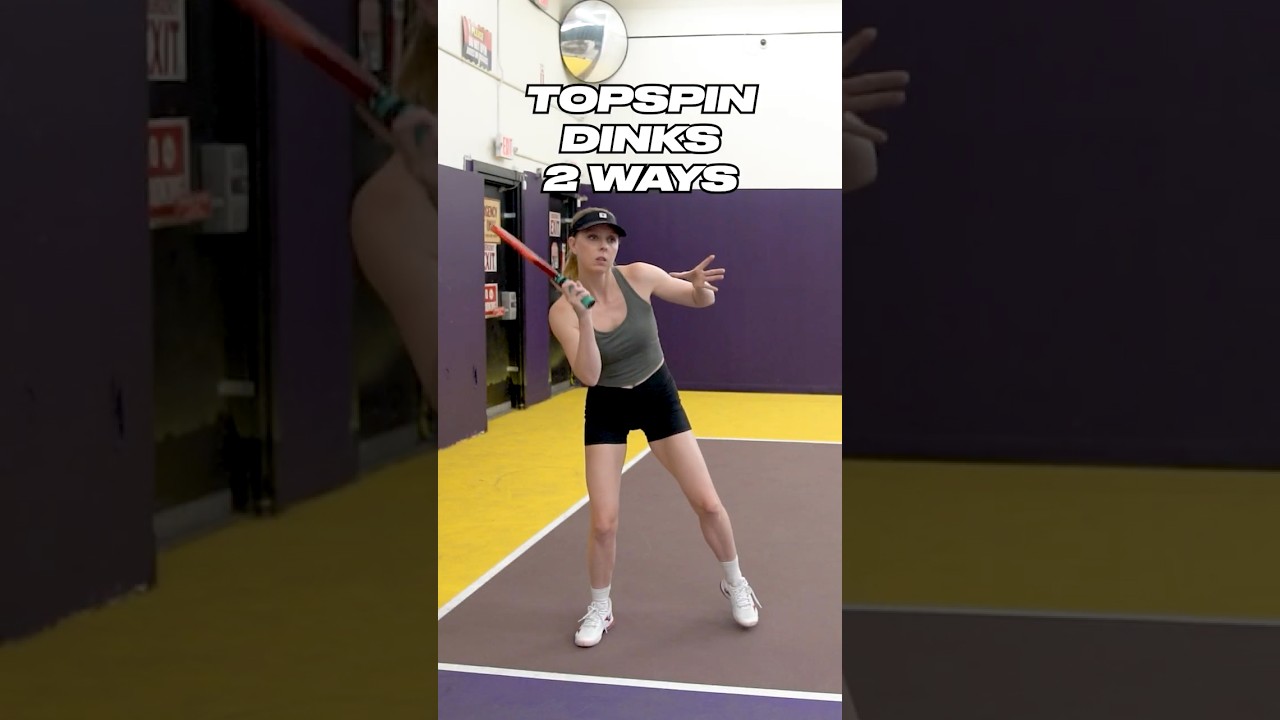
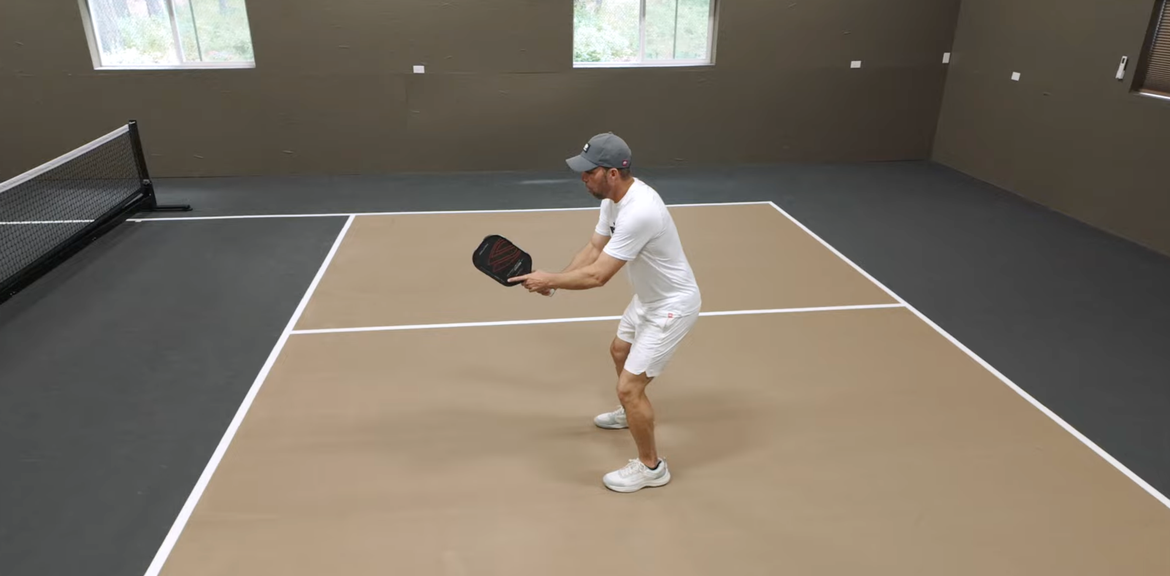
Posture in pickleball is all about being ready. When you're preparing to receive a ball, Howard emphasizes that you need your knees flexed and your hips hinged forward, with your paddle positioned somewhere in the middle of your body.
Not way out in front like you're already committed to a shot, and definitely not hanging down by your side like you're waiting for a bus.
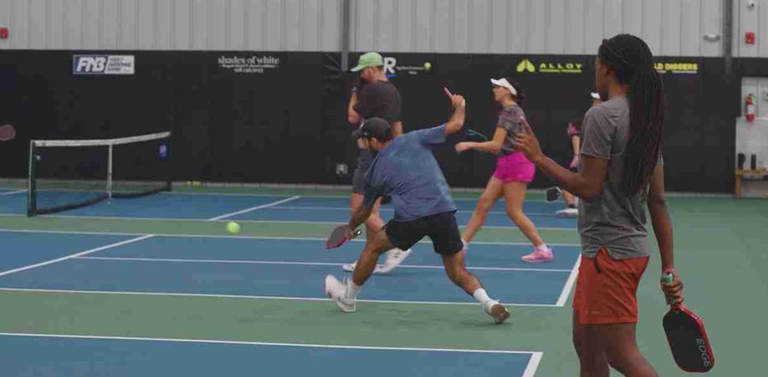
This applies whether you're at the non-volley zone, in midcourt, or all the way back at the baseline. The position changes slightly depending on where you are, but the principle remains constant: athletic readiness.
Think of it like a boxer's stance. You're not fully extended; you're coiled and ready to move in any direction. Your weight should be distributed so you can react quickly, not so far forward that you're committed to one direction or so far back that you're slow to respond.
The Pivot Question: When to Turn, When to Stay Open
One of the more nuanced points Howard makes involves how your footwork changes as you move closer to the net. At the baseline, it's totally fine to turn and pivot to hit your forehand or backhand. You've got time and space, so that full rotation makes sense.
But as you move closer to the net, you want to rely less on that full pivote because it slows you down. When you're up at the kitchen line, speed matters. A full pivot means you're committed to one direction, and if your opponent hits the ball to your other side, you're already behind.
Instead, Howard recommends keeping a more open stance near the net. This allows you to slide to retrieve a backhand or step forward for a forehand without crossing over your body.
 The Dink Media Team
Contact Point: The Secret to Control
When you actually hit the ball, Howard is adamant about one thing: contacting the ball out in front of your stance at all times.
This applies whether you're hitting a volley, a groundstroke, or anything in between.
Why does this matter so much? Because when you contact the ball in front of your body, you maintain balance and stability throughout your stroke. You've got control. When the ball gets behind your stance, everything falls apart. Your balance suffers, your stability goes out the window, and suddenly you're just hoping the ball goes where you want it to go.
"Contacting the ball in front ensures that you have a better opportunity to maintain balance and stability and good rhythm throughout your swing," Howard explains. And here's the kicker: balance, stability, and rhythm are essential to performing well. They're not nice-to-haves; they're the foundation of control.
Think about it this way. If you're reaching back to hit a ball that's already past you, you're playing defense. But by keeping that contact point forward, you're staying proactive, in control, and ahead of your opponent.
 The Dink Media Team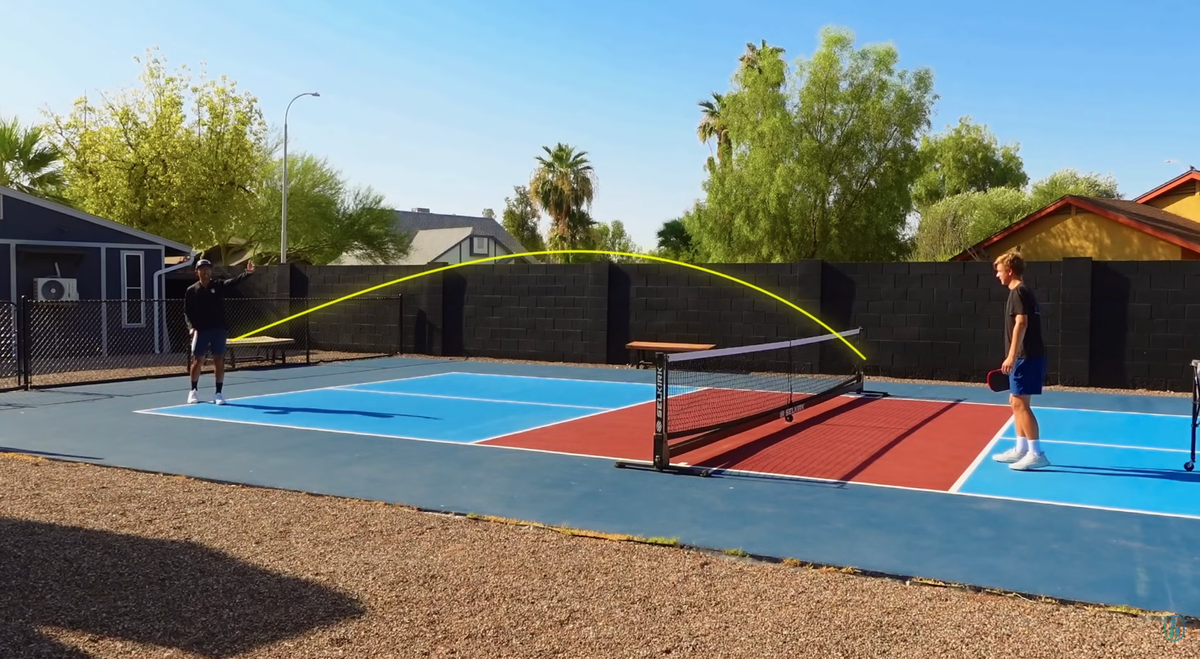
Putting It All Together
The through-line connecting all of this is simple: preparation and positioning create control.
- When you have the right stance, you're ready for anything.
- When you pivot appropriately for your court position, you're maximizing your speed and recovery.
- When you contact the ball out in front, you're maximizing your control.
The next time you're on the court, pay attention to your stance. Are your knees flexed? Is your paddle ready? Are you contacting the ball out in front? These small adjustments might be exactly what you need to take your game to the next level.
Love Pickleball? Join 100k+ readers for free weekly tips, news & gear deals.
Subscribe to The Dink