
New Study: 30% of Pickleball Players Admit They Play Through Pain
Conducted by researchers from Saint Louis University, it analyzed 1,758 pickleball players ages 18-102 across the U.S. to better understand injury patterns beyond just emergency room data.
The largest study of its kind surveyed nearly 1,800 pickleball players across the United States and found that two out of every three reported a pickleball injury or discomfort related to the sport in the past year.
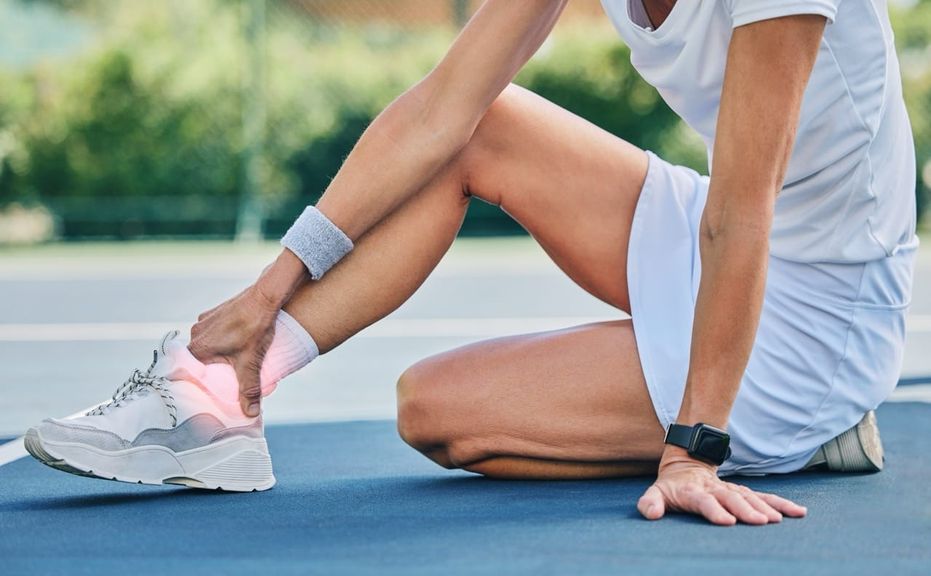
Even more striking? One in three admitted they keep playing through the pain.
That's the paradox of pickleball right now. The sport is exploding, people are obsessed, and yet the physical toll is real. The data doesn't just highlight injuries, it shows a pattern of stubbornness and passion that keeps people on the court even when their bodies are telling them they need a break.
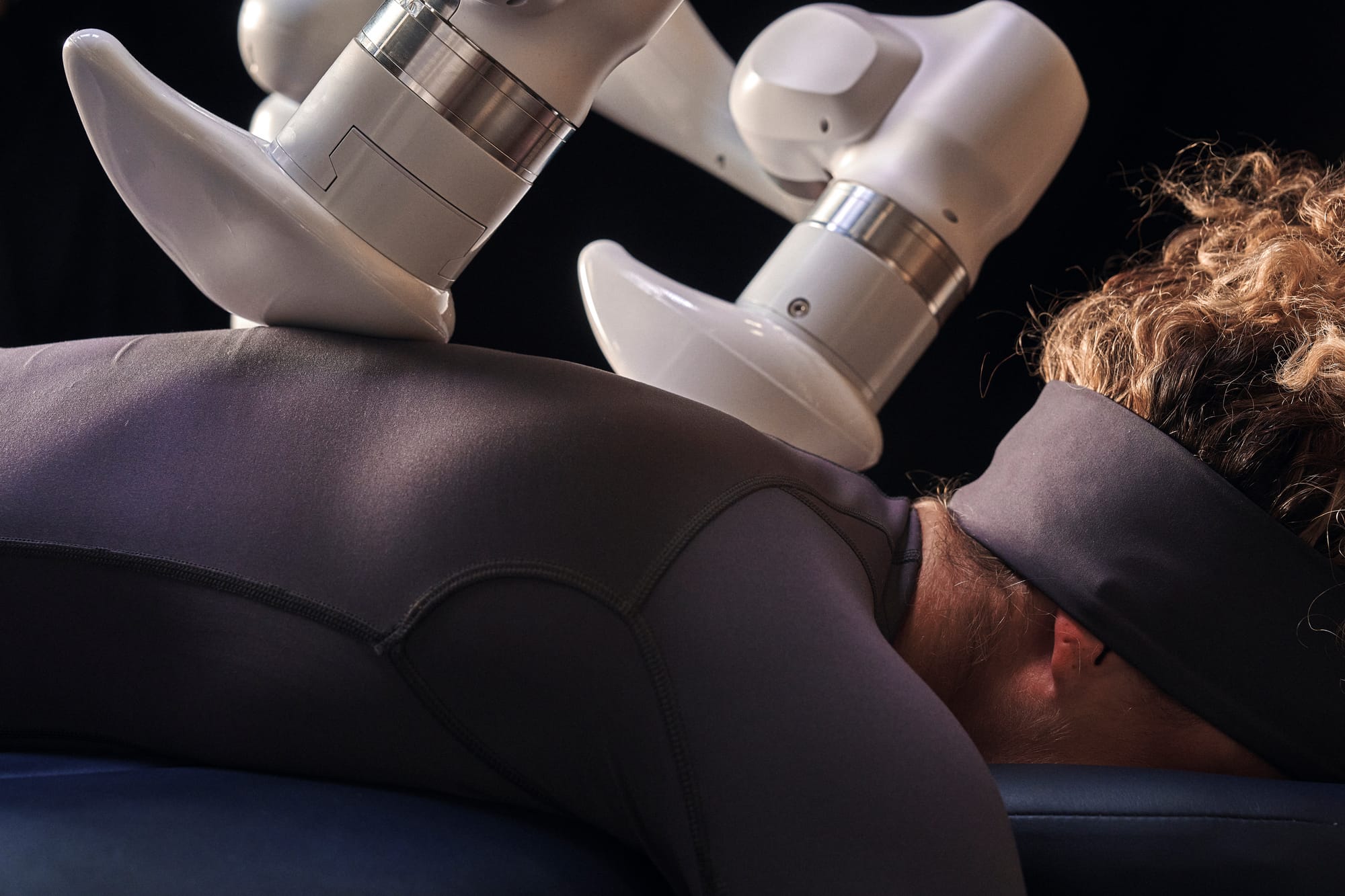
If you want to take care of those tight spots before they turn into bigger issues, try Aescape. It's not a massage chair — it's an AI-powered recovery system that scans your body and zeroes in on where pickleball takes the biggest toll: hips, glutes, lower back, and shoulders.
Regular sessions can help you move easier, bounce back quicker, and keep stacking games without dragging yesterday's soreness into the next match.
➡️ Book a back-and-glute-focused session, use code DINK25 for 25% off, and see why the future of pickleball recovery is already here.
1 in 3 Players Continue Playing Despite Pickleball Injury Pain
According to the study, led by author Oluwatoyosi Owoeye and his colleagues, 35.9% of players said they played despite ongoing pain or discomfort. Not just a sore shoulder for a day — ongoing issues. And while pain doesn't always mean "injury" in the clinical sense, ignoring it can make things worse.
The researchers found that two in five players ended up with time-loss injuries, the kind that actually forced them to stop playing for at least a day, sometimes weeks.
 Oluwatoyosi B.A. Owoeye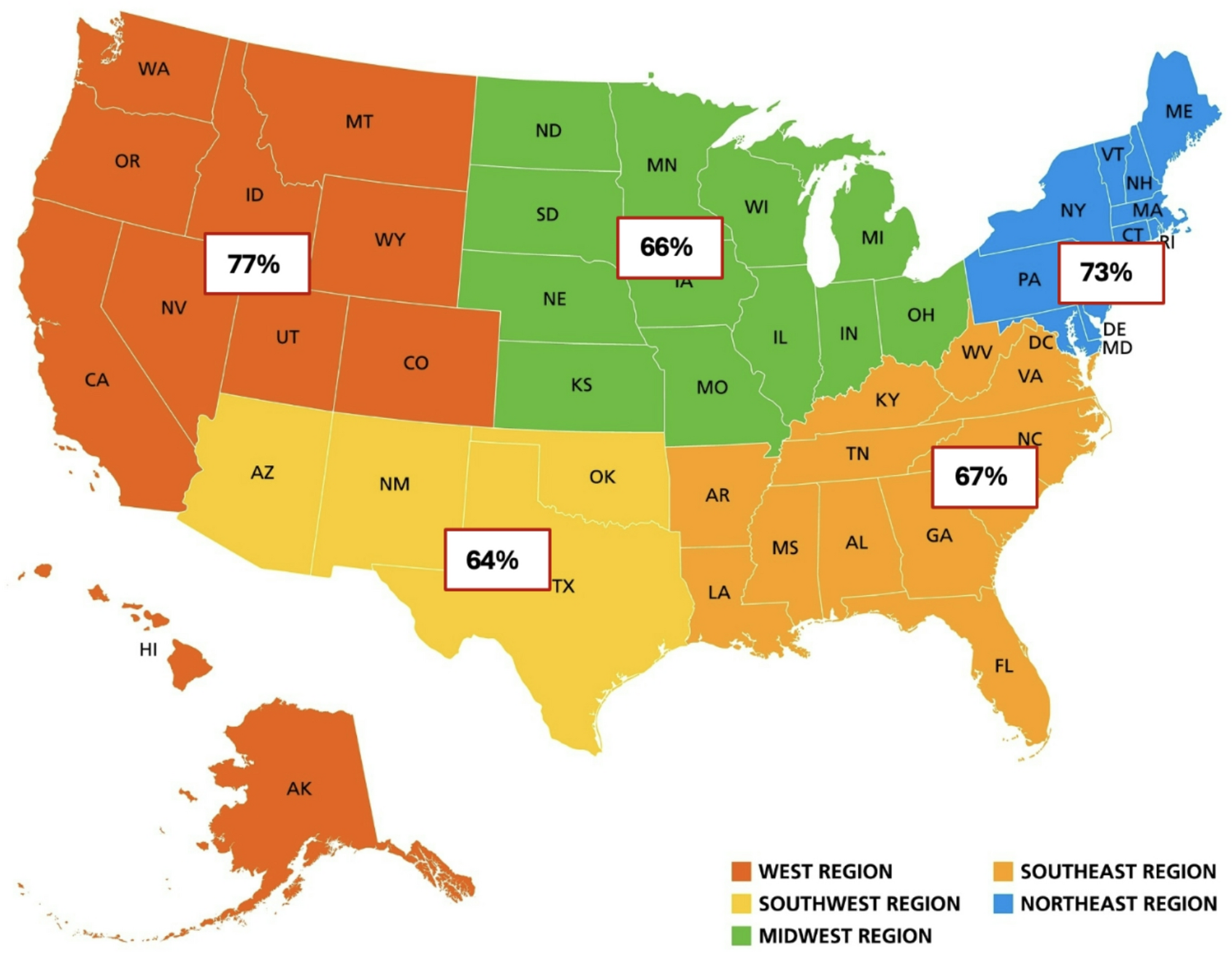
It's a classic sports story. You tweak something, you shrug it off, you keep going. But in pickleball, where people are often playing multiple times per week, that little nagging ache can easily snowball into something bigger.
68.5% of Players Reported a Pickleball Injury or Discomfort
The numbers are eye-opening: nearly seven in ten players had some kind of issue in the past year.
- 40.8% had time-loss injuries (the stop-you-in-your-tracks kind)
- 51.2% had non-time-loss injuries (aches, strains, soreness)
It tracked both acute injuries and those "background pains" we don't always report but definitely feel. The fact that even discomfort is so widespread should be a wake-up call.
Knees (29%) and Shoulders (22%) Are the Top Pain Points in Pickleball Injury
The knee was the number one problem area (29%), followed closely by the lower leg/foot (27%) and shoulder (22%). After that, the back (20%) and elbow (18%) rounded out the top five.
Why those areas? Think about the movements: constant lunging, pivoting, quick directional changes, and explosive swings. Your knees take a pounding from sudden stops and starts. Your shoulders and elbows carry the strain of repetitive overhead shots and dinks. It's not just one match — it's hundreds of micro-movements that add up over weeks and months.
 Alex E. Weaver
And here's the kicker: Overuse injuries (35%) were more common than sprains or strains. Pickleball isn't necessarily knocking players out with dramatic accidents. It's wearing them down through repetition.
How Play Habits Affect the Odds of Pickleball Injury
Injuries don't just happen by chance. The study shows that how often you play, how long you've been playing, and even your experience level all shift the odds.
Middle-Aged Players (33–62) Had the Highest Pickleball Injury Rates
This is where the study gets interesting. The players most likely to get hurt weren't the youngest or the oldest. Instead, middle-aged players (33–62 years) had the highest rates of injury: around 77%. They're active enough to play often and push themselves, but not always conditioned for the volume.
Men were also at higher risk, with a 33% greater chance of injury compared to women.
Playing 3+ Times Per Week Increased Pickleball Injury Odds by 45%
Frequency mattered: players who logged three or more sessions per week were 45% more likely to get injured.
But here's the surprise: Longer sessions (three-plus hours) didn't increase injury odds. So it's not how long you play, it's how often.
As ESPN's deep dive on common pickleball injuries noted, comparing pickleball injury rates to other sports is complicated by the sport's meteoric rise, particularly among players over 50 who may underestimate the physical demands.
Less Experience (Under 5 Years) Meant 50% Higher Pickleball Injury Risk
Experience also played a huge role. Players with less than five years of experience were 50% more likely to report injuries. But for veterans, the risk actually dropped. It's like their bodies adapted; they're not immune, but better prepared to handle the stress.
1,758 Players Surveyed, Ages 18–102
There have been reports of pickleball injuries before, but most were based on ER data.
That misses a huge chunk of the picture, because a lot of players don't go to the ER for sore knees or nagging shoulder pain. This survey, 1,758 players, ages 18 all the way up to 102, offers the clearest snapshot yet of what's really happening across the sport.
It's a reality check: Pickleball is fun, social, and booming, but it's not risk-free.
This baseline data will help shape smarter training, recovery, and injury-prevention strategies tailored to the sport. In fact, NBC Sports has covered how the rise in sport-related injuries connects directly to the unique movement demands that separate pickleball from lower-impact activities.
 Jason Flamm
Key Statistics From The Research
Pickleball injuries are shockingly common
- Nearly 7 in 10 players (68.5%) reported an injury or physical issue in the past year.
- That’s not just ER visits, this is the broadest snapshot of aches, strains, and serious injuries across the sport.
Players push through pain even when they shouldn’t
- 1 in 3 players (36%) admitted they keep playing despite ongoing pain or discomfort.
- It’s not a one-off sore shoulder—these are persistent issues people ignore to stay on the court.
Time-loss injuries hit hard
- 2 in 5 players (41%) had injuries serious enough to sideline them for at least a day, sometimes weeks.
- That’s a massive chunk of players missing out on games because of preventable issues.
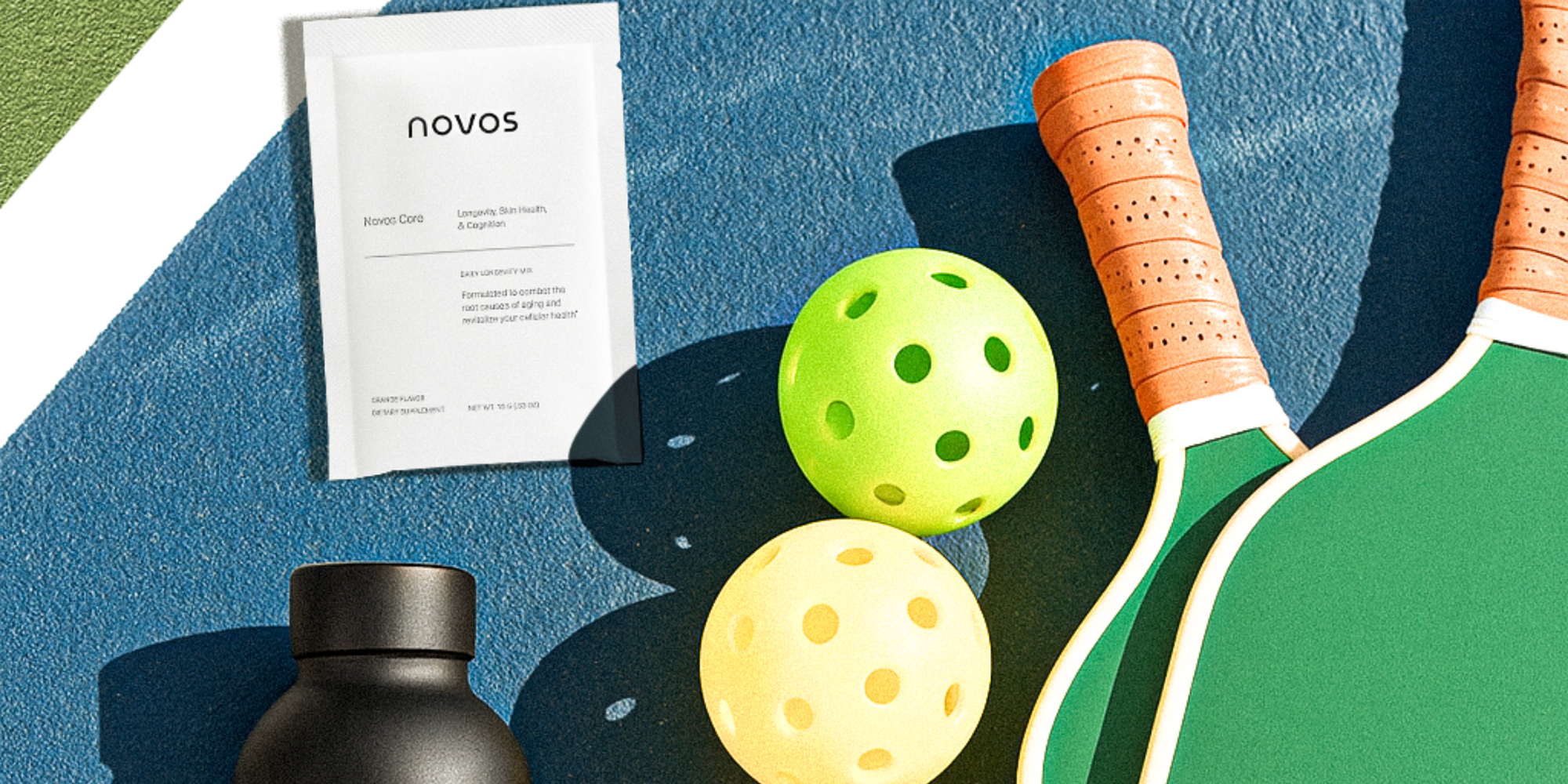
If you want to keep your body bouncing back, try NOVOS Core. Built with Harvard and MIT scientists, this daily drink targets the root causes of aging to support recovery, joint health, sleep, and focus.
Backed by research and featured in Forbes and Sports Illustrated, it's already trusted by top fitness pros.
Use code THEDINK10 for 10% off your first month.
Who gets hurt the most? Middle-aged, frequent players
- Injury risk was highest in ages 33–62 (77% reported injuries).
- Playing 3+ times per week raised the odds of injury by 45%.
- Newer players (<5 years experience) were 50% more likely to get hurt than veterans.
Knees and shoulders are the weak spots
- The knee (29%) was the #1 problem area, followed by lower leg/foot (27%) and shoulder (22%).
- Overuse/chronic injuries (35%) were more common than sprains or strains. Pickleball isn’t just dramatic accidents; it’s repetitive wear and tear.
The Takeaway: Playing Through Pain Isn't Sustainable
Pickleball's growth is incredible, millions of players, new courts popping up everywhere, and a community that's thriving. But the sport comes with its own physical price tag.
The biggest lesson? Playing through pain may keep you on court today, but it could sideline you tomorrow.
If you love the game, protecting your body has to be part of the deal. Otherwise, you're not just risking a sore shoulder — you're risking the chance to keep playing at all.
The TIP Lab is working on addressing the problem of injuries and pain in pickleball in a follow-up Phase 2 study. If you're interested in joining, you can learn more here.
Want to make sure you're moving safely and building resilience on the court? Start with these 5 essential strategies for senior pickleball players and explore 8 lower-body exercises for explosive pickleball legs to build the foundation your knees and hips need. If you're feeling tight or worn down, a quick essential stretching routine for pickleball players can make a real difference. And if you're already dealing with soreness in the elbow specifically, the pickleball elbow expert guide to prevention, treatment, and recovery is a must-read.
You can also recover like a pro so you can play pickleball for life and review seven critical recovery methods for pickleball players to build a smarter off-court routine.
Finally, check out what data shows most common ailments for pickleballers and how some are solving it, or explore why you're exhausted after pickleball and how to fix it.
Frequently Asked Questions
What is the most common pickleball injury?
The knee is the most frequently injured body part, affecting 29% of players surveyed. The lower leg and foot region (27%), shoulder (22%), back (20%), and elbow (18%) round out the top five. Overuse and chronic conditions are the leading injury type, outpacing acute sprains or strains.
Why do so many pickleball players keep playing through pain?
Passion and competitive drive are the most common reasons players push past discomfort. The Saint Louis University study found that 35.9% of players reported playing despite ongoing pain, suggesting many underestimate the long-term risk or feel reluctant to take time away from a sport they love.
Who is most at risk for a pickleball injury?
Middle-aged players between 33 and 62 years old who play three or more times per week face the highest risk. Male players are 33% more likely to be injured than female players, and newer players with less than five years of experience are 50% more likely to report injuries compared to veterans.
Does playing more hours in a single session increase your injury risk?
No session duration does not significantly increase injury odds. The study found that frequency of play, not the length of individual sessions, is the key predictor. Playing three or more times per week raised injury risk by 45%, while longer sessions alone did not produce a meaningful increase.
What can pickleball players do to reduce their injury risk?
Prioritizing warm-up, stretching, and strength training, especially for the lower body, can significantly reduce your risk of a pickleball injury. Newer players should be especially careful about ramping up frequency too quickly, and all players benefit from listening to early warning signs rather than playing through persistent pain.
Love Pickleball? Join 100k+ readers for free weekly tips, news & gear deals.
Subscribe to The Dink