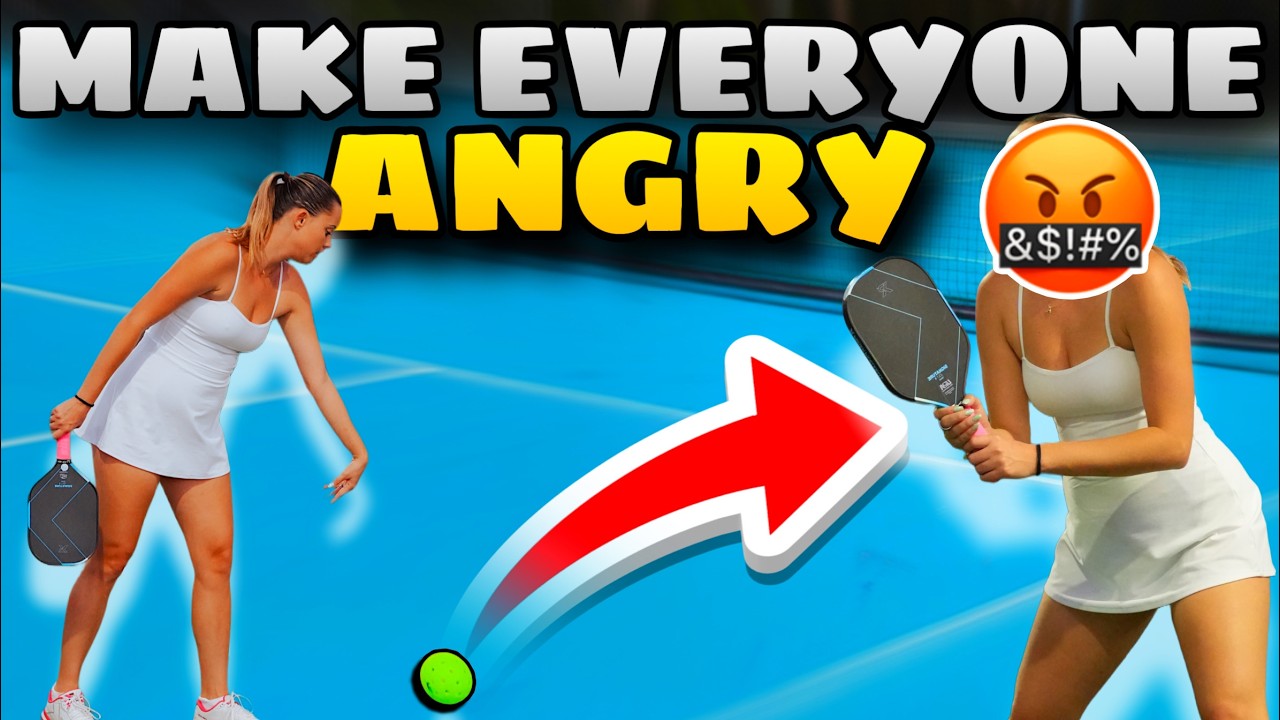
The nasty nelson pickleball shot is one of the game's most underrated weapons, and pro player Ava Ignatowich just broke down exactly how to execute it. From disguising your serve to reading your opponents, here are the 10 tips that will transform your game.
The nasty nelson pickleball shot is one of the most underrated weapons in the game, and honestly, most players have no idea how to execute it properly.
If you've never heard of it before, a nasty nelson is a surprise serve aimed directly at your opponent's body, designed to catch them completely off guard and win a free point.
It's controversial, it's funny, and when done right, it's devastatingly effective.
Pro player Ava Ignatowich, who competes on the PPA Tour, recently shared her complete breakdown of how to master this shot.
She's never missed one in her entire career, and she's qualified to teach you exactly how to pull it off in real matches.
Love pickleball? Then you'll love our free newsletter. We send the latest news, tips, and highlights for free each week.
What Is a Nasty Nelson, Anyway?
Before we get into the 10 tips, let's define what we're actually talking about. A nasty nelson is a serve that's aimed directly at your opponent's body instead of the service box.
It's not a legal serve in the traditional sense, but it's a legal play in pickleball because the serve itself is still valid. The goal is to hit your opponent before they can react, forcing them to dodge or take the ball to the body.
The shot gets its name from the surprise factor and the slightly aggressive nature of the play.
It's become a bit of a meme in pickleball culture, especially in college and recreational play, but when executed with proper timing and strategy, it's a legitimate tactical weapon.
1. Don't Look at Them (Seriously)
The first rule of executing a nasty nelson pickleball shot is simple: don't give it away with your eyes. Ava Ignatowich learned this the hard way during a tournament in Utah against a player named Jay Devilliers.
The moment she made eye contact with her opponent before serving, he knew something was coming.
Your poker face is everything here.
Look at the person diagonal from you, bounce the ball a couple of times, call the score, and do whatever you normally do before serving. Then go for it.
The less suspicious you look, the less time your opponent has to prepare.
 The Dink Media Team
2. Face Closed to the Court for Better Trajectory
When you're about to serve, position yourself a little more closed to the court. This gives you an easier down-the-line trajectory and makes it much simpler to hit the ball really fast in the direction you want it to go.
Your shoulder should be pointed at your target.
Here's the thing: this positioning won't give away your intentions because nobody expects a nasty nelson unless you're someone who does it constantly.
If you're that person, well, stop being a menace and grow up. But for everyone else, pointing your shoulder at your target gives you an easier swing path and trajectory without raising suspicion.
 The Dink Media Team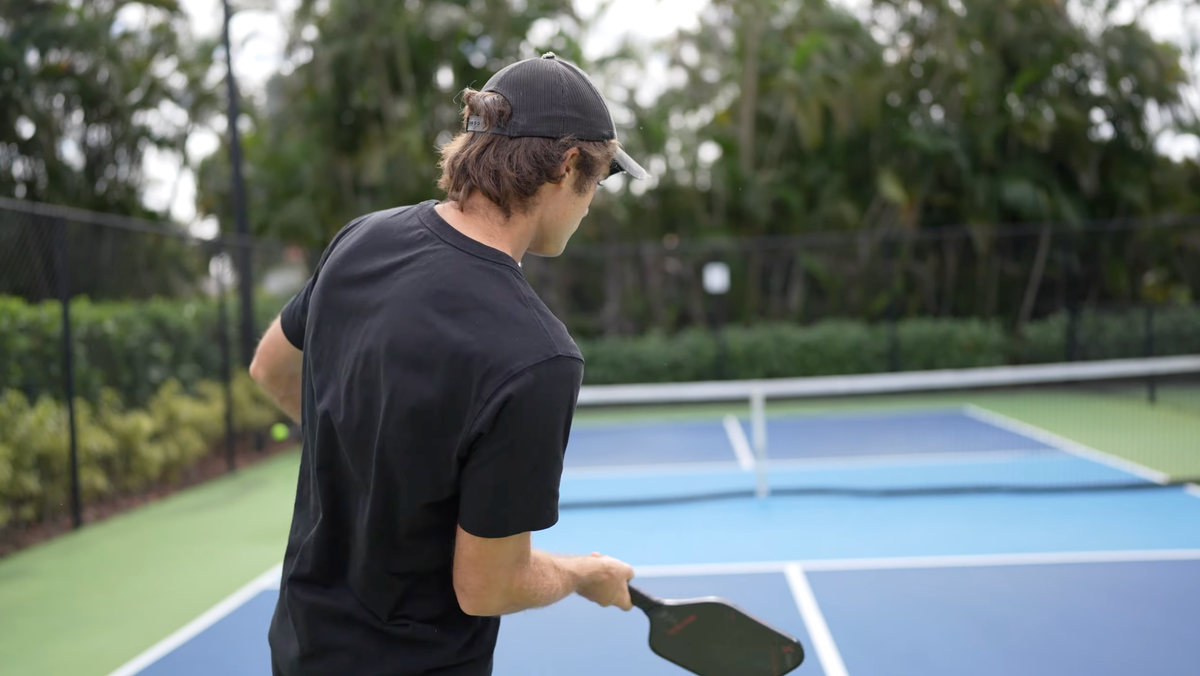
3. Strike When Your Opponents Are Unstacking
Timing is everything with the nasty nelson pickleball shot. The ideal moment to go for it is when your opponents are unstacking, meaning they're switching positions after the serve.
If you've noticed that one player usually plays right and the other usually plays left, and they've switched a couple of times, that's your window.
Why? Because if they're already thinking about moving to the other side of the court, their minds are occupied.
They won't be thinking about whether you're about to hit them with a surprise serve. Their reaction time will be slower because they're mentally committed to repositioning.
 The Dink Media Team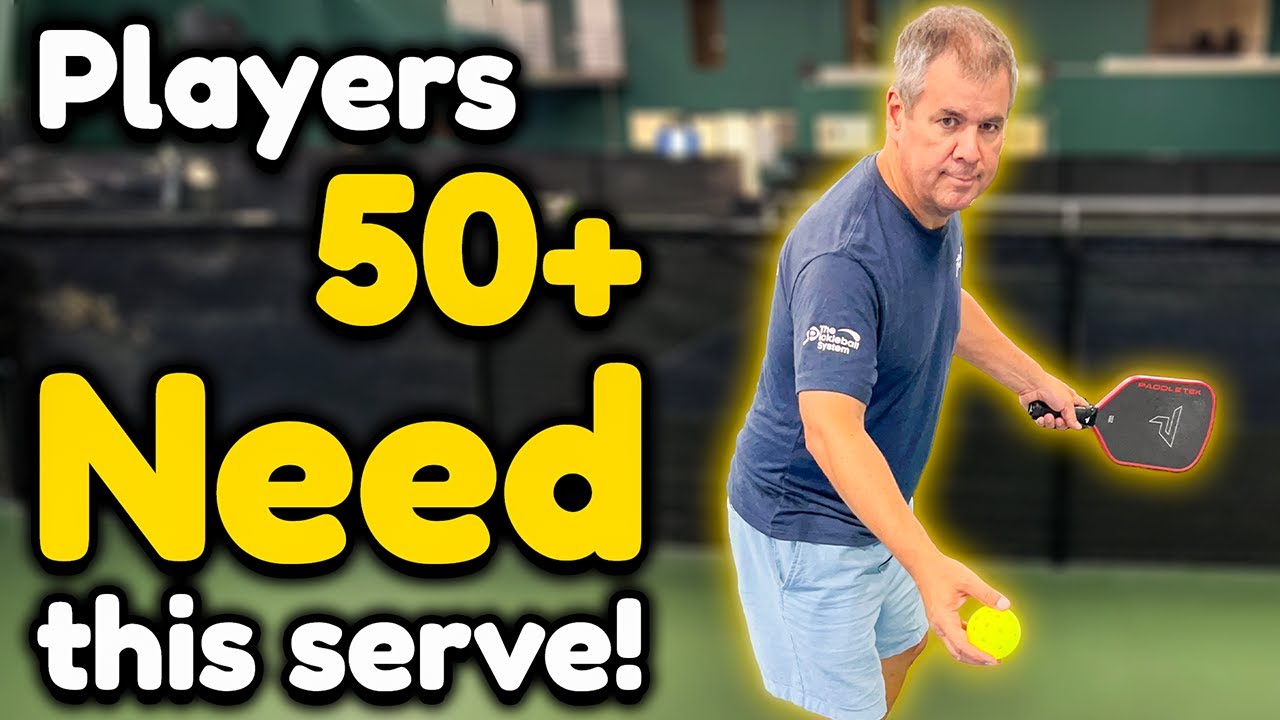
4. Hit It About 30% Harder Than Normal
You want to hit the ball about 30% harder than you normally hit it. Don't go overboard, though, because if you hit it too hard, you'll lose control and won't be able to aim it properly.
The goal is to make it happen really fast so your opponent has less time to get out of the way.
Think of it as finding the sweet spot between power and precision. You need enough speed to make the shot effective, but enough control to actually land it where you want it to land.
5. Aim Slightly Wider Than the Person
Here's a counterintuitive tip: aim slightly wider than where your opponent is standing. When people dodge, they typically move outward, away from the center of the court.
It's just weird to dodge inward. So if you aim about 10% to the outside of where they're standing, they're going to dodge right into the ball.
Always aim a little bit to the outside of them. This simple adjustment should definitely increase your nasty nelson hit percentage significantly.
 The Dink Media Team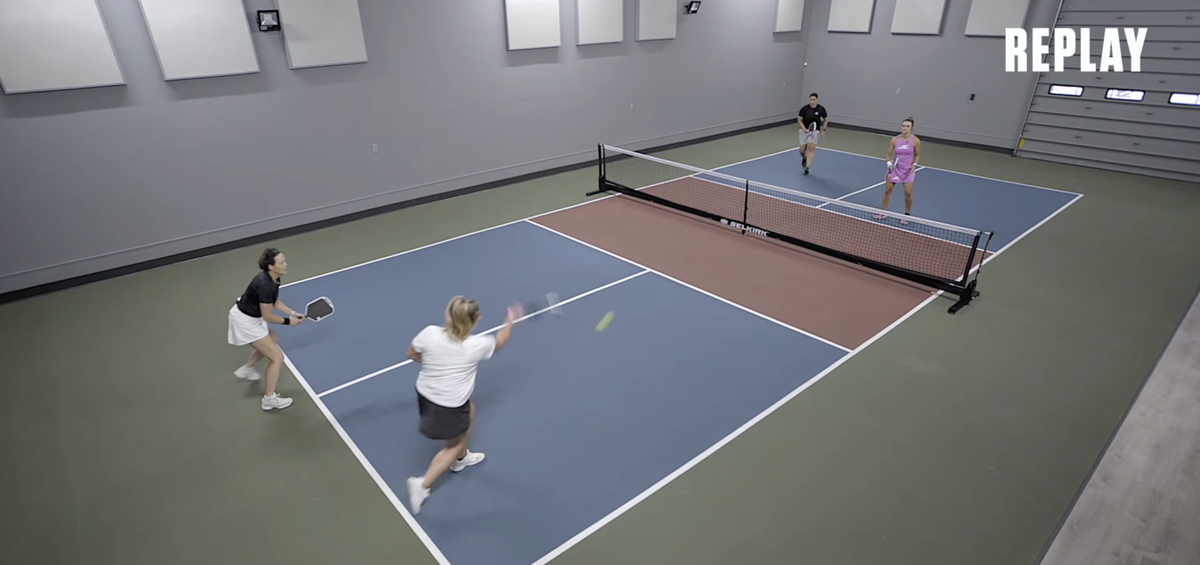
6. Aim Low to Make Dodging Impossible
You want to aim low, typically for the waist down. If you aim above the waist or higher, your opponent can usually just duck out of the way.
You don't want them to be able to duck. You want it to be impossible to duck under the ball.
Aim low and aim toward their outside hip. It's easier to move your upper body than your lower body, so targeting the lower half of their body makes the shot much harder to avoid.
 The Dink Media Team
7. Add Topspin for a Harder Read
If you get a lot of topspin on the ball, it becomes much tougher to read. When your serve is dipping with heavy topspin, it might look like it's coming up high, so your opponent dodges up.
But then it ends up dipping and catching them in the lower body instead.
Go for a lot of topspin on your nasty nelson pickleball serve. You don't want an easy-to-read serve.
If it's super flat, your opponent can tell the trajectory of the ball pretty easily. But if it has a ton of topspin on it, it's much harder to know where it's going to end up.
 The Dink Media Team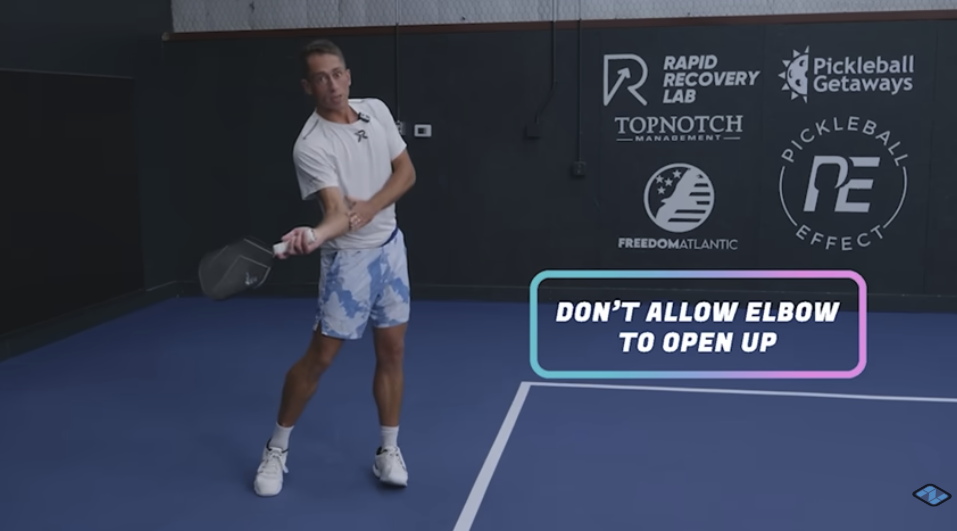
8. Use It Strategically, Not Randomly
The best time to go for a nasty nelson is when you're either up by a lot or down by a lot and you need a momentum shift. This shot will definitely get in your opponent's head if you land it.
Even if you don't land it, they'll still be thinking about it because they'll realize you just tried to hit them with a surprise serve.
It usually shifts the momentum in your favor. It's almost better than a timeout in terms of momentum shifting.
Another great time to go for it is on the first point of the match. People tend not to expect it right off the bat, and it sets the tone for the entire match. You're asserting dominance from point one.
 The Dink Media Team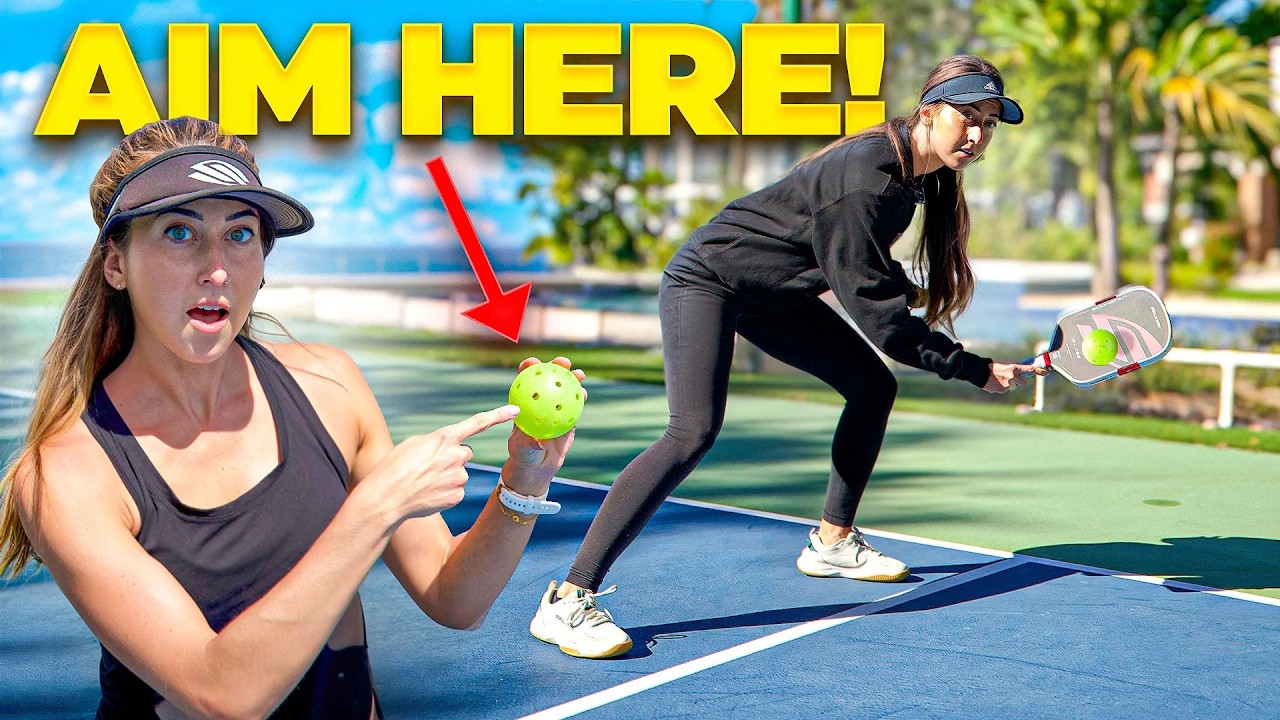
9. If It Works Once, It Usually Works Again
Here's something that might seem counterintuitive: if you land a nasty nelson pickleball shot once, it usually works again.
Your opponent will think the joke is over and won't expect you to go for it a second time. So if you get them once and you laugh it off, go for it again a couple of points later.
A lot of players think that if they already hit someone, that person will definitely be expecting it the next time. Sometimes that's true, but often it's not.
You can even hit their partner the second time around, and they probably won't see it coming. Two in a row? Try it. If it works once, it usually works a second time.
10. Read the Room and Prepare Your Celebration
Finally, do it at your own risk. Ava Ignatowich has seen fights break out over the nasty nelson, especially in college pickleball.
She once saw a player named Zach hit someone on match point of a college match, and there was a lot of tension in the air afterward.
Make sure you're doing it with your buddy, your friend, or your complete enemy.
There's no in-between. You don't want to do it with someone you kind of know because it just makes things awkward.
Read the room, do it at your own risk, and be safe about it. Don't do it to anyone who has a couple of screws loose.
And here's the final piece: you need to prepare what you're going to say after you get them. You can't just say nothing because that's insane.
Your options include "Bag," "Let's go," "Come on," or "Sorry, I had to go for it." The least funny option is throwing up a hand and apologizing, so skip that one.
Ava's go-to is "Bag," but make sure you have something prepared.
 Jason Flamm
Why the Nasty Nelson Matters in Modern Pickleball
The nasty nelson pickleball shot represents something bigger than just a surprise serve. It's about understanding positioning, awareness, and smart point construction.
It's not just about surprise; it's about using psychology and strategy to gain an edge over your opponents.
In a sport where rallies can last a long time and points are often decided by small margins, having an unexpected weapon in your arsenal can be the difference between winning and losing.
The nasty nelson is that weapon. It's underrated, it's effective, and when you master it, it becomes a real part of your tactical toolkit.
Heads up: hundreds of thousands of pickleballers read our free newsletter. Subscribe here for cutting edge strategy, insider news, pro analysis, the latest product innovations and more.
Frequently Asked Questions
Is the nasty nelson legal in pickleball?
Yes, the nasty nelson is completely legal in pickleball. The serve itself is valid because it's still a legal serve motion. The fact that it's aimed at your opponent's body rather than the service box doesn't make it illegal. However, it's considered unsportsmanlike in some contexts, so always read the room and understand the competitive environment you're playing in.
What's the difference between a nasty nelson and a body serve?
A body serve is a general term for any serve aimed at your opponent's body. A nasty nelson is a specific type of body serve that's designed to surprise your opponent and catch them completely off guard. The nasty nelson emphasizes the element of surprise and is typically used strategically at key moments in a match.
Can I practice the nasty nelson on my own?
Absolutely. You can practice your serve motion, your aim, and your topspin technique on your own. However, the real test of a nasty nelson is how your opponent reacts to it, so you'll want to practice it in actual matches or practice games with other players. Start with friendly matches before trying it in competitive tournaments.
Will hitting someone with a nasty nelson get me in trouble?
It depends on the context. In recreational play with friends, it's usually funny and accepted. In competitive tournaments, it might draw some negative reactions from your opponent, but it's not against the rules. The key is to read the room, understand the competitive environment, and only use it when it's appropriate. Never use it in a way that could escalate tensions or create conflict.
How do I defend against a nasty nelson?
The best defense is awareness. Pay attention to your opponent's body language and positioning before they serve. If you notice they're setting up for a surprise serve, stay alert and ready to react. Keep your eyes on the server and be prepared to move quickly. Some players also position themselves slightly further back to give themselves more time to react to an unexpected serve.
Love Pickleball? Join 100k+ readers for free weekly tips, news & gear deals.
Subscribe to The DinkGet 15% off pickleball gear at Midwest Racquet Sports