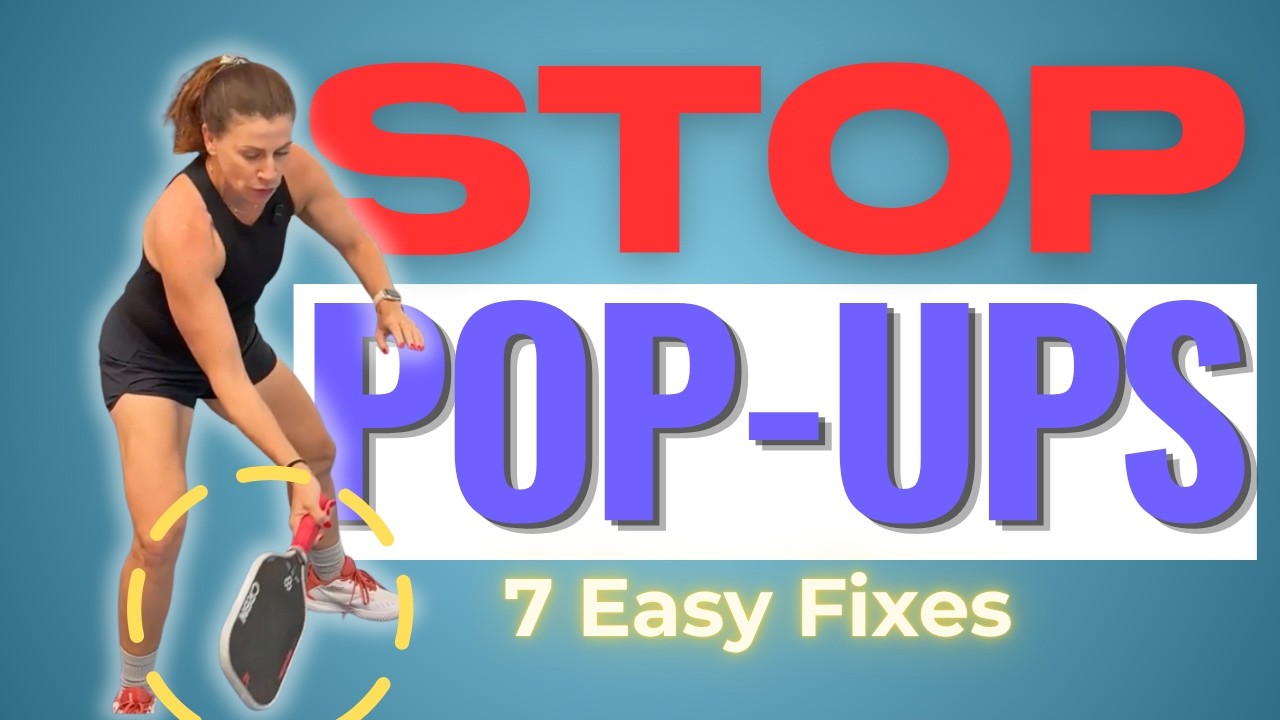
Dink pop-ups are one of the most frustrating mistakes in pickleball, but they're also one of the easiest to fix. Coach Jess breaks down 7 specific troubleshooting techniques that will help you stop popping up your dinks and start controlling the kitchen line.
Learning how to fix a dink pop-up is one of the fastest ways to improve your pickleball game. If your dinks keep floating high or getting attacked, you're not alone.
This is one of the most common mistakes intermediate players make, and the good news is that it's fixable with the right approach.
Coach Jess from Athena Pickleball has spent years teaching students how to troubleshoot their own shots, and she's identified seven specific fixes that work immediately.
These aren't complicated technical adjustments. They're practical, on-the-fly corrections that you can implement in your next match.
Love pickleball? Then you'll love our free newsletter. We send the latest news, tips, and highlights for free each week.
Why Your Dinks Keep Popping Up
Before we get into the fixes, let's understand what's actually happening when your dink pops up.
A dink pop-up occurs when the ball travels higher than intended, giving your opponent an easy opportunity to attack.
This usually happens because of one or more technical breakdowns in your stroke.
The thing is, your dink pop-up isn't random. As Coach Jess explains,
"The ball doesn't lie."
If it goes somewhere, that's because your paddle face told it to go that direction. Understanding this mindset is crucial.
Your dink pop-up is feedback, not failure.
Fix #1: Soften Your Grip Pressure
The first and simplest fix is your grip strength. On a scale of 1 to 10, you want to be thinking about your grip as roughly a 3 or 4.
This is tight enough that the paddle won't fall out of your hand, but loose enough that you maintain flexibility to lay your wrist back.
Think of it like cradling an egg. You don't need a lot of force when you're dinking.
The harder the balls come at you, the more you soften your grip even further. This counterintuitive move actually gives you more control, not less.
A tight grip forces tension into your forearm and shoulder, which makes it harder to execute a smooth, controlled stroke.
When you soften your grip, you feel the paddle in the palm of your hands with your fingers wrapped around it loosely. This is the foundation for fixing your dink pop-up problem.
 The Dink Media Team
Fix #2: Keep Your Wrist Out of It
The second fix is one of the biggest causes of pop-ups: using your wrist when you're dinking.
When that ball's coming at you, if you're flipping your wrist, it's very hard to do so in a controlled manner.
The ball immediately goes up, and the point ends.
Instead, lay your wrist back with that soft grip and push from your shoulder. That wrist stays fixed.
This applies whether you're hitting a regular dink, a slice, or even topspin. The wrist lays back, and the movement comes from your elbow and shoulder.
Keep the wrist out of it. It's not your friend when you're trying to eliminate a dink pop-up. The smaller muscles in your wrist can't generate the kind of controlled power you need at the kitchen line.
Your larger shoulder and core muscles are what you should be engaging.
The Dink Media Team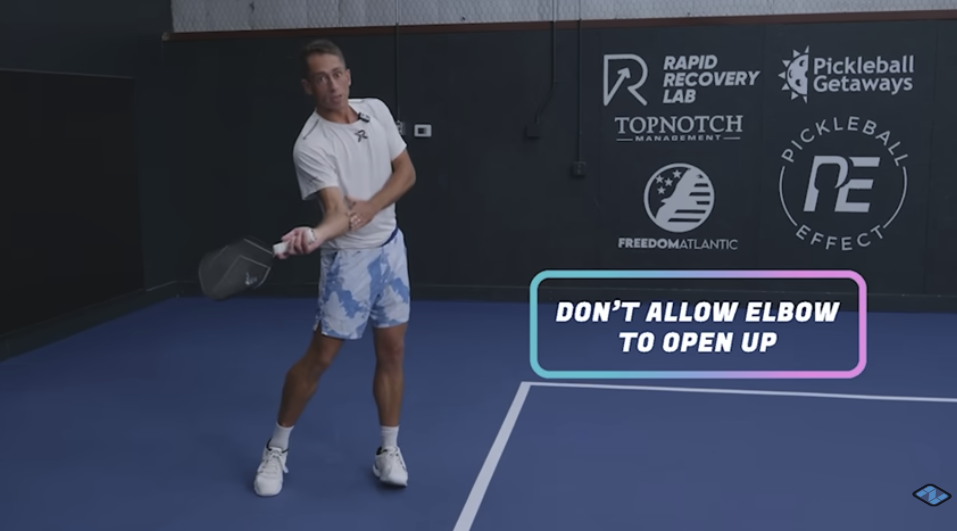
Fix #3: Think 'Push,' Not 'Poke'
Acceleration is generally the primary cause of pace in pickleball.
When you're dinking, you want to think about a nice even movement from point A to point B. This is where many players go wrong.
You'll often see players jab the ball or poke it when it's coming hard.
That poking motion sends the ball off your paddle very quickly, and it's a really common cause of pop-ups.
Instead, imagine moving your paddle through jello. If pace is coming at you hard, you counter it by loosening your grip even more and thinking about a nice even push.
It's called a push dink for a reason. You're pushing the ball where you want it to go, not poking it.
When that ball comes from ground to tabletop, you should never see any acceleration of the paddle at any point along the way.
A nice even stroke creates consistency and keeps those pop-ups at a minimum.
The Dink Media Team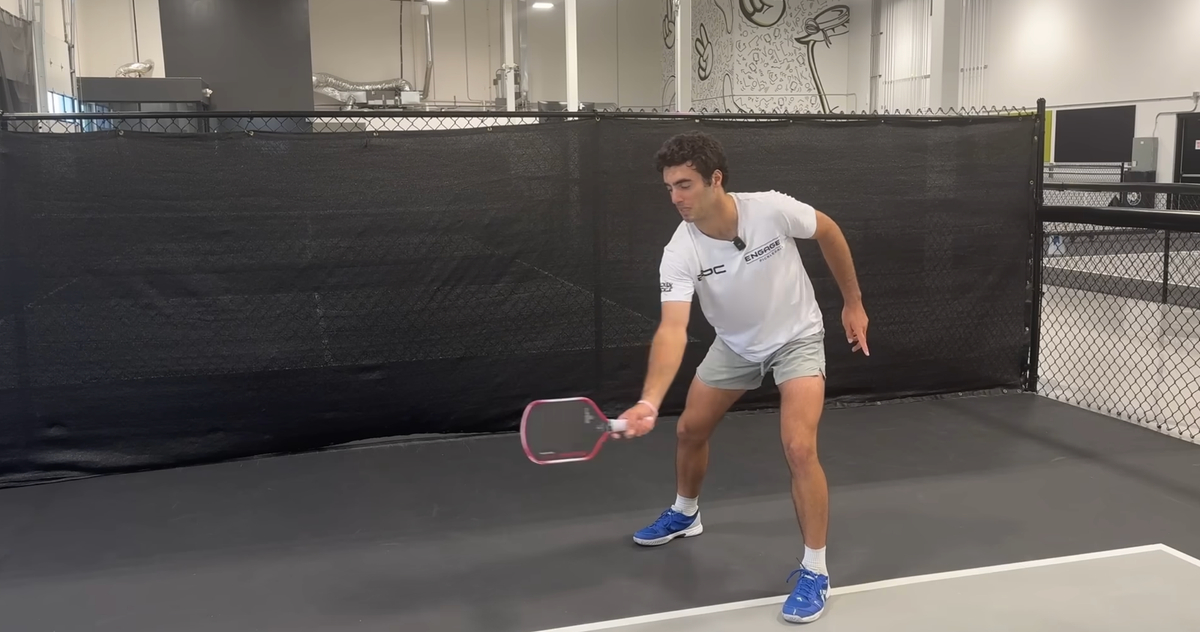
Fix #4: Calibrate Your Paddle Face Angle
The fourth fix addresses paddle face issues. Being aware of the angle of your paddle face is critical.
If your dinks are all going up to the sky, you might need to close that paddle face to get them down.
Love pickleball? Then you'll love our free newsletter. We send the latest news, tips, and highlights for free each week.
When you're dinking, you want that ball to go up and over the net, but if your paddle face is too open, it's going to send the ball to the sky.
This happens when the point of contact is too far under the ball and the paddle's facing upward.
By softening your grip and laying your wrist back, you can point that paddle tip forward and think more about the point of contact being flatter.
The open paddle face is fine as long as you've got that arc so the ball can go up and down. But if it's open and you go too hard, balls are going to go up.
Think about going more through the ball rather than poking upward. This adjustment alone can make a huge difference in eliminating your dink pop-up issues.
Fix #5: Minimize Your Backswing
The fifth fix is one Coach Jess sees constantly: students bringing the paddle all the way back before hitting their dinks.
As a general rule, you do not want to bring the paddle behind your body. You don't need to.
From the baseline to the kitchen line, it's only 14 feet. It's not very far, and you're hitting a whiffle ball.
When you start adding backswing to your dinks, it's very easy to overswing, and that's going to send those balls flying.
Keep that backswing very small. Don't bring your paddle behind your body.
The way to do this is to always be moving your body and keep your right leg (for forehand) or left leg (for backhand) as a barrier.
Everything should be in front of you. You can even think of the kitchen line as that barrier to not bringing your paddle behind your body.
Alex E. Weaver
Fix #6: Make Contact in Front of Your Body
The sixth fix goes hand-in-hand with the backswing issue: contact point. Contact point is crucial, and it plays into everything we've talked about before.
You want to make contact with balls in front of your body, not only side-to-side but also between your feet.
Ideally, you want to make contact about a foot and a half in front of your body.
As soon as you start getting the ball to your body with the contact point, that's when the wrist starts to flip and you run into problems.
If a ball is going to bounce at the kitchen line, either take it out of the air or take that drop step back.
A ball that's even with your body is technically behind you. When you move that foot back, it becomes in front of you.
Keep balls in front of you. That's a primary objective to good dinking and eliminating your dink pop-up mistakes.
The Dink Media Team
Fix #7: Master Your Footwork
The seventh and final fix ties everything together: footwork. Good footwork sets up everything else.
When you're not moving your feet, you catch balls late, compensate with a big swing, flip your wrist, and tighten your hand. None of that is good.
You need to move and position yourself so you're staying behind the ball and your contact point is in front. When you register that a ball's coming a little deep, get behind it.
Take that drop step back or reach in and take it out of the air. If a ball's going to be to your right, don't reach for it that way.
Instead, shuffle and keep that paddle in front of your body as you're moving.
Your footwork is the number one key to making sure your body is positioned in a way that you can stay in control and stop popping up your dinks.
When you're in trouble, look to your feet first.
Look to the tightness of your grip. Sometimes that's going to solve the majority of your problems.
How These Fixes Work Together
Here's the thing about these seven fixes: they're not independent. They work as a chain reaction.
When your feet are set, you don't use your wrist. You're in control.
You can keep the ball in front of you and dictate what that dink looks like rather than being controlled by your opponents who are putting dinks at your feet.
This is what separates intermediate players from advanced ones. It's not about having a perfect technique.
It's about understanding how each element supports the others and being able to troubleshoot your own game on the fly.
The Dink Media Team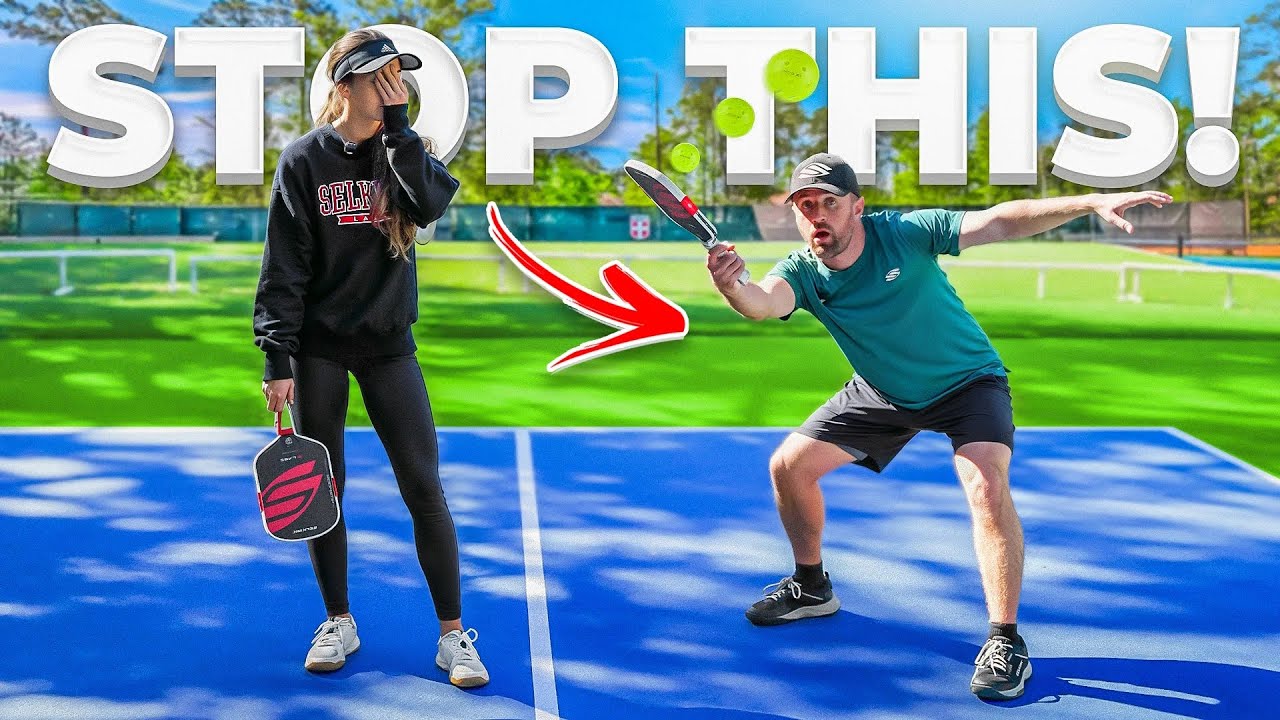
Frequently Asked Questions
What's the most common cause of dink pop-ups?
The most common cause is using your wrist when you should be pushing from your shoulder. A tight grip combined with wrist movement creates an uncontrolled stroke that sends the ball upward. Loosening your grip and keeping your wrist fixed will eliminate most pop-ups immediately.
How tight should my grip be when dinking?
Your grip should be about a 3 or 4 on a scale of 1 to 10. This is tight enough that the paddle won't fall out of your hand, but loose enough that you maintain flexibility. Think of it like cradling an egg. The harder the balls come at you, the more you soften your grip.
Can paddle face angle really make that much difference?
Yes, absolutely. The ball doesn't lie. If it goes somewhere, your paddle face told it to go that direction. If your dinks are all going up to the sky, you likely have an open paddle face. Closing it slightly and thinking about going through the ball rather than poking upward can make a huge difference.
Why is footwork so important for dinking?
Footwork positions your body so that you can make contact in front of you, which allows you to use your larger shoulder muscles instead of your wrist. When you're not moving your feet, you catch balls late and compensate with bad technique. Good footwork is the foundation for everything else.
How long does it take to fix dink pop-ups?
Most players see immediate improvement by focusing on grip pressure and wrist position. However, building consistent footwork and contact point awareness takes practice. The key is understanding that these are fixable issues, not fundamental flaws in your game.

Love Pickleball? Join 100k+ readers for free weekly tips, news & gear deals.
Subscribe to The DinkGet 15% off pickleball gear at Midwest Racquet Sports