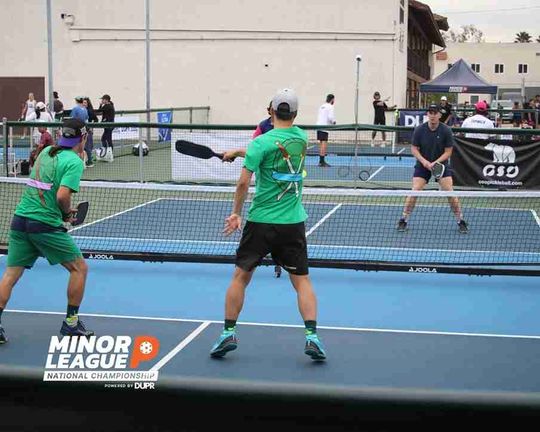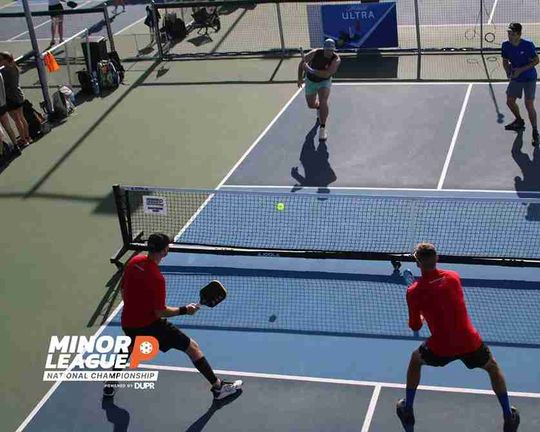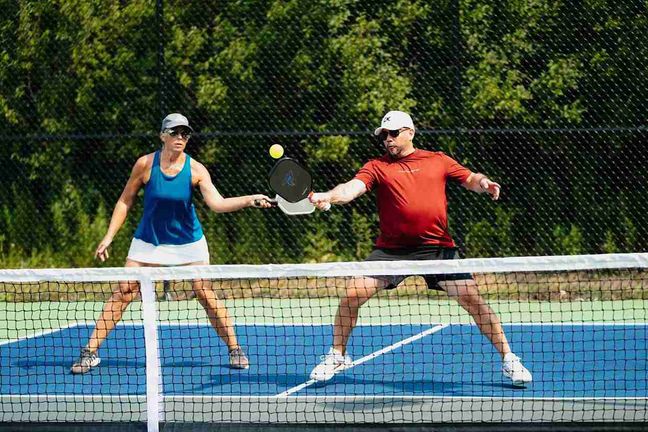

Advanced pickleball is about understanding that you're not playing against your opponent; you're playing with your partner and the geometry of the court.
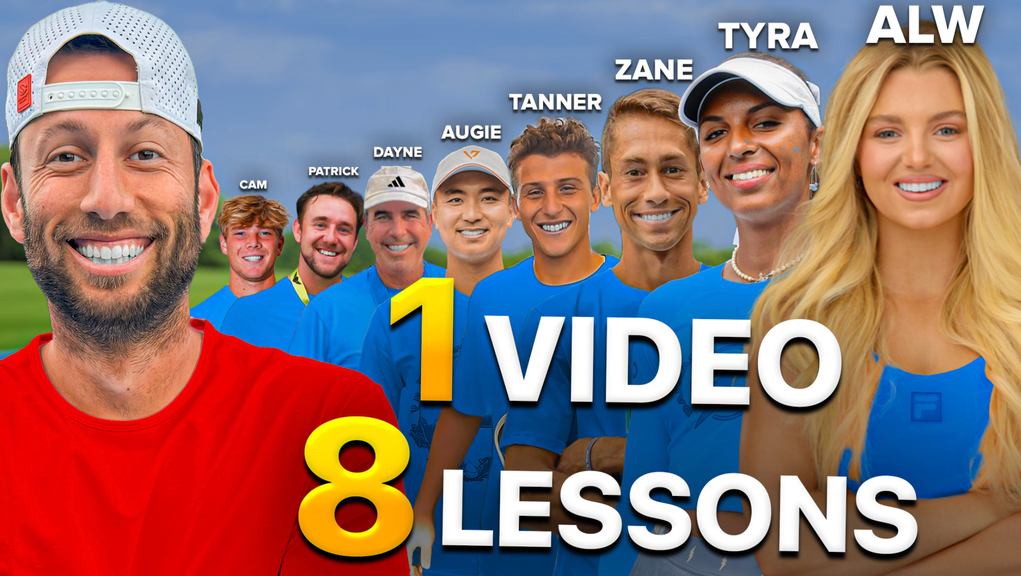
Kyle Koszuta, the mind behind ThatPickleballGuy, just dropped something special. He compiled the best moments from years of conversations with some of pickleball's elite players:
- Anna Leigh Waters
- Leigh Waters
- Tyra Black
- Zane Navratil
- Patrick Kawka
- Tanner Tomassi
- Dayne Gingrich
- Augie Ge
- Cam Luhring
We're talking 172 combined gold medals on the PPA Tour. That's not just experience; that's a masterclass compressed into 15 minutes.
Love pickleball? Then you'll love our free newsletter. We send the latest news, tips, and highlights for free each week.
1. The Real Game Isn't About Perfect Shots; It's About Reading Your Partner
In pickleball, you're never playing alone. Anna Leigh Waters and her mom, Leigh Waters, opened the video with a concept that sounds simple but changes everything once you actually implement it.
You need to know what your partner is thinking before they hit the ball.
In one exchange, Anna Leigh explained how she reads Kyle's intentions. When he's about to speed up a dink, she positions herself differently than when he's going to keep it soft. It's not magic. It's communication without words. If your partner speeds up the ball and you're not ready, that aggressive shot comes right back at you at a pace you can't handle. But if you're anticipating it? You're already moving, already prepared.
The Waters emphasized that the days of standing flat-footed on the kitchen line are gone.
- Modern paddles changed the game.
- Players can speed up from anywhere now, which means you can't just camp at the net and hope for the best.
- You've got to be constantly adjusting, reading the ball height, and positioning yourself one step back when things look dicey.
It's reactive, sure, but it's also predictive. You're thinking two shots ahead.
2. Court Positioning: The Unsexy Skill That Wins Matches
Tyra Black brought a different angle to the conversation, literally.
She talked about how ball height dictates your court position. If the ball comes in above chest height, she's backing up because her opponent can hit it down at her feet. If it's lower and they have to reach, she's pushing forward. And if there's an overhead? She's going all the way back.
This sounds obvious when you hear it, but watch recreational players and you'll see them standing in the same spot regardless of what's coming at them.
Black's approach is about reading the geometry of the court and the trajectory of the ball. She also mentioned something crucial: warming up with resets before matches. Not just hitting a few balls. Actual reset drills. Why? Because when you're in a match with nerves firing and adrenaline pumping, your body falls back on what it knows. If you've done thousands of reps, your instincts take over.
 Alex E. Weaver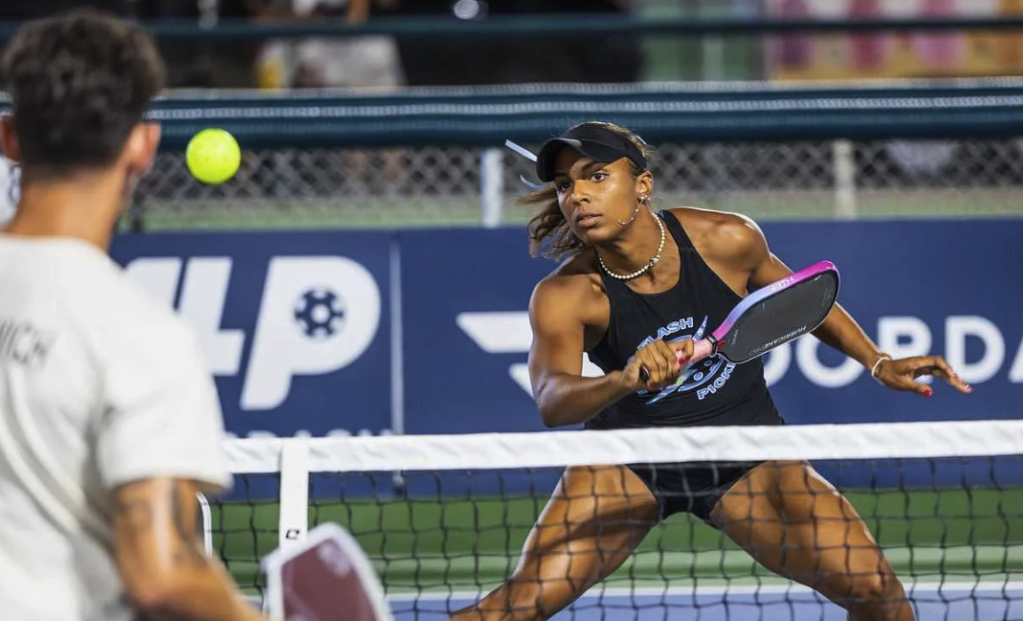
3. The Serve Isn't About Aces; It's About Your Third Shot
Zane Navratil reframed how we should think about serving. Most recreational players obsess over hitting aces or placing the serve on the opponent's backhand. Navratil said that's backwards.
The real objective of the serve is to make your third shot easier.
Think about it.
- If you can push your opponent back with a deep serve, they're forced to hit their return from further back.
- That gives you more time, more court to work with, and a better angle for your third shot.
- It's not about being flashy. It's about setting up the point in your favor from the start.
Navratil also touched on playing against lefty-righty combinations. The middle of the court becomes a forehand zone for both players, which means it's hot. So he drops the ball wide instead, targeting backhands. Small adjustments. Big results.
According to CBS Sports, the serve-to-third-shot connection is one of the most underrated concepts in competitive pickleball — pros obsess over it at every level of the game.
 The Dink Media Team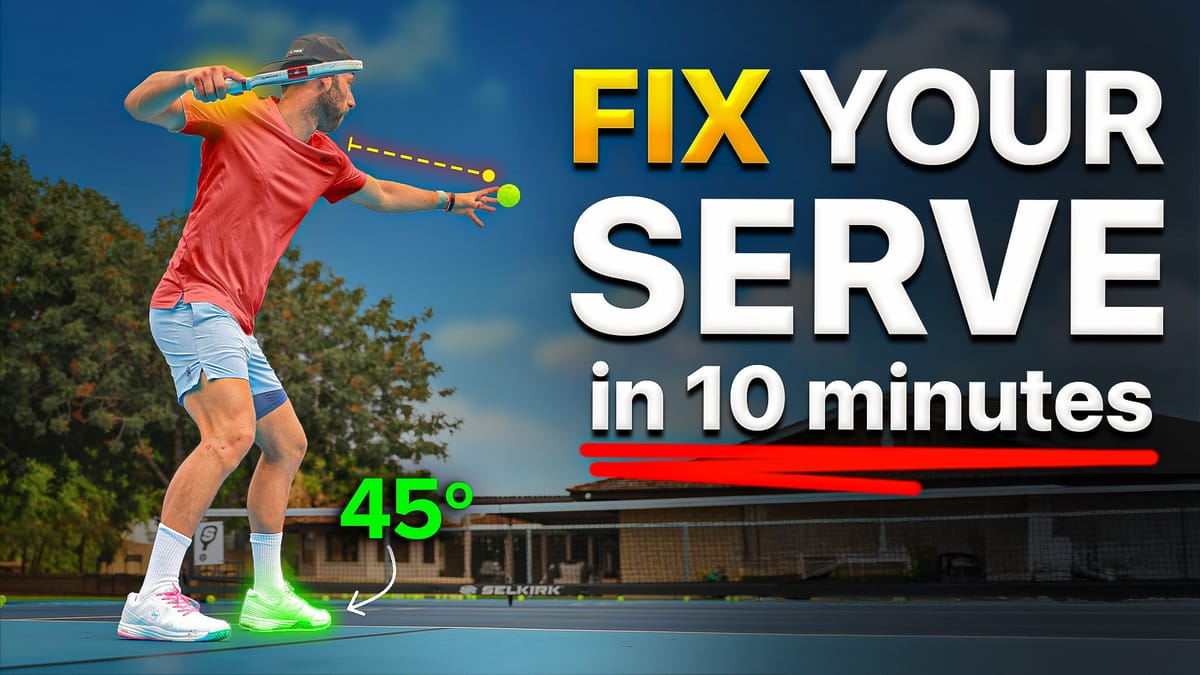
4. The Drive: It's All About Spacing
Patrick Kawka's segment focused on something that sounds technical but is actually about feel. He talked about hitting drives with the ball farther from his body.
The mental cue? Push away from the ball to create spacing. It's like the difference between a baseball player hitting with bent arms versus extended arms at contact. One generates power; the other doesn't.
Kawka worked through this with Kyle, and you could see the lightbulb moment. When you're hitting a drive, you want extension. You want space between you and the ball. It changes the entire mechanics of the shot. It's not revolutionary, but it's the kind of detail that separates players who plateau at a certain level from those who keep climbing.
For more on the mechanics of a powerful drive, check out 5 tips to instantly improve your pickleball drive.
 The Dink Media Team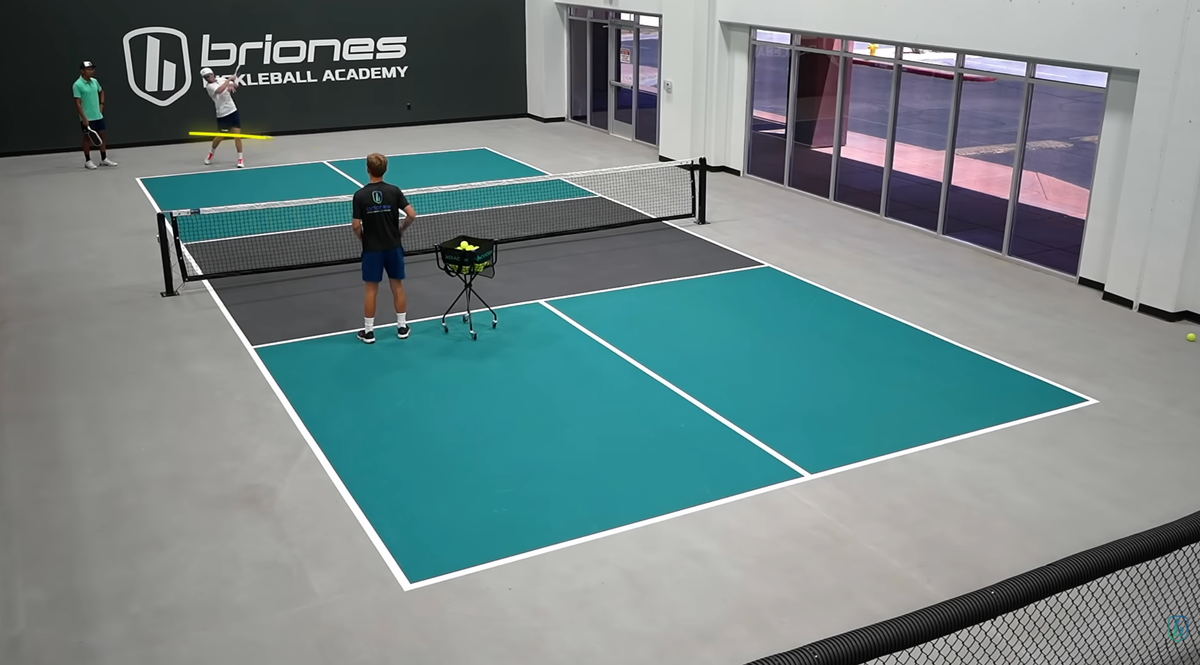
5. The Drive-Drop Combo: Thinking in Sequences, Not Individual Shots
Dayne Gingrich introduced a concept that higher-level players use but rarely explain to the rest of us: the third-fifth. That's a drive followed by a drop.
Most players think of these as two separate shots. Gingrich said that's the problem. You should think of them as one continuous movement.
Most players think of these as two separate shots. Gingrich said that's the problem. You should think of them as one continuous movement.
Why? Because if you separate them mentally, you create a pause. In big moments, that pause becomes hesitation. You hit your drive, then you think about your drop.
- Meanwhile, your opponent popped the ball up, and you missed the opportunity to keep attacking.
- But if you're thinking drive-drop as a single sequence, you're flowing through the kitchen with options.
- You can stay aggressive if they give you something to attack, or you can soften it if you need to reset.
It's offense and control wrapped into one motion. This is exactly the kind of advanced pickleball strategy that separates 4.0 players from 5.0 players.
Heads up: hundreds of thousands of pickleballers read our free newsletter. Subscribe here for cutting edge strategy, insider news, pro analysis, the latest product innovations and more.
6. The Cautionary Tale: High-Percentage Shots Matter
Augie Ge's story was a humbling reminder. He played against the New York Hustlers after beating Ben Johns and Collin Johns earlier that day. Riding high, he decided to start flicking balls from below net height. It worked once. Then it didn't. By the end of the match, he'd tried it three times, and it cost them the game.
The lesson? Just because a shot works doesn't mean it's the right play.
- Certain shots might have a low success rate, and even if they work occasionally, they're not in your best interest to hit repeatedly.
- It's about playing percentages, not chasing highlights.
 Alex E. Weaver
7. The Drop Shot: Deception Through Positioning
Cam Luhring closed out the masterclass with two key teaching points about drop shots.
- First, drop your paddle tip toward the ground.
- Second, wait longer than you think before making contact.
Most players hit the ball on the rise, which limits their options and makes them predictable.
When you wait for the ball to reach its peak, you have more time to read your opponent's position. You can be deceptive with your paddle face. If you're holding it horizontally, it's obvious where you're going.
But if you drop the tip and wait, you can carve around the ball and place it wherever you want. It's about patience and positioning, not just technique. For a deeper dive into this, the 5 drop shot techniques to elevate your pickleball game is essential reading.
8. The Bigger Picture
This video brings together the best players in the sport and extracts the moments that actually matter.
The common thread running through all of it? Pickleball at the highest level is about reading, anticipating, and positioning. It's about understanding that you're not playing against your opponent; you're playing with your partner and against the geometry of the court.
The video is a reminder that improvement doesn't just come from grinding new drills. Sometimes it comes from understanding why the best players do what they do. And sometimes, it comes from knowing when not to do something, even if it worked once.
Frequently Asked Questions
What is the most important pickleball pro tip for beginners?
The single most impactful pickleball pro tip for beginners is to focus on court positioning rather than power. Understanding where to stand based on ball height — and moving dynamically rather than staying flat-footed — will immediately reduce your errors and put you in better attacking positions. Pros like Tyra Black build their entire game around this concept, and it pays off at every skill level.
How do pro pickleball players use the serve strategically?
Elite players like Zane Navratil don't serve to win the point outright — they serve to set up the third shot. A deep serve pushes the returner back, giving the server more time and a better angle on their next ball. Thinking of the serve as the first move in a sequence, rather than a standalone shot, is what separates strategic players from those just putting the ball in play.
Why do pro players wait longer before hitting drop shots?
Waiting longer before contact allows you to read your opponent's position and disguise the direction of your shot. When you hit the ball on the rise, you telegraph your intentions and limit your paddle face options. By letting the ball peak and dropping your paddle tip, you gain the ability to carve, angle, and place the ball with far more deception — exactly what Cam Luhring teaches.
What is the "third-fifth" concept in pickleball?
The third-fifth refers to a drive (third shot) followed by a drop (fifth shot) executed as one fluid sequence rather than two separate decisions. Dayne Gingrich emphasizes thinking of this as a single motion so you eliminate hesitation. If you mentally separate the drive and the drop, you create a pause that gives your opponent time to recover — and you miss windows to attack.
How do Anna Leigh Waters and Leigh Waters communicate on the court?
The Waters duo communicates through anticipation rather than words. Anna Leigh reads her partner's body language and paddle positioning to predict whether the next shot will be a speed-up or a soft dink — then adjusts her positioning accordingly before the ball is even struck. This non-verbal, predictive communication is one of the defining characteristics of elite doubles play and something every competitive team should work to develop.
Love Pickleball? Join 100k+ readers for free weekly tips, news & gear deals.
Subscribe to The Dink