Flick vs. Roll: What's the Difference & When to Hit Each Shot
This guide covers the exact form, positioning, and deceptive variations that make the backhand roll one of the most effective kitchen line attacks in modern pickleball.
The backhand roll is one of the most underrated weapons in pickleball, and if you're not using it, you're leaving points on the table.
Eric Oncins, ranked 11th on the PPA Tour for men's doubles and mixed doubles, recently shared his complete breakdown of this signature shot, and it's a game-changer for anyone serious about improving their kitchen line game.
Love pickleball? Then you'll love our free newsletter. We send the latest news, tips, and highlights for free each week.
Why the Backhand Roll Matters More Than You Think
Here's the thing: most players treat the backhand roll like a bonus shot. They hit it when they happen to get a pop-up, but they don't actively hunt for opportunities to use it. That's a mistake. Oncins explained that the backhand roll is essential because it gives you multiple attacking angles from the same position.
"If you're on the left side, you can go anywhere," Oncins said. "You can go down the line, crosscourt, middle. You can just mix it up." This versatility is what makes the shot so dangerous. Your opponent can't predict where the ball is going, which means they can't position themselves defensively.
The shot is particularly valuable for left-side players, but the mechanics apply to everyone. When a pop-up comes your way, you're not just hitting a ball back over the net. You're setting up a point-winning opportunity if you know how to execute it properly.
The Mechanics: How to Actually Hit a Backhand Roll
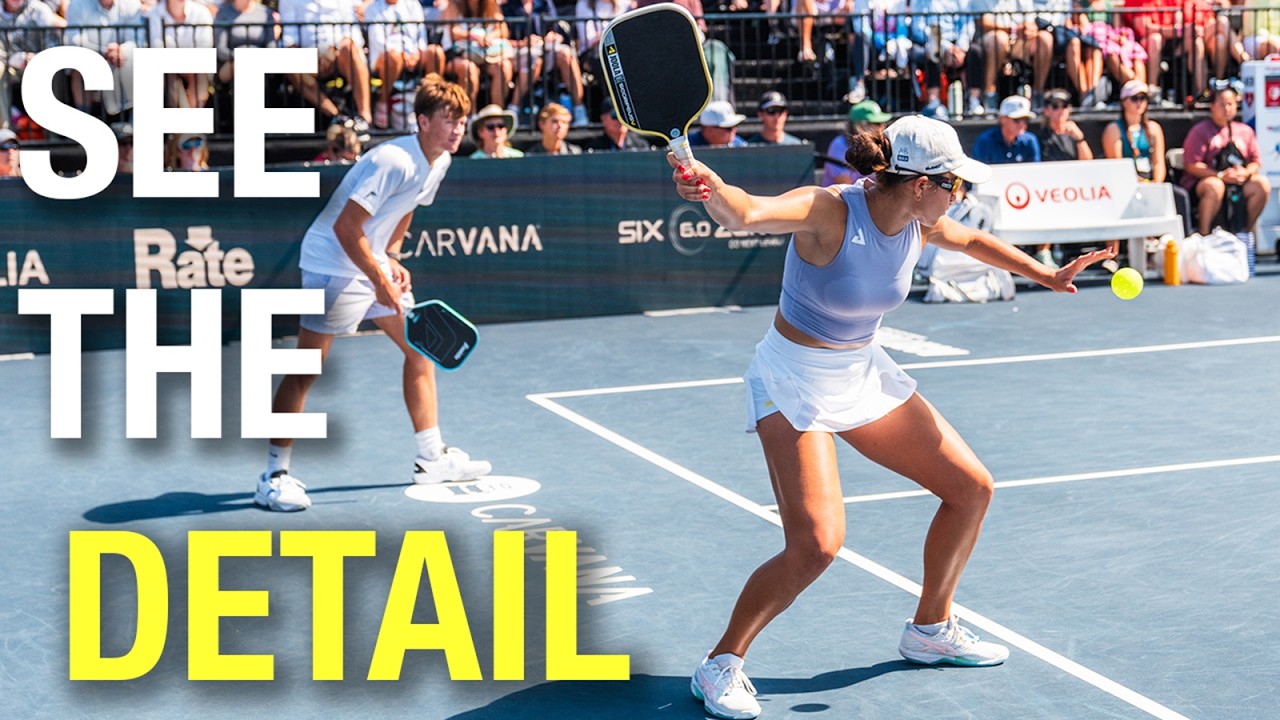
Let's break down the form, because this is where most players go wrong. The backhand roll starts with reading the ball and understanding the situation. If you or your partner just hit an aggressive dink, you need to be leaning in, ready to attack.
Oncins described the paddle position like this: "You want to take the paddle kind of like you're revving a motorcycle." The paddle tip starts down and back, with a little elbow bend. From there, you extend slightly and brush upward. That's it.
- You're not breaking the wrist.
- You're not powering through it.
- You're brushing.
This is a critical distinction. The backhand roll is not a flick. A flick requires a wrist snap. A backhand roll requires a smooth, controlled brush motion. The difference matters because the flick is more aggressive and riskier, while the backhand roll is a placement shot designed for precision.
"The roll is not a power shot. It's a placement shot," Oncins emphasized. "You don't want to be quick with it. You kind of just want to be nice and smooth and go through the ball."
 The Dink Media Team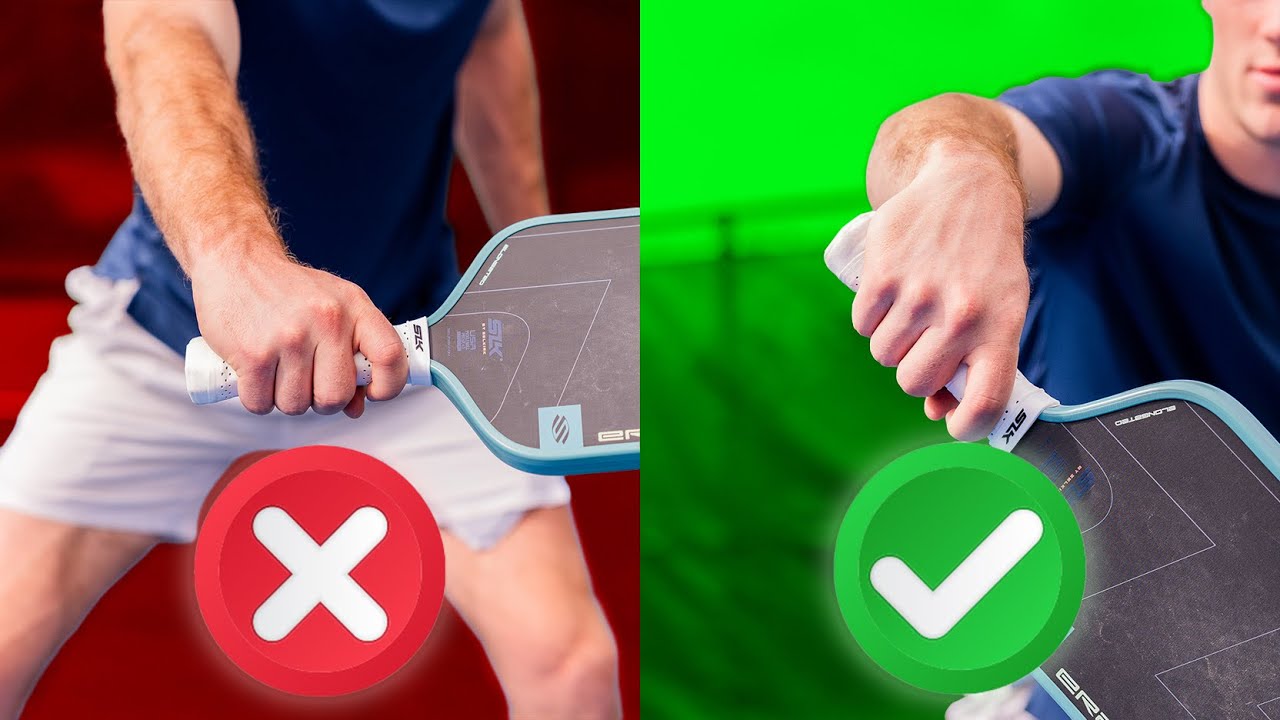
Positioning: The Secret Ingredient Most Players Miss
Here's where the backhand roll separates good players from great ones. Positioning is everything. Oncins plays with Dylan Frazier on the PPA Tour, and they've developed a system where positioning dictates shot selection.
When Frazier is thinking aggressively on the right side and leaning out wide, Oncins doesn't stay in the middle. He positions himself to anticipate where the dink will come from. If the ball pops up over there, he's already in position to take one step and attack. From that spot, he has better angle options. He can go crosscourt, down the line, or even middle.
"Get your body in front of the ball," Oncins said. This sounds simple, but it's the foundation of effective backhand roll execution. If the ball is over there and you're standing here, you're already late. You need to be in front of it, leaning in, ready to attack.
The positioning principle applies whether the ball is wide or middle. Stay in front of the ball. Lean in. From that athletic position, you have maximum options and maximum control.
 The Dink Media Team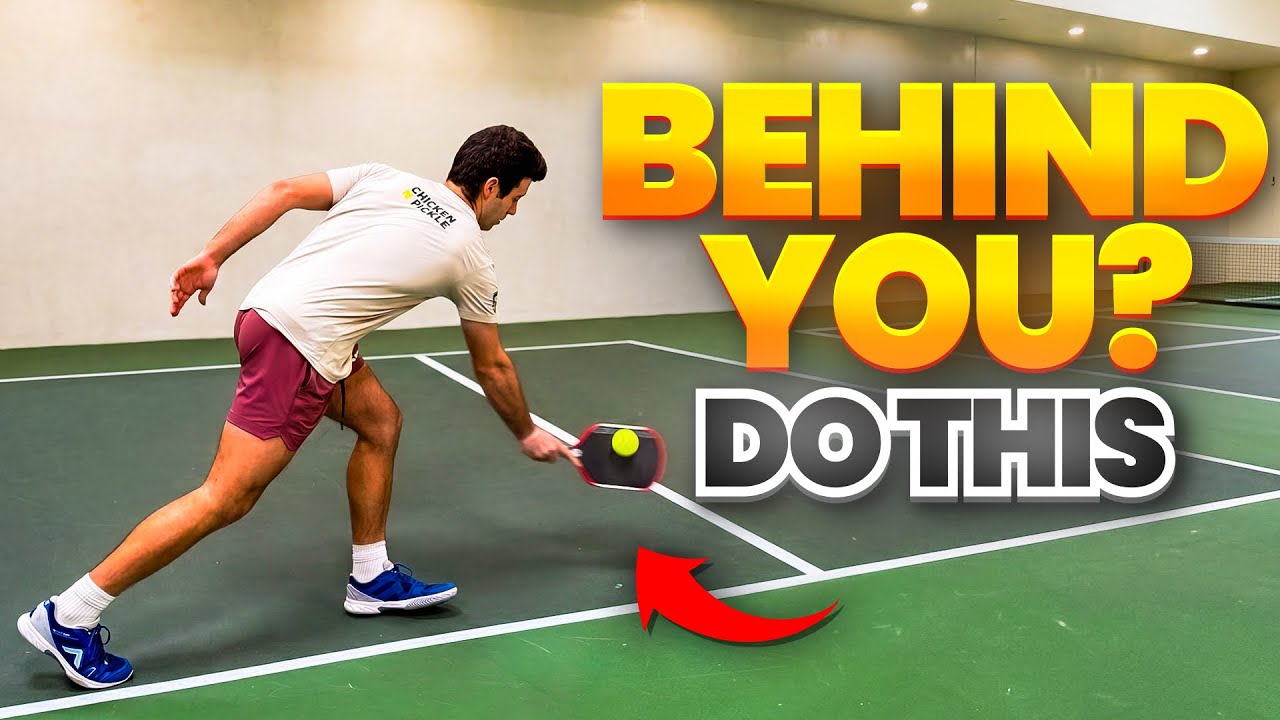
What's the Difference Between a Backhand Roll and a Flick?
This is a question that comes up constantly, and Oncins cleared it up immediately. The main difference is the wrist.
A flick requires a wrist snap. A backhand roll does not. You might have a tiny bit of wrist break at the very end, but it's minimal. The power and control come from the brush motion and the elbow extension, not from snapping your wrist.
Why does this matter?
- Because the flick is a higher-risk, higher-reward shot.
- It's more aggressive.
- The backhand roll is more controlled and more consistent.
- If you're trying to place the ball in a specific spot, the backhand roll is your shot.
Heads up: hundreds of thousands of pickleballers read our free newsletter. Subscribe here for cutting edge strategy, insider news, pro analysis, the latest product innovations and more.
The Deceptive Variation: The Roll Dink
Oncins shared one more wrinkle that makes the backhand roll even more dangerous: the roll dink. This is a softer version of the backhand roll that you use when the ball is higher and you want to place it behind your opponent.
The mechanics are the same, but the intent is different. Instead of attacking aggressively, you're using the same form to hit a softer, more deceptive shot. "Sometimes guys like to slide middle hard," Oncins said. "So that shot is very effective when you're playing against me, especially because I'll be covering middle and then they go just right behind me."
The roll dink requires a higher ball and a lighter touch. You're hitting the outside part of the ball and rolling it across. It looks like the aggressive backhand roll, but it lands softly behind your opponent's coverage. That's deception at its finest.
 The Dink Media Team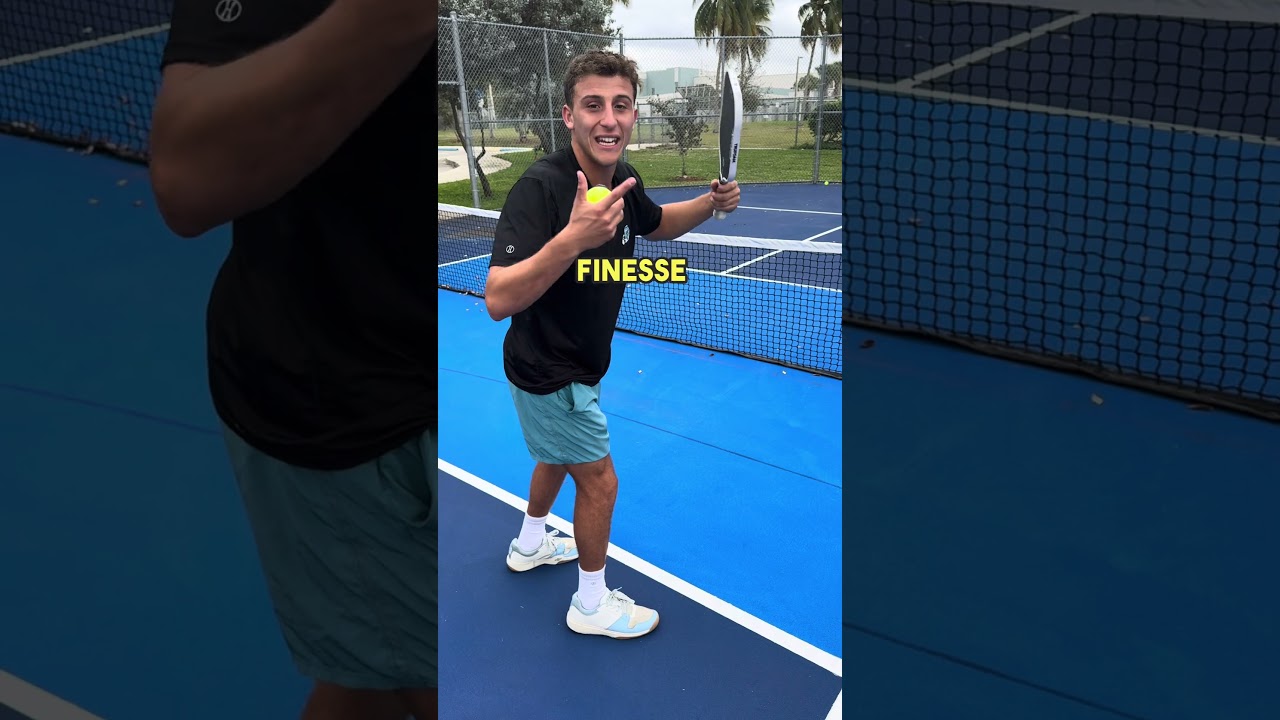
The Grip: Keep It Smooth, Not Tight
One detail that separates amateurs from pros is grip pressure. Oncins emphasized that you don't want to keep your grip super tight.
"You want to be kind of smooth. Let the paddle kind of do the work a little bit."
This applies to both the aggressive backhand roll and the softer roll dink. A tight grip creates tension, which leads to rushed strokes and lower consistency. A smooth, relaxed grip lets the paddle do the work and gives you better feel and control.
 Luke Burton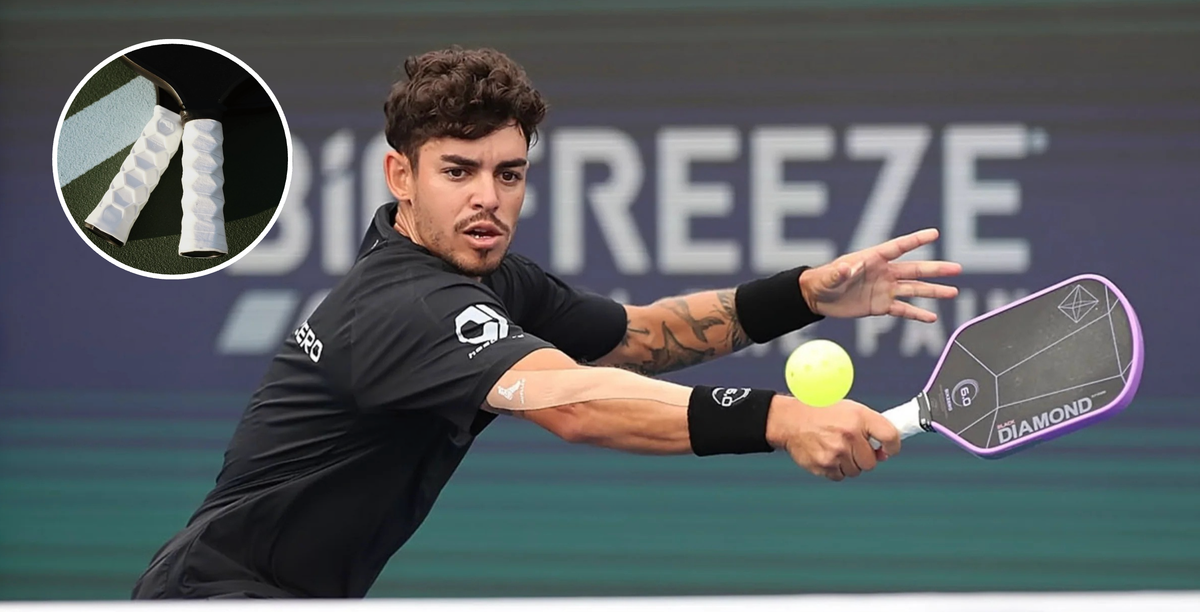
Real-World Application: What Tanner Learned
Tanner, the host of The Dink Pickleball channel, worked with Oncins to practice the backhand roll in real time. The coaching session revealed some common mistakes that most players make.
- First, positioning. Tanner was standing too far away from the ball. Oncins corrected him: "You should be hitting it almost on your left hip. Not really wide." The reason is simple. If you're hitting from too far out, and your opponent counters, you're going to be late on it.
- Second, paddle angle. Tanner's paddle was too vertical. Oncins adjusted it to be more sideways. This small change made a huge difference in control and consistency.
- Third, follow-through. Tanner was stopping his stroke too abruptly. Oncins told him to exaggerate the follow-through and stay with the shot. "You're kind of stopping the stroke. It's like a lower percentage shot because you're rushing through it," Oncins explained.
"The roll is not a power shot. It's a placement shot. You don't want to be quick with it."
These small adjustments transformed Tanner's execution. By the end of the session, he was hitting the backhand roll with much better control and consistency.
 The Dink Media Team
Why Eric Oncins Is the Right Teacher for This
Oncins isn't just talking about the backhand roll in theory. He's ranked 11th on the PPA Tour and has won Most Improved Player of the Year on the entire PPA Tour. He's using this shot at the highest level of competition, against the best players in the world. When he breaks down the mechanics and positioning, he's sharing knowledge that's battle-tested at the elite level.
The fact that he's willing to share these details publicly is rare. Most top players keep their secrets close. Oncins is giving away the blueprint for one of his signature weapons, which speaks to his confidence in his game and his willingness to help the pickleball community improve.
Frequently Asked Questions
What's the difference between a backhand roll and a backhand flick?
The main difference is the wrist. A backhand roll uses a smooth brush motion without breaking the wrist, while a flick requires a wrist snap. The roll is a placement shot designed for control, while the flick is more aggressive and higher-risk.
When should I use the backhand roll instead of other backhand shots?
Use the backhand roll when you get a pop-up at the kitchen line and want to attack with placement and deception. It's especially effective when you want to hit multiple angles from the same position without telegraphing where the ball is going.
Do I need to be a left-side player to use the backhand roll effectively?
No. While Eric Oncins emphasized that left-side players benefit from the versatility of the backhand roll, the mechanics and principles apply to all players. Right-side players can use it too, though the angles and positioning will be different.
How do I practice the backhand roll if I don't have a partner?
Start by having someone feed you pop-ups at the kitchen line. Focus on the paddle position, the brush motion, and the follow-through. Once you have the mechanics down, practice with a partner in live play and work on reading the ball and positioning yourself correctly.
Is the backhand roll a beginner-friendly shot?
The backhand roll has a moderate learning curve. Beginners can learn the basic mechanics, but mastering the positioning, timing, and deceptive variations takes practice. Start with the fundamentals and build from there.
About Eric Oncins
Eric Oncins is a professional pickleball player ranked 11th on the PPA Tour for men's doubles and mixed doubles. He's known for his aggressive kitchen line play and has won Most Improved Player of the Year on the PPA Tour. You can follow him on Instagram at @ericoncins.
Love Pickleball? Join 100k+ readers for free weekly tips, news & gear deals.
Subscribe to The DinkGet 15% off pickleball gear at Midwest Racquet Sports