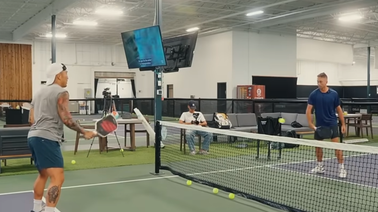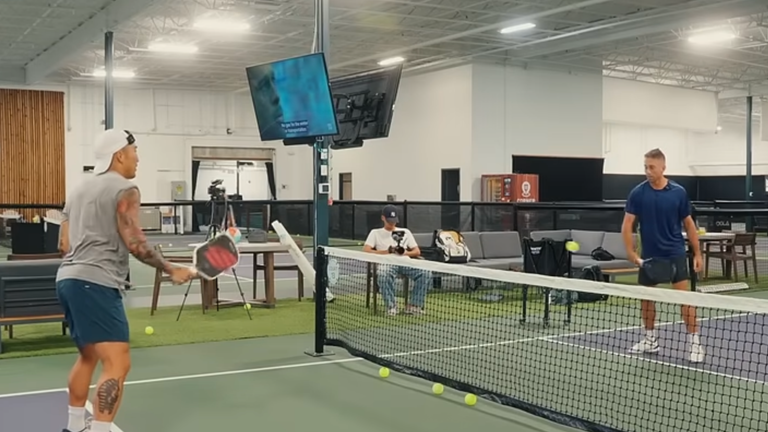

Next time you see an opponent cheating toward the middle, don't panic – you've got more options than you think
Getting poached is one of the most frustrating experiences on the pickleball court, especially when you feel like your opponents are reading your every move.
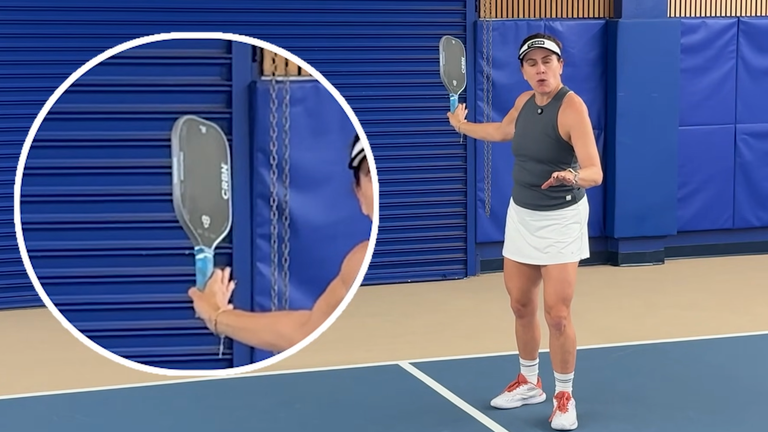
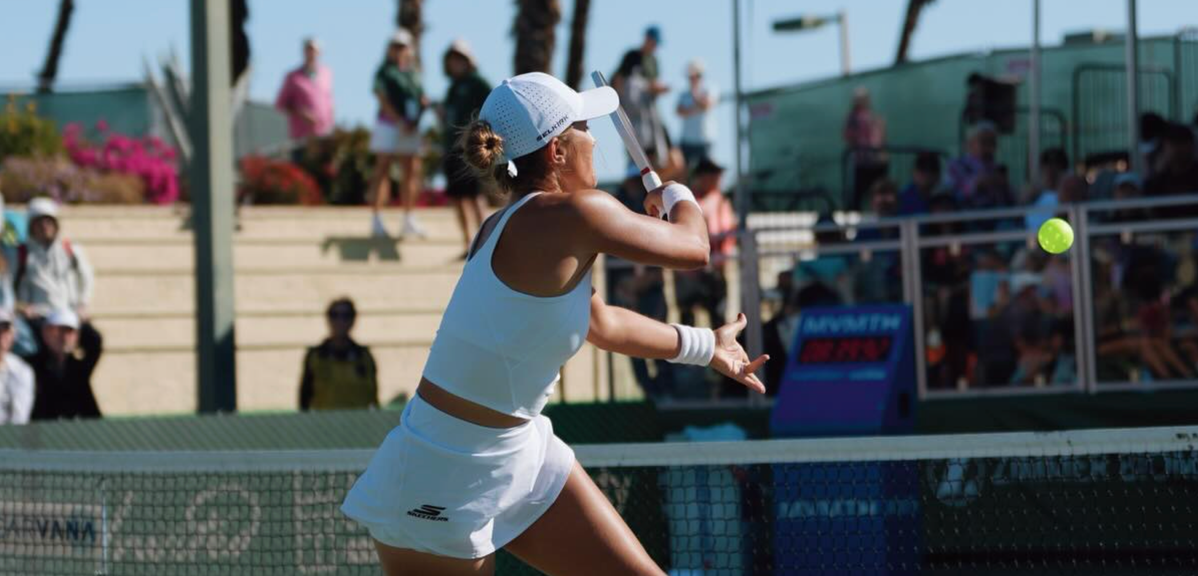
Thankfully, Catherine Parenteau recently shared some high-level insights on Selkirk TV to help you turn the tables and keep those aggressive net players honest.
Love pickleball? Then you'll love our email newsletter. We send the latest news, tips, and highlights for free each week.
Stop the Bleeding
Poaching happens when an opponent starts "cheating" toward the middle, anticipating your next shot. Parenteau notes that once you recognize this trend, you have several tactical options to shut it down.
It starts with awareness. If you notice a player consistently moving early, they are leaving a gap somewhere else on the court.
Go Where They Aren't
The most obvious counter is to hit behind the poacher. If they are leaning hard into the middle, the space they just vacated is wide open for a down-the-line shot.
It is a tough shot to pull off consistently, but even attempting it once or twice makes the poacher think twice about leaving their post. You want to keep them guessing so they can't commit to the middle so early.
 The Dink Media Team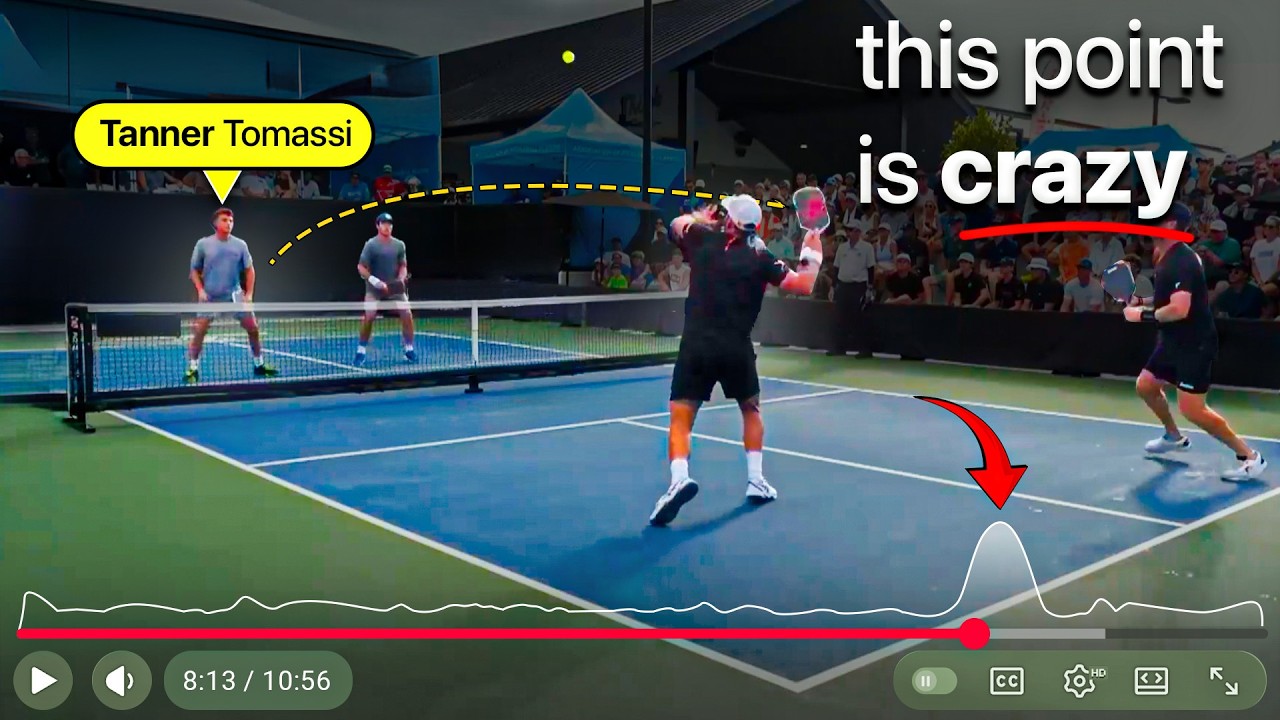
The Skillful Escape
If you have the touch, a well-placed lob over the poacher's head can completely reset the point. This forces them to retreat and gives your team a chance to take the offensive.
Alternatively, you can try a soft reset or dink straight ahead into the corner. This forces the poacher to stop their momentum and deal with a ball that isn't in their preferred strike zone.


Choose Your Poison
In pro mixed doubles, players often deal with a partner who is longer and faster at the kitchen line. Parenteau explains that sometimes the best strategy is simply to return the ball directly to the aggressive player.
- Returning to the poacher prevents them from being "big" off their partner's ball
- It neutralizes their ability to move laterally because they have to focus on their own contact
- It forces the aggressive player to stay home rather than hunting for a poaching opportunity
By hitting to the person who wants to poach, you take away their greatest weapon: their movement. It simplifies the game and keeps the pressure off your partner.
 The Dink Media Team
Aim for the Body
When someone like Anna Leigh Waters is poaching, they are often looking to swing freely through the ball. They want that extension to create power and angles.
By aiming for the poacher's body, you "jam" them and take away their reach. A ball into the chest or hip is much harder to handle than one they can reach out and crush.
It might feel a bit aggressive, but the body is a big target and a highly effective way to stop a poacher in their tracks. If they can't get a clean swing, their poach will likely be weak or end up in the net.
Next time you see an opponent cheating toward the middle, don't panic. Use these strategies to reclaim the court and make them pay for their aggression.
Whether you go behind them or right at them, the goal is to make them stay in their lane. Once they stop poaching, you can get back to playing your game on your terms.
Heads up: hundreds of thousands of pickleballers read our free newsletter. Subscribe here for cutting edge strategy, insider news, pro analysis, the latest product innovations and more.

Love Pickleball? Join 100k+ readers for free weekly tips, news & gear deals.
Subscribe to The DinkGet 15% off pickleball gear at Midwest Racquet Sports