
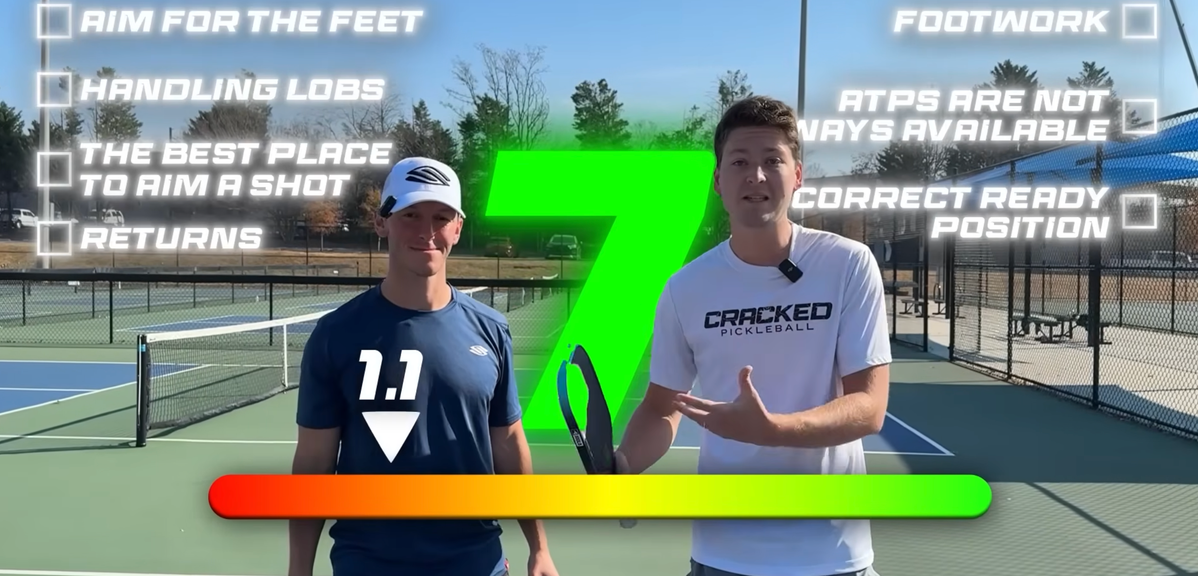
Here's a little knowledge nugget: just because you know how to hit an ATP doesn't mean you should go for one every wide dink you get
You know that feeling when you're stuck at a certain level and can't seem to break through? Yeah, we've all been there.
The truth is, sometimes it's not about advanced strategy; the truth lies somewhere in knowing the right fundamentals that separate the 3.5s from the 5.0s. Every effective pickleball tip you learn and apply consistently moves you closer to that next level.
That's exactly what the team at Cracked Pickleball figured out after more than a decade on the court. In a recent video, they broke down seven game-changing tips they wish they'd known earlier in their pickleball journey.
Love pickleball? Then you'll love our email newsletter. We send the latest news, tips, and highlights for free each week.
Pickleball Tip #1: Aim for Your Opponent's Feet (Not the Net)
Here's the thing about pickleball: most players overthink their shot placement. You're either hitting too hard and sending the ball sailing over the net, or you're hitting too soft and watching it drop into the net. It's this constant battle between power and control that drives people crazy.
Instead, try this simple mental shift: stop thinking about where you want the ball to go and start thinking about where you want your opponent to be.
Specifically, aim for their feet.
This pickleball tip works in different situations.
During dinking rallies, hitting at your opponent's feet forces them into a decision. They either take the ball out of the air or step back and let it bounce. Either way, they're uncomfortable. The team calls this the "pressurized zone" because it puts real pressure on your opponent while taking all the guesswork out of your own shot selection.
The same principle applies to drop shots from the baseline and rolls at the kitchen line. When you're rolling the ball to a defender at midcourt, landing it near their feet makes them reach down and move awkwardly. Most players aren't low enough anyway, so you're basically punishing their laziness.
Pickleball Tip #2: The Lob Defense Rule That Changes Everything
Getting lobbed is part of pickleball. It happens. But here's where most teams mess up: they argue about who should go back and retrieve it.
Cracked Pickleball has a simple rule that eliminates all that confusion. The player opposite the ball should be the one who goes back. Not the player the ball is coming toward. The opposite player.
Why? Because the player opposite the ball can see it the entire way through.
- They can track it
- Visualize where it's going
- Move with natural momentum
The player the ball is coming toward has to turn their back to the ball and run, which means they lose sight of it in space. That's a recipe for a weak return or a miss entirely.
But here's the bonus part: once your partner goes back to retrieve the lob, you don't just stand there. You actively move to the opposite side of the court to cover as much ground as possible. You're preparing for an overhead or a smash because, let's be honest, you're probably not hitting a perfect shot off that lob return.
 Alex E. Weaver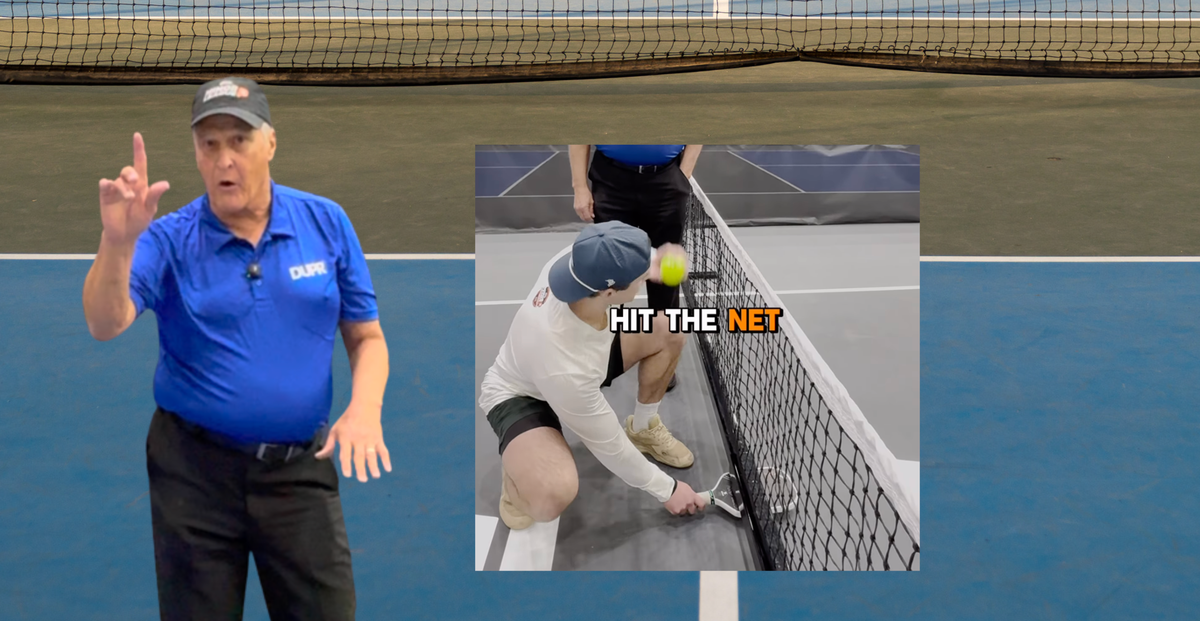
Pickleball Tip #3: Always Aim for the Middle (Seriously, Always)
The net is lower in the middle than on the sides. That's just geometry. But more importantly, when your opponent gets a ball in the middle of the court, their attacking angles shrink dramatically.
Think about it.
If you're pulled wide and you hit a shot to the sideline, your opponent can attack crosscourt or down the line with plenty of room. But if you hit that same shot to the middle, they've got way fewer options. Plus, you get time to reset and get back into position.
If you don't see a clear opening or a specific reason to go somewhere else, hit it to the middle.
It's not flashy, but it works.


Pickleball Tip #4: Focus on Making Your Return First, Everything Else Second
Here's a controversial take: you're probably rushing your return of serve. You're so focused on getting to the kitchen line that you're hitting a mediocre return just to move forward.
The Most Overlooked Pickleball Tip in Your Return Game
The problem is that serves and returns lose more points in pickleball than any other shots. So if you're going to focus on one thing, make it this:
- Hit a solid return first
- Get to the kitchen line second
The Cracked Pickleball team recommends standing back off the baseline to give yourself more time. When better serves come your way (and they will as you improve), you'll already be prepared. Plus, if the serve is short, you can use your forward momentum to get up to the kitchen line anyway.
And when you do hit that return, aim deep and toward the middle. It creates confusion between your opponents about who should take the ball, and it gives you the biggest margin for error on the court. This single pickleball tip alone can shift the momentum of an entire match.
 The Dink Media Team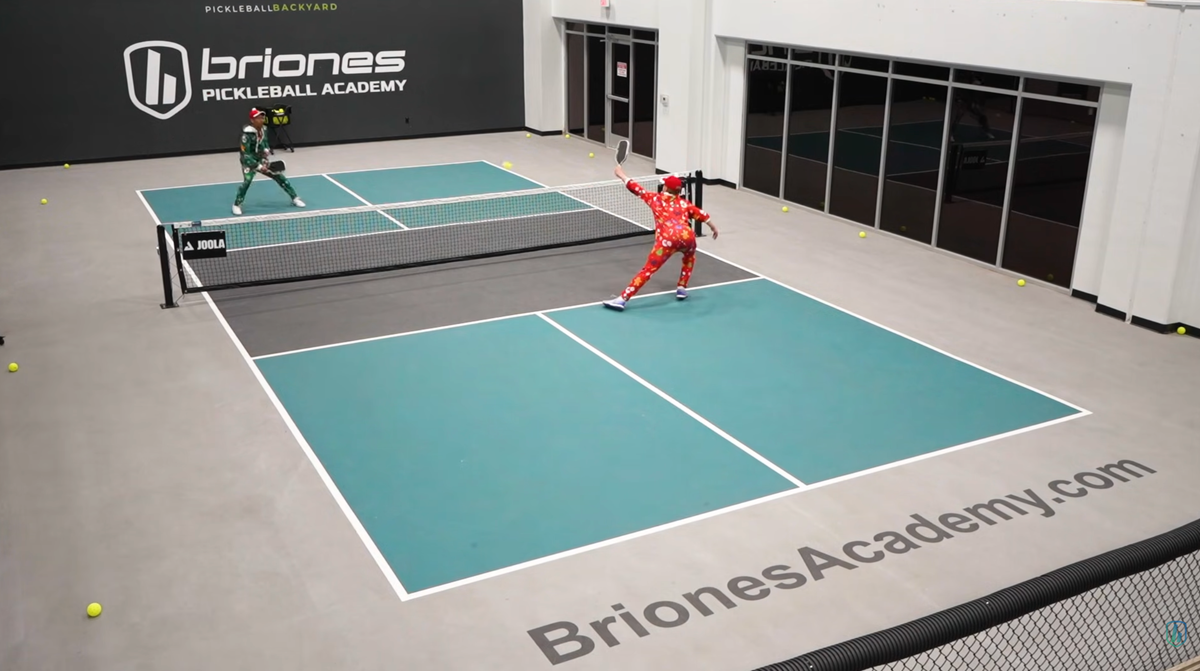
Pickleball Tip #5: Master the Split Step and Stay Balanced
Moving forward to the kitchen line is a marathon, not a sprint. But most players sprint up there, and then they can't control their shots because they've got too much momentum.
The solution is the split step, a tennis concept that translates perfectly to pickleball. Right before your opponent hits the ball, you want your feet spread out in an athletic position with your knees bent. This lets you move in any direction without wasting time.
The Timing Pickleball Tip Every Intermediate Player Gets Wrong
The key is timing. You need to start your split step before your opponent makes contact, not after. That gives you time to get into position and be ready to move.
Once you're at the kitchen line, stay balanced when you move laterally. Take your outside foot toward you first to stay centered, then step out.
Watch any pro player and you'll see this difference immediately. Amateurs move one way, then gather. Pros stay balanced the entire time.
Heads up: hundreds of thousands of pickleballers read our free newsletter. Subscribe here for cutting edge strategy, insider news, pro analysis, the latest product innovations and more.
Pickleball Tip #6: Not Every Wide Dink Is an Around-the-Post Opportunity
Around-the-post shots (ATPs) are flashy and fun. They're also really easy to miss if you're going for them at the wrong time.
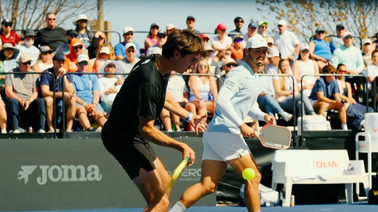
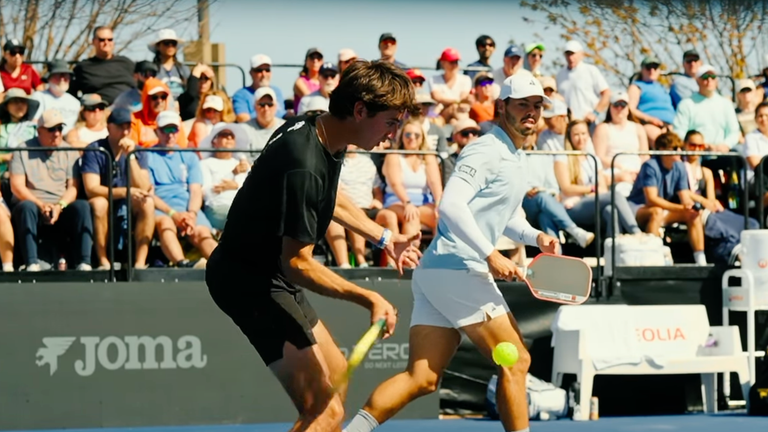
Here's a little knowledge nugget: just because you know how to hit an ATP doesn't mean you should go for one every wide dink you get. Most intermediate players miss way more ATPs than they complete, which is a problem.
Look for three specific things before you commit to an ATP.
First, the ball needs to be shallow in the kitchen, not deep. When the ball lands deep, your angle shrinks substantially. Second, you want topspin. Flat balls don't bounce out as wide after they hit the ground. Third, the dink needs to be out wide. Never try an ATP on a middle dink (duh).
When all three conditions are met, go for it. When they're not, hit it back to the middle and reset the point. As Sports Illustrated's breakdown of common pickleball strategy mistakes confirms, overcommitting to flashy shots is one of the most consistent errors players make at every level. You'll win way more points being selective about your ATPs than trying to hit them constantly.
 The Dink Media Team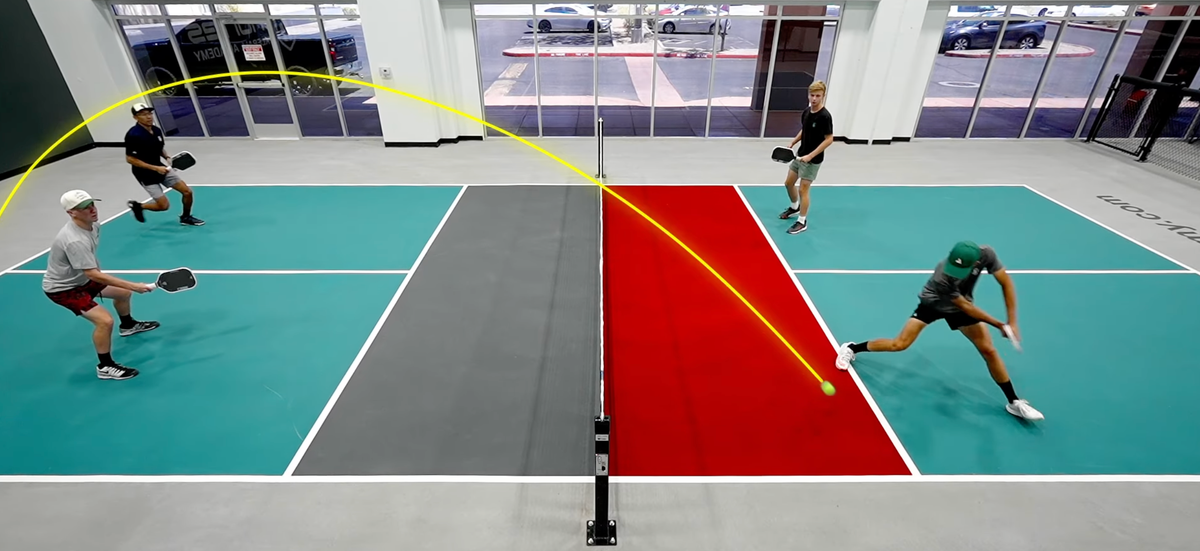
Pickleball Tip #7: Keep Your Paddle in Front of You
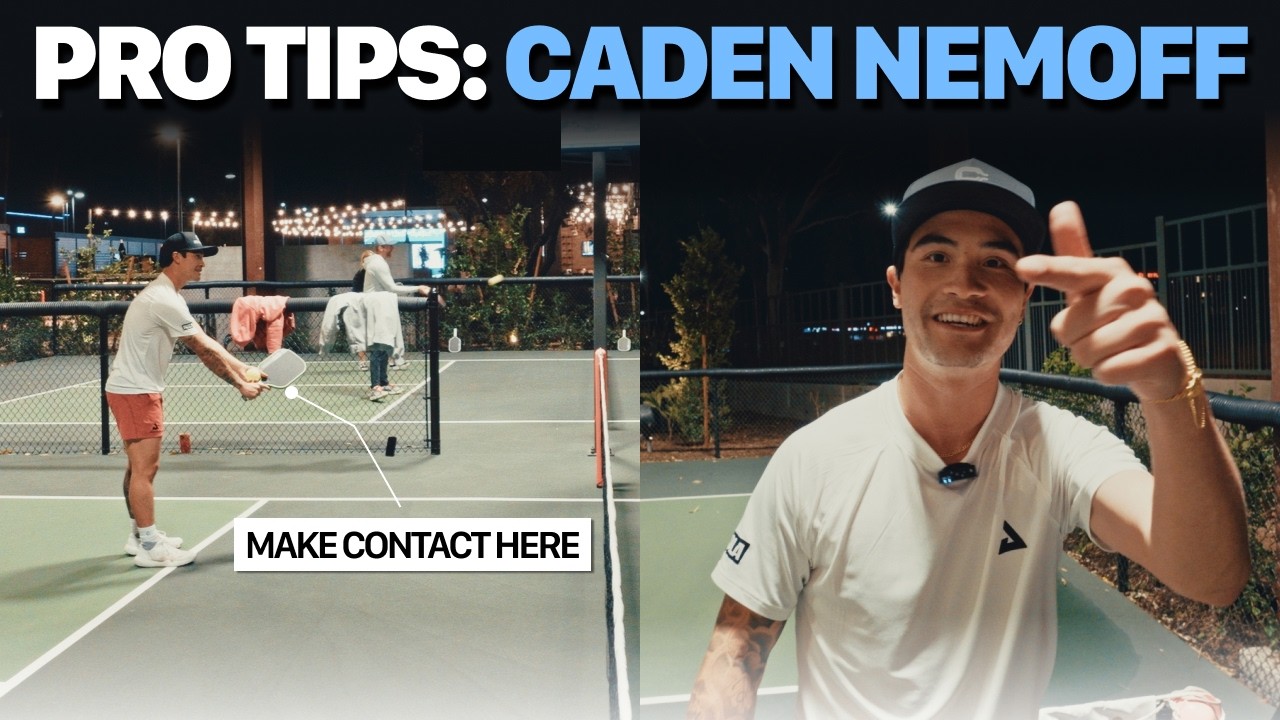
This is simple but effective. When your paddle is in front of you, you can see both the ball and your paddle at the same time. You make better contact. You also prevent yourself from taking big strokes, which means you can react faster to what comes back.
Keeping your paddle up also keeps you engaged in the rally. It's easy to get lazy during dinking exchanges, but having your paddle out in front makes your whole body more aware of what's happening.
Plus, it takes time away from your opponent. If they hit a ball to you and your paddle is already up front, you can take it in front instead of having to step back. That means they have less time to react to your shot.
The Bigger Picture
These tips are so effective because they're about knowing when to be aggressive and when to reset. They're about positioning and anticipation. Playing smarter, not flashier.
The bottom line? You don't need to reinvent your game to get better. Sometimes you just need to know what the pros already figured out. Each pickleball tip covered here targets a fundamental habit that separates recreational players from serious competitors.
As Sports Illustrated's landmark deep dive into pickleball observed, the gap between casual and competitive play often comes down to a handful of repeated pickleball strategy decisions rather than raw athletic ability. Fixing those decisions is exactly what these seven tips are designed to do.
Frequently Asked Questions
What is the single most important pickleball tip for beginners?
The most impactful pickleball tip for beginners is to aim at your opponent's feet rather than at the net. This simple mental shift removes decision fatigue on your end and forces your opponent into awkward low positions, creating pressure without requiring any advanced shots.
How do I stop making unforced errors on my return of serve?
Step back from the baseline to give yourself more reaction time and focus on landing the ball deep toward the middle before worrying about rushing to the kitchen line. This pickleball tip is often the fastest way to reduce early-point errors and put your team in a more comfortable rallying position.
When should I attempt an around-the-post shot?
You should only go for an ATP when three specific conditions are all present at once: the ball lands shallow in the kitchen, it carries topspin so it bounces wide off the ground, and the dink is clearly out wide rather than central. If even one of those conditions is missing, reset to the middle and wait for a better opportunity.
What is the split step and why does this pickleball technique matter?
The split step is a small readiness hop you perform just before your opponent makes contact, landing with your feet wide and knees bent so you can explode in any direction. This pickleball technique, borrowed from tennis, eliminates the flat-footed hesitation that costs recreational players a critical fraction of a second on every shot.
How can I sharpen my pickleball strategy at the kitchen line?
Keep your paddle up and out in front of you at all times during kitchen line exchanges. This single pickleball strategy change improves contact quality, shortens your reaction time, and keeps you mentally locked into the rally rather than passively waiting for the ball to come to you.
 Alina Leontarakis

Love Pickleball? Join 100k+ readers for free weekly tips, news & gear deals.
Subscribe to The DinkGet 15% off pickleball gear at Midwest Racquet Sports