None of these shortcuts are revolutionary on their own. But stacked together, they create an entirely different player.
Pickleball's rapid rise has created a hunger for rapid improvement. Everyone wants to climb the ranks faster, and they're looking for shortcuts to do it. Honestly, that's understandable.
But what separates players who plateau from those who keep improving? Often it's not flashy technique or expensive gear. It's the small, deliberate adjustments that compound over time.
Tanner Tomassi recently shared seven shortcuts designed to accelerate your path to 5.0 level play, and they're worth your attention whether you're grinding at 3.5 or already competing at 4.5. Every pickleball shortcut on this list is free, requires no extra equipment, and can be put to work in your very next session.
Love pickleball? Then you'll love our free newsletter. We send the latest news, tips, and highlights for free each week.
Your Ready Position Is Everything: The Pickleball Shortcut Most Players Ignore
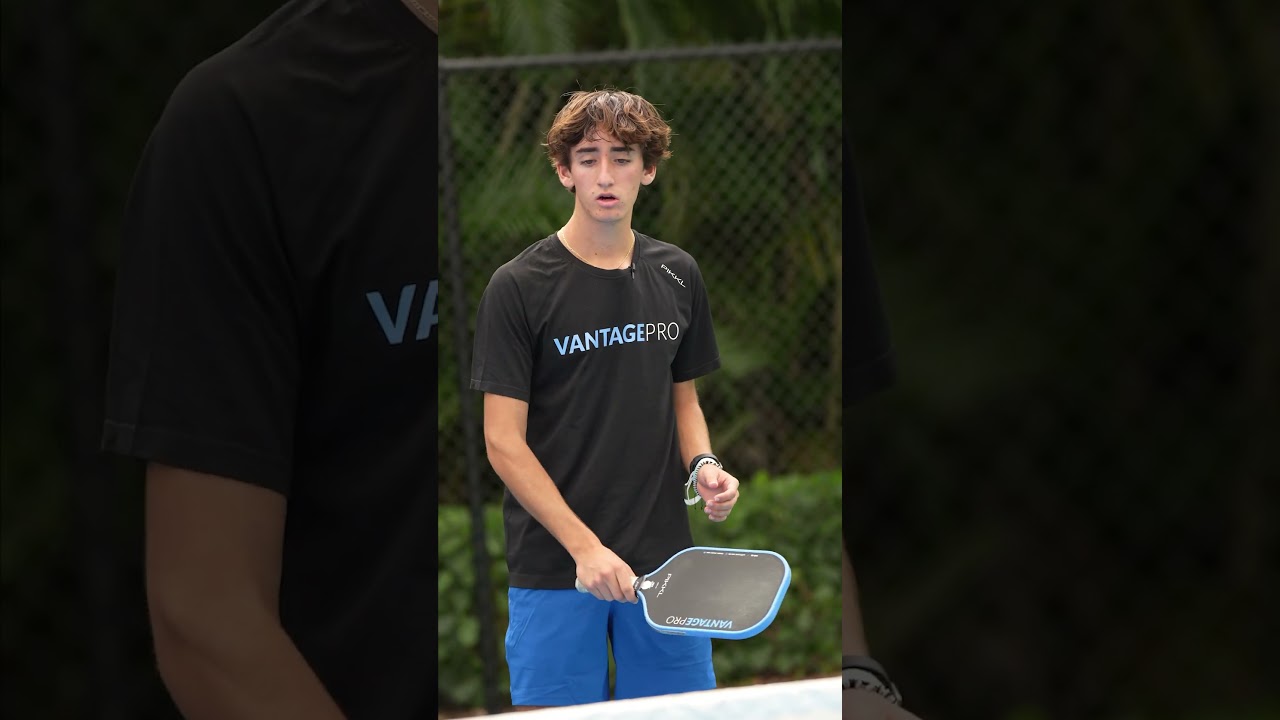
Most players don't think much about where their paddle sits when they're waiting at the kitchen line. Tanner breaks down why that's a mistake. Your paddle should hover around belly button height when you're up front, ready to react to attacks coming at you.
But here's the secret sauce: as you back up toward the middle of the court, your paddle gradually lowers. By the time you're in the middle, it should be much lower than when you're at the net. This ready position adjustment makes you a smaller target and lets you react faster without having to jump down to defend.
Footwork, Footwork, Footwork
Bad footwork is the silent killer of consistency. If you're hitting balls into the net or missing easy shots, nine times out of ten it's lazy feet, not a broken swing.
The fix is simple but requires discipline: get your body behind the ball and stay active with your feet. Improving your footwork is a pickleball improvement tip that pays compound dividends in every single rally.
When you do this, you're not just more stable, you're also adding deception because your opponent can't read where you're going with the shot.
Why Active Feet Are the Pickleball Shortcut to Consistent Shotmaking
This isn't just a beginner's lesson. Even elite players revisit their footwork as the most reliable pickleball shortcut available.
Your feet are your foundation. Get them right and every other part of your game starts to sharpen on its own.
 The Dink Media Team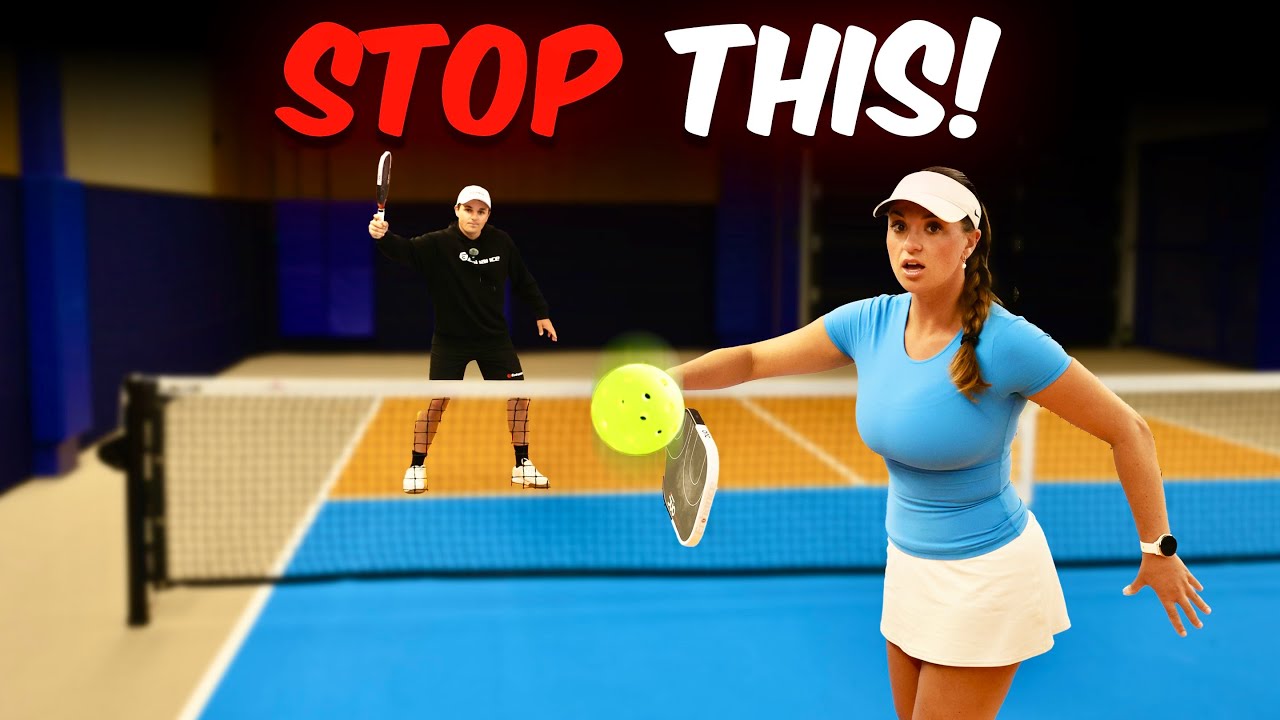
The Deceptive Speed Up Nobody's Using Yet
Tanner claims this is the most deceptive speed up he's ever seen, and he's not exaggerating. When you get a dead middle ball during a dink rally, angle your paddle face sideways and punch side spin instead of a straight attack.
Your opponent won't know where the ball is going because your paddle face isn't pointing at the target. It's a setup move that creates confusion and opens the door for clean winners through the middle on the next shot.
Subtract, Don't Add: The Pickleball Shortcut Hiding in Your Bad Habits
This one's a mental shift. Instead of adding more drills, more gym sessions, or more practice hours to your routine, focus on removing negatives from your game.
Pick two bad habits and eliminate them. Stop rolling your eyes when your partner misses. Cut out those early speed ups that don't work. Be a positive partner.
These subtractions compound faster than you'd think, and they cost you nothing but intention.
 The Dink Media Team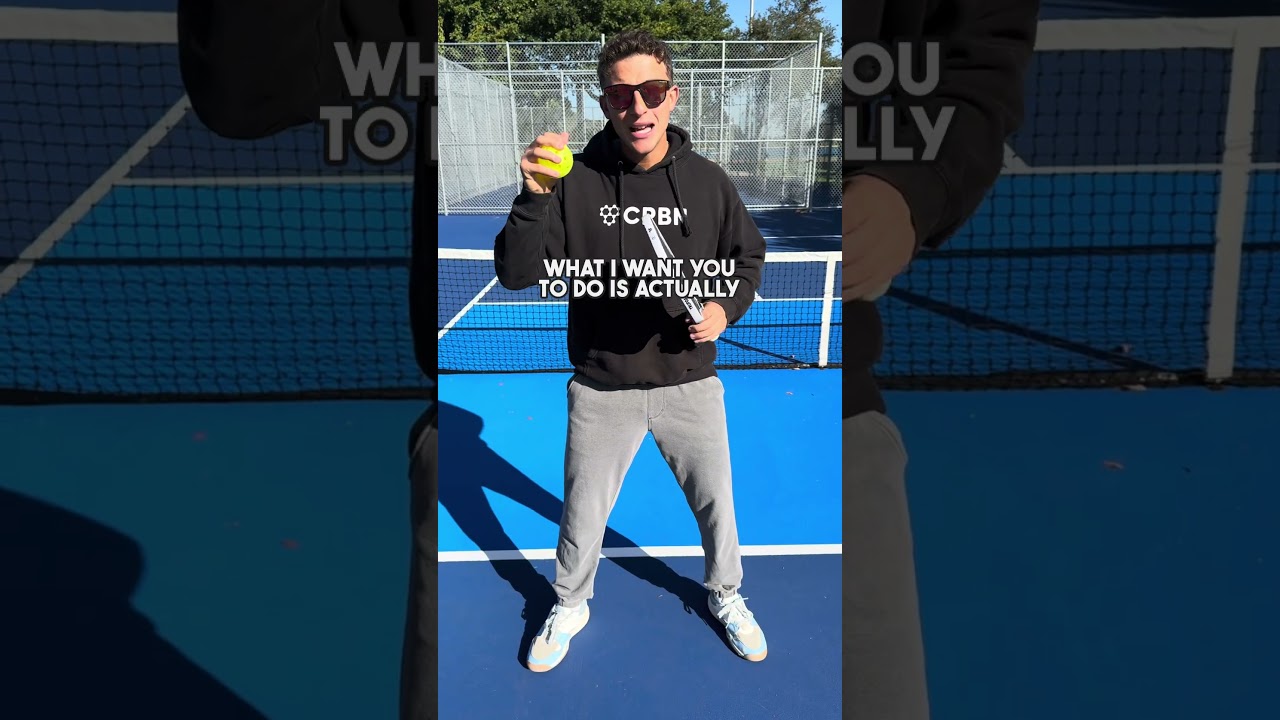
Run Around Your Dinks
When you have time on the ball during a dink rally, don't just stand there. Run around and find your forehand. This simple move does two things at once.
First, it lets you be deceptive because your opponent can't tell what's coming when your body is sideways.
Second, it sets up the triangle theory, which means you can speed up in one direction and know exactly where the next ball is coming back. Your opponent is caught off guard while you're already positioned for the attack.
Triangle Theory Is a Pickleball Shortcut Built for Smart Players
The triangle theory is one of the most powerful positioning tools in advanced pickleball. Understanding it means you're not reacting to the game. You're ahead of it.
Once you own this concept, running around your dinks stops feeling risky and starts feeling like 5.0 level play.
Master the Middle Court Reset
Struggling with consistency in the middle of the court? The reset is your foundation, and most players get it wrong.
When you're hitting resets in the middle, use a backhand between your legs. Keep your paddle sideways, not vertical. This lets your whole body absorb the ball instead of just your wrist.
Treat it like a baseball catcher absorbing a 100 mph fastball, not like you're hitting it. Keep your grip loose. Let the ball die on your paddle and float back over the net low and soft.
The Grip Pressure Pickleball Shortcut: Let the Ball Come to You
Loose grip pressure is one of those pickleball improvement tips that sounds too simple but delivers outsized results. Most players grip too tightly under pressure, which kills feel and ends rallies prematurely.
Soften your hand, and the ball will do the work. That's 5.0 level play in its simplest form.
Heads up: hundreds of thousands of pickleballers read our free newsletter. Subscribe here for cutting edge strategy, insider news, pro analysis, the latest product innovations and more.
Think Two Steps Ahead
The gap between a 4.0 and a 5.0 often comes down to anticipation. A 4.0 player is thinking "hit ball, put it over the net." A pro is thinking two shots ahead.
When you hit an aggressive dink, lean in immediately because you know your opponent might pop it up. When you work the ball crosscourt, target the inside foot because that's the most vulnerable spot. This forward thinking gives you fast hands and positioning that looks like magic but is really just preparation.
Inside Gabe Tardio's Pickleball Bag: Lots of Paddles, Not Much Else Top PPA pro Gabe Tardio recently opened up his Facolos gear bag, and it reveals a lot about his play style, and maybe even his psyche.
 The Dink Media Team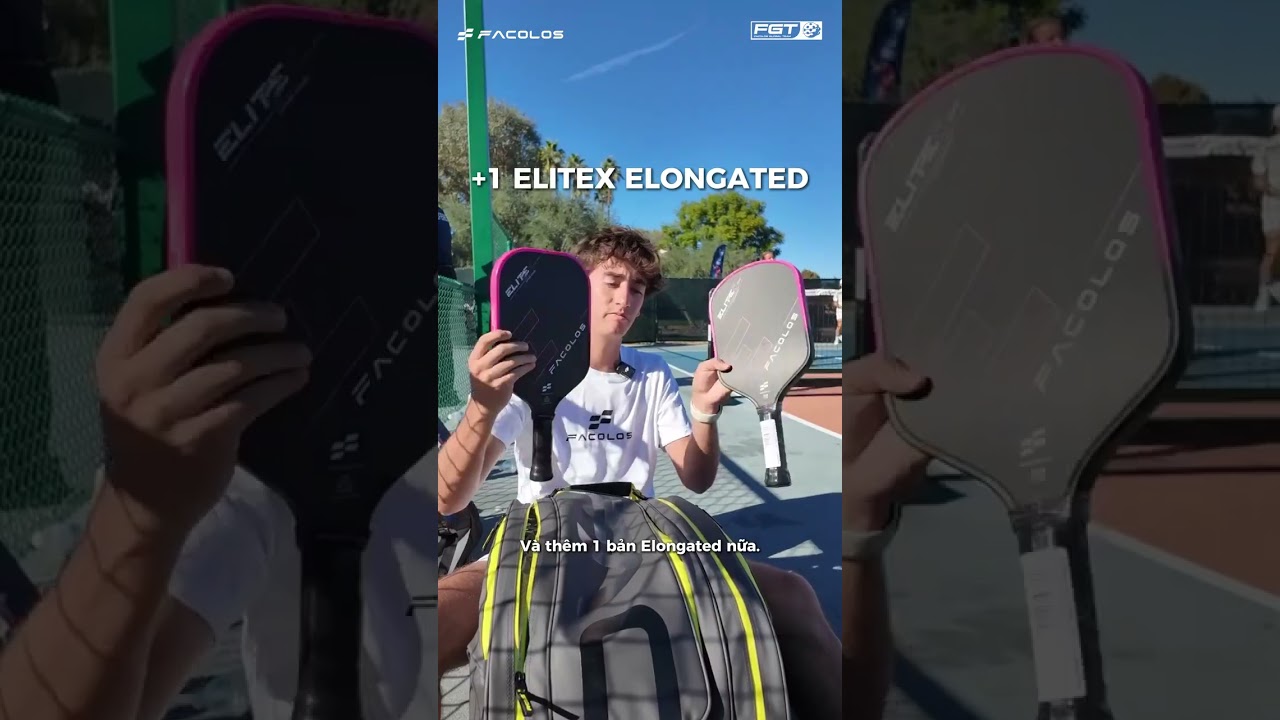
The Compound Effect
None of these shortcuts are revolutionary on their own. But stacked together, they create a different player. Better positioning, cleaner footwork, smarter shot selection, and mental discipline all working in concert.
The players climbing fastest aren't necessarily the ones with the best genetics or the most court time. They're the ones making small, intentional adjustments and repeating them until they become automatic.
This is what separates advanced pickleball from recreational play, and this is the true power of every pickleball shortcut in this list. That's how you get to 5.0.
Frequently Asked Questions
What is the single most effective pickleball shortcut for intermediate players?
The most effective pickleball shortcut for intermediate players is correcting the ready position. Adjusting your paddle height based on court position immediately reduces errors and improves reaction time without requiring any extra practice sessions.
How long does it take to reach 5.0 in pickleball?
There is no universal timeline for reaching 5.0 level play, as progress depends heavily on athletic background, practice frequency, and quality of competition. Players who apply focused pickleball improvement tips consistently tend to advance significantly faster than those who simply log more hours.
Why is the middle court reset so important in advanced pickleball?
The reset is underrated because most players prioritize attacking over surviving. In advanced pickleball, the ability to neutralize pressure and return to a soft game often determines who controls the rally. Mastering this skill removes a critical weakness that opponents at every level will target.
Can I improve without adding more drills or gym time?
Yes, and that is exactly what the "Subtract, Don't Add" pickleball shortcut is built around. Eliminating two bad habits, such as premature speed ups and negative body language toward your partner, can produce faster gains than most training regimens. Improvement comes just as often from removing what hurts you as from adding what helps.
What separates a 4.0 player from a 5.0 player in pickleball?
The biggest gap between a 4.0 and a 5.0 player is anticipation and forward thinking. A 4.0 reacts to what just happened; a 5.0 prepares for what is coming two shots from now. Developing this awareness, combined with consistent footwork and a reliable reset, is how 5.0 level play becomes attainable for any serious competitor.

Love Pickleball? Join 100k+ readers for free weekly tips, news & gear deals.
Subscribe to The DinkGet 15% off pickleball gear at Midwest Racquet Sports