
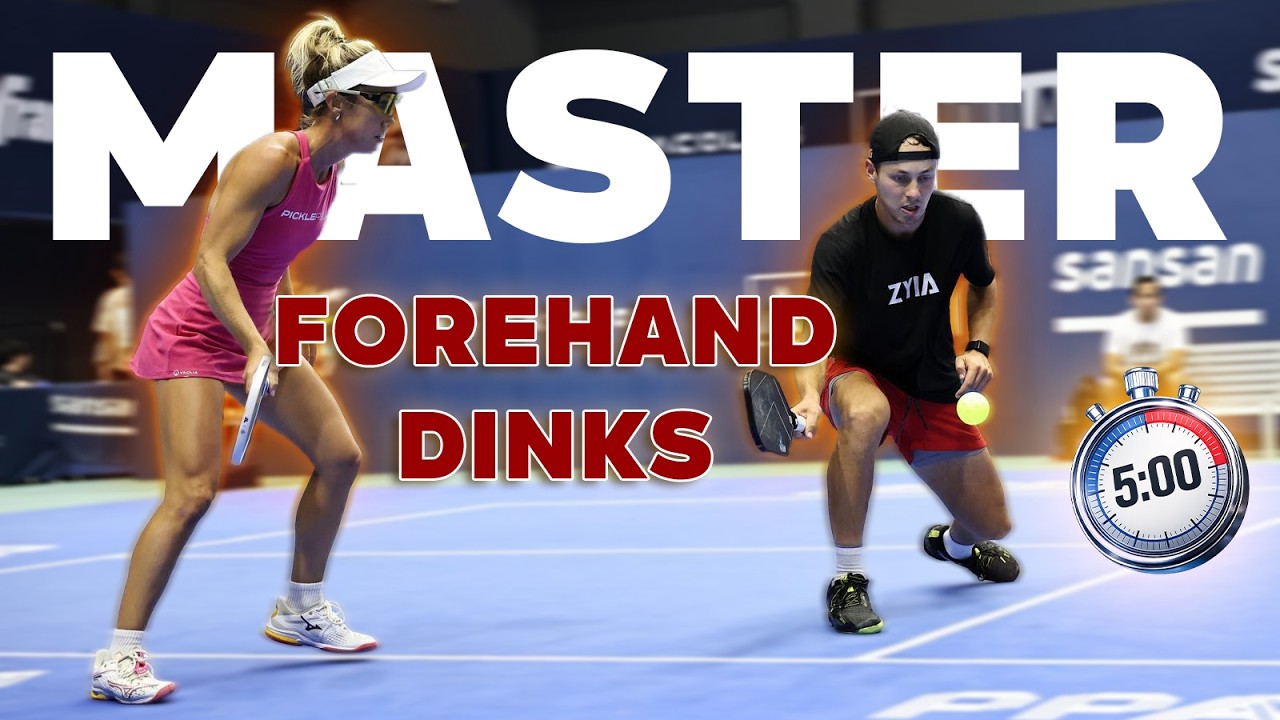
Your Forehand Dink Needs Work: Here's a 5-Minute Fix from a Pickleball Pro
Sometimes the biggest pickleball improvements come from small, focused adjustments rather than a complete overhaul
Connor Garnett's latest pickleball lesson proves that sometimes the best fixes happen in the smallest timeframe.
In a recent video, the pro instructor works with Will, a professional baseball player and shoe company owner, to diagnose and correct his forehand dink in under five minutes.
The result? A dramatic improvement that shows how targeted coaching can transform a fundamental stroke.
Love pickleball? Then you'll love our free newsletter. We send the latest news, tips, and highlights for free each week.
The Problem: Hesitation and Inconsistency
Will's forehand dink struggles are relatable to many intermediate players.
- He felt hesitant on the forehand side, especially when hitting crosscourt.
- His shots either sailed too high or lacked consistency, and he wasn't sure whether to slice, topspin, or just keep the ball in play.
The real issue? He was muscling the shot instead of controlling it, which meant his timing was off and his repeatability was low. Even when a shot landed in a decent spot, it was easily attackable.
The Prescription: Three Key Adjustments
Garnett breaks down the fix into three actionable components:
- Shorten the swing. Will was taking a massive backswing, which made timing difficult. The fix is a small, compact motion that focuses on feeling the ball rather than powering through it.
- Slow down the swing speed. A fast swing can be dangerous when timed perfectly, but it leads to mistiming and pop-ups more often than not. Reducing swing speed gives better control and consistency.
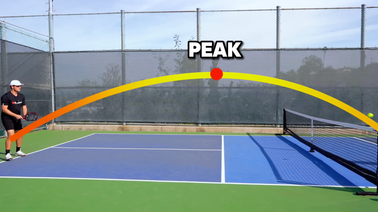
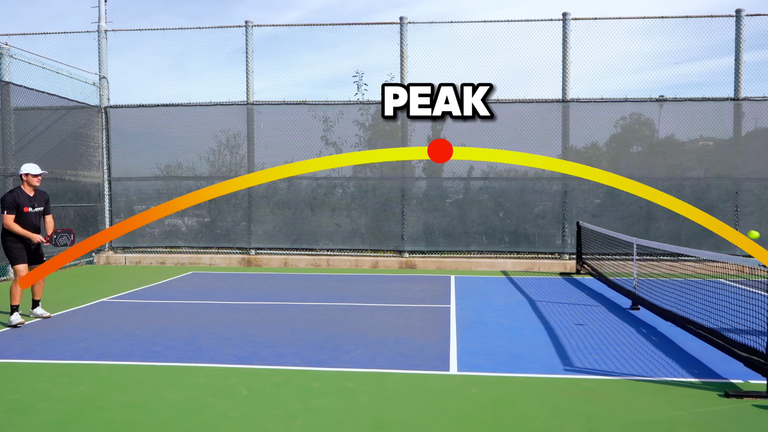
- Let the ball drop onto the paddle. Instead of meeting the ball at its peak, wait for it to rise, peak, and slightly drop before making contact. This extra half-second of control is the difference between a reliable dink and a liability.
 The Dink Media Team
The Technique: Palm Lift and Pronation
The actual mechanics involve a subtle but powerful shift. Rather than pushing through the ball, Garnett cues Will to use a "slow lift" with a palm-up motion that creates pronation. This means the paddle rotates from open to closed, with the palm leading the way. It's a small adjustment that eliminates the back-court misses and creates a more consistent contact point.
The coaching cues are simple: "Turn the doorknob," "simplify," and "feel it in your core." These aren't complicated technical terms. They're the kind of language that sticks with players during matches when they need a quick mental reset.
The Results: Confidence in Minutes
By the end of the drill, Will's forehand dink looks noticeably cleaner. His shots are lower, more controlled, and less attackable. More importantly, he feels the difference. He knows what he needs to do now, and it's just a matter of drilling the movement until it becomes automatic.
This lesson from Garnett's channel highlights a key principle in pickleball coaching: sometimes the biggest improvements come from small, focused adjustments rather than a complete overhaul. Will didn't need to learn a new stroke. He needed to refine the one he had by removing unnecessary movement and trusting the mechanics.

Love Pickleball? Join 100k+ readers for free weekly tips, news & gear deals.
Subscribe to The DinkGet 15% off pickleball gear at Midwest Racquet Sports