

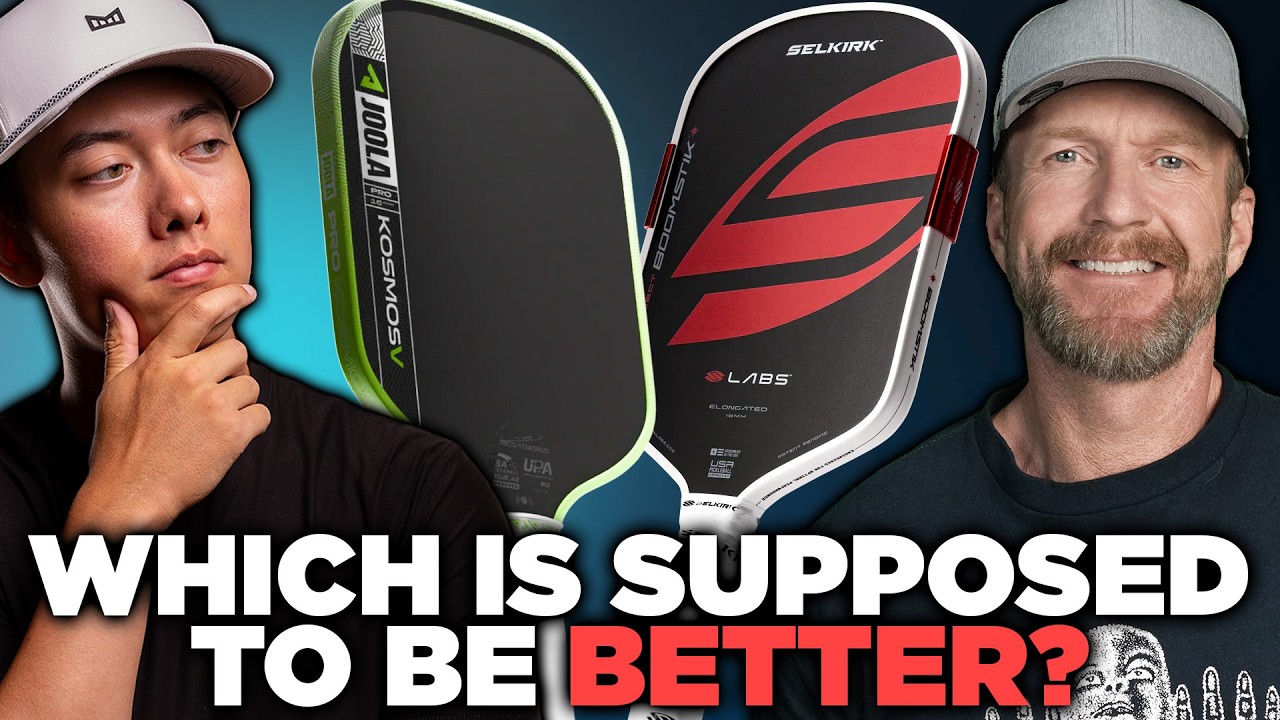
What's the Difference Between Gen 3 and Gen 4 Pickleball Paddles?
Both materials have their place in the market, and both can be excellent paddles depending on what you're looking for.
The pickleball paddle market has exploded over the last few years, and with it comes a question that comes up over and over again: is Gen 3 polymer really dead, or does it still have a place alongside the newer Gen 4 foam paddles? And what's the difference between the two, anyway?
According to a recent discussion on the Pickleball Studio channel featuring John Kew and Chris Olson, the answer is more nuanced than the hype train suggests.
Love pickleball? Then you'll love our free newsletter. We send the latest news, tips, and highlights for free each week.
The Difference, Made Simple
When full-foam paddles (classified at Gen 4) first hit the market, everyone got excited. A new material meant innovation, and innovation meant better paddles, right? Not necessarily.
The problem is that some of that excitement got misinterpreted by consumers as "foam is just better than Gen 3."
But according to Olson, Gen 3 remains one of the premier technologies in the sport, sitting right alongside Gen 4 foam paddles in terms of overall quality.
The real difference comes down to feel and what you prioritize in your game.
In a nutshell:
- Gen 3 = polypropylene core with foam enhancements
- Gen 4 = full-foam core
There are many variations within each group, but that's the simplest explanation.
Foam's Advantages (And They're Real)
Foam paddles do have some legitimate perks.
- The fully thermoformed full foam paddles on the market today can have better sweet spots than anything else available. That's not hype; that's measurable performance.
- Plus, there's the durability angle. Gen 4 paddles don't core-crush like Gen 3 paddles do, leading to more longevity and performance over time.
- And Gen 4 paddles have long since proven they can deliver just as much pop and power as their polymer counterparts.
There's also the manufacturing side. Factories have figured out why some early foam paddles were disbonding (it had to do with epoxy gassing when it touched the foam), and they've been making improvements.
Disbonding issues are becoming less common, which means foam paddles are getting more reliable.
 Alex E. Weaver
Why Gen 3 Isn't Going Anywhere
Here's the thing: the Gen 3 honeycomb polypropylene core is familiar. Players have been using it for years, they know how it feels, and there's real value in that consistency.
Changing equipment is hard, especially when what you've got works. Gen 3 paddles still deliver solid performance, and for many players, that's enough. Olson makes it clear they'd never tell someone they're crazy for sticking with a Gen 3 paddle.
The durability question is also worth considering. While foam paddles have higher potential and a higher ceiling, Gen 3 has a proven performance track record. For some players, that's a trade-off they're willing to make.
 Alex E. Weaver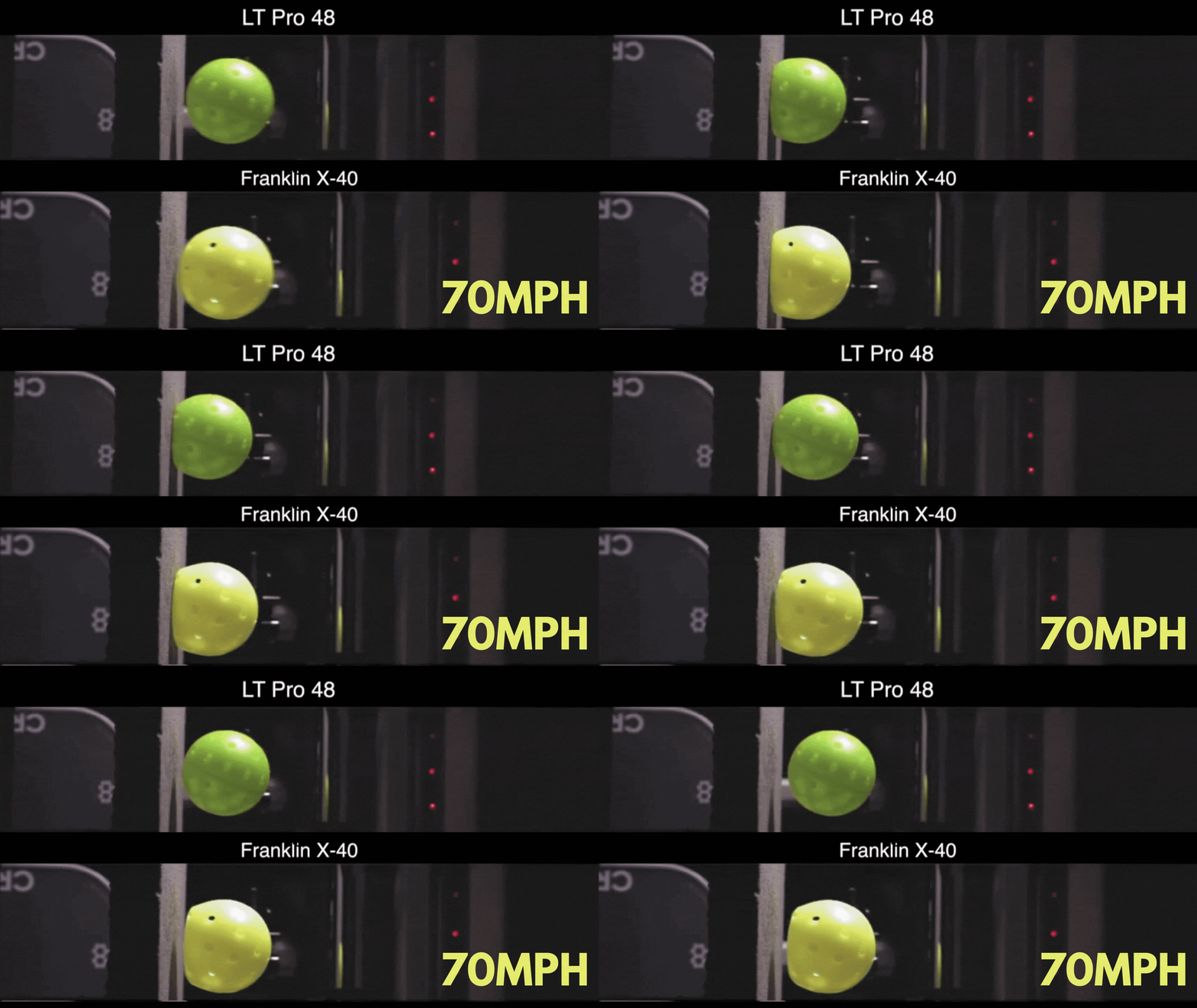
The Real Takeaway
This isn't a "foam wins, polymer loses" situation.
Both materials have their place in the market, and both can be excellent paddles depending on what you're looking for.
The pickleball paddle market is big enough for both. And honestly, that's good news for players who just want to find the right paddle for their game, not chase whatever's trending on social media.
Heads up: hundreds of thousands of pickleballers read our free newsletter. Subscribe here for cutting edge strategy, insider news, pro analysis, the latest product innovations and more.
Love Pickleball? Join 100k+ readers for free weekly tips, news & gear deals.
Subscribe to The DinkGet 15% off pickleball gear at Midwest Racquet Sports