
The 3 Putaway Shots You Need To Stop Losing Easy Pickleball Points
Whether you're struggling with overheads, high forehands, or swinging volleys, understanding the mechanics behind each shot can transform how you attack the ball
Missing easy putaways in pickleball? Although you might think it is, power probably isn't your problem.
According to Jordan Briones, the real culprit is usually mechanics and decision-making. In a recent breakdown, Briones walks through three essential putaway shots that'll help you finish points cleanly and gain power without swinging harder.
Love pickleball? Then you'll love our free newsletter. We send the latest news, tips, and highlights for free each week.
What Is a Putaway Shot in Pickleball?
A putaway shot in pickleball is an offensive shot hit with the clear intention of ending the point. It typically occurs when a player receives a high, attackable ball—often a pop-up, weak dink, or short return—and responds with a firm, controlled strike directed away from opponents so they cannot return it.
Unlike a speed-up used to start a hands battle, a putaway is executed when the opportunity to finish the rally is already there. Players usually aim the ball at open court space, sharp angles, or an opponent’s feet or body to limit reaction time and make the return nearly impossible. The key is controlled aggression: enough pace to end the point, but with accuracy and balance so the ball stays in.
1. The Overhead Smash: Power Comes From Position, Not Effort
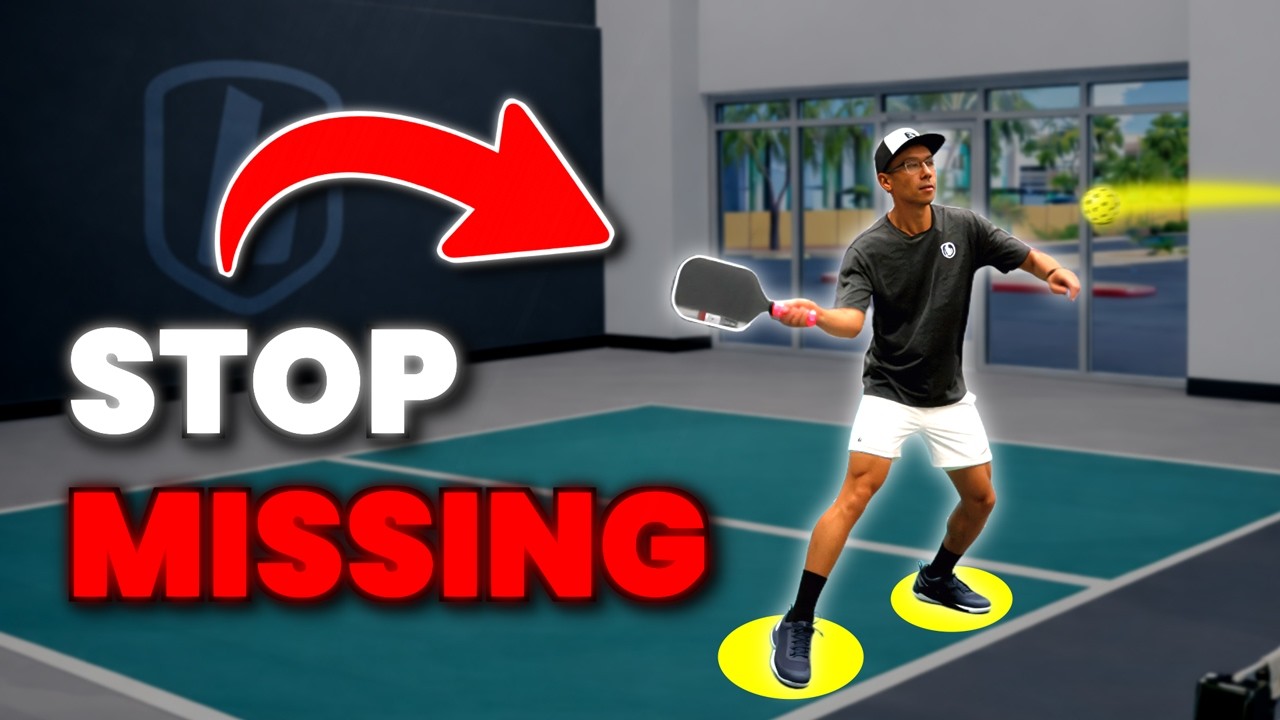
When the ball floats well above your head, the overhead smash is your go-to finishing shot. But here's the thing: most players swing too hard and still miss. Briones emphasizes that power comes from your unit turn and body positioning, not from muscling the ball.
Start with footwork. Get into a closed stance by stepping back or shuffling your feet. This positioning lets you navigate the court and track the ball properly. Once you're set, both hands should go up as you prepare, which helps with balance and tracking.
For the grip, use a continental grip. This gives you easy power when you come through the shot. The swing path itself mirrors a throwing motion: start high, rotate your shoulders and hips, and finish low below your opposite hip. Briones demonstrates hitting with only about 50% effort and still generating significant pace, all because the mechanics are clean and his wrist stays loose.
 The Dink Media Team
2. Two Overhead Mistakes That Kill Your Putaway
The first mistake is not creating enough space. You need the ball positioned in front of you and slightly to your right (opposite for lefties). If the ball's directly over your head or to your left, you'll struggle to generate that downward swing path.
The second mistake is reaching too far in front or hitting with a closed paddle face. Both lead to errors into the net. Give yourself room to swing and let the ball come to you at the right contact point.
3. The High Forehand Volley: Loose Wrist, Efficient Power
When the ball sits at shoulder or head height, you can't take an overhead. Instead, you'll use the high forehand volley or slap. This shot requires a different approach: start at the level of the ball and come through with a relaxed motion.
Use a continental or slightly eastern forehand grip. Unlike the overhead, you don't need a full unit turn. Just turn your shoulders slightly and position your paddle back. The key here is wrist looseness. Your wrist should be relaxed and ready to move freely as you come through the ball using your shoulders, core rotation, and chest.
Follow through toward your target, finishing around shoulder height. The power comes from that loose arm and wrist, not from a big swing.
 The Dink Media Team
High Forehand Volley Pitfalls
Players often take this shot too early or swing straight down on the ball. Both mistakes result in weak contact or errors. Another common issue: when the ball pops up straight at your body or face, players freeze instead of moving to their power position.
Your power zone is toward your right shoulder, outside your right hip. If the ball comes at your body, shuffle left to create space. Finally, avoid taking too big a swing. A medium-sized backswing gives you better control and cleaner contact than a full, aggressive swing.
Heads up: hundreds of thousands of pickleballers read our free newsletter. Subscribe here for cutting edge strategy, insider news, pro analysis, the latest product innovations and more.
The Swinging Volley: Low to High Is Everything
The swinging volley is the shot most players struggle with. It's a ball at waist level or slightly lower, above the net. This requires a slightly eastern or eastern grip to keep the paddle face closed and add pop spin for control.
Position the ball toward your right side, not in front of you. Slightly turn your shoulders and let your hips open a bit to start your backswing. Here's the critical part: start at or slightly below the ball's level. Never start higher, or you'll swing down instead of up.
From there, swing to the ball and come up and around your body. You'll see a little unit turn and shoulder rotation, followed by acceleration through your hips, shoulders, and core. Your wrist will lag naturally from that acceleration, but stay loose. Don't flick it. Just let your hand go through the contact zone.
 Alex E. Weaver
Swinging Volley Mistakes to Avoid
The biggest errors on this shot are:
- Not getting to the ball's level or below it before starting your swing.
- Swinging down or slicing instead of swinging low to high.
- Not creating adequate space, which jams you up and kills your power.
Just like the high forehand volley, your power zone is toward your right side, outside your right hip. When the ball comes at your body, slide or shuffle your feet to adjust. Make sure your contact point is toward your right, then finish high and up toward your left shoulder.
 Eric Roddy
The Common Thread: Mechanics Over Muscle
Across all three putaway shots, one theme emerges: good mechanics and loose, relaxed movement generate power far better than swinging hard. Briones shows this repeatedly, hitting with controlled effort and still producing pace that's hard to defend.
The other constant is positioning. Whether it's the overhead, high forehand, or swinging volley, getting the ball to your power zone makes everything easier. Create space, position yourself correctly, and let your body's rotation do the work.
Next time you're on the court and you miss an easy putaway, don't blame your arm. Check your footwork, your positioning, and whether you're staying loose through the shot. Small mechanical adjustments often make the biggest difference.

Love Pickleball? Join 100k+ readers for free weekly tips, news & gear deals.
Subscribe to The DinkGet 15% off pickleball gear at Midwest Racquet Sports