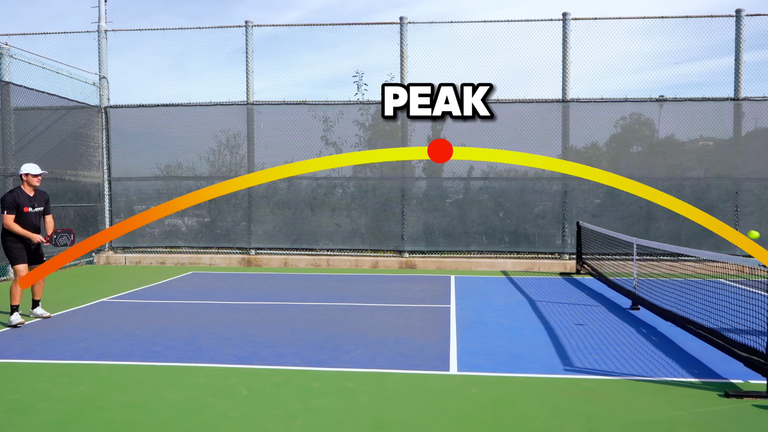


Understanding the Pickleball Plateau and How to Break Through It
You can work hard all day, but without the right guidance to take you from where you are to where you want to be, you'll keep spinning your wheels
You've been playing pickleball consistently. You drill regularly, watch instructional videos, maybe even take lessons. Yet somehow, your game feels stuck. You're not improving the way you used to, and it's frustrating.
If this sounds familiar, you're experiencing what Better Pickleball Coach Tony Roig calls the pickleball plateau, and you're definitely not alone. In a recent coaching lesson, Tony breaks down why players hit this wall and, more importantly, what you can actually do about it.
Love pickleball? Then you'll love our free newsletter. We send the latest news, tips, and highlights for free each week.
Why You're Stuck (And It's Not Just About Practice Time)
Tony identifies two main reasons players plateau.
- The first is straightforward: you're not putting in enough work or time. If you're drilling once a week, improvement takes longer than if you're drilling five times a week. That part's simple math.
- But the second reason is where things get interesting, and it's the one Tony really digs into. It's about guidance. You can work hard all day, but without the right guidance to take you from where you are to where you want to be, you'll keep spinning your wheels. The question becomes: where is your guidance actually coming from?
The YouTube Problem (And It's Not What You Think)
YouTube is everywhere in pickleball. Videos get millions of views. Content creators are pumping out tips constantly. But here's the catch: just because information is available doesn't mean it's right for you.
Tony uses a clever car analogy to explain this. Imagine a video titled "Three Tips to Make Your Car Drive Better." Sounds useful, right? But if you drive a Ford and the video shows an Acura, you'd turn it off immediately. If the video tells you to put something in your engine that makes no sense for how your car works, you'd skip it. And if you don't know what a supercharger is, you'd probably ignore that advice too.
Here's the problem: pickleball doesn't have those natural filters. Tips are presented as if they work for everyone. There's no built-in way to know if a piece of advice is correct, complete, or right for your current level. Without understanding the framework of how pickleball actually works, you're basically gambling that the algorithm feeds you something useful.
 The Dink Media Team
Three Questions to Ask About Any YouTube Tip
- Is the information correct? Most creators try their best, but some information out there is just wrong.
- Is it complete? You might get a snippet about the third shot drop, but without understanding how to use it with movement and positioning, it won't help your game as much as you'd think.
- Is it right for you right now? This is the big one. Even if something is correct and complete, it might not be the next step you actually need.
Without a solid framework of how the game works, you end up taking random tips and hoping they stick. And that's exactly why you plateau.
What About Local Coaches?
Local coaching can work, but Tony suggests asking yourself a few questions before committing. Does your coach actually know pickleball, or are they just bringing frameworks from other sports? Do they have a specific plan for you, or are they just running you through drills? Can they detect and correct your errors, or are they just feeding you generic advice?
A good coach knows the game, has a plan tailored to your progression, and can actually coach. That's the difference between hitting or missing.
Heads up: hundreds of thousands of pickleballers read our free newsletter. Subscribe here for cutting edge strategy, insider news, pro analysis, the latest product innovations and more.
Breaking Through Requires Framework
The real issue is that most pickleball content, whether it's YouTube videos or coaching, doesn't teach framework.
Framework is understanding how the game actually works, not just memorizing tips. It's knowing where the pieces fit and why they matter.
Tony mentions that his coaching focuses heavily on framework because without it, you're essentially a do-it-yourselfer working on an engine you don't understand. You might get lucky and stumble onto something that works, but you'll keep getting stuck because you don't have the bigger picture.
The bottom line: your plateau isn't a dead end. It's a signal that you need better guidance, not just more tips. Figure out where your guidance is coming from, make sure it's actually designed for your level, and focus on understanding the framework of the game rather than collecting random advice.
Love Pickleball? Join 100k+ readers for free weekly tips, news & gear deals.
Subscribe to The DinkGet 15% off pickleball gear at Midwest Racquet Sports