
Two Offensive Lob Strategies Every Senior Pickleball Player Should Know
When you hit an offensive lob, you're not just getting the ball over your opponent's head. You're causing chaos and forcing them into a weak position.
If you've been playing pickleball for a while, you know that the lob can be a game-changer. But here's the thing: most recreational players treat it as a defensive last resort.
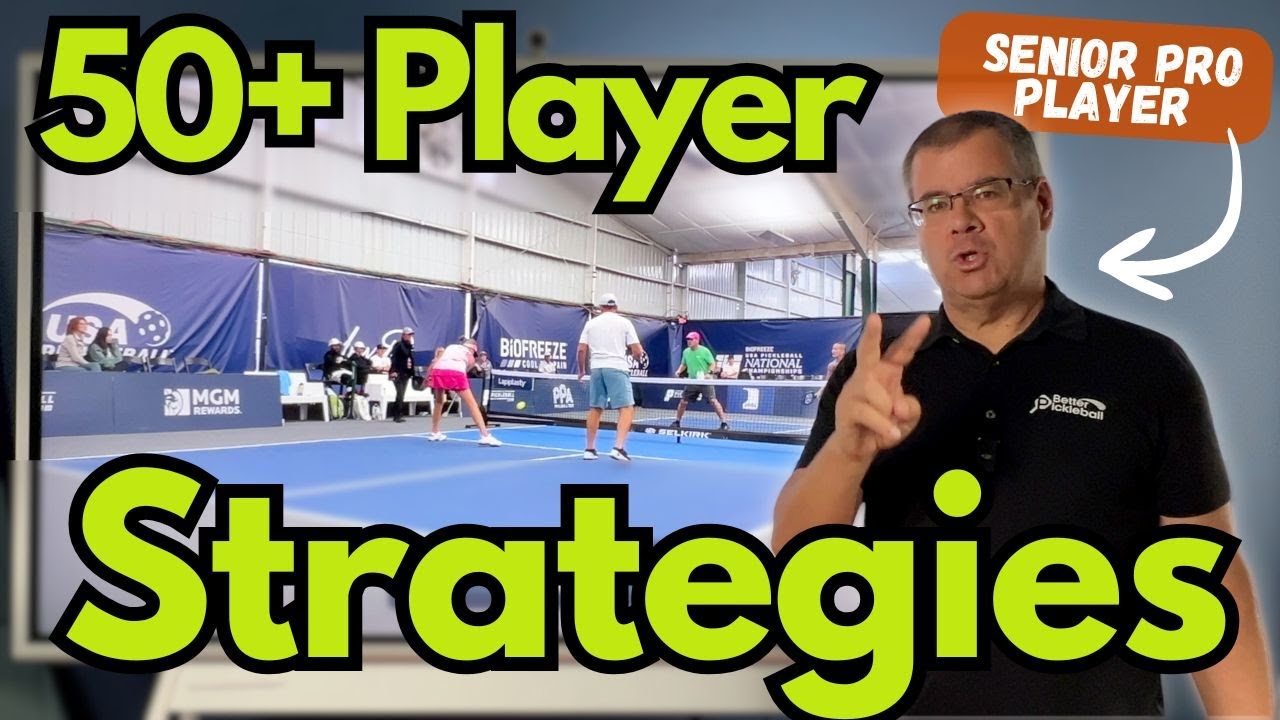
According to Tony Roig, a senior professional player and coach at Better Pickleball Academy, the lob is actually one of your most powerful offensive weapons, especially if you're 50 or older.
In a recent video, Roig breaks down two specific lob strategies that he uses in competitive doubles play to put opponents in tough spots and win points.
Why the Lob Isn't Just a Defensive Shot
Most players think of the lob as something you hit when you're in trouble. You're pushed back, your opponent is at the net, and you need to buy time. That's the defensive lob, and it has its place.
But Roig flips the script. He uses the lob as an offensive tool to create chaos and seize control of the rally. The key difference? Timing and placement.
When you hit an offensive lob, you're not just getting the ball over your opponent's head. You're forcing them into a position where they have to make a difficult decision, recover quickly, or leave their partner exposed.
 The Dink Media Team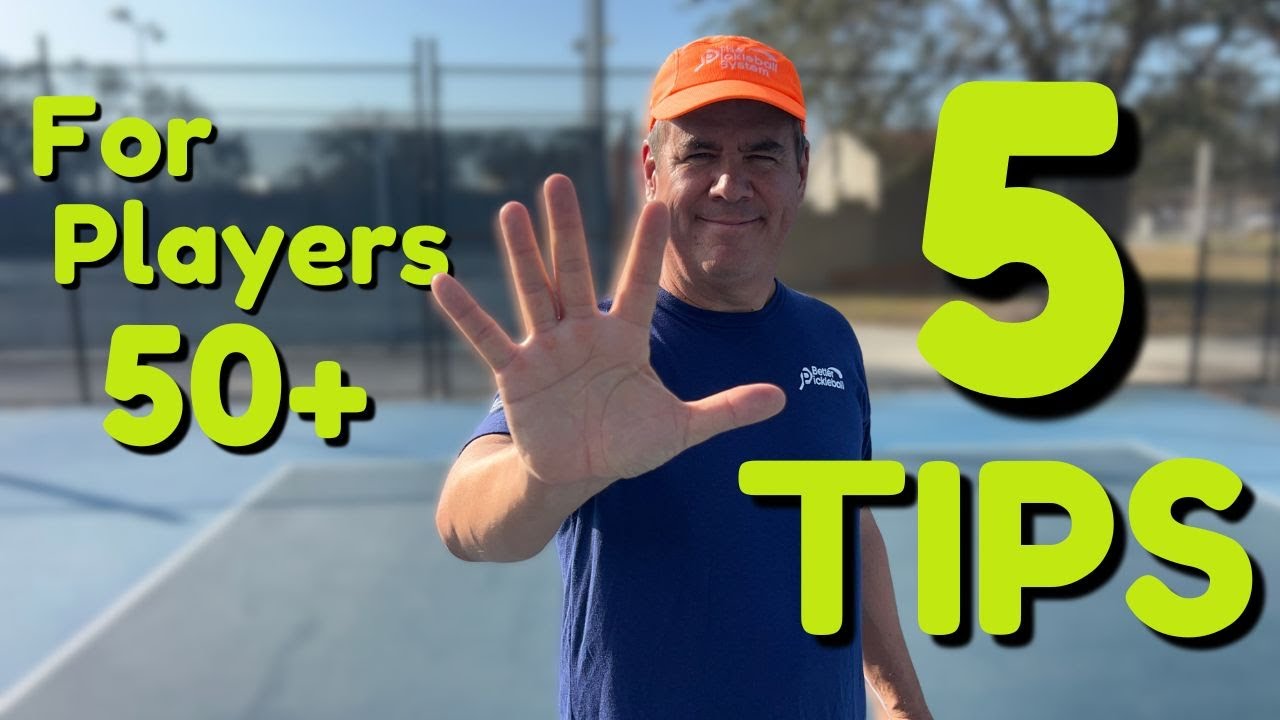
1. The Non-Volley Zone Lob: Kitchen Control
The first strategy Roig demonstrates is the non-volley zone lob, sometimes called the kitchen lob. This shot is hit from near the net and lobs the ball over your opponent's head when they're also at the net.
Here's why it works: when both teams are at the net, you're in a stalemate. Nobody has a clear advantage. A well-placed lob breaks that stalemate instantly.
Roig shows footage from the 2023 Nationals where he and his partner use this exact shot to put their opponents in disarray. One lob creates a 2-on-1 situation where one opponent has to chase the ball while the other stays at the net. That's when you attack.
The placement matters more than the power. You want to lob over the weaker side or the backhand. You also want to consider which opponent is less likely to recover quickly.
 The Dink Media Team
2. The Baseline Lob: When You're Pushed Back
The second strategy is the baseline lob. This one happens when you're pushed back off the court and your opponents are controlling the net.
Instead of hitting a soft, defensive lob, you throw up an offensive lob that forces your opponents to make a tough overhead or retreat. If they retreat, you've regained the advantage. If they try the overhead, they might miss or hit it weakly.
Roig emphasizes that baseline lobbing is controversial in recreational play. Some players look down on it. But in competitive matches, it's a legitimate and effective technique.
The key is understanding when to use it. If you're in a grind and nothing's working, a well-placed baseline lob can flip the momentum in one shot.
What Makes These Shots Work
- They create positional advantage by forcing opponents to move backward or sideways.
- They disrupt the rhythm of a rally and force quick decisions under pressure.
- They work especially well against players who rely on aggressive net play.
- They're less effective if your opponent has a strong overhead, but even then, the timing disruption helps.
The Setup Matters as Much as the Shot
Roig points out something crucial: the lob only works if you've set it up properly. You can't just randomly lob and expect success.
In the footage, you see Roig and his partner grinding through rallies, moving their opponents around, and then hitting the lob at exactly the right moment. The lob isn't the first shot of the attack; it's the shot that capitalizes on the work they've already done.
This is where experience matters. Younger players might hit a lob too early or too late. Senior players who've been around the game understand the rhythm and timing.
Not Every Lob Is a Winner
Roig is honest about this: lobs don't work every time. Sometimes you hit one and your opponent crushes it back. Sometimes you don't hit it deep enough and they attack it.
The goal isn't to win the point with the lob itself. The goal is to create a situation where you have the advantage on the next shot. If your opponent has to hit an overhead from deep in the court, that's a win for you even if they get it back.
 The Dink Media Team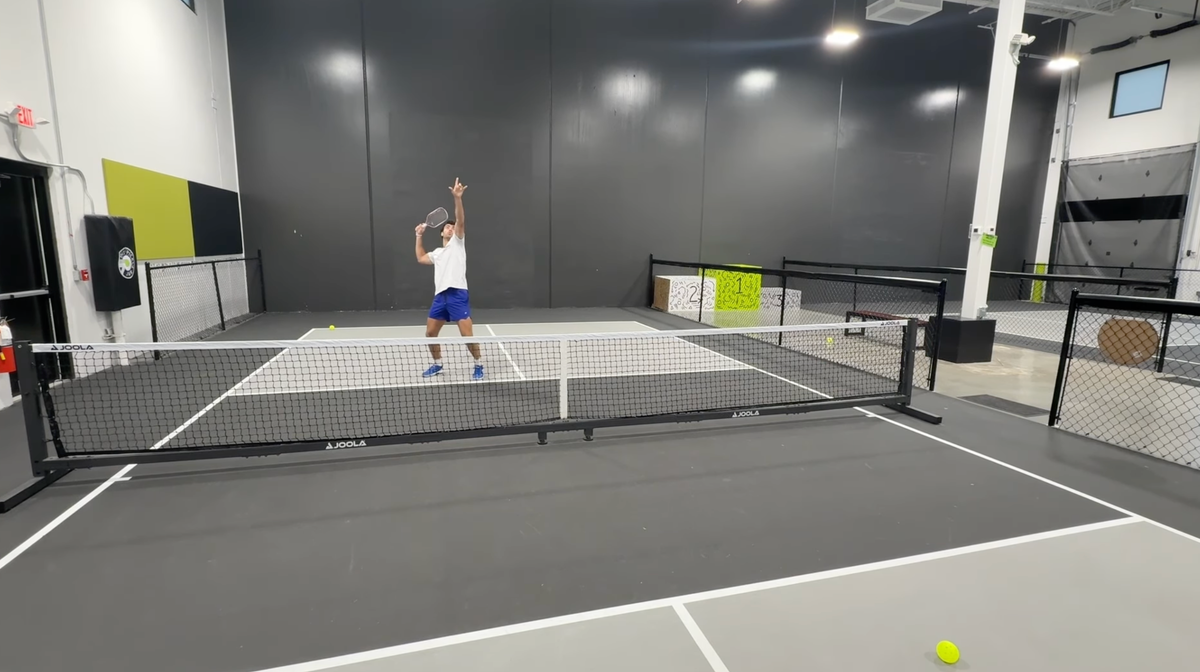
Why This Matters for 50+ Players
Roig emphasizes that these strategies are designed with senior players in mind. You might not have the explosive power of a 25-year-old, but you have something better: experience and court sense.
The lob plays to your strengths. It doesn't require explosive athleticism. It requires placement, timing, and understanding. Those are things you develop over years of playing.
If you're a competitive senior player looking for an edge in ladder leagues, tournaments, or round robins, adding these lob strategies to your game can make a real difference.
 The Dink Media Team
The Bottom Line
The offensive lob is underrated in pickleball. Most players see it as a defensive shot, but it's actually a powerful offensive tool when you understand how to use it.
Whether you're hitting a kitchen lob from the net or a baseline lob from deep in the court, the principle is the same: create a situation where your opponents are uncomfortable and you have the advantage on the next shot.
For senior players, this is especially valuable. You might not be the fastest or the strongest, but you can be the smartest. And sometimes, smart beats fast.
Love Pickleball? Join 100k+ readers for free weekly tips, news & gear deals.
Subscribe to The DinkGet 15% off pickleball gear at Midwest Racquet Sports