
A better backhand slice dink comes down to compact swings, proper contact point, and proactive footwork
If you've been working on your dink game and feel like something's off, you're not alone. The backhand slice dink is one of those shots that looks deceptively simple until you're actually at the net trying to execute it.
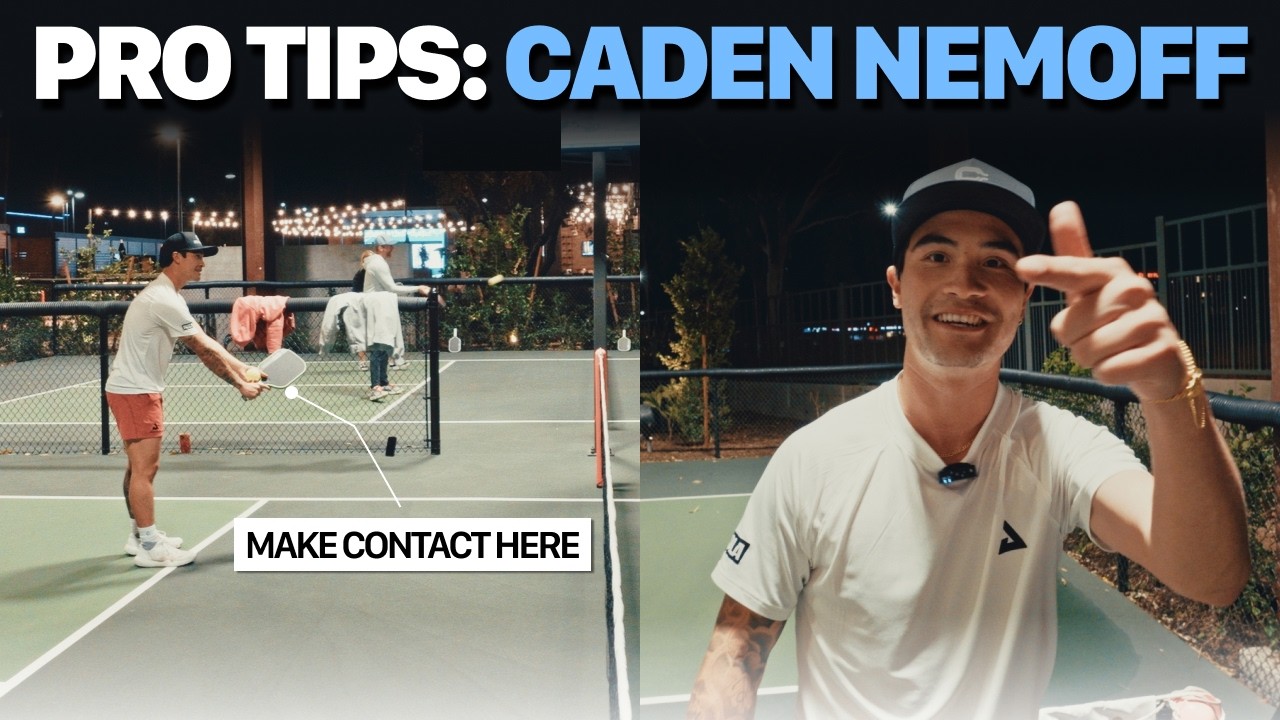
In a recent video from Building Pickleball, host Brian Lim breaks down exactly what's going wrong with most players' backhand dinks and how to fix it with PPA pro Caden Nemoff.
The lesson is straightforward but game-changing: it's all about keeping your swing compact and understanding where your contact point should be.
Love pickleball? Then you'll love our free newsletter. We send the latest news, tips, and highlights for free each week.
The Biggest Backhand Dink Mistake
Most recreational players make the same critical error with their backhand slice dink: they take too big a swing.
When you're at the net in the kitchen, a massive backhand swing is your enemy. The bigger your swing, the less control you have. Nemoff and Lim emphasize this point repeatedly throughout their session, and it's worth repeating because it's the root cause of most dink errors.
The fix sounds simple but requires real focus to implement. You need a slow, compact swing that stays close to your body. Think of it less like a full groundstroke and more like a controlled tap. Your paddle shouldn't travel far back before you make contact with the ball.
Contact Point and Spatial Awareness
Where you make contact with the ball matters just as much as how you swing. Nemoff demonstrates that you should be making contact with the ball out in front of your body, roughly at your left leg (for a right-handed player). This forward contact point gives you better control and allows you to direct the ball where you want it to go.
But here's the thing: to hit the ball out in front consistently, you need to move your feet.
This is where spatial awareness comes in. If the ball is coming at you in a way that would force you to make contact too close to your body, you need to adjust your positioning. Take small steps to get your feet where they need to be so you can hit the ball in the right spot. It sounds basic, but most players skip this step and wonder why their dinks are inconsistent.
 The Dink Media Team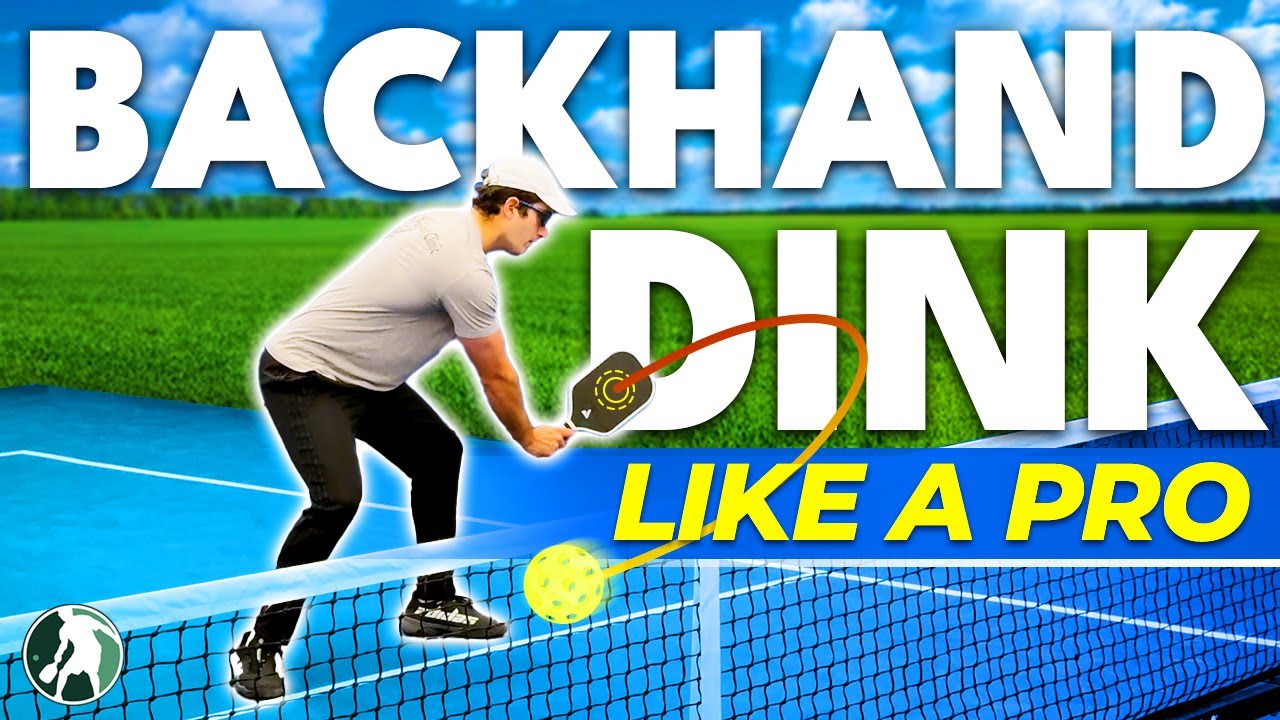
Body Position and the Lower Body
One of the most useful coaching cues from the session is this: don't get low with your upper body. Get low with your lower body. This distinction changes everything about how you approach the dink.
When you bend at the knees and keep your upper body relatively upright, you maintain better balance and control. You're not hunching over or reaching awkwardly. Your paddle stays in a better position to make clean contact, and you're ready to react to whatever comes back at you. It's a small adjustment that prevents a lot of the common dinking mistakes.
 The Dink Media Team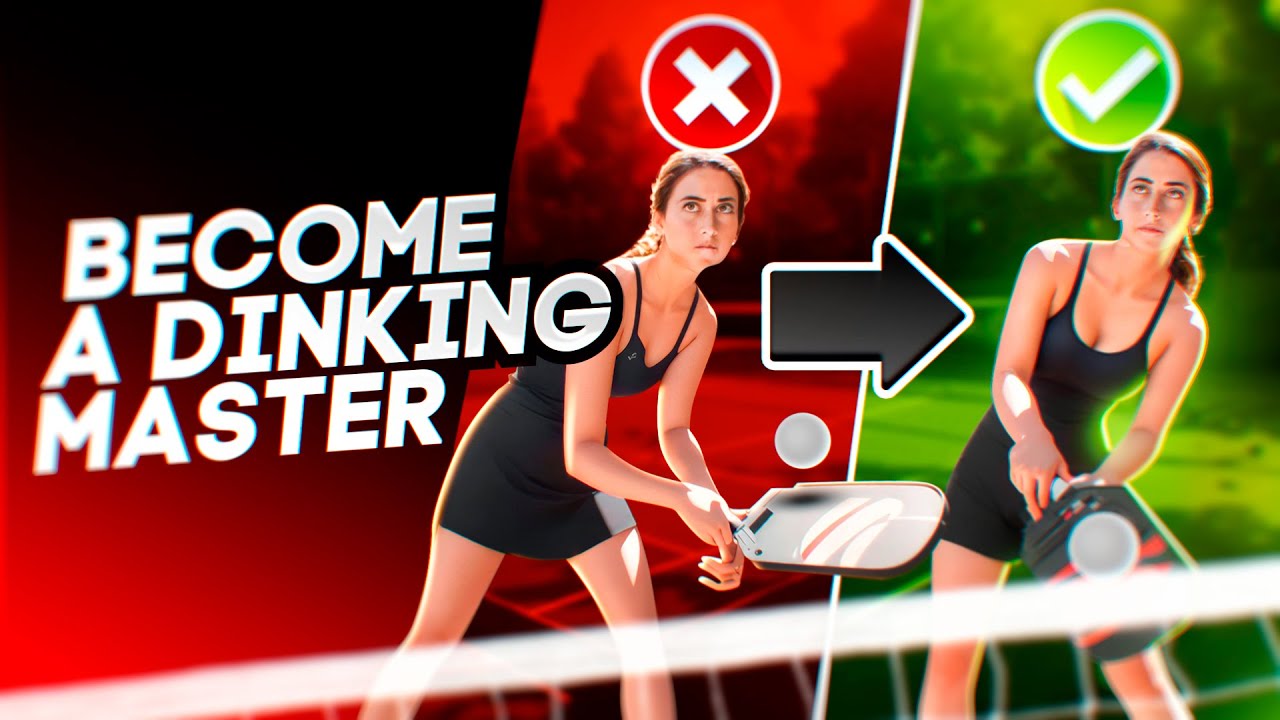
Slice and Compact Mechanics
The slice dink is particularly useful when you want to add some spin and keep the ball low. To execute it properly, you need that compact swing we talked about earlier. Nemoff shows that the motion should be smooth and controlled, with the paddle face staying relatively closed. You're not trying to generate power; you're trying to generate consistency and control.
The slice also helps you handle short hops better. When the ball bounces right at the net and you don't have much room to work with, a compact slice dink keeps you in the point instead of popping the ball up for an easy put-away.
Heads up: hundreds of thousands of pickleballers read our free newsletter. Subscribe here for cutting edge strategy, insider news, pro analysis, the latest product innovations and more.
Putting It All Together
The real takeaway from this session is that the backhand slice dink isn't complicated. It just requires attention to a few key details: keep your swing slow and compact, make contact out in front of your body, move your feet to get into position, and stay low with your legs rather than your upper body. Practice these elements separately before you try to combine them, and you'll see improvement quickly.
Building Pickleball's approach to coaching is refreshingly practical. Rather than overloading you with technical jargon, Lim and Nemoff focus on the specific adjustments that make the biggest difference. If your backhand dink has been holding you back, this is the kind of targeted feedback that can move the needle on your game.
Love Pickleball? Join 100k+ readers for free weekly tips, news & gear deals.
Subscribe to The DinkGet 15% off pickleball gear at Midwest Racquet Sports