
Too many players focus on hitting harder instead of hitting smarter. The overhead isn't just about power; it's about placement, timing, and court geometry.
You know that feeling when you finally get an overhead, and instead of putting it away, your opponent somehow gets it back? Yeah, that's the worst.
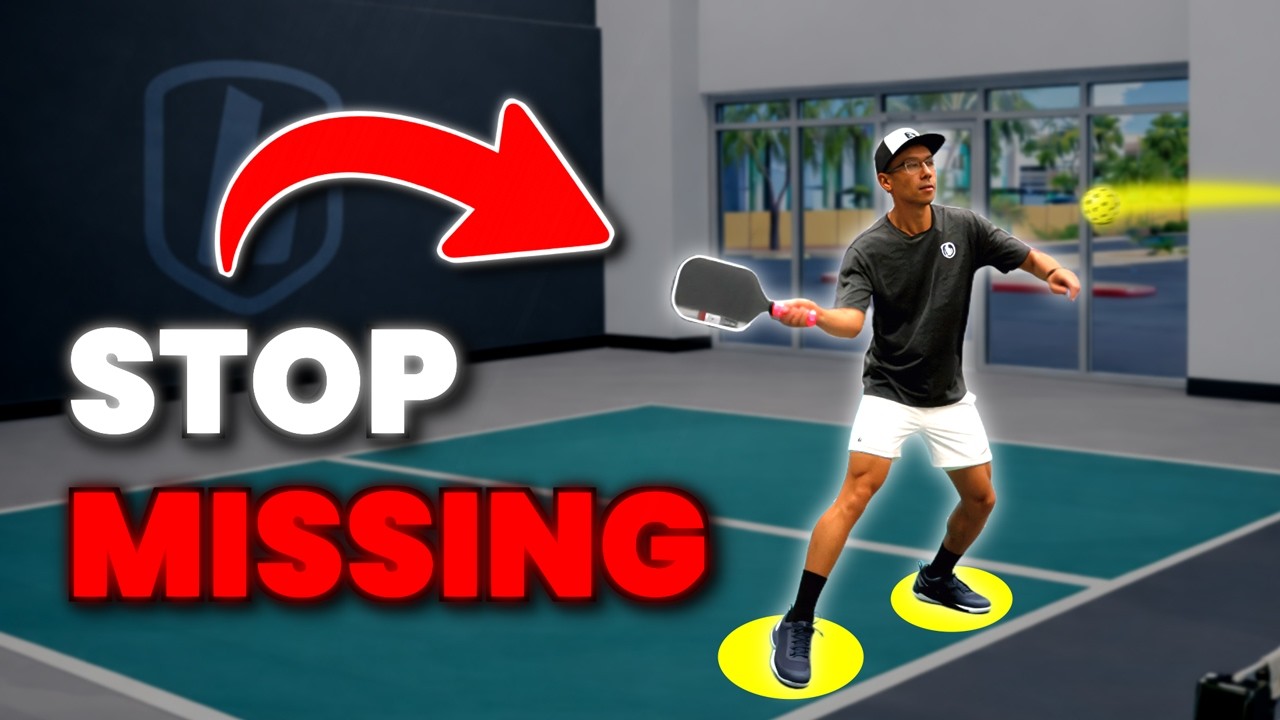
And it's exactly the problem Richard Livornese Jr. is solving in his latest video.
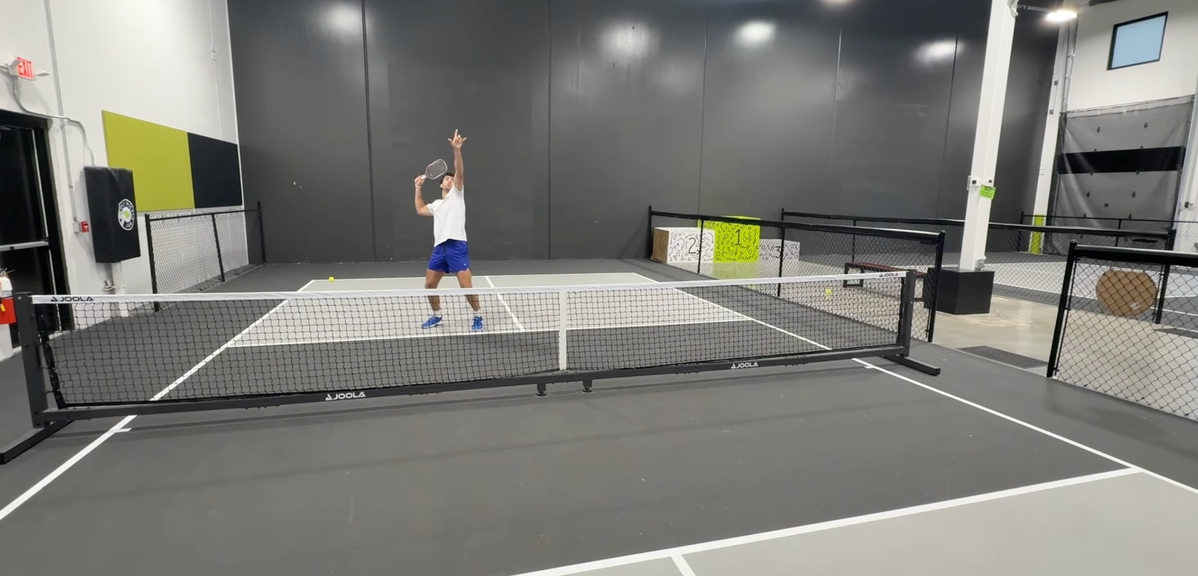
The overhead is supposed to be your golden ticket to ending points. It's the shot that should make your opponents panic.
But here's the thing: most players treat every overhead the same way. They hit it down the middle, hard, and hope for the best.
Then their opponent lobs it back. Then they hit another one down the middle. Then another lob. It's an endless cycle of frustration that turns what should be a point-ending weapon into a rally that drags on forever.
Livornese breaks down a completely different approach, showing how the pros actually finish these balls by creating angles that pull opponents wide off the court.
Key Takeaways:
- Angled overheads use shoulder pronation, not wrist manipulation, to change direction
- Court geometry favors certain angles depending on your position
- Combos (middle-wide or wide-middle patterns) force opponents into unwinnable situations
- Only attempt sharp angles when you're close to the line; otherwise, hit deep down the middle
- Strategic placement beats raw power when finishing points
The Form Never Changes, But Your Shoulder Does
Let's start with the fundamentals because this is where most players get confused. The basic overhead form stays exactly the same whether you're hitting it straight, inside-in, or inside-out.
- You turn sideways
- Get your non-dominant hand up to the ball
- Keep your wrist loose
- Then snap down on contact.
That part doesn't change.
What does change is where you hit the ball. Instead of striking it straight behind the top, you're using your arm to get around the ball by pronating your shoulder in different directions.
- For an inside-in angle, you pronate your shoulder inward and hit the right side of the ball
- For a normal overhead, you're straight behind it
- For an inside-out angle, you pronate outward and hit the left side
That's it. The mechanics are simple once you understand that your shoulder does the directional work, not your wrist.
 The Dink Media Team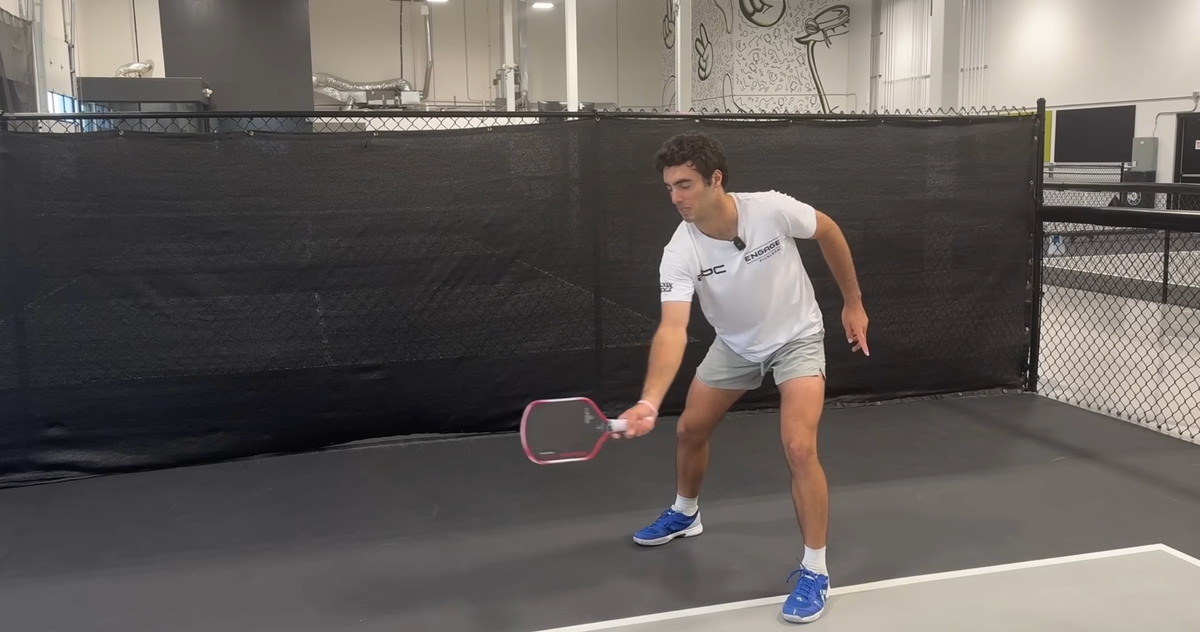
The Real Secret: Combos Win Points
Sharp angles are great when you can hit them, but good opponents will eventually figure out your patterns. That's why the pros use combinations. Livornese mentions that Ben Johns, widely considered the best player in the world, uses this strategy constantly.
The concept is straightforward but effective:
Hit your first overhead to a specific location to set up a second overhead, then switch your target.
The most common pattern is middle-wide or wide-middle. You hit the first ball down the middle, your opponent scrambles to get it back, and before they can recover, you angle it wide. Or you reverse it: go wide first, then come back down the middle when they're sprinting to cover the wide shot.
Why does this work? Because in doubles, only two players need to cover the entire court. One of them has to cover two different locations. By forcing them to move side to side, you're creating a situation where they can't be ready for both options. They're either too far wide or too far middle, and you exploit that.
Heads up: hundreds of thousands of pickleballers read our free newsletter. Subscribe here for cutting edge strategy, insider news, pro analysis, the latest product innovations and more.
When to Actually Use This Shot
This is crucial: angled overheads only work when you're positioned close to the line.
Livornese is clear about this.
- If you're more than one step off the line, just hit a deep overhead down the middle to get another overhead where you can angle it.
- The closer you are to the sideline, the sharper your angle can be, and the higher your success rate.
Think of it like this. The angle you can create from the kitchen line is dramatically different from the angle you can create from five feet back. The geometry just doesn't work. You're more likely to miss, clip the net, or sail it wide when you're further back.
So be selective. Wait for the right positioning, then attack.
 The Dink Media Team
The Bigger Picture
Too many players focus on hitting harder instead of hitting smarter. The overhead isn't just about power; it's about placement, timing, and understanding how your opponents have to move to defend two locations with only two bodies.
This applies to more than just overheads, honestly. It's a philosophy that runs through all of pickleball at higher levels.
The best players aren't necessarily the ones with the biggest swings. They're the ones who understand court geometry, positioning, and how to create situations where their opponents can't win no matter what they do.

Love Pickleball? Join 100k+ readers for free weekly tips, news & gear deals.
Subscribe to The DinkGet 15% off pickleball gear at Midwest Racquet Sports