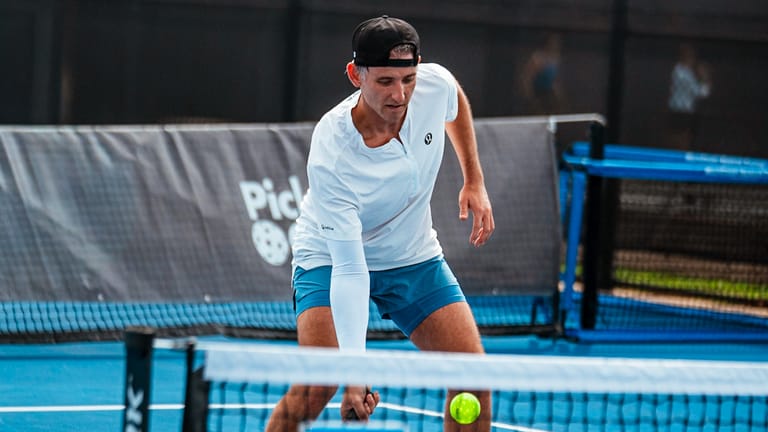
The 5 Kitchen Line Secrets That Make Pro Tyra Black So Unstoppable
Tyra's approach combines footwork, positioning, tactical dinking, and elite hand skills into a system that's incredibly hard for opponents to break down
Hurricane Tyra Black is a top-five pickleball player in the world in women's doubles and mixed, and she's got a kitchen line game that's nearly impossible to defend against. She made history when she upset the No. 1 ranked Anna Leigh Waters to claim her first career PPA Tour gold medal ESPN, validating the kind of net game control that puts her in a category of her own. In a recent video from ATP Pickleball, she breaks down exactly what makes her so unstoppable at the net, covering five key components that separate elite players from everyone else.
If you're serious about improving your kitchen line dominance, this is the masterclass you need to watch.
Love pickleball? Then you'll love our free newsletter. We send the latest news, tips, and highlights for free each week.
Reading Your Opponent's Positioning for Kitchen Line Dominance
Kitchen Line Dominance Starts Before You Hit the Ball
The foundation of kitchen line dominance starts before you even hit the ball. Tyra watches her opponents constantly, but not in the way you might think. She's not staring at their paddle face the entire time; instead, she reads their positioning and footwork to anticipate what's coming next.
When opponents are backing up, that's your signal to get aggressive. When they're holding the line tight, shift your focus to their paddle. This simple adjustment tells you whether they're about to attack or keep dinking.
One key detail: Tyra uses a one-step, split-step rhythm to stay ready. She takes one step back if she senses an attack coming, then splits into position. It sounds simple, but the timing is everything.
 The Dink Media Team
Movement and Footwork That Keeps You in Control
Staying at the kitchen line isn't about standing still. Tyra constantly moves side to side, adjusting based on where she hit her last shot and where her opponent is positioned.
Here's how she thinks about it:
- Hit crosscourt? Stay put and wait longer, since they'll likely hit it back to you or your partner.
- Hit up the line? Recover toward the middle of your box to cover the line while your partner shifts over.
- Hit middle? Watch to see who takes it, then adjust accordingly.
The middle dink is her most-used shot, and she plays it smart. She aims deep through the middle, creating confusion about whose ball it is. This forces opponents to back off the line, which opens up angles for her next shot.
Kitchen Line Dominance: Aggressive Dinking Without the Ernie
Tyra's dinking philosophy is all about moving opponents around the court. She spreads the ball wide, then middle, then wide again, keeping them off balance. But here's the thing: she's careful not to set up an Ernie (when your opponent runs around the net to hit a winner from your side).
The secret? Push opponents back rather than out wide.
Instead of hitting a sharp angle that pulls them off the court, she uses spin to drive them deeper into the box. This keeps them from having time to run around and attack.
She also thinks about the court in quadrants. By dividing each box into four sections, she can target specific spots and create patterns that confuse opponents. It's a mental framework that helps her stay precise under pressure.
 The Dink Media Team
Taking Dinks Out of the Air Without Overcommitting
This is where a lot of players mess up. They see a dink coming and immediately think "attack," but Tyra knows that's not always the right move. She stays patient and keeps her paddle set out in front, ready to guide the ball back rather than flick it aggressively.
The timing matters. Before the ball even crosses the net, she's in a ready position. Once it clears the net and she can see what her opponent is doing, that's when she decides whether to speed it up or keep working the point.
Patience is what separates good players from great ones.
Patience is what separates good players from great ones.
If the ball comes over a little higher, she can set up for an attack. If it's low, she just guides it back and stays in the rally.
 The Dink Media Team
Fast Hands and Kitchen Line Dominance at the Net
Staying Compact Is the Key to Kitchen Line Dominance
When things get tight at the net, Tyra stays facing forward and keeps her paddle out in front. She doesn't sit too heavy on one side, which would slow her down. Instead, she leans slightly based on where she expects the ball, but her paddle is always ready.
For balls at her hip, she uses a chicken wing backhand rather than trying to take a forehand. It's the fastest, most efficient option when you're in a tight hands battle. For anything at her shoulder or higher, she can take a forehand through the middle.
The key is staying compact. Big backswings and excessive movement are the enemy in a fast-paced volley exchange.
 The Dink Media Team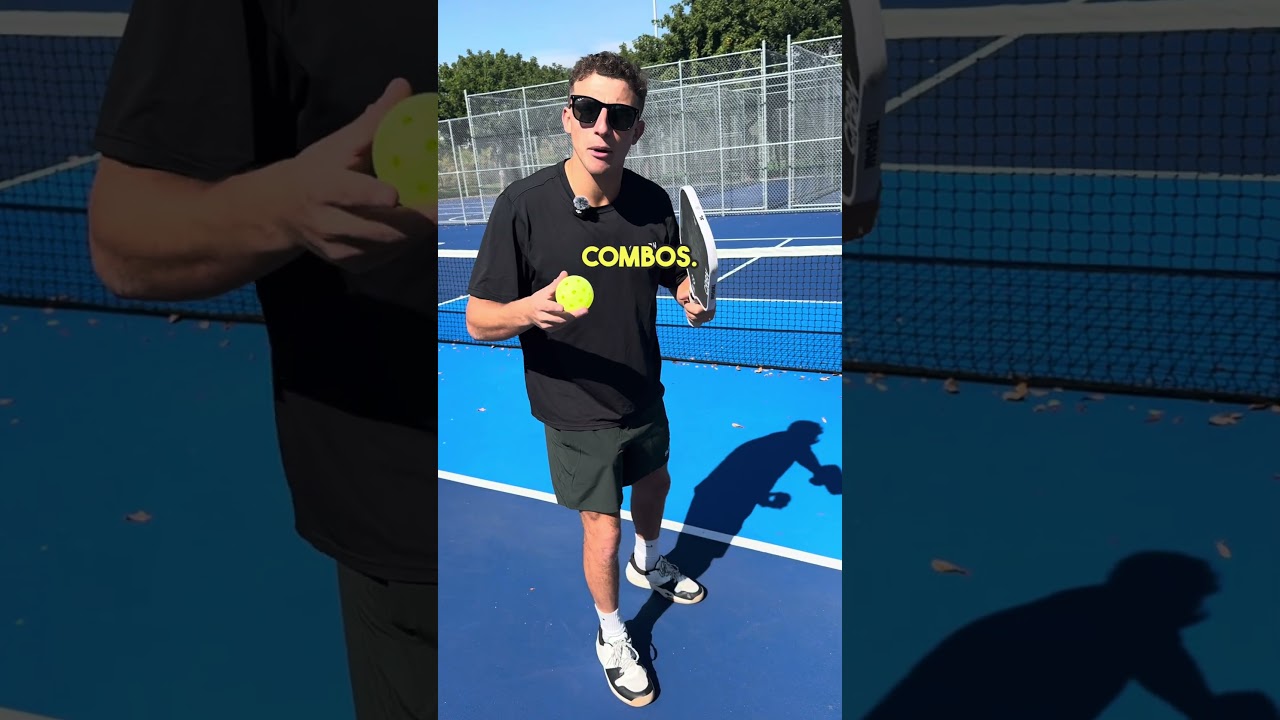
The Elite Backhand That Drives Kitchen Line Dominance
The Backhand That Fuels Kitchen Line Dominance
Tyra hits roughly 60 to 70 percent of her volleys on the backhand side, which is why mastering it is non-negotiable. Her one-handed backhand flick is one of the fastest and most powerful in women's pickleball, and it comes from a continental grip with a focus on wrist action rather than shoulder rotation.
She reaches out in front and drives through the ball with her wrist, generating serious whip. When she needs more power on a volley, she'll add her second hand, but only when the ball is slower or she's going for a specific angle. In a fast hands battle, the one-hander is her go-to.
The pattern matters too. If she attacks a backhand to her opponent's backhand, the ball usually comes back to her forehand, so she's already positioned to attack the next one. This kind of court awareness turns rallies into scoring opportunities.
Black turned pro in pickleball in 2023 and is currently ranked No. 5 in women's doubles on the PPA Tour Sports Illustrated, and her net game control is a central reason why. This level of kitchen line dominance comes from years of deliberate practice and a deep understanding of how to control every inch of the non-volley zone.
Master Dink Placement: The Secret to Controlling the Kitchen Line When you're at the kitchen line, your goal is simple: make your opponents uncomfortable.
Frequently Asked Questions
What is kitchen line dominance in pickleball?
Kitchen line dominance refers to the ability to control play from the non-volley zone line using superior positioning, dinking strategy, and fast hands to dictate the rally. Players who achieve kitchen line dominance force their opponents into reactive positions and consistently create attackable opportunities.
How does Tyra Black read her opponents at the kitchen line?
Tyra focuses on her opponents' positioning and footwork rather than just watching the paddle face. When opponents are backing up, she gets aggressive; when they hold the line tight, she shifts her attention to the paddle angle to anticipate whether an attack or a dink is coming.
What makes Tyra Black's dinking strategy so effective?
Her dinking strategy uses court quadrants and directional patterns to keep opponents constantly off balance. By spreading the ball wide, then middle, then wide again, she prevents opponents from getting comfortable and consistently opens up angles for her next attack.
How can I develop faster hands at the kitchen line?
The foundation of fast hands is paddle readiness and compact mechanics. Keep your paddle out in front at all times, avoid big backswings, and rely on the chicken wing backhand for hip-level balls. Drilling short-range exchanges at full pace is the most effective way to build this skill quickly.
Why is the one-handed backhand so important for kitchen line dominance?
The one-handed backhand offers the fastest reaction time in a hands battle because it requires less preparation than a two-handed stroke. Tyra drives through the ball with her wrist using a continental grip, generating power without shoulder rotation and keeping her paddle in a ready position for the next shot.
 The Dink Media Team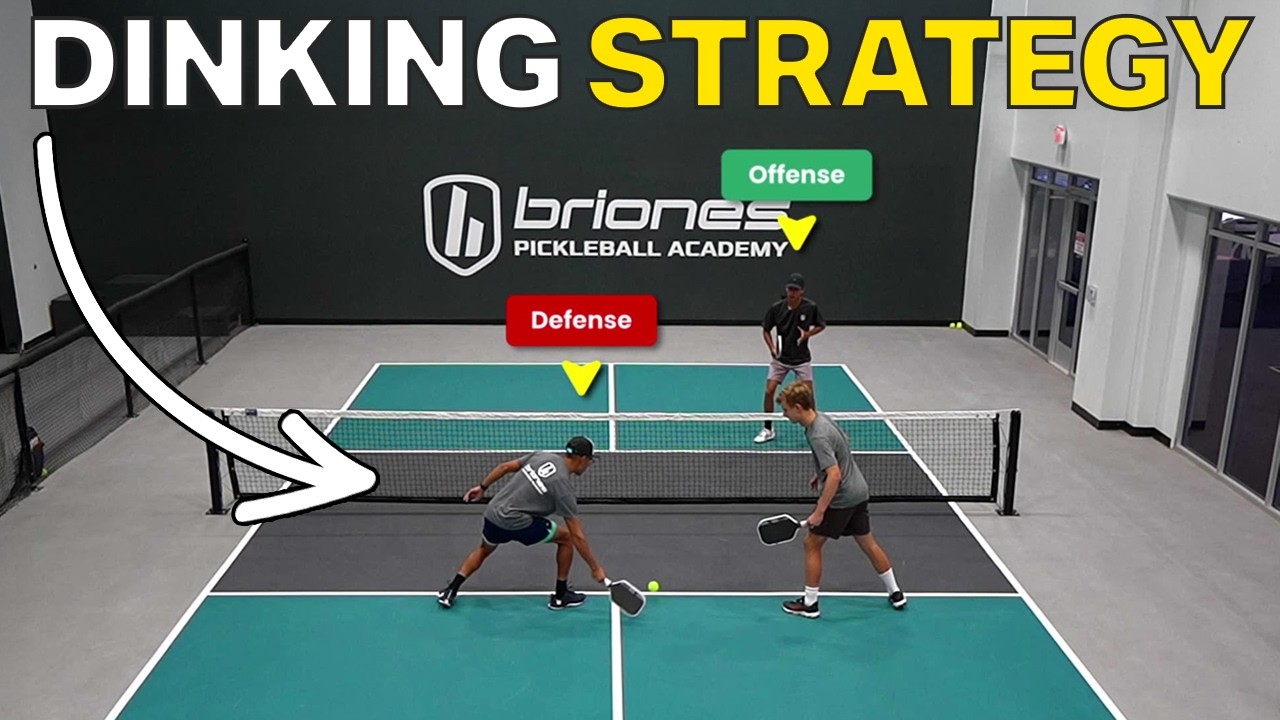

Love Pickleball? Join 100k+ readers for free weekly tips, news & gear deals.
Subscribe to The DinkGet 15% off pickleball gear at Midwest Racquet Sports