

Dinking isn't complicated, but it requires practice and awareness. Next time you're at the court, focus on these phases and watch how your game changes.
The kitchen line is where pickleball matches are truly won and lost. If you've been grinding at the courts, you know that dinking consistency matters, but there's a whole layer of strategy that separates good players from great ones.
John Cincola, host of the John Cincola Pickleball channel, breaks down the exact approach top pros use to dominate at the net: smart dinking paired with pressure ramping.
It's not flashy, but it's devastatingly effective.
Love pickleball? Then you'll love our free newsletter. We send the latest news, tips, and highlights for free each week.
Defensive vs. Offensive Dinking: Know the Difference
Most players think dinking is just one thing: soft, low shots over the net. But Cincola makes a crucial distinction.
Defensive dinking is about control and patience. You're keeping the ball low, maintaining consistency, and essentially waiting for your opponent to crack under pressure. Your dinks are deep enough to keep them honest, and you're not taking unnecessary risks.
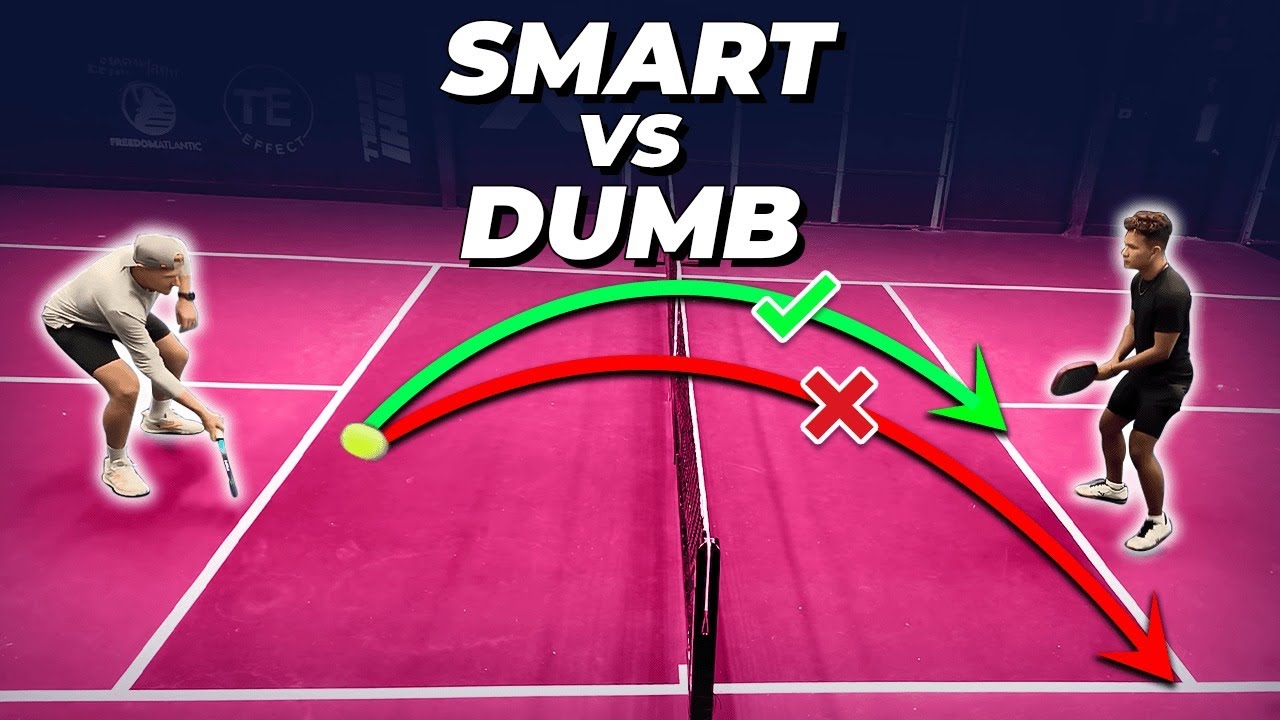
Offensive dinking flips the script. You're still hitting low over the net, but now you're taking time away from your opponents. You're moving forward, stepping into the court earlier, and dictating the pace. The ball is still a dink, but your intent has shifted from reactive to proactive. This is where the real advantage starts to build.
 The Dink Media Team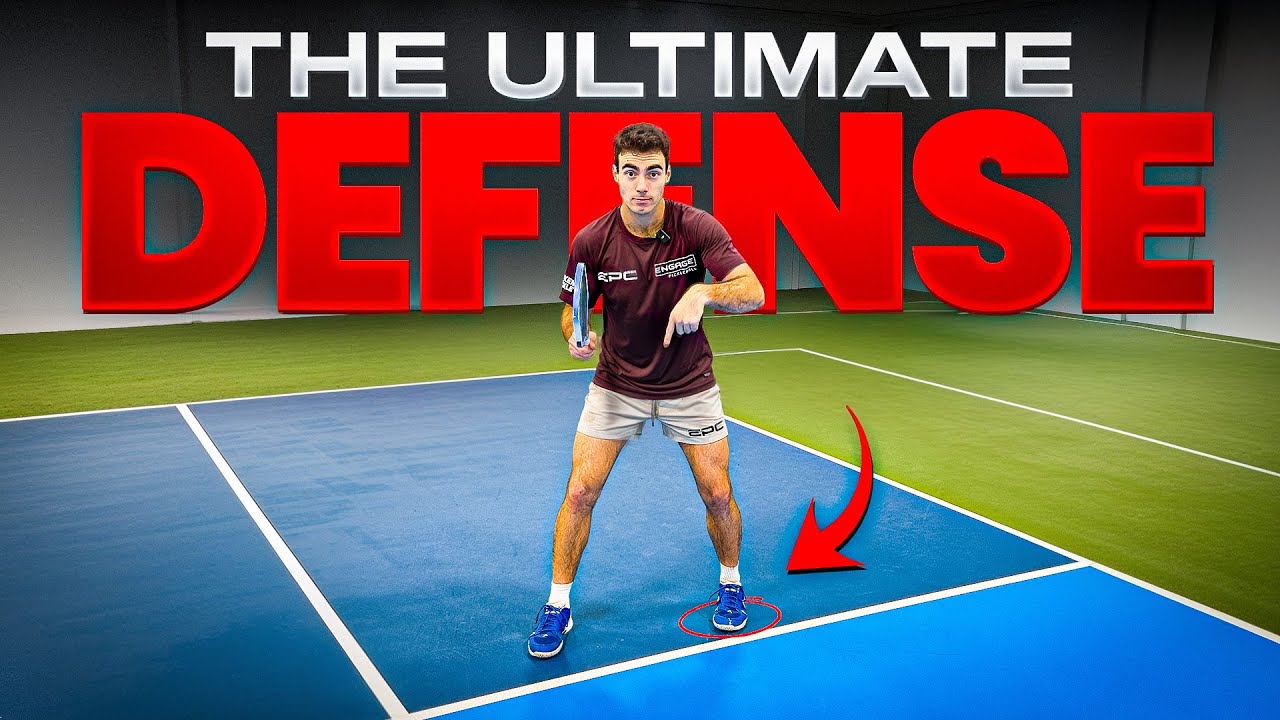
Pressure Ramping: The Three-Phase Attack
Here's where things get interesting. Pressure ramping isn't one move; it's a progression. Think of it as a three-act play where each phase sets up the next.
- Phase 1: Create Pressure. You're hitting slightly more aggressive dinks, moving your opponents around the kitchen, and forcing them to react. You're not attacking yet, but you're planting seeds of discomfort.
- Phase 2: Take It Early. Now you step into the court and take the ball on the rise. You're hitting with more pace and taking time away from your opponents. They have less time to set up their shot, and the pressure intensifies.
- Phase 3: Attack Smart. This is your finish. You're looking for that high ball or weak dink, and you're putting it away with a controlled attack. The point ends because you've earned it through the first two phases.
 The Dink Media Team
The beauty of this system is that it's not reckless. You're not just smashing every ball. You're building a point methodically, and by the time you attack, your opponent is already off-balance.
Flipping the Pressure Back
Here's a reality check: sometimes your opponent will start ramping pressure on you. When that happens, don't panic.
Stay aggressive, stay confident, and flip the pressure back.
Pickleball is a game of momentum, and momentum shifts happen fast. If you can recognize when your opponent is trying to take control and respond with your own pressure, you've just turned the tables.
It's not complicated, but it requires practice and awareness. Next time you're at the court, focus on these phases and watch how your game changes.
Heads up: hundreds of thousands of pickleballers read our free newsletter. Subscribe here for cutting edge strategy, insider news, pro analysis, the latest product innovations and more.

Love Pickleball? Join 100k+ readers for free weekly tips, news & gear deals.
Subscribe to The DinkGet 15% off pickleball gear at Midwest Racquet Sports