
The #1 Mistake Killing Your Shot-Making Consistency in Pickleball
When you depend on wrist action, you lose control. You lose repeatability. And in pickleball, consistency is everything.
If you've been struggling with your third shot drop, you're not alone. It's one of the most critical transition shots in pickleball, and it's also one of the most butchered. But here's the thing: the problem might not be what you think it is.
In a recent coaching session, pickleball instructor Cori Elliott breaks down the single biggest mistake players make with their third shot drop – or any drop, for that matter. And it's surprisingly simple.
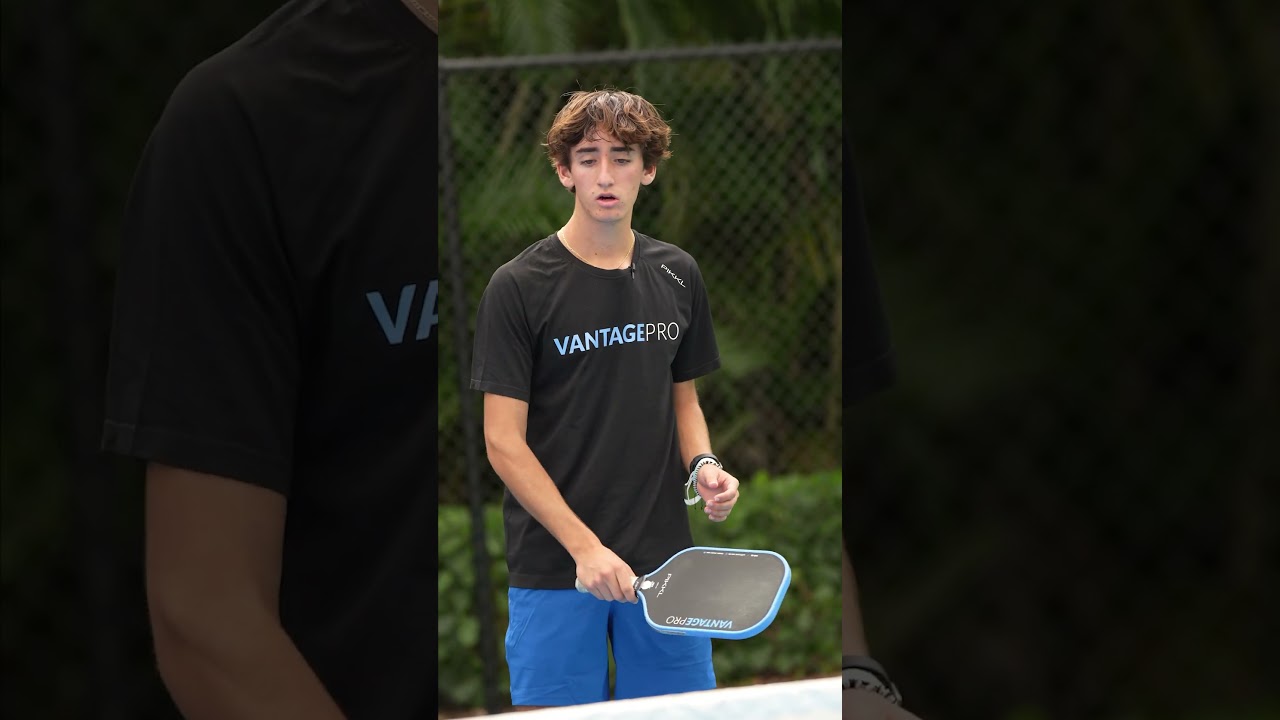
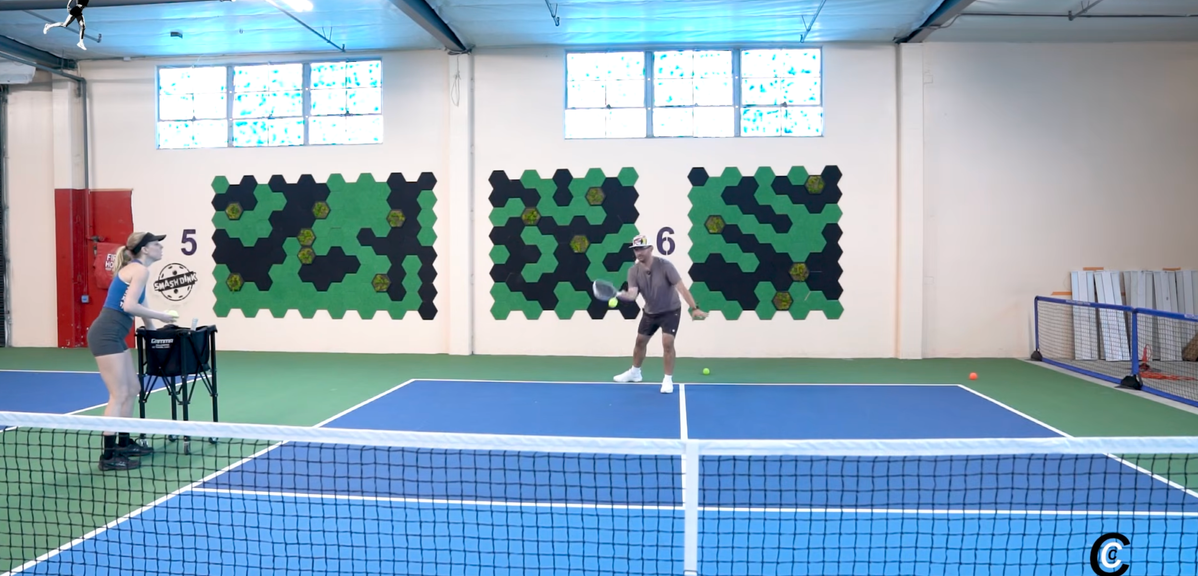
"Too much wrist and not enough body," Elliott explains while working with a student named Evan.
Love pickleball? Then you'll love our free newsletter. We send the latest news, tips, and highlights for free each week.
The Wrist Problem Is Real
When you rely on your wrist to execute the third shot drop, the ball floats. It lacks consistency. Sometimes it drops into the net. Other times it sits up too high, giving your opponents an easy put-away.
You're essentially compensating for poor footwork and positioning by trying to muscle the ball over with your hand.
When you depend on wrist action, you lose control. You lose repeatability. And in pickleball, consistency is everything.
The third shot drop isn't just about getting the ball over the net. It's about setting yourself up to get to the kitchen and control the point. If you're relying on wrist flicks, you're already behind.
Footwork and Positioning Come First
Footwork mechanics are straightforward but require discipline.
As the ball bounces toward you, bring your paddle down at the same time. Then push forward and bring your paddle up slightly.
But there's more to it than just paddle mechanics. Elliott focuses heavily on spacing.
This is where many players go wrong. They focus on the paddle stroke without considering where they're standing relative to the ball. Evan initially positions himself too close to the incoming ball, which limits his ability to move through the shot.
 The Dink Media Team
Weight Transfer Is Your Secret Weapon
One of the most overlooked aspects of the third shot drop is weight transfer.
Think of it like this:
- Your legs are doing the work, not your hands
- You're loading up on your back leg, then transferring that weight forward as you push the ball
- This creates consistency and control
- It also allows you to move forward into the kitchen after the shot, which is the whole point of the third shot drop in the first place
When Evan starts implementing this weight transfer, the difference is noticeable. His drops become more controlled. They land softer. They're harder for opponents to attack.
 The Dink Media Team
The Bigger Picture
What Elliott is really teaching here goes beyond just the third shot drop.
She's teaching a philosophy:
- Proper mechanics trump power every time
- Footwork and positioning trump wrist action
- Weight transfer trumps arm strength
This is especially important for intermediate players who are trying to level up. You might be able to muscle your way through lower-level competition, but once you face better players, they'll exploit the inconsistencies that come from relying on wrist action and poor positioning.
The third shot drop is a transition shot. It's meant to get you and your partner into the kitchen so you can control the point. If you're hitting it with too much wrist and not enough body, you're not just making a technical mistake. You're setting yourself up for failure on the next shot.
Heads up: hundreds of thousands of pickleballers read our free newsletter. Subscribe here for cutting edge strategy, insider news, pro analysis, the latest product innovations and more.

Love Pickleball? Join 100k+ readers for free weekly tips, news & gear deals.
Subscribe to The DinkGet 15% off pickleball gear at Midwest Racquet Sports