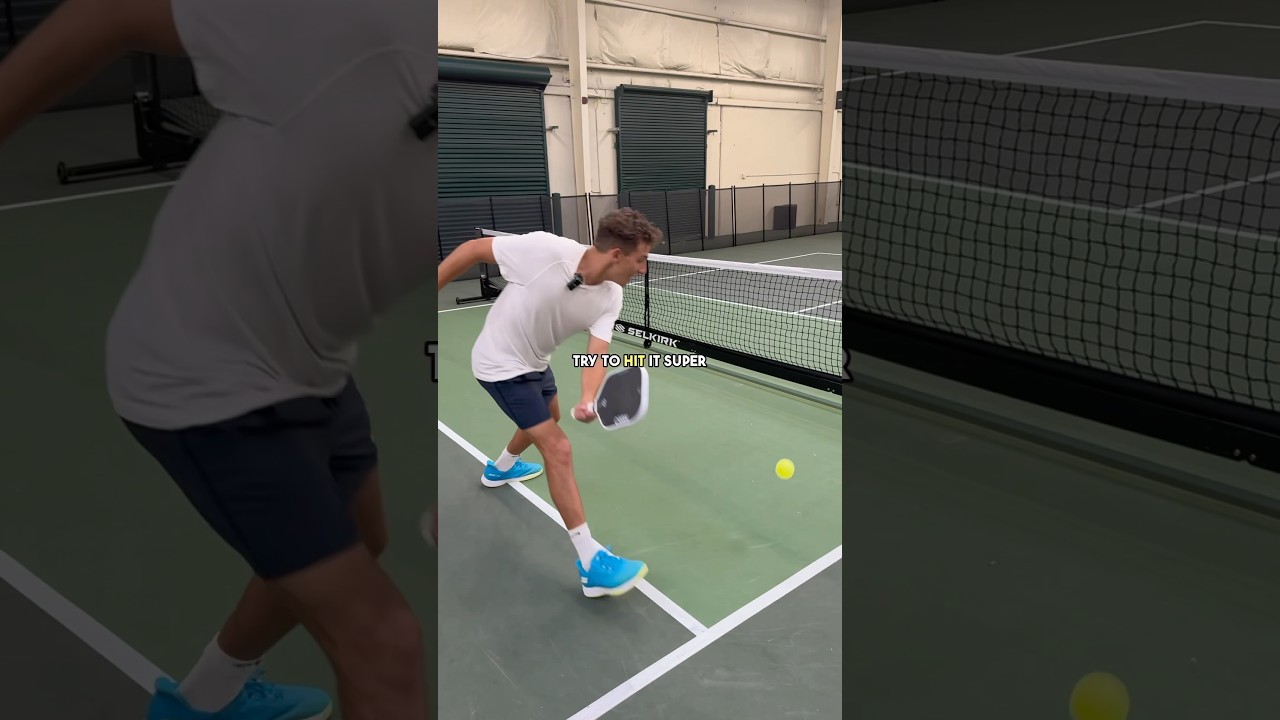
The proof is in real statistics from professional pickleball: When the serving team fails to reach the kitchen line, they lose 65% of the time
If you've ever watched a pickleball match and wondered why the pros seem to glide effortlessly to the kitchen line while newer players stay stuck at the baseline, you're onto something real.
According to ThatPickleballGuy Kyle Koszuta, court positioning isn't just a nice-to-have skill. It's the difference between playing in "easy mode" and "hard mode."
Here, he breaks down why getting to the kitchen line is the single most important doubles strategy new players need to master, backed by data from over 34,000 rallies across professional pickleball events.
Love pickleball? Then you'll love our free newsletter. We send the latest news, tips, and highlights for free each week.
Why New Players Avoid the Kitchen
When you're just starting out in pickleball, staying back at the baseline feels safer. The game moves faster than tennis, and hanging back gives you more time to react and prepare your shot.
But there's a second reason many beginners don't rush the net: they simply don't understand the strategy yet. They haven't learned that court position controls the entire point.
The Kitchen Advantage Explained
Here's the math that matters. When you're at the kitchen, you can have either a plus-one or plus-two advantage over your opponents.
- Plus-one advantage: You have one player at the kitchen while they have zero
- Plus-two advantage: You have both players at the kitchen while they have zero
- Neutral: All four players are at the kitchen line with no positional edge
As the returning team, you start with a built-in plus-one advantage before the point even begins. It's like getting a head start in a race. But if you don't understand this, you'll hit your return and stay back, letting them bring two players forward while you only have one. You've just handed away your advantage.
 The Dink Media Team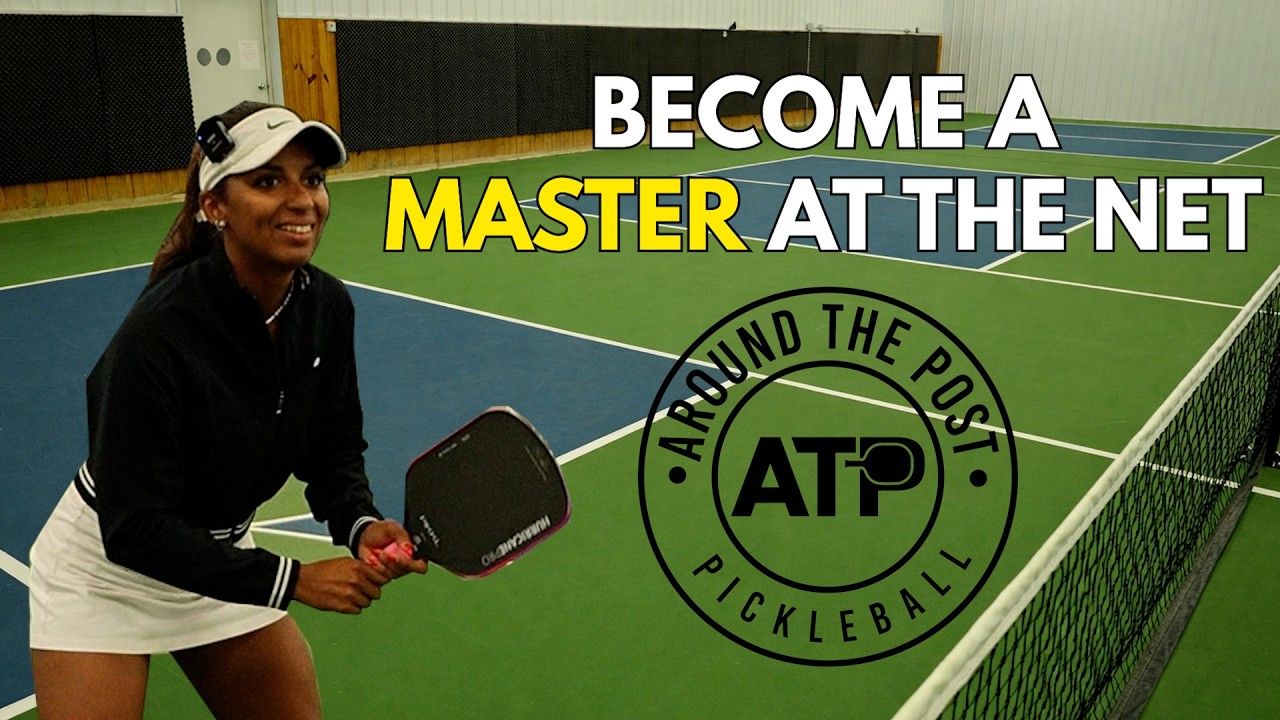
The Data Doesn't Lie
Koszuta cites real statistics from professional pickleball:
When the serving team fails to reach the kitchen line, they lose 65% of the time.
That's not a small margin. That's a game-changer.
The reason is simple. If you stay near the baseline the whole time, you've got only three shot options: lob over them, drive through them, or drop shot to them. And here's the kicker; 90 to 97% of the time, you're hitting up on the ball instead of down.
It's hard to be offensive when you're always playing defense.
Heads up: hundreds of thousands of pickleballers read our free newsletter. Subscribe here for cutting edge strategy, insider news, pro analysis, the latest product innovations and more.
Why the Court Size Works Against You
The pickleball court is 20 feet wide. When two players stand at the kitchen with their arms extended, they cover roughly 13 to 15 feet of that width. That leaves almost no room to hit around them.
The court is also 44 feet long, so hitting a perfect lob over them without it going out is nearly impossible. And if you try to blast through them, the ball simply doesn't move fast enough at its top speed to consistently get past skilled volleyers.
When you're at the kitchen line, though, everything changes. You're closer to the net, which means you can hit the ball at its peak and direct it downward at your opponent's feet. The more you hit down, the more points you win.
 The Dink Media Team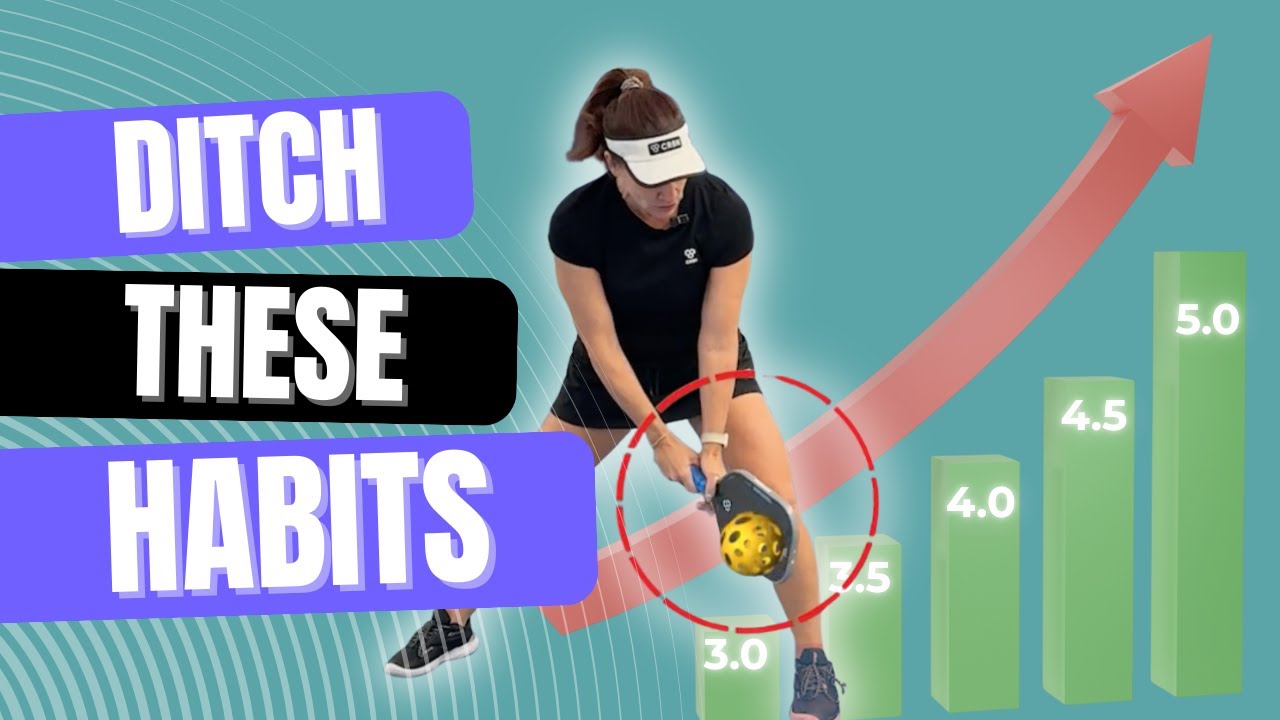
Time and Psychology Matter Too
When all four players are at the baseline, the ball takes longer to travel between paddles. When two players are at the kitchen and two are back, that travel time shrinks dramatically. Less time means worse decisions, and bad decision-making kills your chances against better competition.
There's also a psychological edge. In any competitive situation, distance creates safety. When you're far away, your opponent feels comfortable. But when you're at the kitchen and they're at the baseline, they feel threatened. Threatened players make worse shots.
What This Means for Your Game
The takeaway is crystal clear: your court positioning determines whether you play in easy mode or hard mode.
If you're serious about improving, stop staying at the baseline. Work on your third shot drop to get to the kitchen. Understand the kitchen advantage and don't give away the head start you get as the returning team. Hit your return and move forward immediately.
The kitchen line isn't just where the pros hang out. It's where the game is actually won.
 The Dink Media Team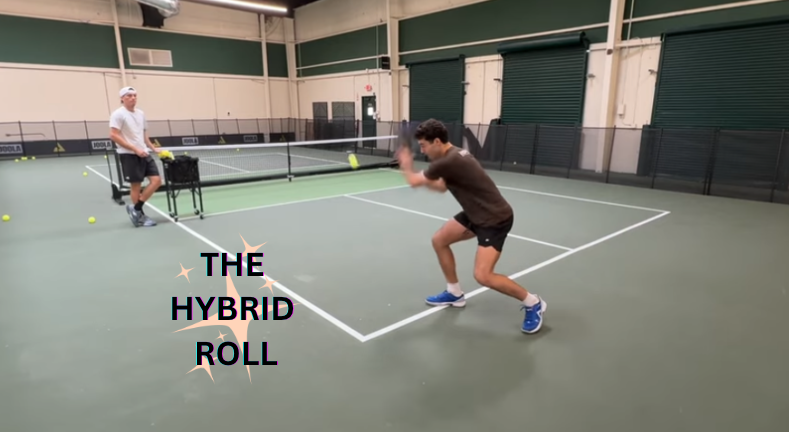

Love Pickleball? Join 100k+ readers for free weekly tips, news & gear deals.
Subscribe to The DinkGet 15% off pickleball gear at Midwest Racquet Sports