

Struggling With Pickleball Volleys? Focus on Your Grip and Positioning
Volleying is about more than just hitting the ball out of the air. It's about understanding the rules, using the right grip, and positioning yourself correctly.
The volley is one of pickleball's most exciting and essential shots. It's where matches are won and lost, especially at the net.
If you've been struggling to control the ball in the air or find yourself popping it up when you should be putting it away, you're not alone.
Selkirk TV breaks down the fundamentals of volleying in their latest lesson, covering everything from grip and positioning to the rules that trip up beginners.
Love pickleball? Then you'll love our free newsletter. We send the latest news, tips, and highlights for free each week.
Master the Non-Volley Zone Rules
Before you even think about hitting a volley, you need to understand the kitchen. The Non-Volley Zone extends seven feet on either side of the net, and it's the most misunderstood rule in pickleball.
You cannot volley while standing in this zone, and you cannot step into it during your volley motion. Violating this rule costs you the point, so it's worth drilling into your muscle memory.
Many beginners get caught up in the excitement of the rally and forget about their feet. You might hit a perfect volley, but if your momentum carries you into the kitchen, it's a fault. The key is staying just outside that line and using small, controlled steps to position yourself.
 The Dink Media Team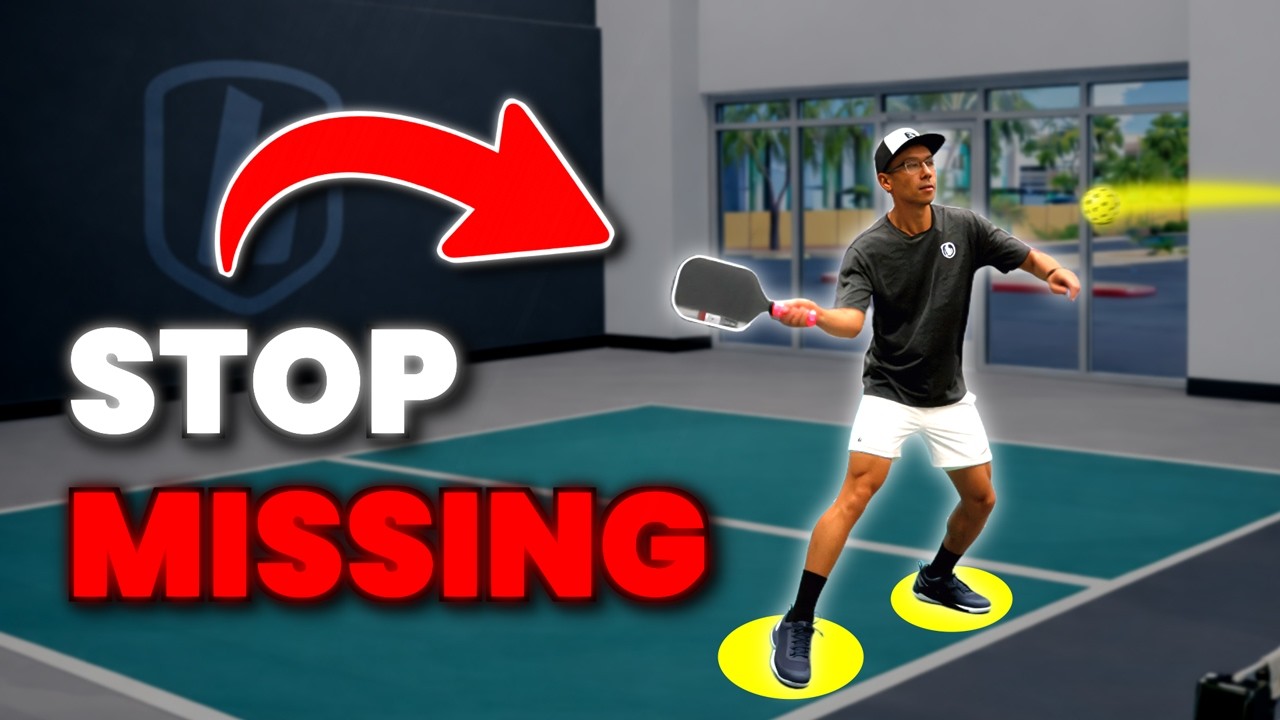
The Continental Grip Changes Everything
If you're switching grips between your forehand and backhand volleys, you're already behind. The continental grip is the game-changer here. It's the same grip you'd use for a serve, and it works for both sides of your body without adjustment.
To find the Continental grip, position your hand so the base knuckle of your index finger sits on the third bevel of the paddle handle. This gives you the perfect balance between control and power. Once you lock this in, your reactions at the net become lightning-fast because you're not wasting time adjusting your grip mid-rally.
 The Dink Media Team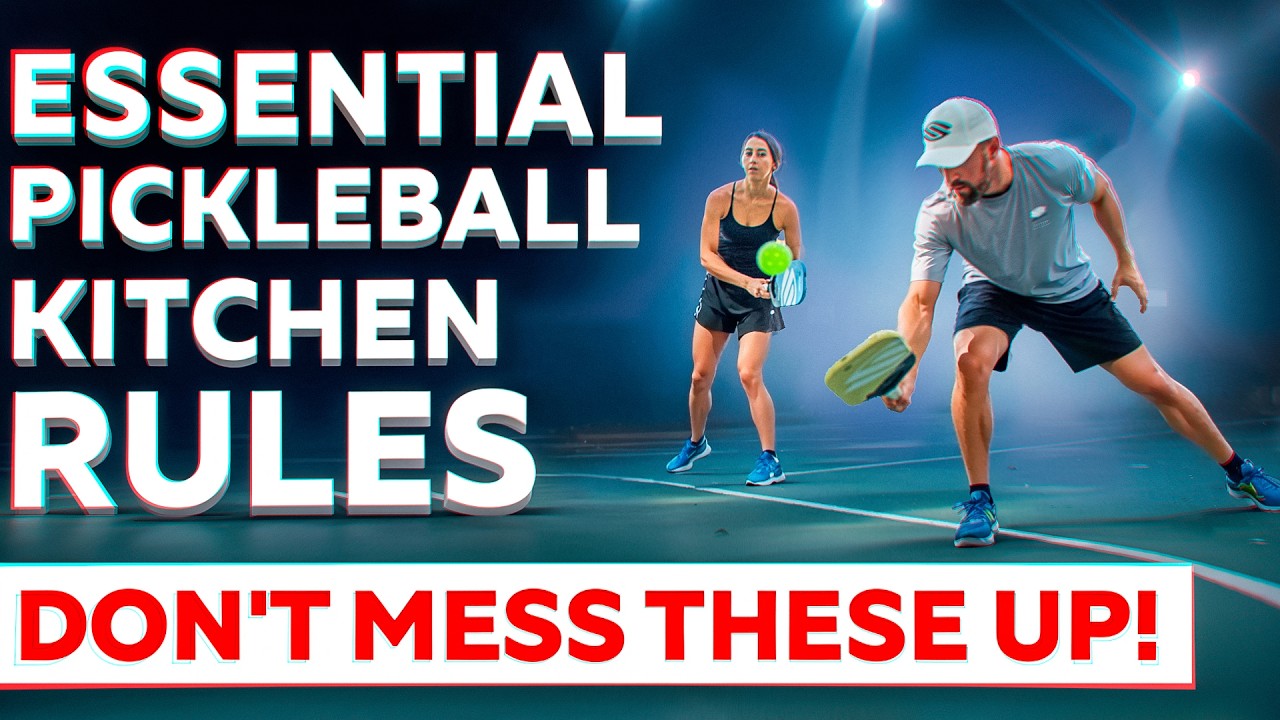
Your Ready Position Is Your Foundation
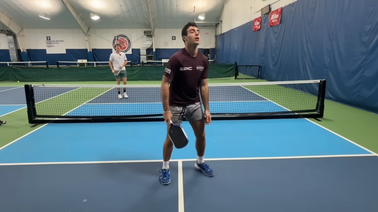
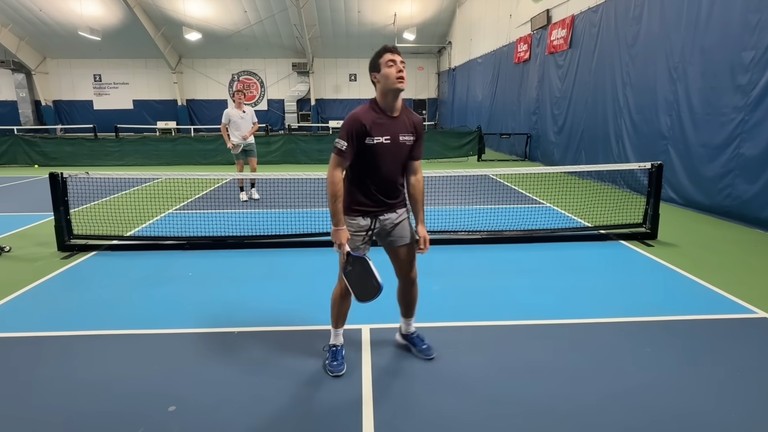
Everything starts with the ready position. Your feet should be shoulder-width apart, knees slightly bent, and weight on the balls of your feet. Your paddle stays up at chest height, ready to move in any direction. This isn't just about looking prepared; it's about actually being prepared.
You're coiled and ready, like a spring waiting to release.
A strong ready position means you can react to hard drives, soft dinks, and everything in between. You're not flat-footed or leaning back.
 The Dink Media Team
Turn Defense Into Offense With Drills
The real magic happens when you practice converting defensive situations into winning volleys. Start simple: exchange soft volleys at the net with a partner, focusing on control and soft hands. Once you're comfortable, progress to more challenging scenarios where you're handling faster balls and converting them into offensive shots.
Consistent practice with proper technique is what separates players who volley well from those who struggle. Work on your footwork, your grip, and your ready position every time you're on the court. The volley isn't something you master once and forget about; it's something you refine throughout your pickleball journey.

Love Pickleball? Join 100k+ readers for free weekly tips, news & gear deals.
Subscribe to The DinkGet 15% off pickleball gear at Midwest Racquet Sports