Stop Losing Close Games: How to Avoid 'Game-Point Behavior' in Pickleball
One silly decision at 10-6 can lead to a string of cautious, fearful points where you’re playing not to lose rather than playing to win
Stop us when you've heard this before...
You’re up 10-6. You can practically taste the victory. The opponent looks defeated, their shoulders are slumped, and you’re just one point away from tapping paddles at the net.
Then, something weird happens. You decide that now, of all times, is the perfect moment to try that behind-the-back, no-look backhand speed-up you saw on Instagram once.
Spoiler alert: it doesn’t work.
Suddenly, it’s 10-7. Then 10-8. Before you know it, you’ve lost 12-10 and you’re left wondering how a guaranteed win turned into a total collapse.
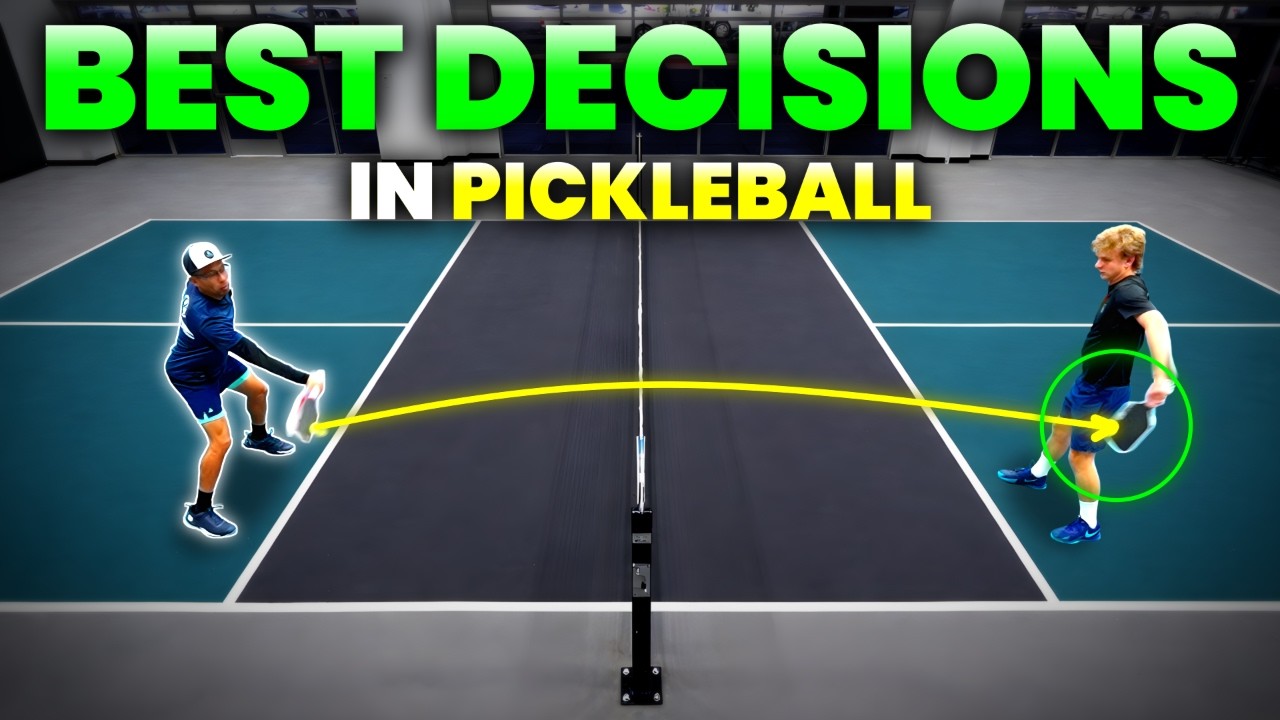
According to Kyle Koszuta, better known as ThatPickleballGuy, this isn't just bad luck. It’s a specific phenomenon he calls "Game-Point Behavior."
The 10-6 itch
In a recent video, Koszuta breaks down why so many players struggle to cross the finish line.
The core issue is that when players reach game point, they often abandon the very strategy that got them there.
It’s like a fever takes over. You start thinking you need to do something spectacular to "earn" the win, rather than just playing the solid pickleball that built your lead in the first place.
Why do we do this? Honestly, it’s probably a mix of adrenaline and a desire for a highlight-reel finish.
We want to end the game on our terms with a definitive, flashy shot. But as Kyle points out, trying a backhand speed-up from mid-court without looking is a recipe for disaster. It’s a low-percentage play that gives your opponent a massive opening to climb back into the match.
 The Dink Media Team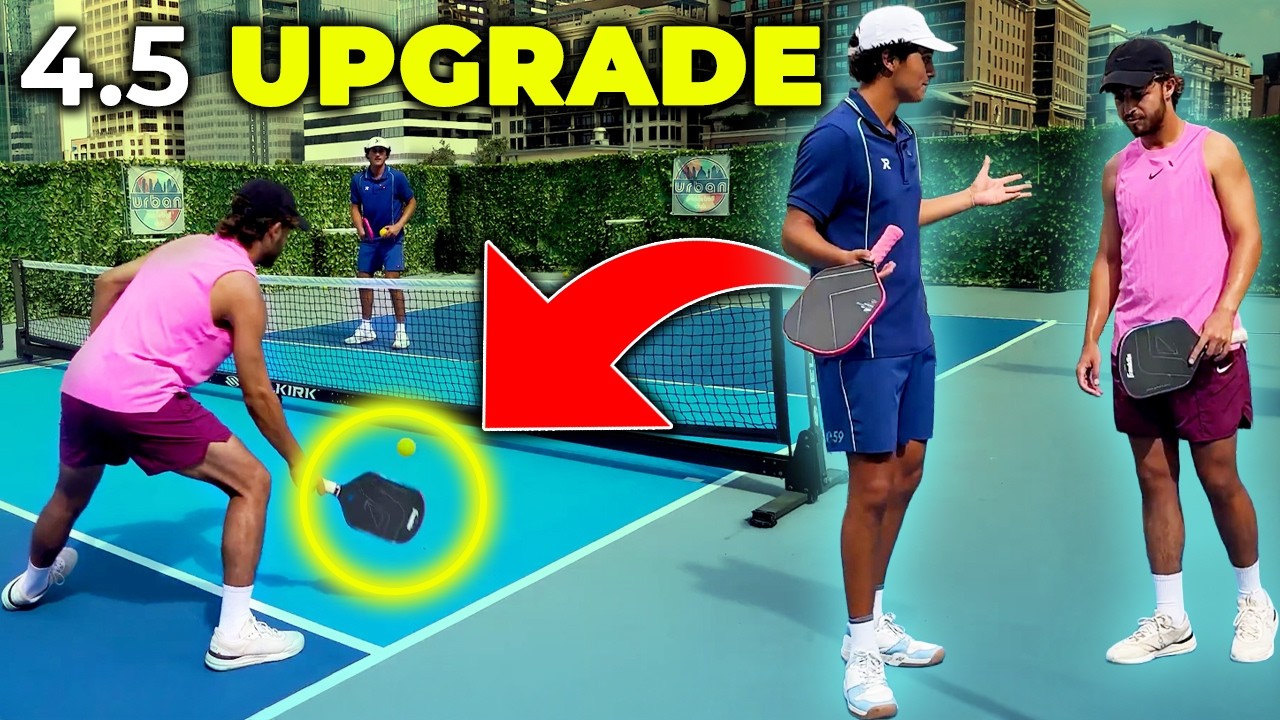
Trust the body of work
The solution is actually pretty simple, though it requires some serious mental discipline. Kyle suggests focusing on your "body of work."
Think about the previous sixteen points.
- What was working?
- Were you winning on unforced errors?
- Were your dinks landing deep?
- Was your third-shot drop consistently putting you in a winning position?
Whatever it was, that’s what you should keep doing. If you got to 10-6 by being a "boring" player who just keeps the ball in play, don't suddenly try to become Ben Johns on the final point.
Stick to the sphere of what you know works. That body of work is your safety net. It’s the foundation of your game, and it’s far more reliable than a one-off trick shot that might work 10 percent of the time but fails the other 90 percent.


The compounding effect of "dumb"
Here’s the thing about making a silly mistake at 10-6: it’s rarely just one point.
Kyle explains that these errors often have a compounding effect. When you do something "stupid" and lose a point you should have won, it shifts the momentum. You get frustrated with yourself, your partner gets tight, and the opponents start to feel a glimmer of hope.
That one bad decision at 10-6 can lead to a string of cautious, fearful points where you’re playing not to lose rather than playing to win.
By the time you look back at the game, that single flashy mistake stands out as the moment the wheels fell off.
Next time you find yourself at game point, take a breath. Remind yourself that you don't need a miracle shot to win. You just need to do exactly what you’ve been doing for the last fifteen minutes.
Keep it simple, trust your fundamentals, and leave the no-look shots for the practice court.
 The Dink Media Team

Love Pickleball? Join 100k+ readers for free weekly tips, news & gear deals.
Subscribe to The DinkGet 15% off pickleball gear at Midwest Racquet Sports