
Simple Wall Drills To Take Your Pickleball Skills to the Next Level
It's just you, your paddle, and the opportunity to repeat the same movement hundreds of times until it becomes muscle memory.
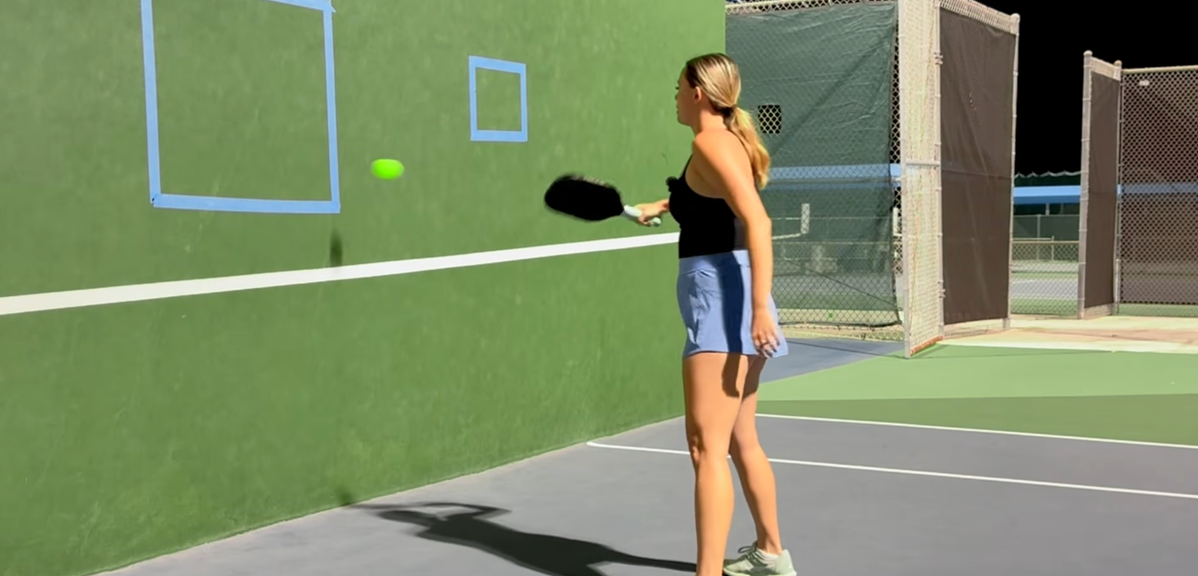
The secret to reaching 5.0 in pickleball isn't hiding in tournament brackets or league matches. It's on the wall, alone, with nothing but your paddle and the sound of the ball bouncing back at you.
That's the core message from Ava Ignatowich, a prominent pickleball instructor and content creator at @Avapickleball, who recently broke down the exact wall drills that separate elite players from everyone else.
In her latest video, Ignatowich explains how wall training forces you to take responsibility for every single ball, exposing the sloppy technique, lazy footwork, and poor contact that games alone simply won't reveal.
Love pickleball? Then you'll love our free newsletter. We send the latest news, tips, and highlights for free each week.
Why the Wall Becomes Your Best Training Partner
Here's the thing about pickleball improvement: you can play matches forever and still plateau.
Games come with variables you can't control.
- Your partner might miss an easy shot.
- Your opponents might hit a lucky winner.
- You might get frustrated and lose focus.
But the wall doesn't make excuses. It doesn't have an off day.
Ignatowich emphasizes that wall work forces accountability in a way that traditional practice simply can't match. Every ball that comes back is a direct result of how you hit it. There's no one to blame, no luck involved, just pure cause and effect. This immediate feedback loop is what makes wall training so brutally effective for players serious about reaching 5.0.
The beauty of wall drills is their simplicity. You don't need a partner. You don't need a court reservation. You don't need anyone watching or judging. It's just you, your paddle, and the opportunity to repeat the same movement hundreds of times until it becomes muscle memory.
 The Dink Media Team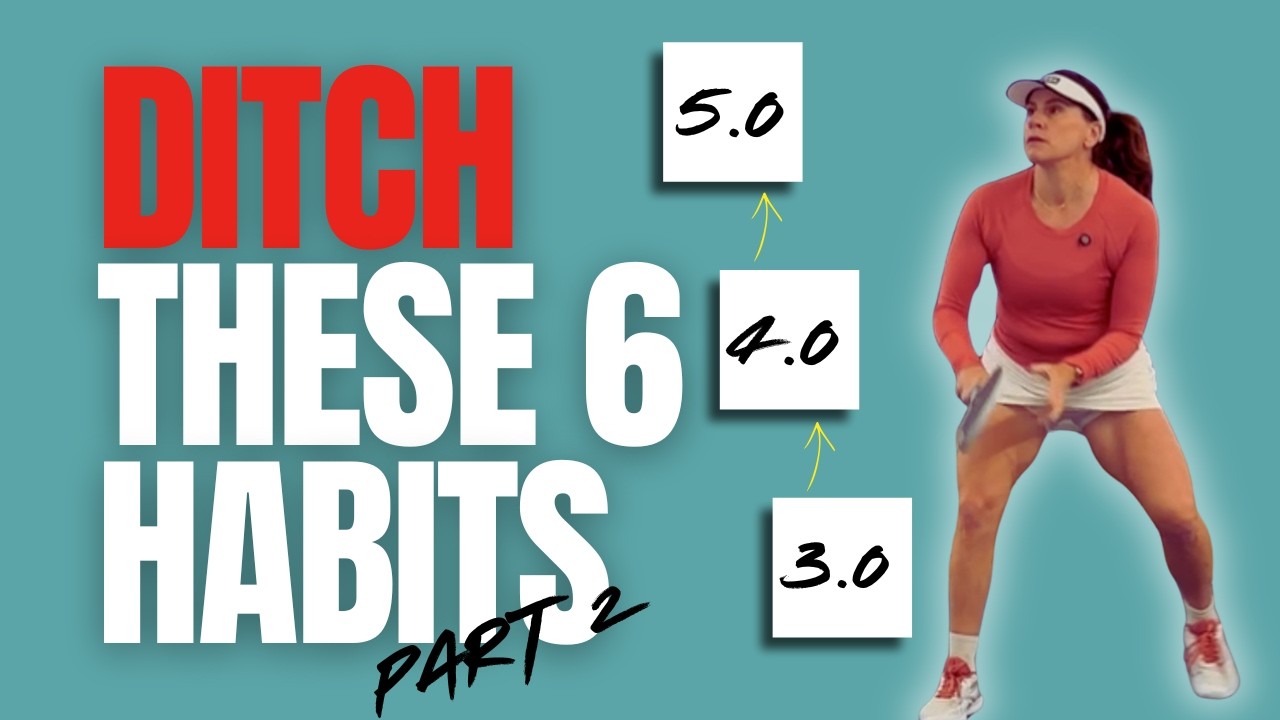
Building Faster Hands Through Repetition
One of the primary benefits Ignatowich highlights is developing faster hands. At the 5.0 level, reaction time separates the good from the great. Wall drills compress the learning curve by forcing you to react to balls coming back at you in rapid succession.
When you're hitting against a wall, the ball returns almost immediately. This constant rhythm trains your nervous system to process information faster and respond quicker. You're essentially building a faster feedback loop between your eyes, brain, and hands. Over time, this translates to better reaction speed in actual matches where split-second decisions determine winners and losers.
 The Dink Media Team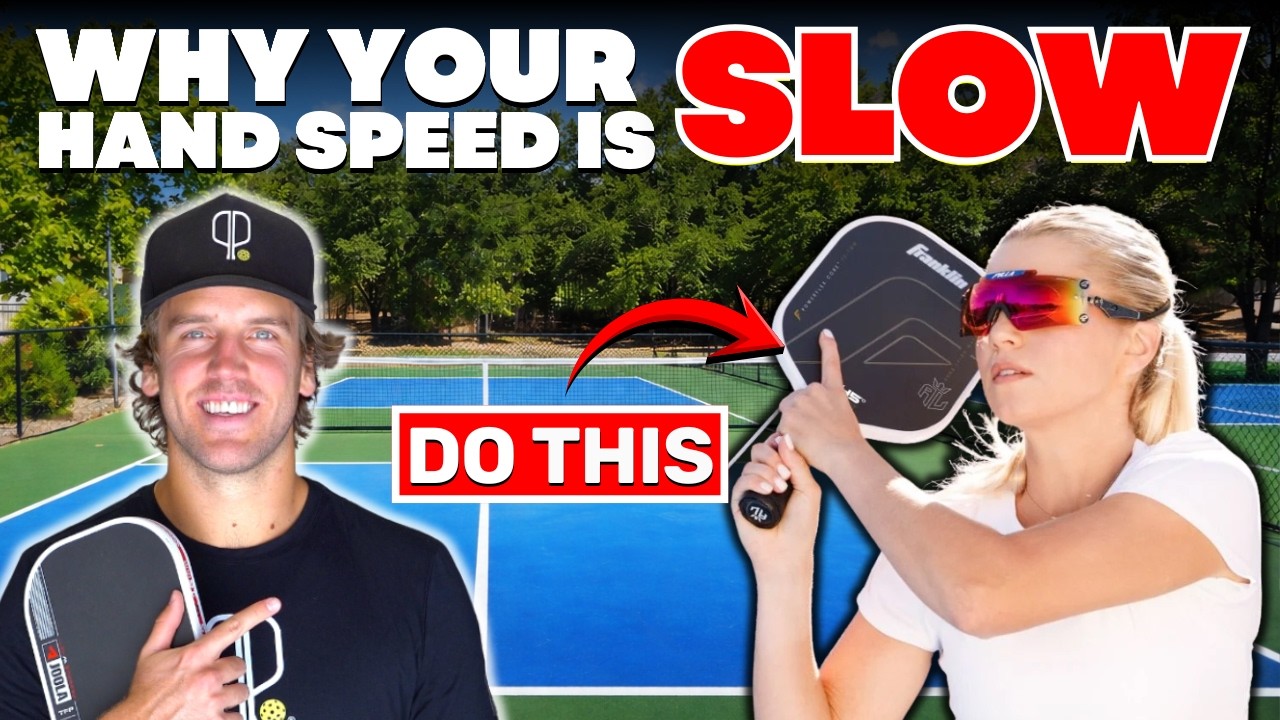
The repetitive nature of wall work also builds consistency. You're hitting the same shot dozens, sometimes hundreds of times in a single session. This repetition is where real improvement happens. It's not glamorous, and it won't show up on social media, but it's the unglamorous work that separates 4.5 players from 5.0 players.
Heads up: hundreds of thousands of pickleballers read our free newsletter. Subscribe here for cutting edge strategy, insider news, pro analysis, the latest product innovations and more.
Control and Precision: The Foundation of Elite Play
Beyond speed, wall drills develop the control and precision that define elite pickleball. At lower levels, players often rely on power or athleticism to win points. But at 5.0, control is king. You need to place the ball exactly where you want it, with the exact amount of spin and pace you intend.
Wall training forces this precision because there's nowhere to hide.
If your dink is too high, the wall will punish you. If your reset lacks touch, you'll see it immediately. If your footwork is off, your contact point suffers.
The wall provides instant, unforgiving feedback that helps you calibrate your technique.
Ignatowich points out that cleaner resets and more consistent dinks emerge naturally from consistent wall work. These aren't flashy shots, but they're the foundation of winning pickleball at the highest levels. The ability to reset a hard attack or maintain a dink rally without errors is what keeps you in points long enough to capitalize on your opponent's mistakes.
 The Dink Media Team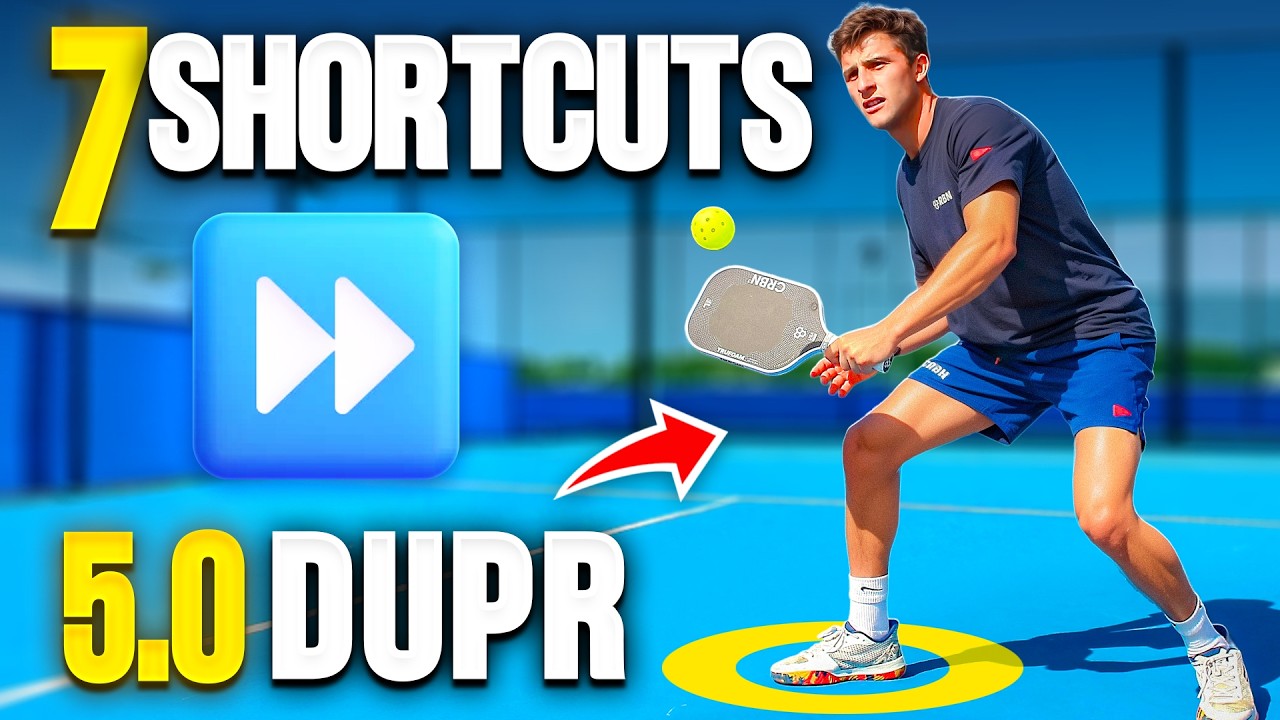
Elite Reaction Speed: The Hidden Advantage
Perhaps the most underrated benefit of wall training is the development of elite reaction speed. When you're drilling against a wall, you're training your body to respond to balls coming at you with minimal warning. This builds the kind of reflexive movement that separates 5.0 players from everyone else.
At the pro level, pickleball is played at an incredibly fast pace. Points are decided in milliseconds. Wall drills train your nervous system to operate at this speed, making you more comfortable and confident when facing fast-paced play in actual matches. You're essentially building a faster internal clock.
The Mental Game: Responsibility and Accountability
There's also a psychological component to wall training that Ignatowich touches on. When you're playing matches, it's easy to externalize failure. Your partner didn't cover the court. Your opponent got lucky. The sun was in your eyes. But on the wall, there's nowhere to hide. Every miss is your responsibility.
This accountability breeds a different mindset. You become more focused, more intentional, more committed to executing the shot correctly. Over time, this mental toughness carries over to match play. You stop making excuses and start taking ownership of your performance.
Check out Ava's brother James on the PicklePod:
Love Pickleball? Join 100k+ readers for free weekly tips, news & gear deals.
Subscribe to The DinkGet 15% off pickleball gear at Midwest Racquet Sports