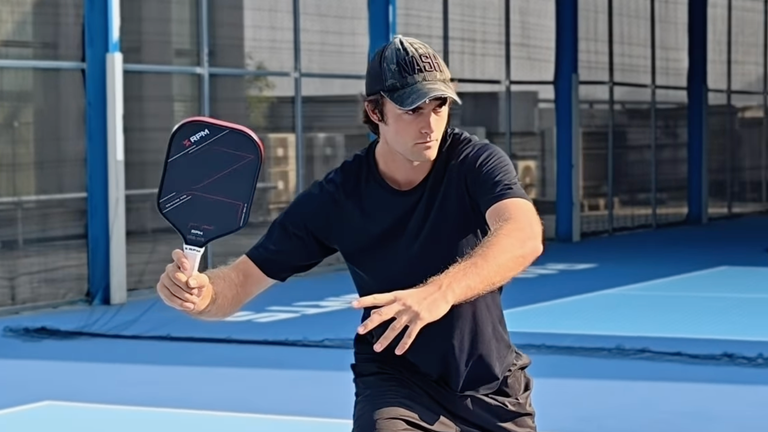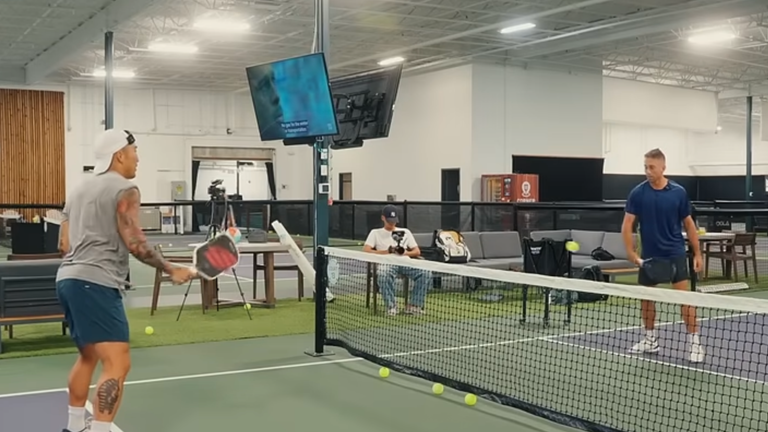

It's one of those shots that looks effortless when done right, but feels impossible when you're the one holding the paddle
If you've ever watched a pickleball match and wondered how some players seem to hit the ball harder while keeping it in the court, you've been watching topspin in action.
It's one of those shots that looks effortless when done right, but feels impossible when you're the one holding the paddle.
That's exactly what Coach Jess from Athena Pickleball addresses in her latest YouTube video. In an 11-minute breakdown, she walks through the mechanics, the mental blocks, and a practical three-step progression that can help you finally make topspin click.
Love pickleball? Then you'll love our free newsletter. We send the latest news, tips, and highlights for free each week.
The Three-Step Progression That Actually Works
Rather than throwing you into live ball drills, Coach Jess breaks topspin down into manageable chunks. Each progression builds on the last, giving your body time to develop the feel and muscle memory.
1. The Self-Feed Drill
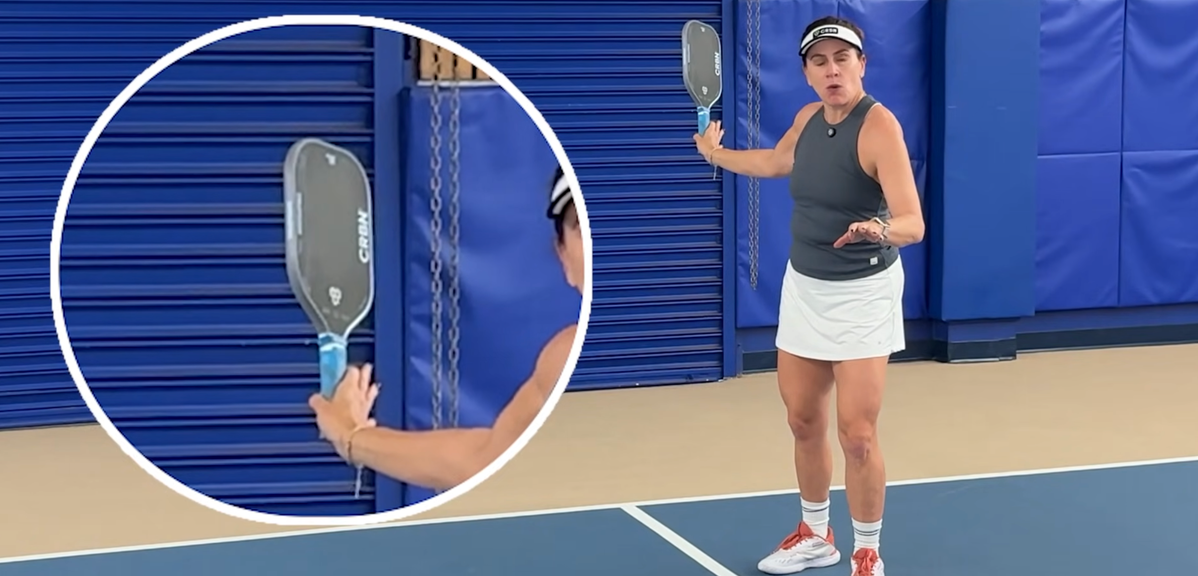
Start simple. Drop the ball in front of you and focus on one thing: getting your paddle tip down. Your palm should face the ground. Yes, it feels weird. Yes, you'll think you're going to hit the ball into the net. But that's the point. By exaggerating this position, you can actually see the ball spinning as it comes off the ground. Think of it as going from six o'clock to twelve o'clock with your paddle. The motion is extreme and low-to-high. Bend your knees if you need to. Get under that ball.
2. The Toss Drill
Once you've got the feel from self-feeding, have a partner toss you some balls with minimal pace. You're not taking a full backswing yet. You're just working on being turned to the side and letting your paddle move from low to high. The goal is to feel the difference between dropping a ball and having one come at you. Keep that palm toward the ground. Brush low to high. Repeat until it starts to feel natural.
3. Live Ball Feed
Now your partner feeds you balls with actual pace. This is where timing comes in. You need to bring the paddle back, drop the paddle face, and get under the ball off the bounce. Your paddle face shouldn't be open because of that wrist lag we talked about. Everything stays firm and stationary as you move through the shot. If you're still struggling at this stage, it's probably because you're coming through without maintaining that wrist lag. Exaggerate the palm-to-ground position even more.
 The Dink Media Team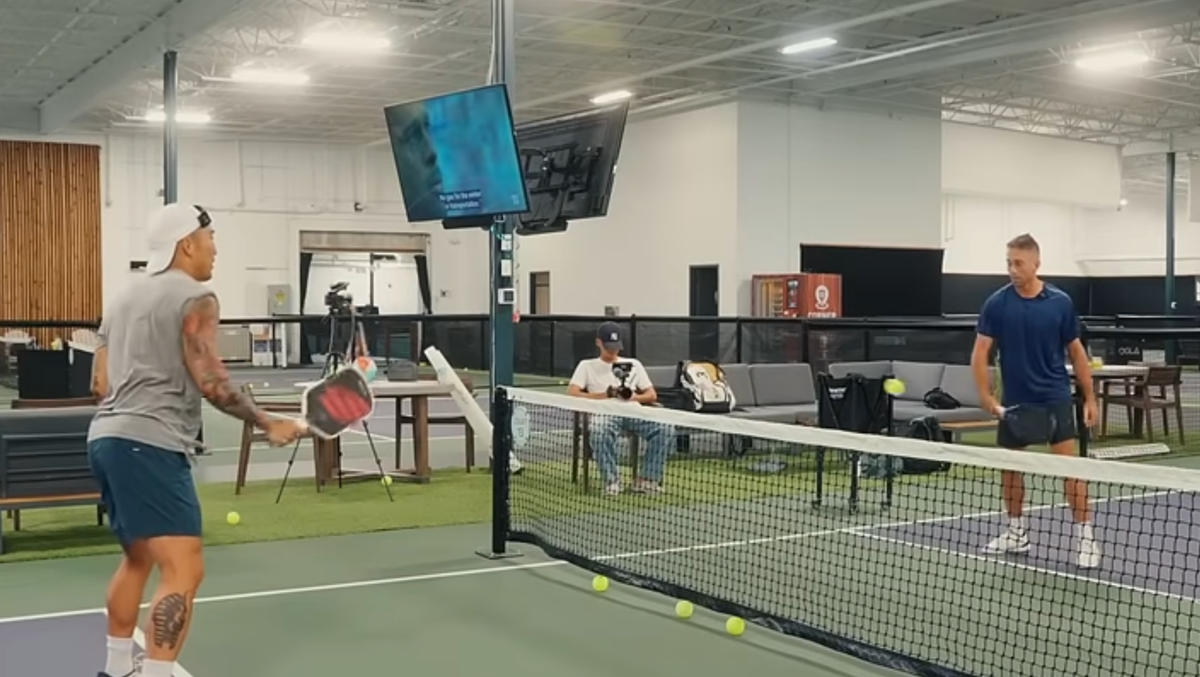
Why Patience Matters More Than You Think
Coach Jess ends with something that doesn't get enough attention: grace.
Topspin is genuinely hard to learn. It's easy to give quick tips about the mechanics, but actually ingraining the movement takes time. She encourages players to take their time, go to the court with a basket of balls, and work through the progressions without rushing.
The payoff is worth it, though. Once topspin clicks, it opens up your entire game. You can hit more aggressive dinks at the kitchen line. Your serves become more penetrating. Your swinging volleys gain control. It's not just one shot. It's a foundation for a more complete offensive game.
Coach Jess's video is a masterclass in breaking down a complex skill into digestible pieces. Whether you're a beginner struggling to understand the concept or an intermediate player who's been hitting flat forehands for years, there's something here to help you progress. The key is showing up, being patient with yourself, and trusting the process.
Love Pickleball? Join 100k+ readers for free weekly tips, news & gear deals.
Subscribe to The DinkGet 15% off pickleball gear at Midwest Racquet Sports