
Seattle Proposal Could Remove 30+ Pickleball Courts, Players Push Back
Seattle pickleball courts are under threat, and the community isn't staying quiet about it.
A new proposal from Seattle Parks and Recreation could eliminate more than 30 pickleball courts across the city, sparking backlash from local players and associations. During the pandemic, the department added pickleball lines to existing tennis courts, creating shared-use spaces that helped fuel the sport's rapid growth.
Now, under a draft “Racquet Sports Strategy,” the city is proposing to remove many of those lines and more clearly separate tennis and pickleball facilities, reports Komo News.
What the Seattle Racquet Sports Strategy Actually Proposes
Now, under a draft "Racquet Sports Strategy," the city is proposing to remove many of those lines and more clearly separate tennis and pickleball facilities, reports Komo News.
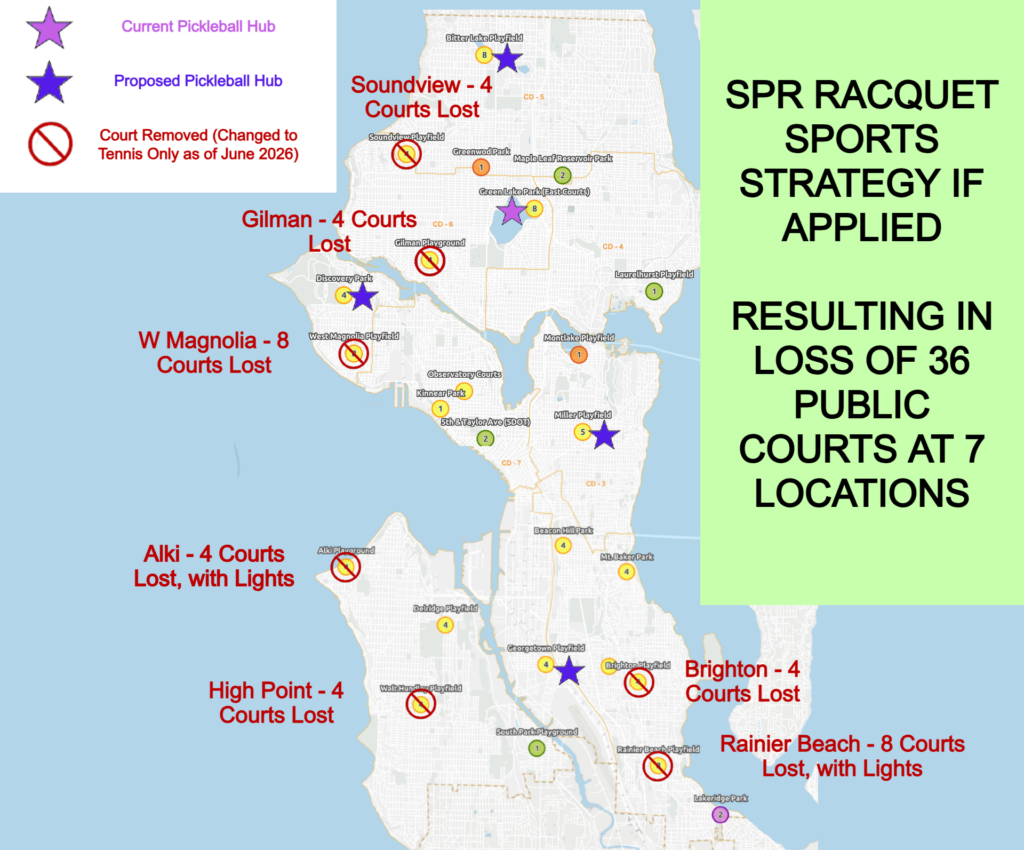
If approved, the plan would reduce Seattle's pickleball courts from 92 to 56. Seven neighborhoods would lose a combined 36 courts as soon as June. Tennis courts would remain largely intact, with 107 courts preserved.
This isn't an isolated debate. The turf war between tennis and pickleball is escalating across the country, and Seattle is now the latest flashpoint.
Why Players Say These Seattle Pickleball Courts Matter
Players say those shared courts have become essential community hubs. This is bigger than sport. It's about access.
"This is all about community," said Tony Pisa of the Seattle Metro Pickleball Association.
Others emphasized the broader impact of the sport. "You want to be healthy, you want to be active, and you want to be social... that's what pickleball is to me," said player Amy Nelson.
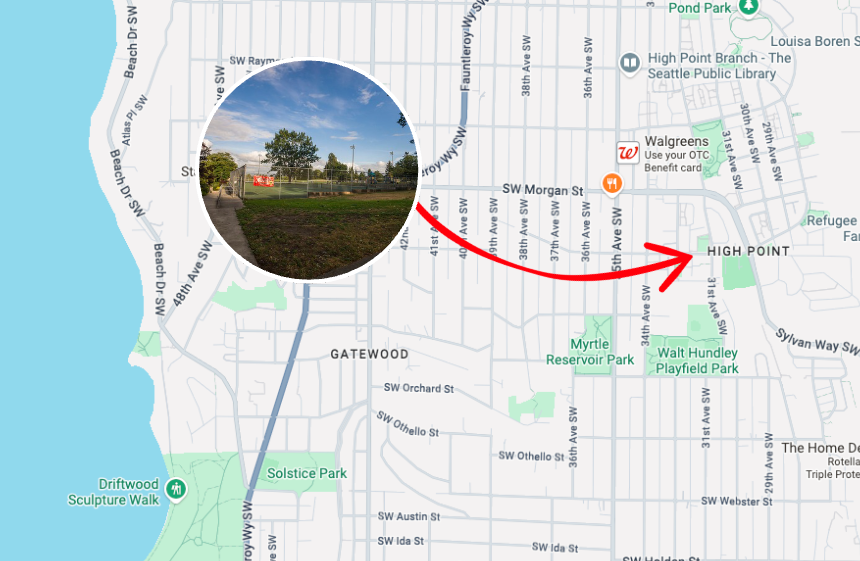
At courts like High Point in West Seattle, players question the logic behind the cuts given the high daily usage. It's hard to argue against demand when the courts are packed every morning.
Seattle Pickleball Courts as Social Infrastructure
Churches nationwide are embracing pickleball to build community, and public parks have been doing the same thing. Eliminating that access doesn't just shrink the court count. It dismantles a social network that took years to build.
According to a CBS Sports report on pickleball's surging popularity, the sport has exploded precisely because of low-barrier public access. Removing courts cuts against everything driving that growth.
The City's Justification and Where It Falls Short
City officials say the strategy is meant to balance demand between tennis and pickleball, and that additional pickleball courts will be built in other locations across the city.
Players argue that will take time, and it shouldn't be framed as a competition. "It's not a pickleball versus tennis, it's a pickleball and tennis," Pisa said.
This Seattle Pickleball Proposal Isn't the First of Its Kind
Seattle isn't alone. Carmel could become California's first city to fully ban public pickleball, and another town has considered a ban on private pickleball courts entirely. The pattern is real: as pickleball grows, so does the institutional resistance to it.
Some cities have approached noise concerns differently. One municipality even required foam balls for pickleball to reduce noise rather than removing courts altogether. That's the kind of creative compromise Seattle players are asking for.
The Petition and What SMPA Is Demanding
A petition being pushed by SMPA opposing the plan has reportedly already gathered 2,000 signatures.
According to SMPA's website, the below locations could be impacted by the proposal.
"Our official State sport, Pickleball unites neighbors, families, people of all ages, and newcomers of all backgrounds, fostering friendships and fitness in our parks and on our courts," SMPA's petition states.
Yet Seattle Parks' draft Outdoor Racquet Sports Strategy plans to eliminate 36 outdoor courts citywide, slashing access as early as June 2026.
What SMPA Is Asking For
As part of the petition, SMPA is asking Seattle Parks to:
- Preserve existing pickleball access on these 36 dual-use courts until the new pickleball courts are built.
- Study alternatives that expand access for both tennis and pickleball players, rather than reducing court availability.
- Ensure that new plans support the equity, inclusion, and community-building that is part of the game of pickleball in Seattle's parks.
The ask is reasonable. Don't tear down what's working until something better is ready to replace it.
What's at Stake for the Future of Seattle Pickleball Courts
The New York City youth pickleball program backed by MLP shows what's possible when cities invest in access rather than restrict it. Seattle has an opportunity to do the same. Instead, it's moving in the opposite direction.
Pickleball courts are revitalizing forgotten lots across the country, including space beneath the Brooklyn Bridge. Seattle's existing dual-use courts are already doing that work.
The community has until the proposal is finalized to make its voice heard. The petition is live, the signatures are growing, and the courts are still open.
For now.
Below is a brief news story from Komo News on the proposed pickleball court cuts in Seattle:
Image source.
Frequently Asked Questions
How many Seattle pickleball courts could be removed under the proposal?
Under the current draft proposal, Seattle Parks and Recreation could remove 36 pickleball courts, reducing the city's total from 92 to 56. The cuts could take effect as early as June 2026, affecting seven neighborhoods.
Why is Seattle proposing to remove pickleball courts?
The city says the goal is to balance demand between tennis and pickleball by more clearly separating the two sports across different facilities. Many of the courts at risk were added during the pandemic by painting pickleball lines on existing tennis courts, and officials argue that arrangement has created scheduling conflicts.
What is the Seattle Metro Pickleball Association doing about the court cuts?
SMPA has launched a petition opposing the proposal that has already gathered more than 2,000 signatures. The association is asking the city to preserve dual-use court access until new dedicated pickleball courts are built and to explore alternatives that expand access for both sports rather than limiting either.
Is the tennis vs. pickleball court conflict happening in other cities?
Yes, the tension between tennis and pickleball over shared public court space is a nationwide issue. Cities like Carmel, California have considered outright bans on public pickleball, and other municipalities have implemented noise restrictions as a compromise to avoid removing courts entirely.
How can Seattle pickleball players fight the proposed court removals?
The most direct action is signing SMPA's petition and showing up to public comment sessions hosted by Seattle Parks and Recreation. Players can also contact their city council representatives directly to advocate for preserving dual-use court access while new dedicated facilities are being developed.

Love Pickleball? Join 100k+ readers for free weekly tips, news & gear deals.
Subscribe to The Dink