
Right Side or Left Side? How Modern Doubles Is Rewriting the Pickleball Playbook
Understanding your position's traditional responsibilities is important, but being able to adapt and create offense from anywhere on the court is what separates good players from great ones.
The pickleball world has spent years obsessing over one fundamental question: Are you a left-side player or a right-side player? It's become almost tribal, the way people identify with their court position.
But here's the thing; that rigid framework? It's crumbling.
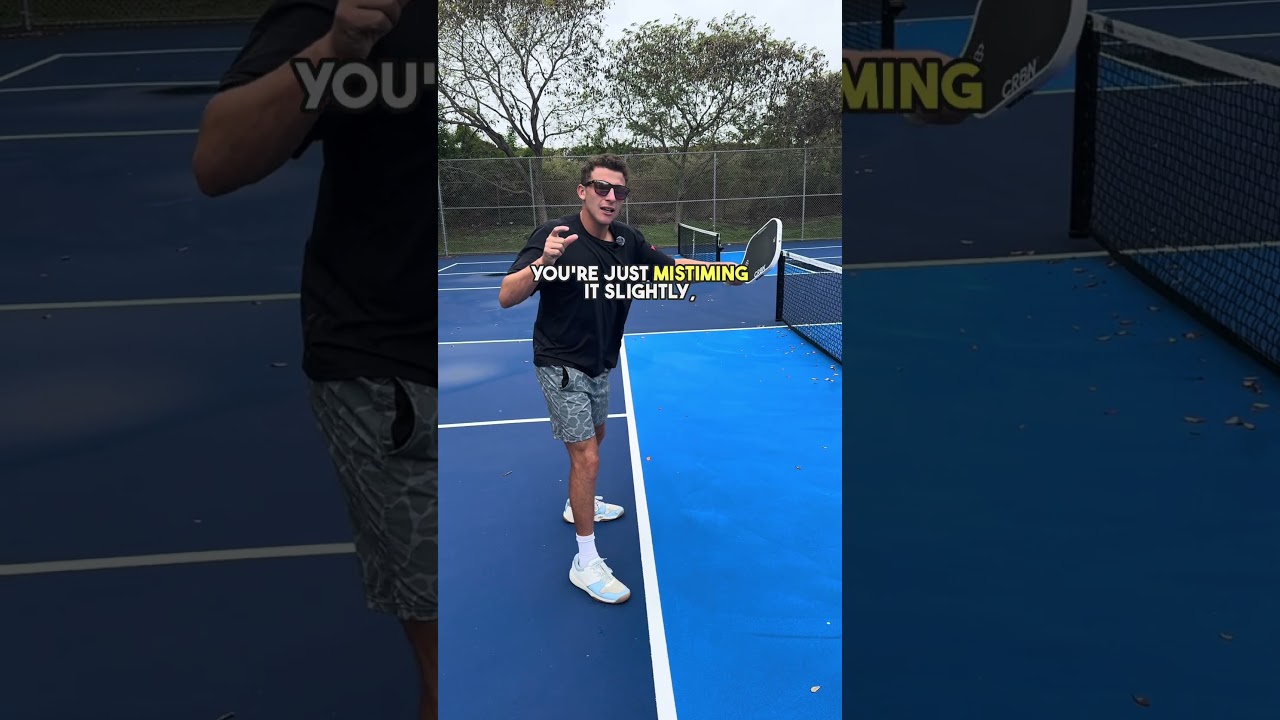
In a recent video breakdown, APP pro Jack Munro challenges everything we thought we knew about doubles positioning.
He argues that while traditional roles still matter, the modern game has evolved into something far more fluid and dynamic. The old alpha-versus-beta dynamic is giving way to a more nuanced understanding of how both sides operate, and frankly, it's reshaping how competitive players should think about their game.
The Traditional Left-Side Player: More Than Just the Alpha
Let's start with what we've always known about left-side players. They're typically right-handed, the ones initiating offense. But Munro goes deeper than the surface-level stuff.
The real advantage? Their forehand sits in the middle of the court. That's not just a minor detail; it fundamentally changes their shot selection. While a right-side player's backhand occupies that middle real estate, a left-sider can unleash forehands with multiple options: inside-out angles, middle shots, inside-in plays.
They can hide speedups beautifully because it's their natural stroke. This is why you see players like Ben Johns or JW Johnson constantly creeping over the centerline to take balls that technically belong to their partner. They're not being greedy; they're playing smart.
The responsibility that comes with this positioning is real. Left-side players dictate tempo and pace. They're the ones who should be creating offense, whether that's off the bounce or out of the air. According to Munro, if you're playing left side and you can't generate offense, you're leaving points on the table.
The key shots every left-side player needs to master?
- A consistent one-handed backhand crosscourt dink
- A two-handed roll crosscourt dink
- Two-handed speedups
- A backhand flick
That last one, the backhand flick, is crucial because it creates offense when the ball's in the air. Too many left-siders get stuck in reset mode, and that's a missed opportunity.
 The Dink Media Team
The Right-Side Player: The Rock Gets Sharper
The traditional narrative says right-side players are the setup crew, the steady hands, the ones who make their partner shine. And that's still true, but Munro suggests it's incomplete.
Right-siders cover roughly 40 to 50 percent of the court. Their backhand is in the middle, which means less reach and less court responsibility.
The classic right-side mentality? Hit six, seven, eight dinks crosscourt before your partner finally gets involved.
Patience over aggression. Consistency over flash.
Heads up: hundreds of thousands of pickleballers read our free newsletter. Subscribe here for cutting edge strategy, insider news, pro analysis, the latest product innovations and more.
But here's the controversial part: Munro argues that right-side players should develop almost no backhand shots outside of the backhand counter. Seriously. He's saying 70 to 80 percent of your shots should be hit as a forehand, even if it means reaching across your body. Why? Because anything past the centerline or near your left foot, your partner's going to take with their forehand anyway. You might as well run around and hit what you do best.
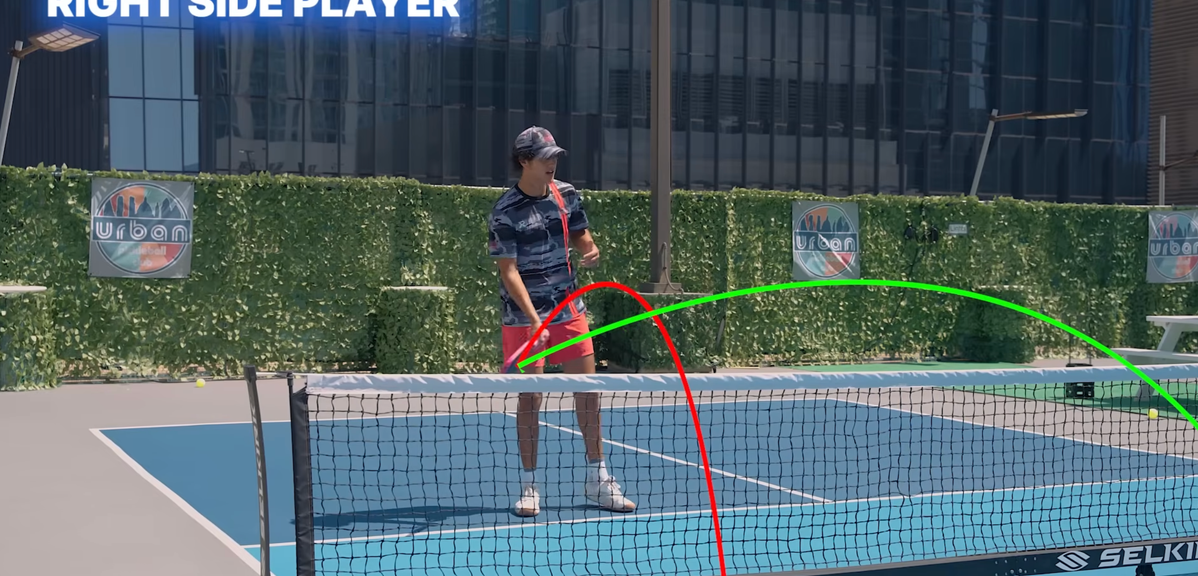
The most important weapon for a right-sider? The forehand roll dink crosscourt. It's easier to hit than a backhand dink, it adds aggression, and here's the kicker; it looks identical to a forehand speedup.
That deception is gold. You can hide your speedups beautifully with a roll dink, whereas a cup dink gives away your intentions immediately.
 The Dink Media Team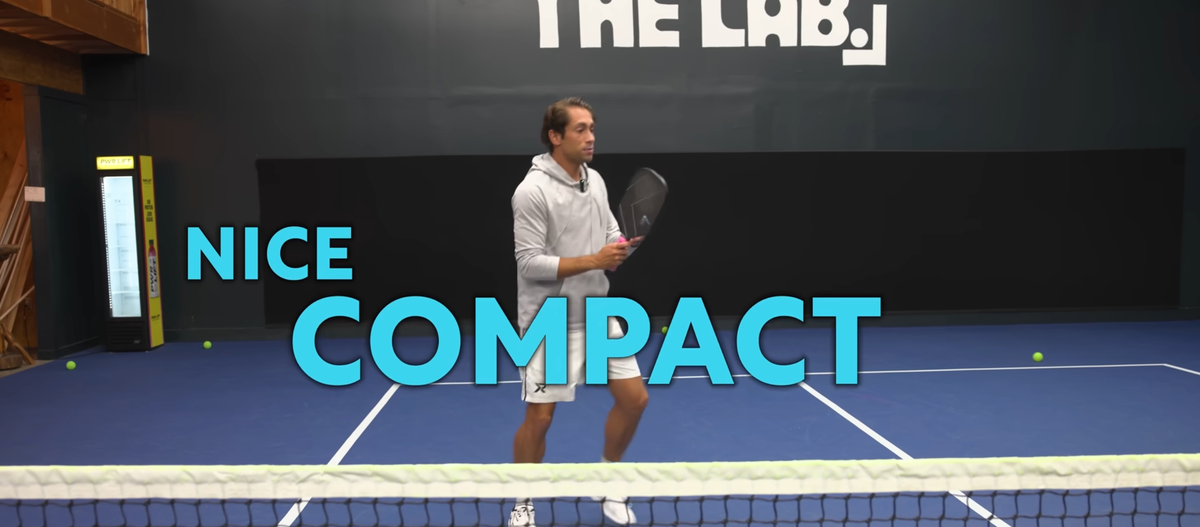
The Modern Game Changes Everything
This is where Munro really makes his case for why the traditional framework is becoming outdated. The game has shifted dramatically over the past three years, and the roles are now much more fluid.
Modern right-side players aren't just being consistent anymore. They're creating their own patterns to generate offense. Players like Gabe Tardio and Christian Alshon will poach with their backhand when their partner rips a drive. They're not staying back and waiting to get to the kitchen; they're actively looking to put the ball away. If they get a dead ball on the right side, they're not just rolling it back crosscourt. They're looking to create offense with a speedup, a lob, or an off-pace ball.
This shift means both sides of the court now have opportunities to generate offense and win points.
At the highest level, you see this play out in matches between top pros. Ben Johns and Gabe Tardio versus Andre Descu and Christian Alshon showcased this fluidity perfectly. Alshon will step into the middle and play 60 percent of the court even though he's technically on the right side. It all depends on the current pattern and what the moment demands.
 Erik Tice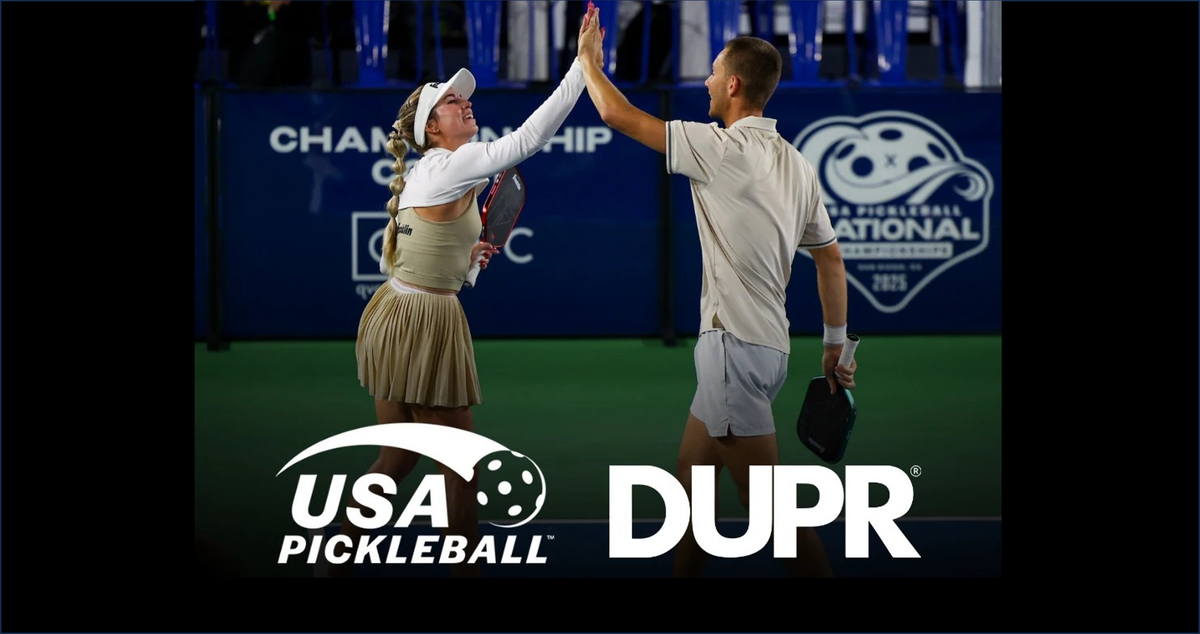
What This Means for Your Game
So what's the takeaway for players trying to improve? The traditional left-side and right-side roles still provide a useful framework, but they're no longer the whole story.
Understanding your position's traditional responsibilities is important, but being able to adapt and create offense from anywhere on the court is what separates good players from great ones.
- For left-siders, that means developing a complete offensive toolkit. You can't just rely on your forehand advantage in the middle. You need to know when to flick, when to roll, when to speed up, and how to counter effectively.
- For right-siders, it means being more aggressive than the old playbook suggested. You're not just a support player anymore. You're a threat. Run around your backhand, develop your forehand game, and look for opportunities to poach and create offense.
The bigger picture? Pickleball is evolving faster than most players realize. The game that was played three years ago isn't the game being played today. The roles are more dynamic, the strategies are more complex, and the players who adapt fastest will be the ones winning matches.
Love Pickleball? Join 100k+ readers for free weekly tips, news & gear deals.
Subscribe to The DinkGet 15% off pickleball gear at Midwest Racquet Sports