


Pro Tip: You're Not Poaching Off Your Partner's Third Shot Nearly Enough
Poaching comes down to three things: good footwork, smart timing, and trust in your partner
Poaching in pickleball is one of those moves that looks flashy when it works and feels devastating when it doesn't. But it's not magic. It's footwork, timing, and trust.
Selkirk TV's latest lesson from pickleball pro Susannah Barr breaks down exactly how to poach like a pro off your partner's third shot, turning you from a spectator at the net into an aggressive threat.
Love pickleball? Then you'll love our free newsletter. We send the latest news, tips, and highlights for free each week.
What Makes a Good Poach?
A solid poach isn't about lunging wildly at every ball that comes near the net. It's built on footwork and timing. Without those, you're just flailing around and probably annoying your partner.
Susannah emphasizes that the quality of your poach depends directly on how well you move. Your feet need to be in the right place at the right time, and your split step needs to be sharp enough that you can react instantly to where the ball is going.
 The Dink Media Team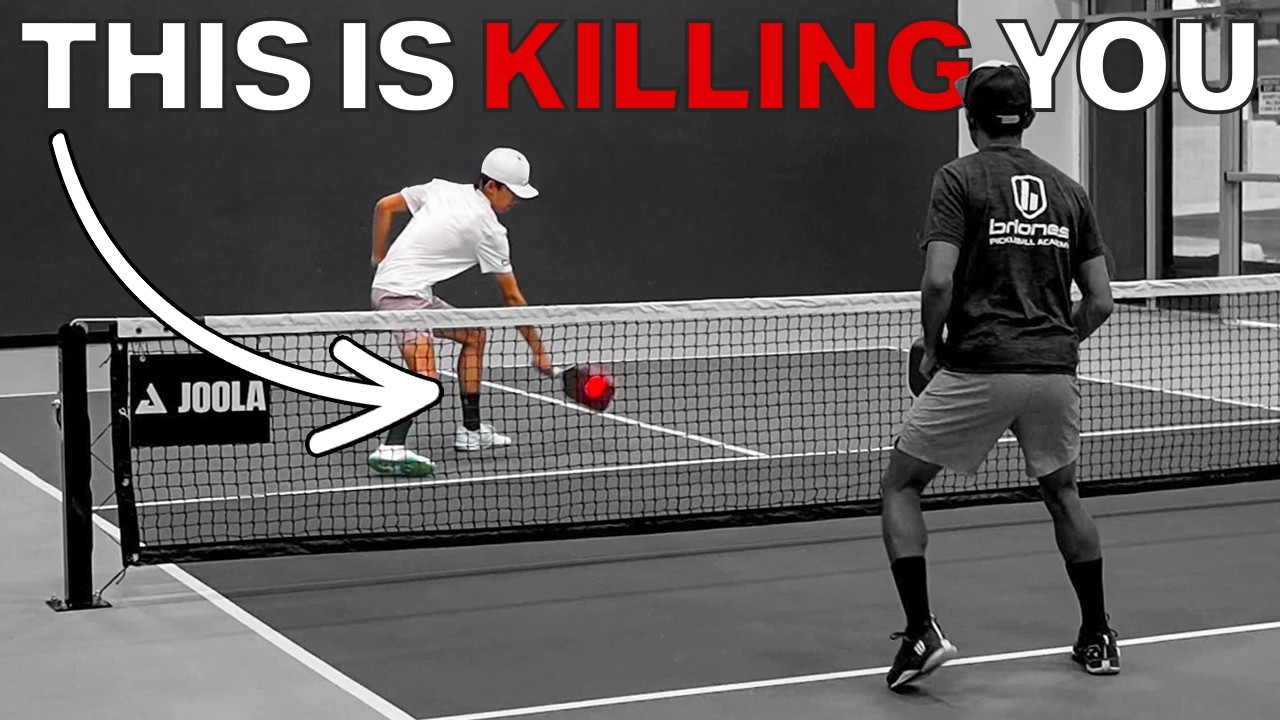
Reading the Third Shot
The key to a successful poach starts before you even move. You need to evaluate what your opponent is doing with their third shot. Are they hitting a soft drop, or are they driving it harder?
As your opponent hits that third shot, you're stepping in and reading the quality of their shot. The better the drop, the further up you can come. A weak drop means you can be more aggressive and move forward faster. A good drop keeps you honest and forces you to stay a bit deeper.
The Split Step and Lateral Movement
Here's where the footwork magic happens. You'll want to split step about two to two and a half feet off the kitchen line. This gives you enough time and space to laterally move and lunge into the ball when the moment is right.
The split step is your launching pad. It keeps you balanced and ready to explode in either direction. From there, a quick lateral movement gets you to the ball so you can poach it at the net.
 The Dink Media Team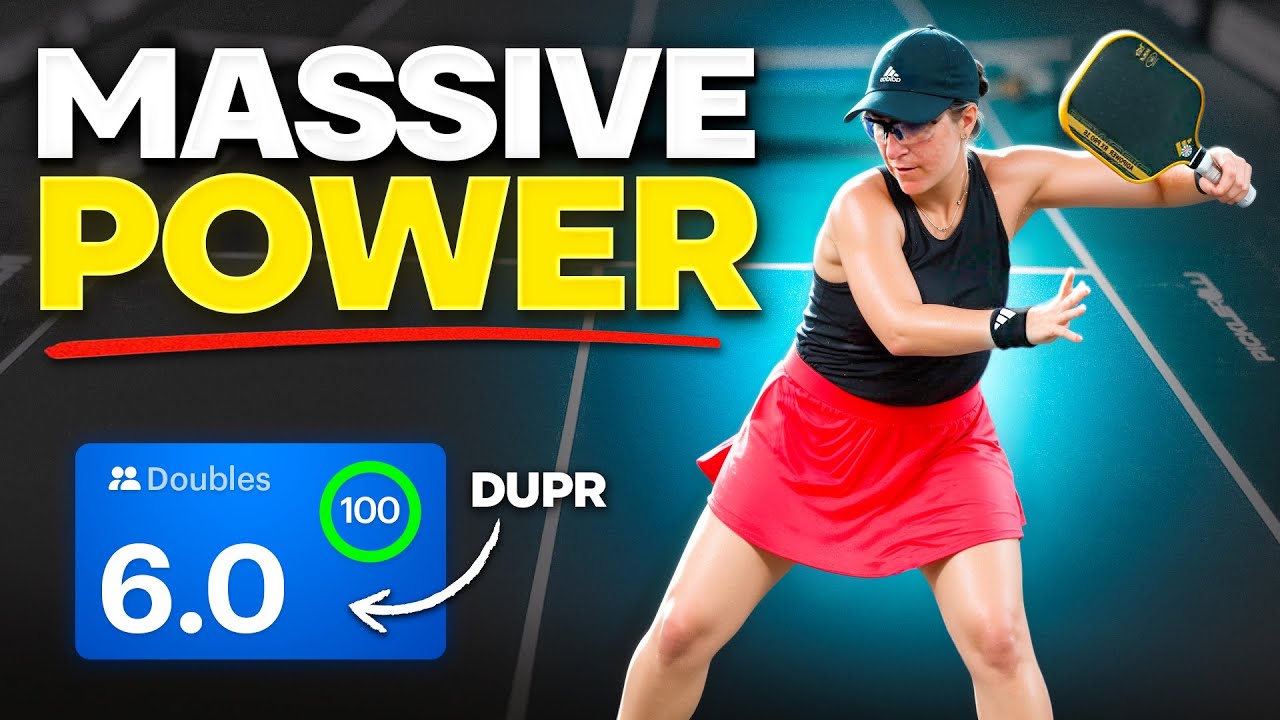
Staying Ready for the Down-the-Line
While you're thinking about poaching that middle ball, your opponent might try to burn you down the line. You need to be ready for both options.
This is where trust in your partner matters. If you're moving up aggressively, your partner needs to have your back on anything that gets past you. And you need to be positioned so you can still react to a down-the-line shot if it comes.
Timing Your Approach
One of Susannah's best tips: don't approach until you see your opponent put their head down. When they're looking down at the ball, they're committed to their shot and it's harder for them to avoid you. If you come up while they're still watching you, they'll have an easier time passing you.
This small detail changes everything. It's the difference between a poach that works and one that leaves you scrambling.
 The Dink Media Team
Adding Pressure with the Drive
The drill gets tougher when your opponent switches from a drop to a drive. Now you don't have as much time to react, but the principle stays the same. The more you practice, the quicker your reactions become.
When your partner is driving, you'll probably want to come a bit more toward the middle anyway, since most drives go middle. That actually works in your favor for poaching.
Heads up: hundreds of thousands of pickleballers read our free newsletter. Subscribe here for cutting edge strategy, insider news, pro analysis, the latest product innovations and more.
Why Poaching Matters
Poaching isn't just a flashy move. It puts real pressure on your opponents. When Damian moves up aggressively and trusts his partner's third shot, he's forcing the other team to hit a perfect shot or lose the point. That's how you win matches.
This is something you see at the highest levels of pickleball, but there's no reason you can't be practicing it too. It's all about repetition and building that muscle memory.

Love Pickleball? Join 100k+ readers for free weekly tips, news & gear deals.
Subscribe to The DinkGet 15% off pickleball gear at Midwest Racquet Sports


