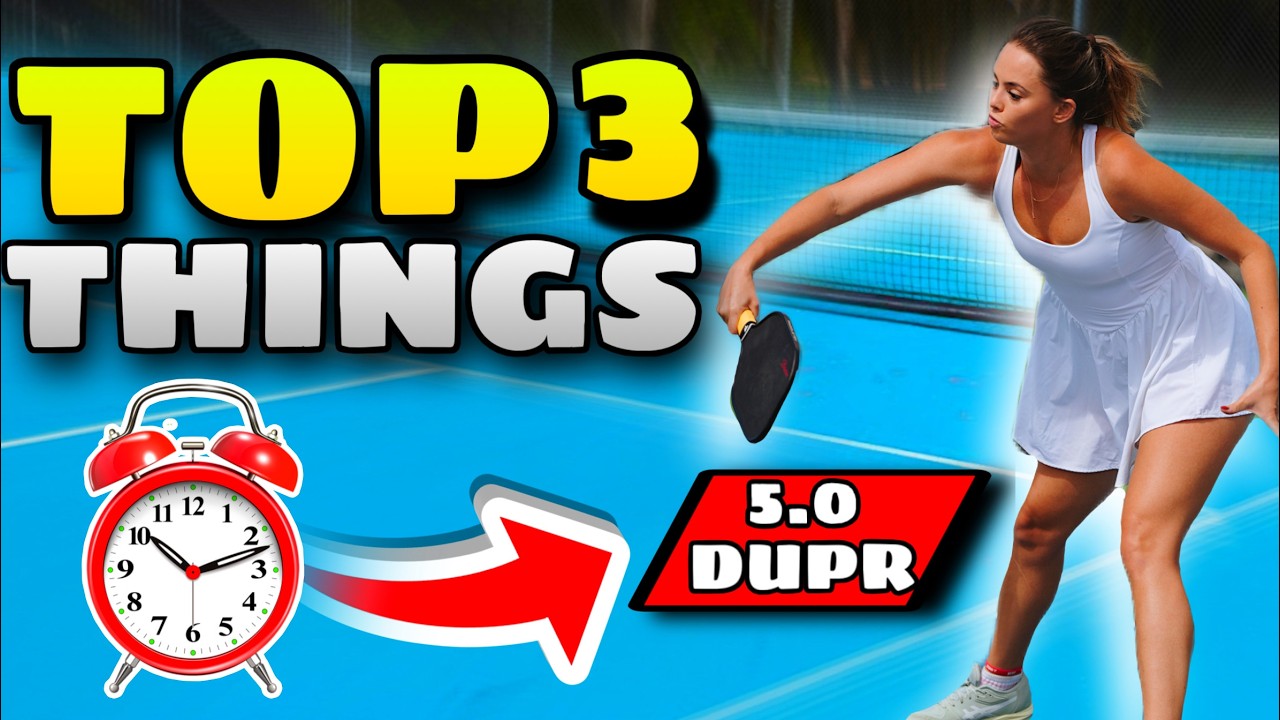


None of these habits are complicated. Start with one or two, get them solid, then add another. That's how pros build their game.
Pro pickleball players make the game look effortless. They move with precision, react faster than seems humanly possible, and hit shots that leave you wondering how they even saw the ball coming.
But what separates the pros from everyone else isn't some secret technique or expensive equipment. It's a collection of small, deliberate habits that compound over time.
In a recent video, Enhance Pickleball breaks down seven of these pro-level fundamentals that you can start working on today.
Love pickleball? Then you'll love our free newsletter. We send the latest news, tips, and highlights for free each week.
Pickleball Tips: Stay Low in the Right Spots
The most obvious difference between amateur and pro players is posture. Pros stay low. But here's what amateurs get wrong: they think they need to be in a deep squat the entire point. That's exhausting and unnecessary.
The real pro move is knowing when to be low. The transition zone is the critical one. When you're moving from the baseline toward the kitchen, stay low with a wide base and your paddle down. This position lets you react explosively to whatever your opponent throws at you. If you're standing upright during this phase, you're already behind.
After you hit your serve, get low again. You're about to hit your third shot, and you need to be ready to move in any direction. Same goes at the kitchen line during dink rallies. You don't need to be as low as in the transition zone, but a slightly wider stance with bent knees makes those side-to-side lunges way more efficient.
 The Dink Media Team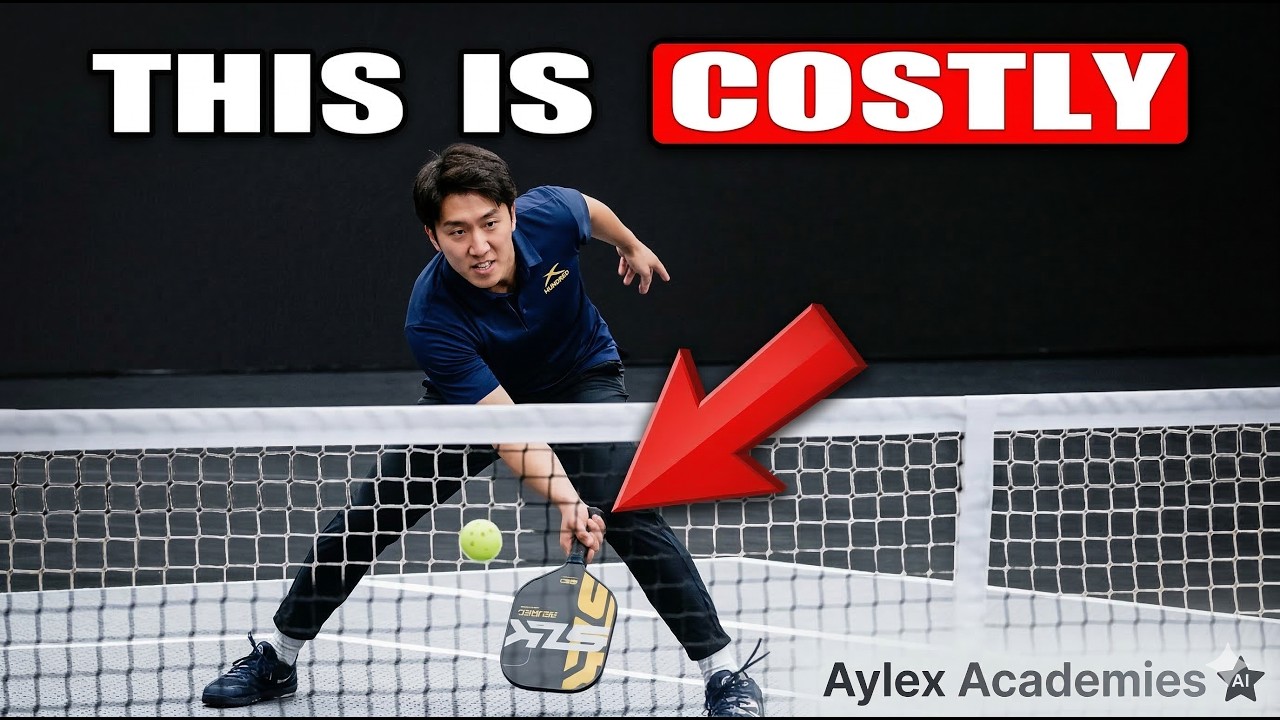
Pickleball Tips for Faster Hands and Reactions
When someone fires a ball at you, your instinct is to jump. It's a natural defensive reaction. Pros don't do this. They keep their head level and still, which sounds simple but takes real practice to reprogram.
Jumping actually takes you off the ball and makes it harder to react to where it's going. At the kitchen, a still head means faster reactions and better hands battles. Here's a trick that works: imagine you're balancing a glass of water on your head. If you're doing it right, the glass stays full. If you're popping up or moving around, it spills. That mental image helps you stay composed when things get fast.
Hit Compact Volleys Every Single Time
Amateurs hit volleys all over the place. One volley has a big backswing, the next one doesn't. There's no consistency, which means no rhythm and no speed.
Pros keep their volleys simple and identical. They take the paddle back and forward with a compact motion. No elaborate windup. No big followthrough. Just a clean, efficient stroke that lets them react faster and stay consistent in hands battles.
One practical tip: don't take your paddle behind the kitchen line. That simple boundary keeps your backswing compact and your volleys tight.
 The Dink Media Team
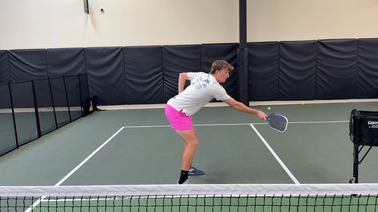
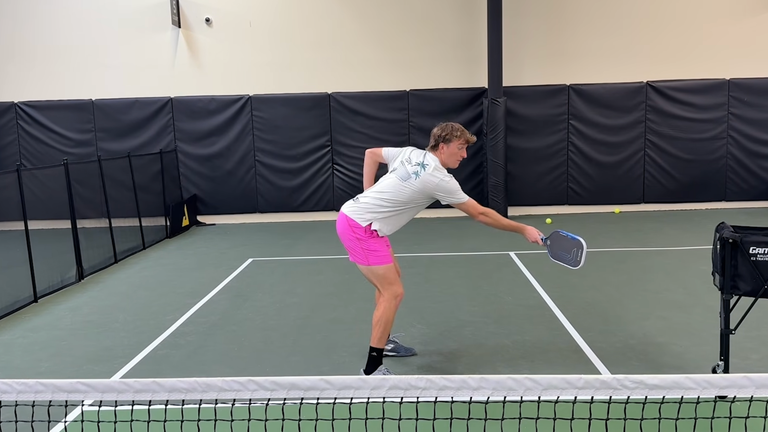
Master the Backhand Flick
The backhand flick is the shot that separates recreational players from competitive ones. At higher levels, opponents are constantly dropping soft shots into the kitchen. You're reaching, and you need an attacking option.
The backhand flick is perfect for this because your backhand naturally covers your body. Most of the power comes from your wrist, with just a slight extension from your elbow. You're bringing the paddle up and forward in one fluid motion. Use it when your opponent goes soft and you have to reach. It gives you the ability to attack from a position where amateurs would just hit a slow volley or back up entirely.
Use More Around-the-Post Shots
Around-the-post (ATP) shots intimidate recreational players more than they should. The concept is simple: if you can draw a line from your paddle to the sideline around the post, go for it.
All you need is a small shuffle step and good aim. The key mistake amateurs make is hitting the ATP too high. If you do that, your opponent can attack and you're out of position. Hit it low and hard, and it becomes nearly impossible to return. Give it some practice, and you'll be surprised how often this shot works.
 The Dink Media Team
Speed Up with Purpose, Not Just Power
Hitting the ball hard doesn't mean hitting it smart. Recreational players speed up at their opponent's backhand or body because those seem like obvious targets. But pros know that's exactly where your opponent is waiting.
Pros use three specific speed-up targets:
- Crossbody: Your opponent isn't ready for you to go across their body. Plus, the triangle method says the ball is more likely to come back to your side on the next shot, setting you up for a winner.
- Chicken wing: The area from the right hip to the right shoulder is awkward to hit from. It's the gold standard target if you're not sure where else to go.
- Gap speed-up: If your opponent shifts toward the middle, there's a gap down the line. If they shift to the side, there's a gap down the middle. Always have a target in mind.
 Jason Flamm
Close the Gap in the Middle
This is the move you see pros do constantly but rarely see recreational players attempt. When your partner hits the return and your opponent floats a third shot toward the middle, scooch over and take it aggressively. You don't have to stay on your side of the court if you have a better opportunity than your partner.
Same thing applies during dink rallies. If your opponent hits a dink to your partner's inside leg and it floats up slightly, you can move over and attack. Pros do this all the time because it's effective. Don't feel bad about creeping onto your partner's side when you have the better shot.
 Alex E. Weaver
Frequently Asked Questions
What are the best pickleball tips for beginners?
Start with positioning and consistency. Focus on staying low, keeping your head still, and using compact swings.
These fundamentals build a strong base before adding advanced shots.
How do pro players improve so quickly?
They focus on small habits and repeat them daily.
Improvement comes from consistency, not one big breakthrough.
What is the most important pickleball tip for winning points?
Shot selection matters more than power.
Choosing the right target and timing leads to better outcomes than hitting harder.
How can I get faster hands in pickleball?
Keep your movements compact and your head still.
This allows quicker reactions during fast exchanges at the net.
Do I need advanced shots to play like a pro?
No, you need better fundamentals first.
Advanced shots only work when built on strong positioning and consistency.

Love Pickleball? Join 100k+ readers for free weekly tips, news & gear deals.
Subscribe to The DinkGet 15% off pickleball gear at Midwest Racquet Sports