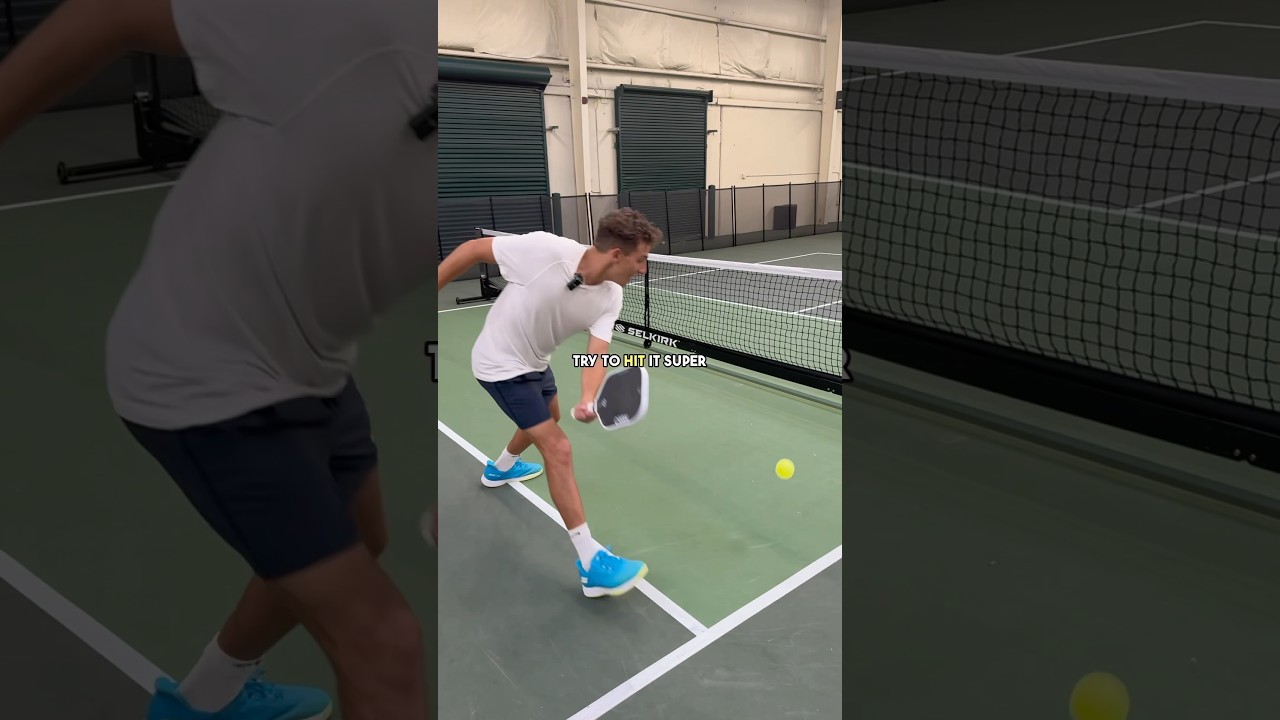
Whether you're serving, returning, dinking, or driving, knowing where to aim gives you control over the rally and keeps your opponent reacting instead of attacking.
Pickleball strategy often comes down to one simple question: where should you aim?
PlayPickleball.com breaks down the answer in their latest video, offering a comprehensive guide to shot placement that covers every phase of the game.
Whether you're serving, returning, or locked in a dink battle at the kitchen line, knowing exactly where to target your shots can transform your win rate and keep opponents guessing.
Love pickleball? Then you'll love our free newsletter. We send the latest news, tips, and highlights for free each week.
Pickleball Shot Placement on the Serve
Your serve is the first opportunity to put pressure on your opponent.
The conventional wisdom says aim deep in the back fourth of the court, but there's more nuance to it than that.
PlayPickleball.com recommends three primary targets for your serve:
- The corners, though this is a lower-percentage shot.
- Into your opponent's body, which is one of the most effective placements.
- To the opposite side of their paddle hand, forcing them to choose between running around the ball or hitting a backhand.
Hitting into the body on the non-paddle side often jams your opponent and creates a popup. The key is varying your serve locations and speeds so they can't predict what's coming.
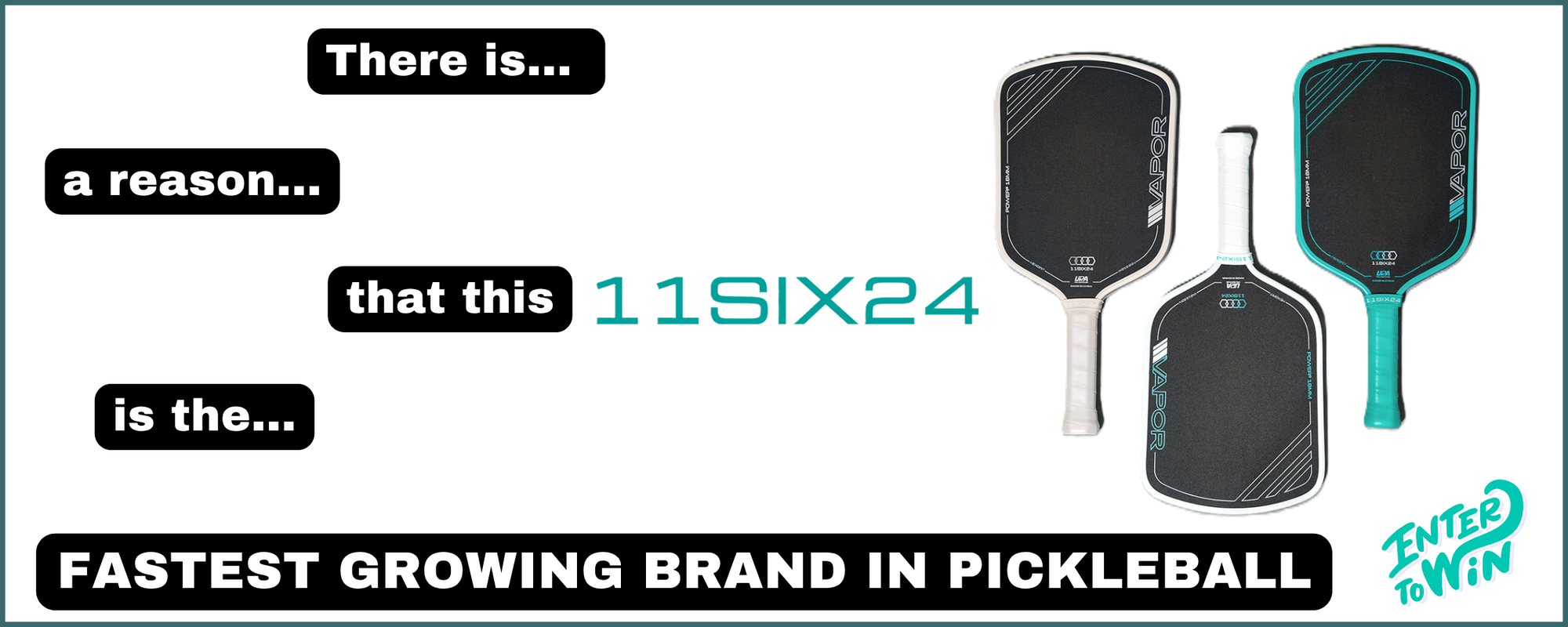
The latest drop from 11Six24 is here — and The Dink is giving you a shot to get one for free.
We’re giving away 10 Power 2 paddles, the hottest new paddle on the market built around a powerful premise: Surface grit that lasts the life of the paddle.
Enter here. And checkout their new Power 2 lineup and get $10 off with code THEDINK.
The Return: Your Chance to Dictate with Shot Placement
The return is a make-or-break shot in pickleball. Your goal isn't to win the point outright; it's to make the serving team's third shot as difficult as possible.
Keep the ball deep in the back fourth of the court. This forces the serving team to run forward and gives you time to establish your position at the kitchen line.
Watch their body language too. If they're cheating toward their forehand or backhand, return to the opposite side or directly into their body to catch them off guard.
Third Shot Strategy and Pickleball Shot Placement
The third shot is where many players start to think offensively, but placement matters more than power.
For the drop shot, aim to the middle of the court. This takes away angles and reduces the risk of an Ernie (when your opponent jumps over the kitchen line to attack).
The net is also slightly lower in the middle (34 inches versus 36 inches at the edges), giving you more margin for error.
If you're driving on the third shot, target either your opponent's body to create a popup or the player who's advancing to the net. Since one player is typically moving forward while the other is already at the kitchen, hitting the moving player increases your chances of forcing an error.
The Fourth Shot: The Underrated Game-Changer
PlayPickleball.com calls the fourth shot one of the most underrated shots in pickleball, and for good reason. This is your chance to keep the serving team from establishing offensive position at the kitchen.
Aim for the back fourth of the court to keep them back. Better yet, target their feet. A shot at the feet is incredibly difficult to attack aggressively, making it nearly impossible for them to advance with confidence. Adding angles to your fourth shots also creates gaps on the court and forces the serving team to move independently rather than advancing as a unit.
 The Dink Media Team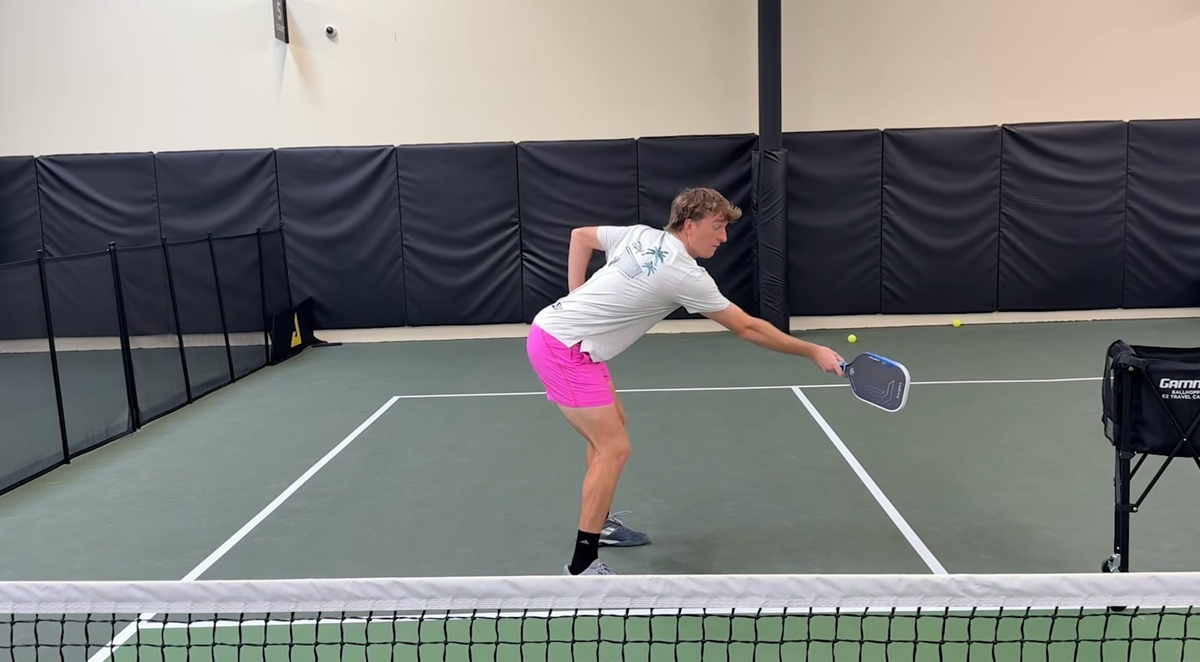
The Reset: Safe Pickleball Shot Placement
When you're in transition and trying to reset the ball into a non-attackable spot, the middle of the court is your safest bet. You avoid Ernies, create confusion about who should take the ball, and benefit from that lower net height in the middle.
Heads up: hundreds of thousands of pickleballers read our free newsletter. Subscribe here for cutting edge strategy, insider news, pro analysis, the latest product innovations and more.
Dinking: The Cheat Code
Dinking is where placement truly shines. Your goal is to put your team on offense and your opponents on defense by making them uncomfortable.
Here's how to do it:
- Exploit weaknesses. Many intermediate and beginner players struggle with backhands, so targeting that side is a solid strategy.
- Watch their body positioning. If they're leaning one direction, hit to the opposite side to catch them off balance.
- Always reset to the middle when you're on defense and caught off guard. At higher levels, a reset to the side will likely be earned.
The middle of the court is your safety zone when things go wrong.
 The Dink Media Team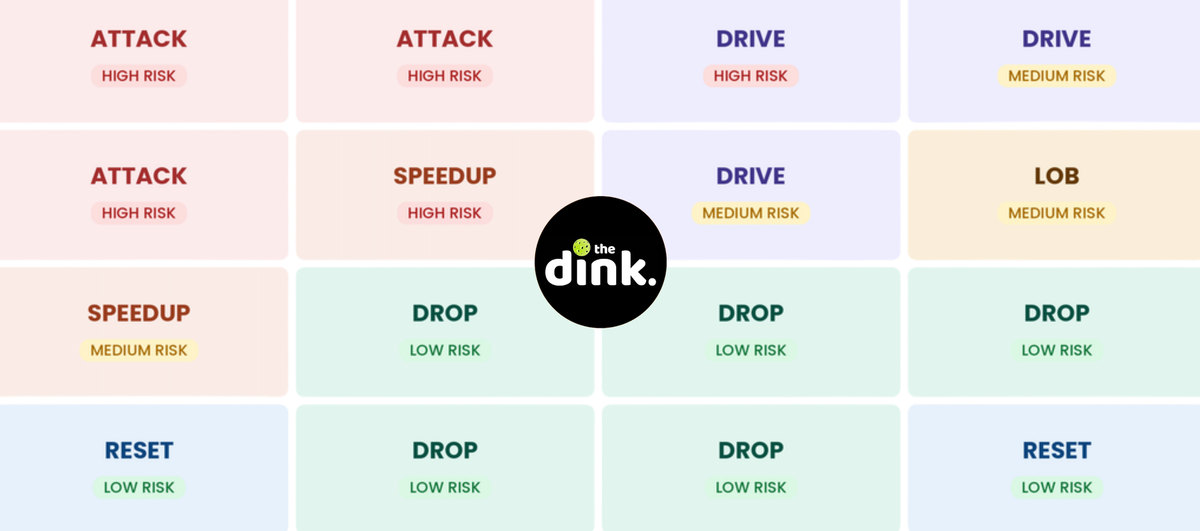
Speeding Up the Ball
When you get a high dink and want to attack, placement becomes critical. Target the paddle-side hip to paddle-side shoulder area. This creates an awkward zone where your opponent can't decide whether to hit a backhand or slide for a forehand.
You can also speed up the ball directly at their body, but add extra pace. Without that pace, they'll easily counter it back. The goal is to create a popup you can put away on the next shot.
 The Dink Media Team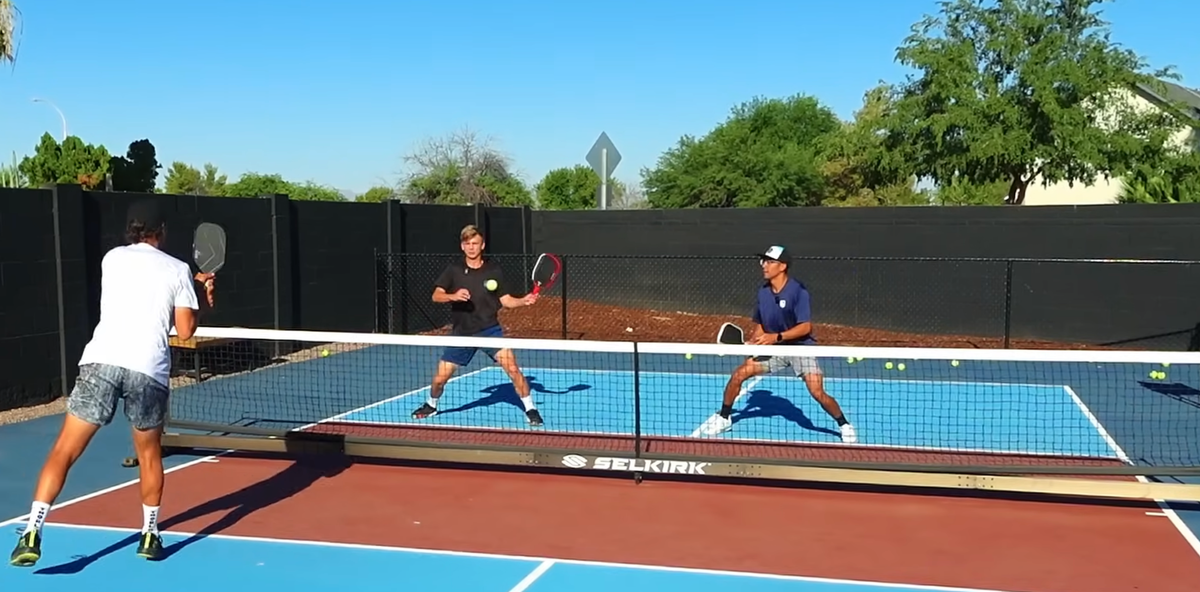
The Lob: A Weapon for the Right Moment
The lob is having a moment in professional pickleball, but use it strategically. Only lob when your opponents are already established at the kitchen. Your goal is to push them back into the court and force them to work their way forward again.
Aim for the back fourth of the court. Avoid hitting to their forehand by going crosscourt into the corners instead. This gives you the most area to work with and forces them to switch on who takes the ball.
 Alex E. Weaver
Frequently Asked Questions
What is pickleball shot placement?
Pickleball shot placement is the strategy of aiming your shots to specific areas of the court to control the rally. It helps you force errors and keep opponents out of position.
Where should beginners aim in pickleball?
Beginners should aim for the middle and deep areas of the court. These targets are safer and reduce unforced errors.
Why is hitting to the middle effective?
Hitting to the middle creates confusion between opponents and reduces attack angles. It is also the lowest part of the net, making it a high-percentage target.
How do I improve my shot placement?
Focus on consistency, awareness, and targeting weaknesses. Practicing with intention will improve your control and decision-making.
Is shot placement more important than power?
Yes, placement is more important than power in most situations. Smart targeting wins more points than hitting harder.
Love Pickleball? Join 100k+ readers for free weekly tips, news & gear deals.
Subscribe to The DinkGet 15% off pickleball gear at Midwest Racquet Sports