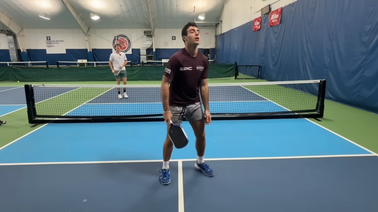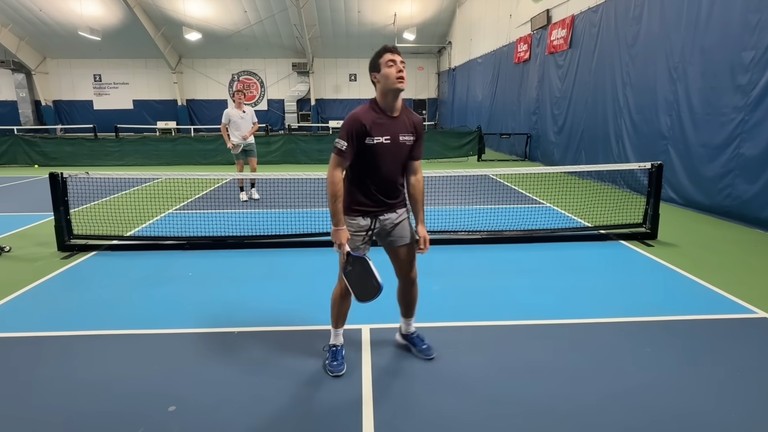

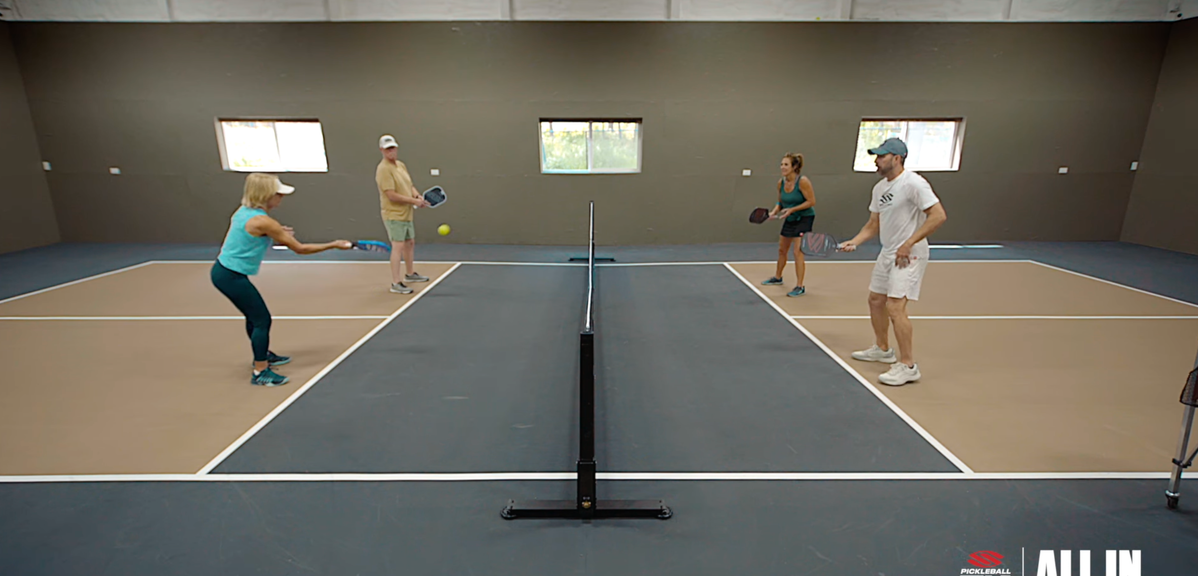
By focusing on compact swings, athletic posture, and controlled placement, players can turn the dink into their most reliable weapon at the net
You know what separates the players who win rallies from the ones who just hit balls back and forth? It's not the power serve or the aggressive volley. It's the dink. That soft, controlled shot at the net that keeps the ball low and your opponent scrambling.
And if you're serious about improving your game, understanding how to dink properly might be the single most important skill you can develop.
That's the core message from Selkirk TV's latest instructional video, where coach DJ Howard breaks down exactly why this often-overlooked shot is actually the foundation of winning pickleball.
Love pickleball? Then you'll love our free newsletter. We send the latest news, tips, and highlights for free each week.
The Non-Volley Zone Is Where Points Actually Get Won
Here's something that might surprise you: the kitchen, or non-volley zone, is where you'll spend most of your time during a match.
It's not the baseline. It's not the service box. It's that 7-foot stretch on either side of the net where the real battle happens.
If you can't control the ball up there, you're basically handing your opponent free points.
The logic is straightforward: if you can master dinking, you set yourself up for winning volleys down the line. You're not trying to end the point with a dink. You're trying to create opportunities.
Small Swings, Big Results
One of the biggest mistakes newer players make is treating dinks like they're full strokes. They swing big, they hit hard, and suddenly the ball is sailing over the net at a height that makes it easy for their opponent to attack. That's the opposite of what you want.
Instead, the swing path should be smaller, more compact. You're not generating power here. You're directing the ball toward your opponent's feet, keeping it low and forcing them into an uncomfortable position.
"If I'm your opponent, I can't hurt you from down low," Howard says. "If you put that ball down below my strike zone, it's going to be a lot more difficult for me to hit a winning shot."
This is where the real strategy lives. By keeping the ball low, you're essentially neutralizing your opponent's ability to be aggressive. They have to bend down to hit it, which limits their options and their power. It's almost like you're controlling the point without even trying to win it outright.
 The Dink Media Team
The Athletic Posture That Changes Everything
You'll hear Howard mention "athletic posture" about a hundred times in this video, and there's a reason for that. It's foundational.
- Your knees should be about shoulder-width apart, flexed slightly, with a small hinge at the hips.
- You're not crouching like you're about to jump, but you're definitely not standing upright either.
This posture does two things.
- First, it keeps your paddle out in front of the ball, which gives you better control and consistency.
- Second, it keeps you mobile and ready to move to the next shot.
"We're more mobile and we're ready to move to retrieve that ball," Howard notes when discussing the importance of maintaining that slight knee bend.
The temptation for newer players is to use their wrists to generate power or direction. Don't. That's a trap.
Your body should do the work, not your hands. Keep that athletic stance, maintain your balance, and let your legs and core handle the movement.
Footwork: The Underrated Element
Here's something that doesn't get talked about enough in pickleball instruction: footwork. Specifically, the difference between sidestepping and crossing over your feet.
When you need to move to hit a dink, you should sidestep. Keep your hips and shoulders square to the net. This keeps you in a ready position to recover quickly after you hit the ball. On the other hand, crossing your feet over delays your recovery. You're essentially turning your body sideways, which means you have to reset before you can move to the next ball.
"Crossing over your feet, while not a bad thing in and of itself, will slow you down and prohibit you from recovering as quickly to be prepared for the next ball," Howard explains.
It's a subtle difference, but in a sport where points are won and lost on fractions of a second, it matters.
 The Dink Media Team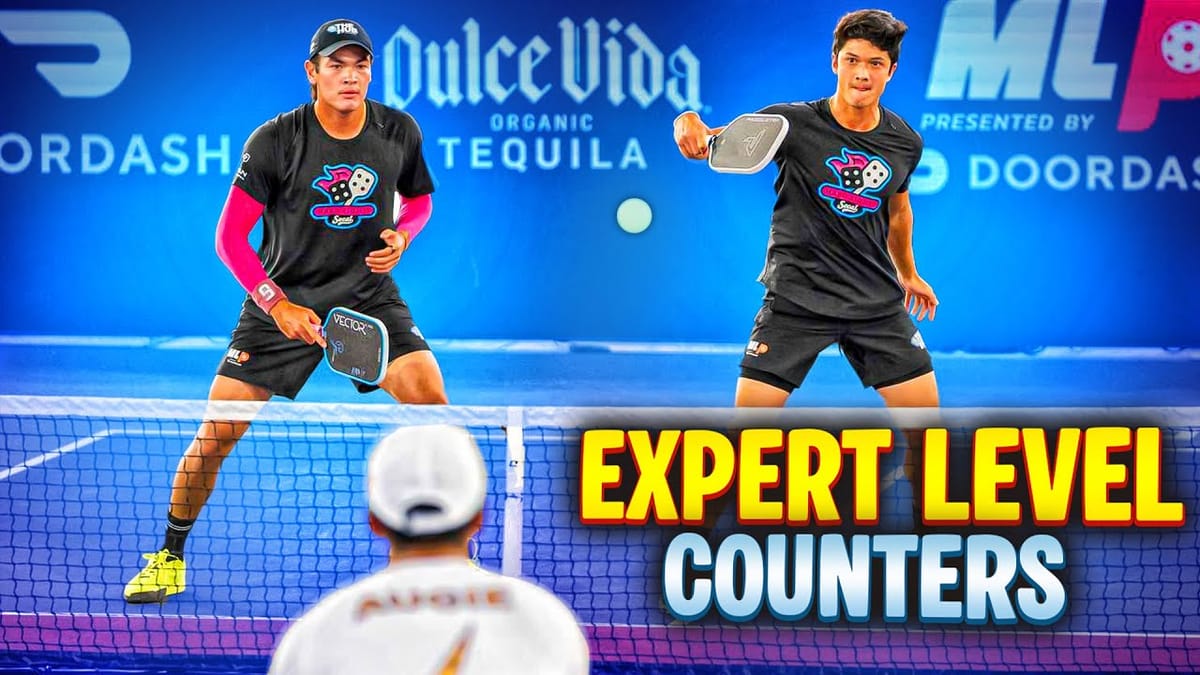
Consistency Over Perfection
One theme that runs through the entire video is this: consistency beats perfection. Howard repeatedly tells his students that mistakes are going to happen, especially when you're learning. The goal isn't to hit a perfect dink every time. The goal is to hit a dink that lands in the non-volley zone, keeps the ball low, and sets you up for the next shot.
"You get consistent through time and repetition," Howard says. There's no shortcut here. You need to practice, and you need to practice a lot. The good news? Dinking is something you can work on with just one other person, or even four people in a rotation. It doesn't require a full court or a complicated setup.
Heads up: hundreds of thousands of pickleballers read our free newsletter. Subscribe here for cutting edge strategy, insider news, pro analysis, the latest product innovations and more.
The Grip Question
Howard touches on grip, noting that while a continental grip is ideal for control, there's some flexibility here. If you have a slightly more forehand-dominant or backhand-dominant grip, that's fine. The key is finding what works for you while staying close to that continental grip for maximum control.
This is actually refreshing advice. Too many instructional videos treat grip like it's a rigid rule. Howard acknowledges that people have different hand sizes, different strengths, and different comfort levels. The continental grip is the target, but it's not the only way.
 The Dink Media Team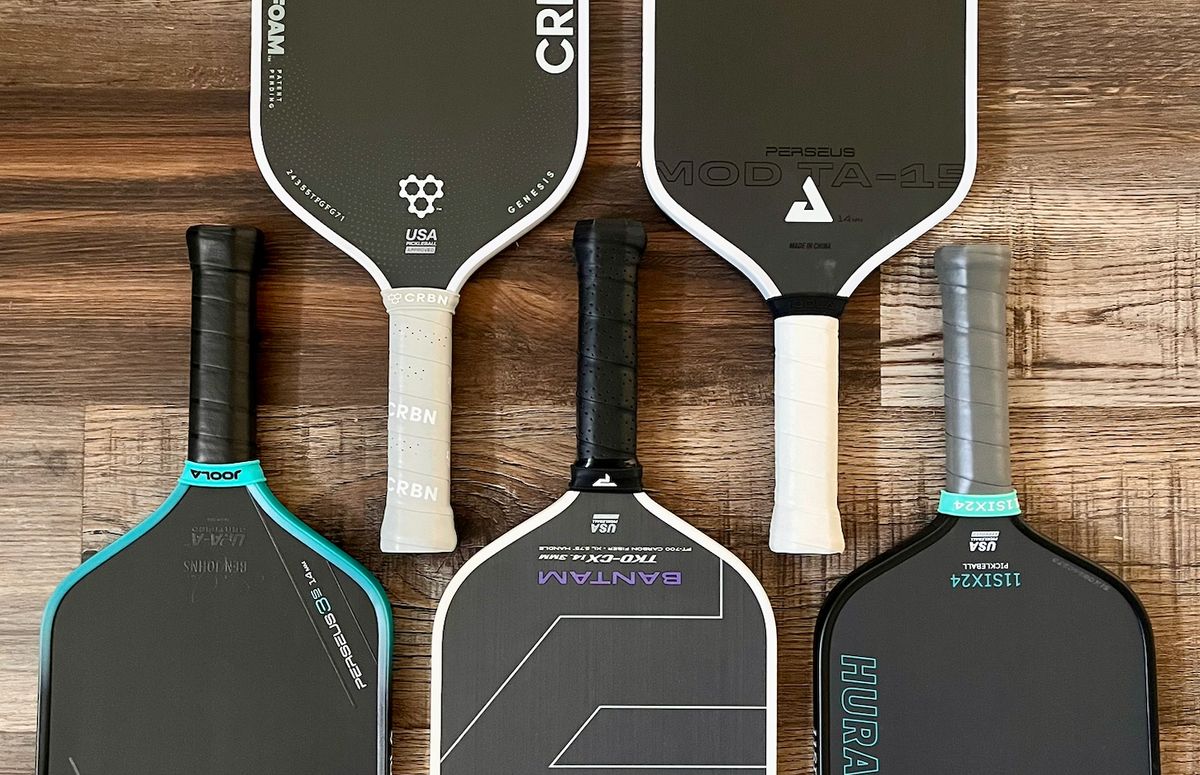
Why This Matters for Your Game
The bigger picture here is that dinking forces you to slow down the game. In a sport where power and athleticism can take you only so far, the ability to control the pace and keep the ball low is what separates competitive players from casual ones.
You're not trying to hit winners from the kitchen. You're trying to create situations where your opponent makes a mistake or gives you a ball you can attack.
It's easy to get caught up in the flashy stuff, the put-away volleys and the aggressive third shots. But the foundation of a strong pickleball game is built on the ability to dink consistently, move efficiently, and stay balanced under pressure.
If you're looking to improve your game, start here. Master the dink, and everything else becomes easier.

Love Pickleball? Join 100k+ readers for free weekly tips, news & gear deals.
Subscribe to The DinkGet 15% off pickleball gear at Midwest Racquet Sports