

Match Analysis & Mixed Doubles Strategy with Christian Alshon
Above all else: get to the kitchen, stay at the kitchen, and maintain your ground
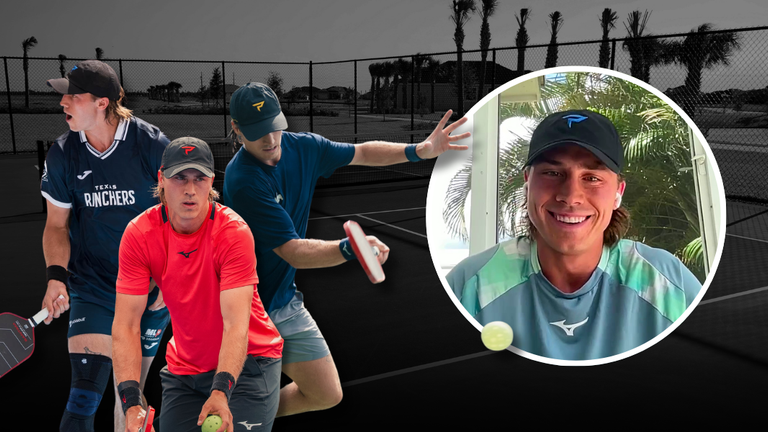
Christian Alshon is a top-ranked pro on the PPA Tour, and he's not shy about sharing exactly why his game is so sharp.
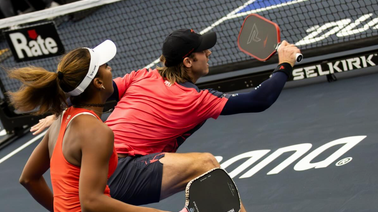
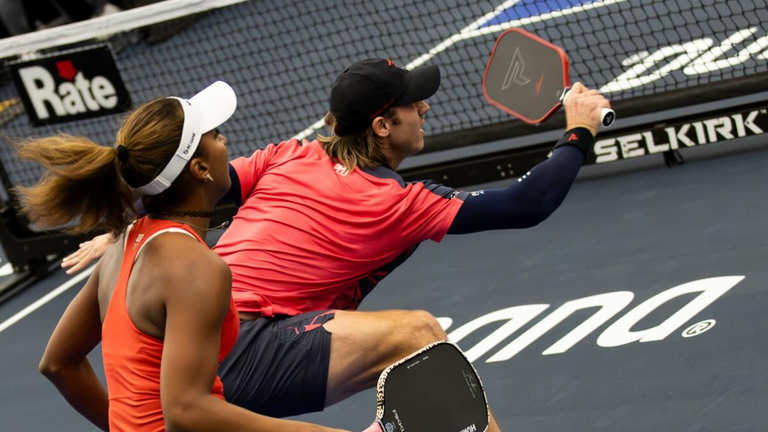
In a video breakdown of one of his pro mixed doubles matches from last season with Etta Tuionetoa, Alshon walks through a single point, just 20 seconds of play, and spends the next 10 minutes explaining every decision, every dink placement, and every positioning choice that made the difference.
Love pickleball? Then you'll love our email newsletter. We send the latest news, tips, and highlights for free each week.
If you want to understand what separates elite mixed doubles players from everyone else, this is the masterclass you need to watch.
The Serve and Return Set the Tone
Alshon starts by breaking down the serve and return, two shots that most players rush through without much thought. But in mixed doubles, these opening exchanges matter more than you'd think.
When the return comes back short, Alshon explains a huge misconception: you shouldn't drive it.
A short return is usually low, and if you try to hit it hard, you'll either overhit it out of bounds or pop it up for your opponent to put away.
Instead, Alshon's partner drops it softly to the player coming to the net, which is the smarter play.
The positioning of your teammates matters too. If one player is already established at the net and the other is still approaching, you want to drop the ball to the player who's closer. It gives you more space to work with and puts less pressure on your partner to make a perfect shot.
 The Dink Media Team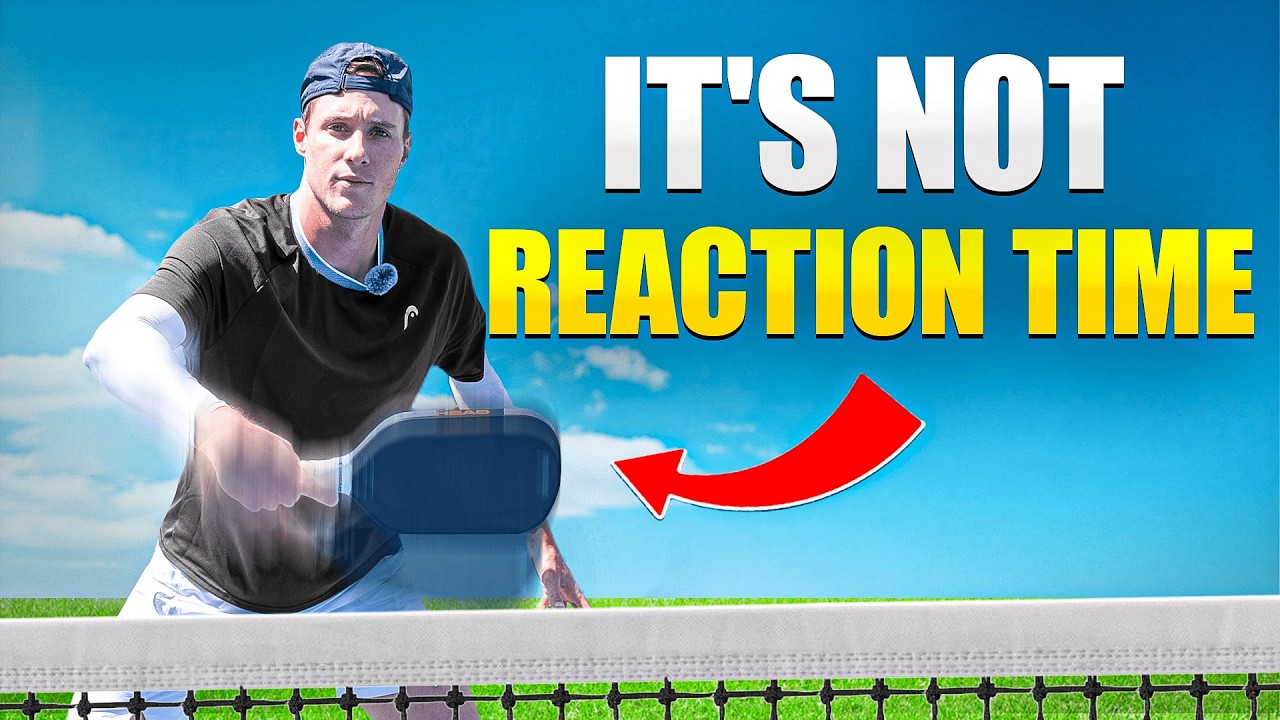
Dinking With Purpose
Here's where Alshon's breakdown gets really interesting. He emphasizes that every single dink should have a purpose. Some dinks are meant to be aggressive while others are neutral, just keeping the ball in play while you move into position.
In the point he's analyzing, Alshon notices that his partner Etta hits a dink behind the guy on the other side of the net. This is a critical shot in mixed doubles. The guy typically stands in the middle of the court, so hitting behind him creates space and forces him into a tough position.
He can't be aggressive because he doesn't have time to set up properly.
But here's the catch: you can't hit behind the guy every single time. If you do, your opponent will adjust and start looking for it. You need variety. Mix in dinks down the line, dinks to the middle, and dinks cross-court. Keep them guessing.
Kitchen Line Discipline Wins Points
One of the sharpest observations Alshon makes is about how far back players let dinks bounce.
In mixed doubles especially, you want to hold your ground at the kitchen line.
If a dink lands on or past the kitchen line, take it out of the air instead of letting it bounce.
Why? Because hitting dinks from six inches or more behind the kitchen line is inefficient. You can't attack from back there, and it's harder to keep the ball low. By taking it out of the air, you pressure your opponent to hit a better shot and maintain your offensive position.
Alshon points out a moment in the match where Meghan lets a dink bounce way too far back. It's a small mistake, but it's the kind of thing that separates 3.5 players from 4.5 players.
 The Dink Media Team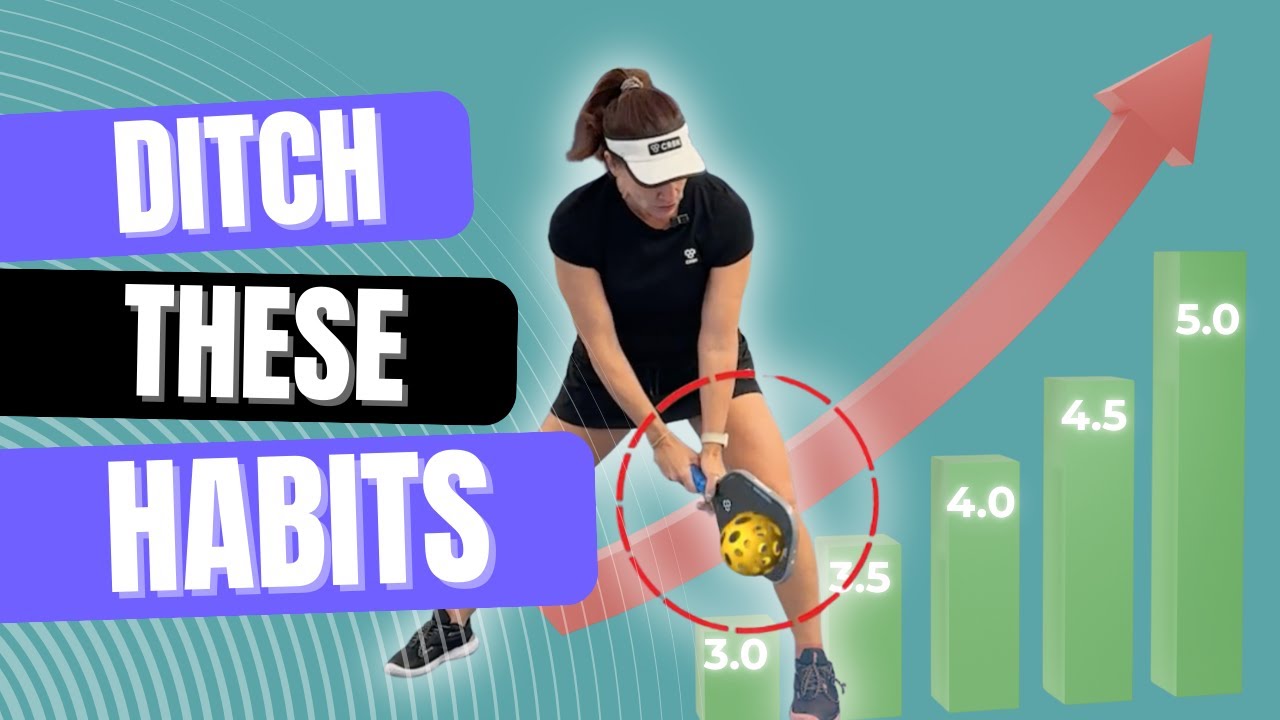
Reading Your Opponent's Paddle Face
Alshon demonstrates something that most recreational players never think about: reading the paddle face.
When Meghan hits a backhand dink, Alshon can see the face of her paddle and immediately knows she's hitting a slice. That tells him the shot isn't a threat, which means it's an opportunity.
This kind of court awareness comes from thousands of hours of play, but it's worth thinking about. The angle of the paddle, the position of the wrist, the follow-through; these all tell you what's coming. The more you play, the faster you'll pick up on these cues.
 The Dink Media Team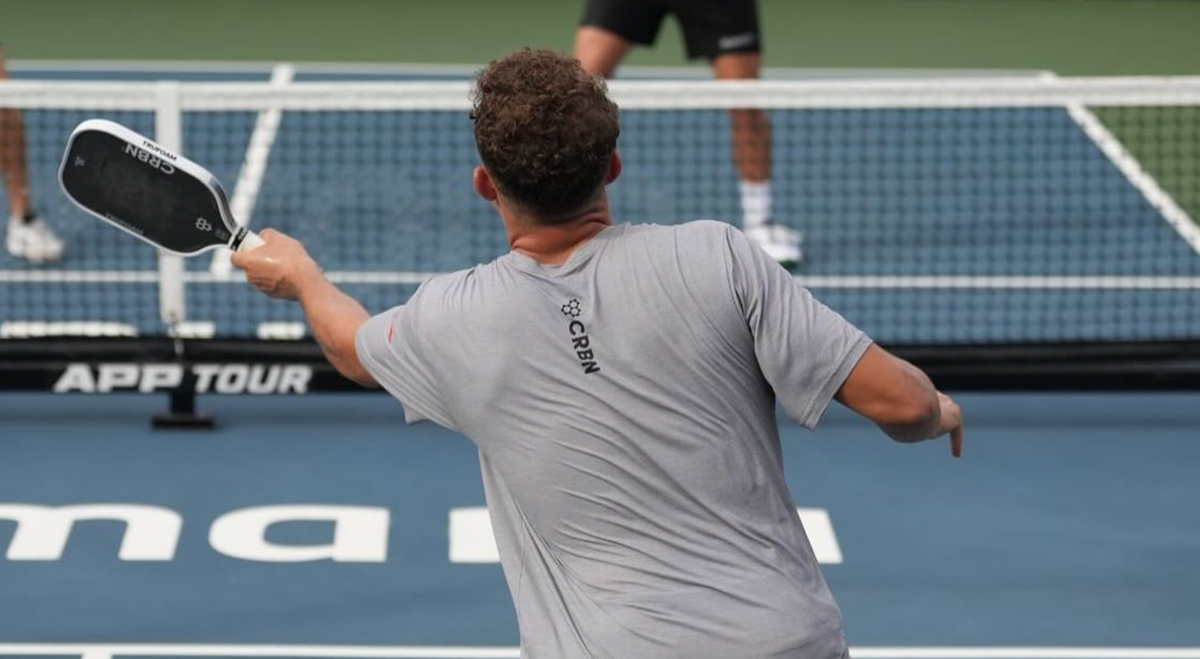
Positioning and Confidence
By the middle of the point, Alshon and Etta are in a much better position than their opponents. They're both standing confidently on their sides of the court, ready to attack. Meanwhile, Meghan is pushed into the corner and her partner has his foot well back off the line.
This positioning difference is huge. When you're in control, you can be aggressive. When you're out of position, you're just trying to survive the next shot. Alshon's point is simple: get to the kitchen, stay at the kitchen, and maintain your ground.
 The Dink Media Team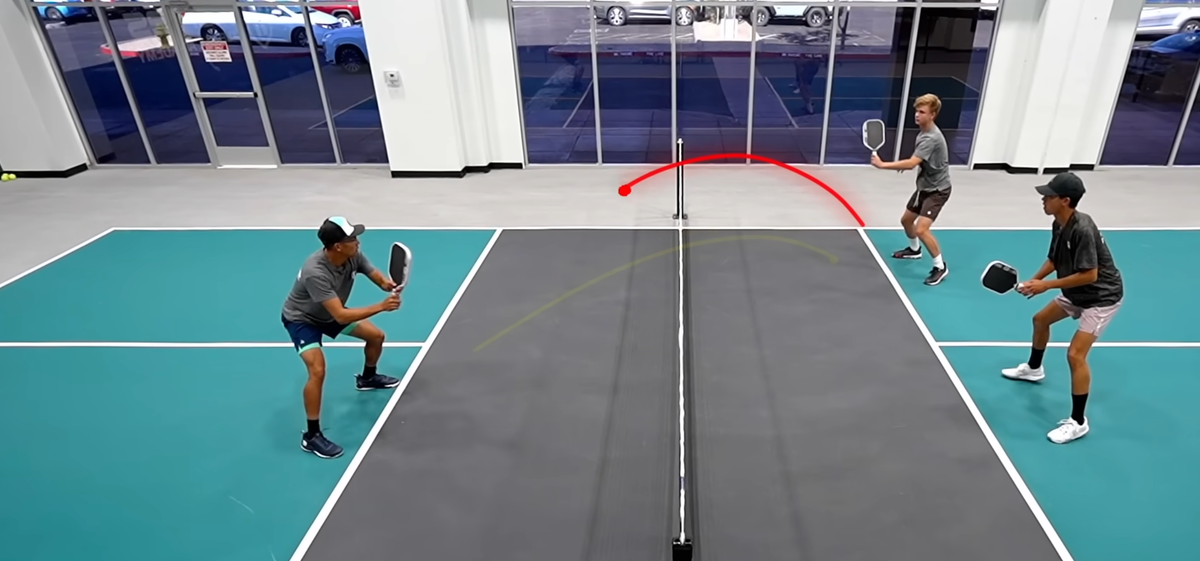
The Ernie and Recovery
Toward the end of the point, Alshon goes for an Ernie (a shot hit from outside the court, around the net post). He admits in hindsight that a backhand Ernie would have been better, but his opponent recovers the shot anyway. The point continues, and eventually Alshon wins it with a well-placed shot.
What's interesting here is that Alshon doesn't dwell on the mistake. He moves on, adjusts, and finishes the point. That's the mindset of a top player: execute, adapt, and finish.
Why This Matters for Your Game
Alshon's breakdown shows that mixed doubles isn't about hitting harder or running faster. It's about strategy, communication, and understanding the geometry of the court.
Every shot has a purpose. Every position matters.
If you're looking to improve your mixed doubles game, focus on these fundamentals:
- Don't drive short returns; drop them softly instead
- Hit dinks behind the man to create space and force tough positions
- Take dinks out of the air when they land near or past the kitchen line
- Read your opponent's paddle face to anticipate what's coming
- Maintain your ground at the kitchen and stay confident in your positioning
Heads up: hundreds of thousands of pickleballers read our free newsletter. Subscribe here for cutting edge strategy, insider news, pro analysis, the latest product innovations and more.

Love Pickleball? Join 100k+ readers for free weekly tips, news & gear deals.
Subscribe to The DinkGet 15% off pickleball gear at Midwest Racquet Sports