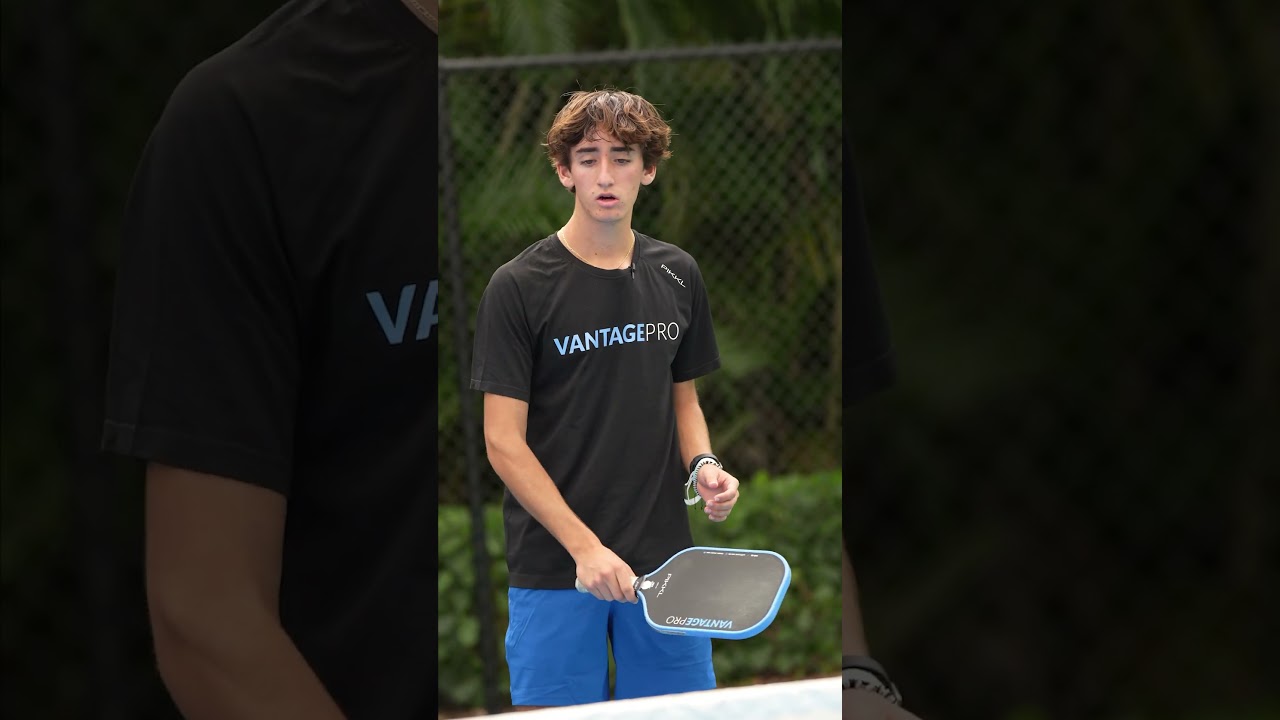


Coach Austin Hardy's F.A.S.T. system helps pickleball players develop quicker hands by focusing on stance, paddle positioning, footwork shifts, and consistent training habits.
Want faster hands in pickleball? Coach Austin Hardy from PickleballPlaybook breaks down the F.A.S.T framework, a four-part system designed to help you react quicker and dominate hands battles. Whether you're stuck at 3.5 or pushing toward 5.0, this framework offers concrete techniques that top pros like Anna Leigh Waters and Ben Johns already use.
Love pickleball? Then you'll love our free newsletter. We send the latest news, tips, and highlights for free each week.
What Does F.A.S.T Actually Stand For?
The framework spells out the word F.A.S.T:
- Fully Ready
- Aim
- Shift
- Train
Each letter represents a critical piece of the puzzle for developing lightning-fast pickleball hand speed.
Coach Hardy emphasizes that these aren't just abstract concepts. They're actionable techniques you can drill today and see results within weeks.
1. Fully Ready: Your Foundation for Pickleball Hand Speed
Being fully ready starts with your stance. You need a wide base with your legs spread wider than your shoulders, not just inside them. This gives you balance and stability when opponents attack.
Most importantly, stay on the balls of your feet and lean forward. Tilting back is a killer because your paddle face angles upward, giving your opponent the advantage in the hands battle.
The box step is your secret weapon here. When you anticipate a speed-up coming, take a quick step back and split step. This buys you space and time to react, even though it feels counterintuitive.
- Wide base with feet outside shoulder width for stability.
- Stay on the balls of your feet and lean forward.
- Use the box step to create reaction time when a speed-up is coming.
- Close into the court after you hit down, since your opponent must hit up.
 The Dink Media Team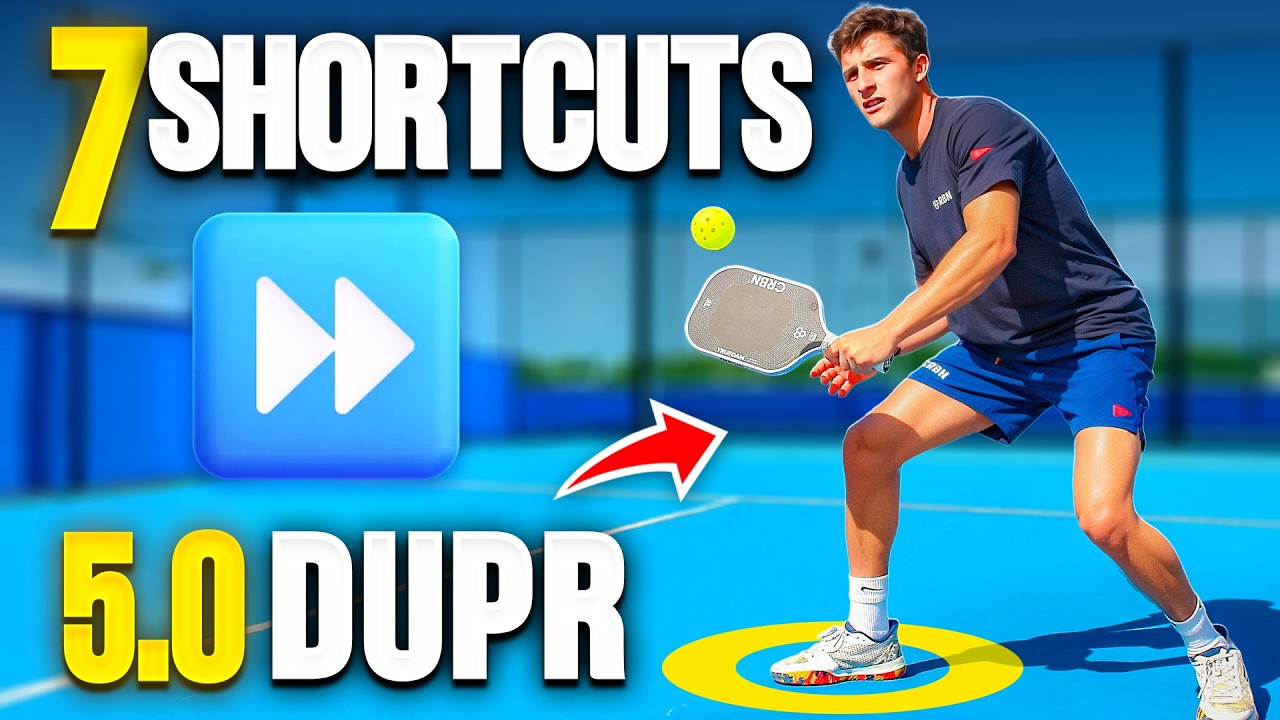
2. Aim: Point Your Paddle at the Ball
This sounds simple, but most players miss it. By pointing your paddle tip toward the ball, you automatically open your paddle face to the right position to counter.
If you dink crosscourt, point your paddle tip crosscourt. Your paddle face naturally opens toward your forehand side, ready to cover the middle or your partner. If the ball goes up the line or in front of you, hold slightly toward your backhand side instead, since the backhand covers way more of your body than a forehand does.
Coach Hardy also walks through three different ready positions used by elite players. J.W. Johnson keeps his paddle low for a relaxed arm and faster reactions. Ben Johns holds at belly button height for versatility. Anna Leigh Waters holds high, which works great for two-handed backhand players.
The key is finding the ready position that matches your game, not copying someone else's.
 The Dink Media Team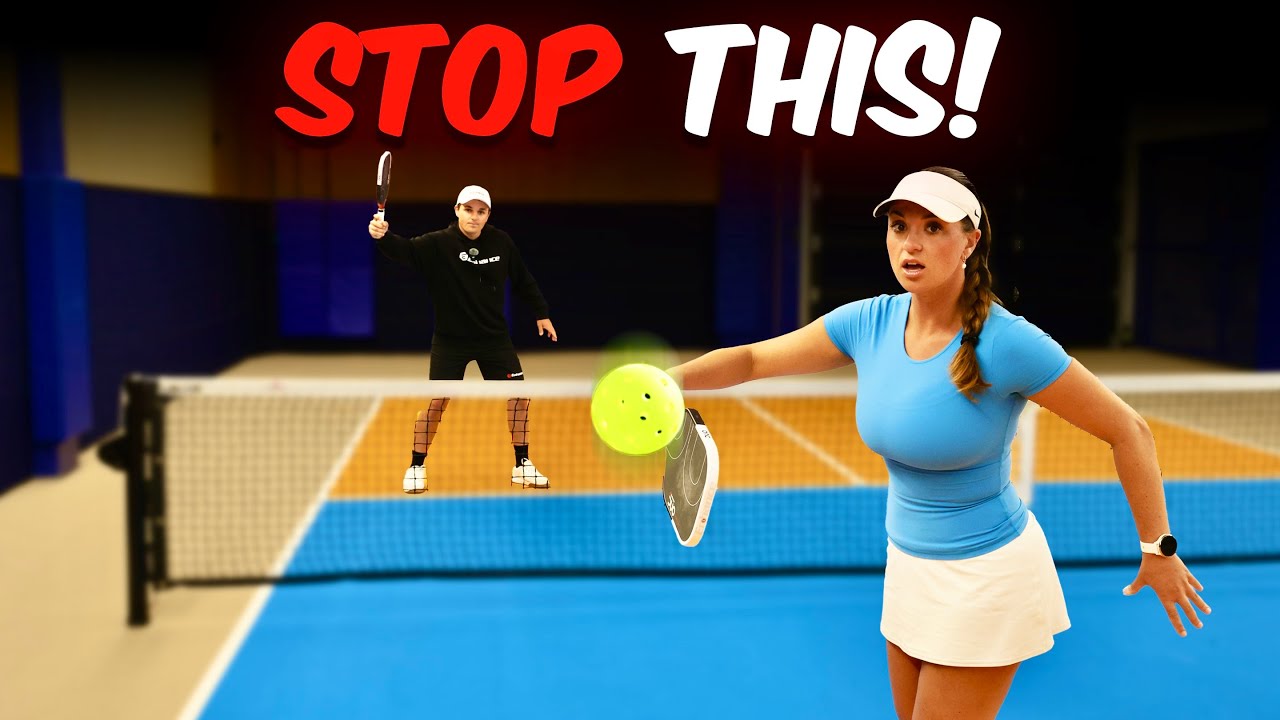
3. Shift: Move Your Feet, Not Just Your Paddle
Shifting is one of the most effective ways to boost your pickleball hand speed instantly. Your opponents want to hit you in the chicken wing position, right around your hip, where you're awkward and indecisive.
Instead of staying put, get directly aligned. If the ball is slightly to your left, shift left. Put all your weight on the leg you're shifting toward, then shuffle step to get into position. You want that ball to be directly aligned with your chest when they speed up.
By shifting, you take away their easiest shot. The center of the net is lower and offers more court, so forcing them to go up the line or to the sidelines makes them work harder.
Why Shifting Transforms Your Pickleball Hand Speed
Your footwork and your hand speed are directly connected. When you shift correctly into the ball's path, you eliminate the awkward reach that slows your reaction time.
Lazy footwork kills your hand speed before your paddle even moves. Players who appear to have naturally fast hands are simply getting their body into the right position first.
4. Train: Consistency Beats Intensity
Coach Hardy recommends training three hours per week, split into three one-hour sessions. Spreading it out beats cramming all three hours into one day because your muscle memory develops better with consistent practice.
He shares two favorite drills. The first involves hitting back and forth while moving along the sideline, focusing on tracking the ball with your paddle and maintaining a consistent contact point. The second keeps you behind the kitchen line while you practice the same tracking and shifting mechanics.
The goal is to train yourself to always get into the perfect contact zone rather than reach. Lazy footwork kills hand speed.
 The Dink Media Team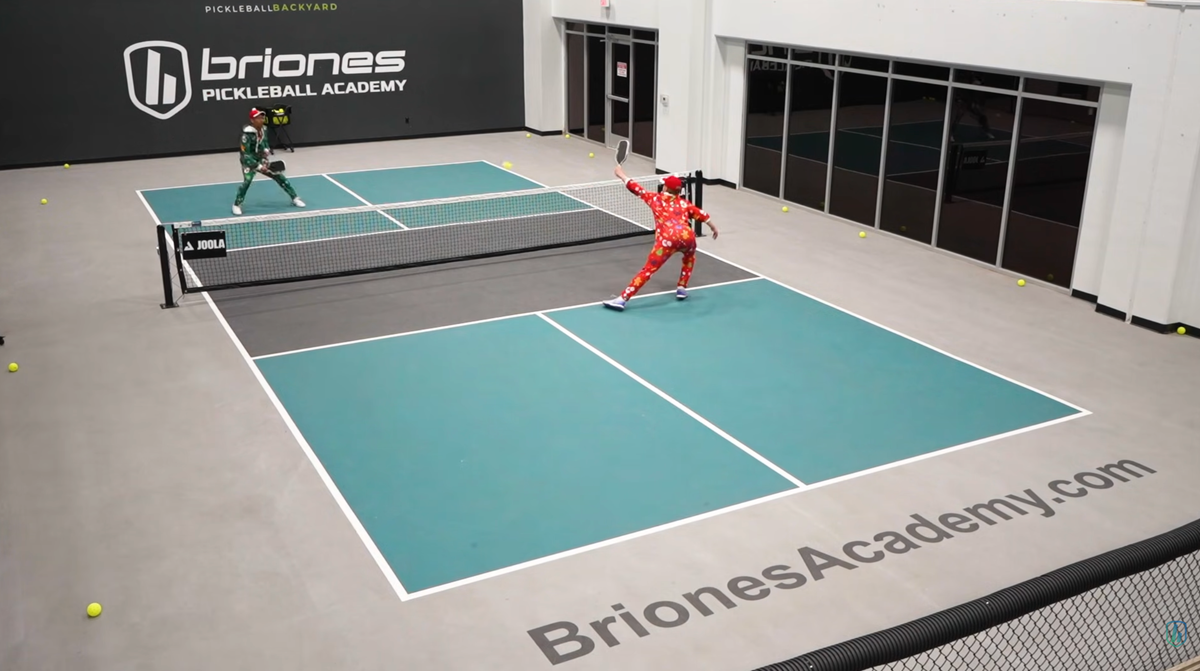
Building Faster Pickleball Reaction Time Through Drill Work
Repetition in structured, spaced sessions is how fast hands are actually built. Three one-hour sessions spread across the week will outperform a three-hour marathon every single time.
Your nervous system needs recovery time between sessions to encode the movement patterns. This is the science behind why consistent, spread-out practice beats grinding through a single long block.
Why This Framework Actually Works
The F.A.S.T. framework isn't theoretical. Coach Hardy demonstrates each component with live play, showing how the pieces fit together in real hands battles.
Top pros already use these techniques. Anna Leigh Waters keeps her feet wide apart the entire match, constantly shifting and closing into the court. Ben Johns uses a ready position that lets him create offense on both high and low balls. These aren't accidents — they're deliberate applications of the framework.
As noted by CBS Sports in their expanded pickleball coverage, the sport's fastest-growing player base now includes highly competitive amateurs who are looking for exactly this kind of structured skill development. The demand for frameworks that translate pro technique into actionable steps has never been higher.
If you've felt like other players just have faster pickleball hand speed, the truth is they're probably backing up more, pointing their paddle at the ball, and shifting into position. You're not born with fast hands. You build them.
You can also explore the four pillars of fast hands to go even deeper on this concept.
Heads up: hundreds of thousands of pickleballers read our free newsletter. Subscribe here for cutting edge strategy, insider news, pro analysis, the latest product innovations and more.
More Resources to Keep Improving Your Pickleball Hand Speed
- Stop Popping the Ball Up: Modern Pickleball Hand Speed and Paddle Positioning
- 3 Technical Tips for Winning Kitchen Line Hands Battles in Pickleball
- Video: 3 Pro Strategies to Stop Losing Pickleball Hands Battles
- Pro Speed-Up Strategy: Master the Kitchen Line Attack Like a 5.0 Player
- Perfecting Pickleball Posture: The Foundation for Better Control and Balance
- How Early Preparation Buys Time and Slows Down the Pace of Play in Pickleball
- Make Practice Skills Stick: The 70-Rule for Match-Proof Pickleball
Frequently Asked Questions
What is pickleball hand speed and why does it matter?
Pickleball hand speed refers to how quickly a player can react to and redirect fast incoming shots, especially during kitchen line exchanges known as hands battles. Players with superior hand speed win more rallies by neutralizing speed-ups and generating counterattacks before their opponents can reset.
Can I actually train to get faster hands in pickleball?
Yes, and the F.A.S.T. framework proves it. Fast hands in pickleball are the result of stance, paddle positioning, footwork, and structured practice — not raw athletic talent. Most players who appear to have quick reflexes have simply trained their body to be in the right position before each shot, which makes their reaction time look effortless.
How does footwork improve pickleball hand speed?
When you shift your body directly into the ball's path, you eliminate the awkward reaching motion that slows paddle reaction time. Your footwork and your pickleball hand speed are directly connected — a well-positioned body allows your paddle arm to move freely and explosively. Poor footwork, by contrast, forces compensations that rob you of the speed you need at the kitchen line.
What is the box step and how does it help with hands battles?
The box step is a quick backward step paired with a split step that you take when you anticipate an opponent's speed-up. It buys you critical inches of space and reaction time, turning a would-be losing position into a defensible one. Even though stepping back feels counterintuitive during a fast exchange, it gives your hands the split second they need to respond accurately.
How many times per week should I train to improve my pickleball hand speed?
Coach Hardy recommends three one-hour sessions per week, rather than one long training block. Spacing out your practice allows your nervous system to consolidate the movement patterns between sessions, which is how fast, automatic reactions are actually built over time.

Love Pickleball? Join 100k+ readers for free weekly tips, news & gear deals.
Subscribe to The DinkGet 15% off pickleball gear at Midwest Racquet Sports