
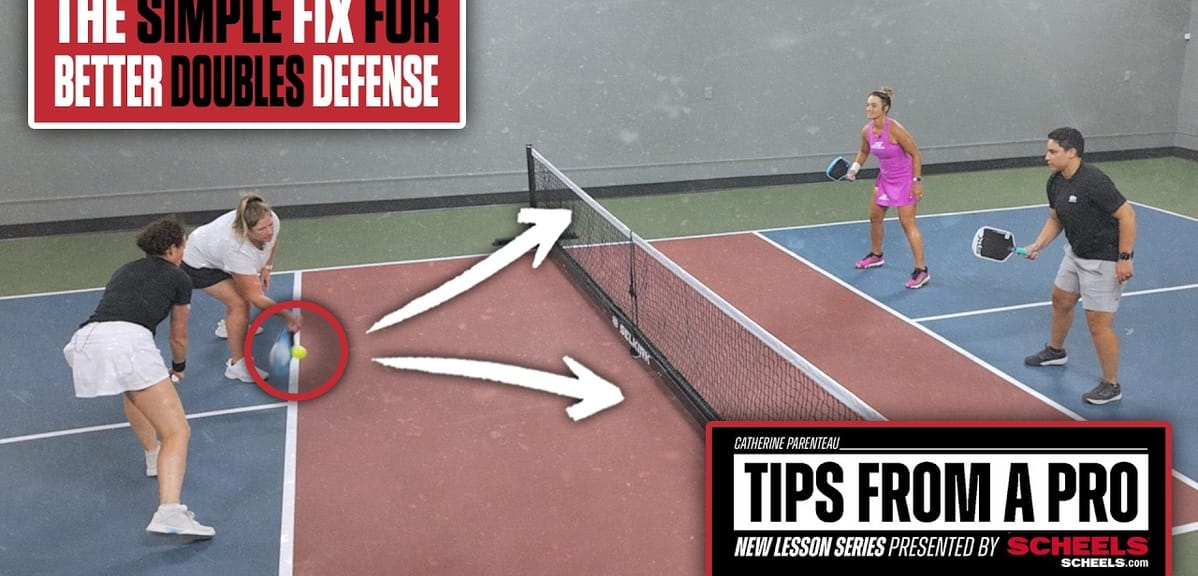
How to Survive the One Up, One Back Formation in Pickleball Doubles
If both players aren't on the same page about who's covering what, you'll end up with gaps in the middle of the court, and that's where winners get hit.
Pickleball doubles can feel like a chess match, especially when you and your partner aren't perfectly aligned at the net.
One of the trickiest situations to navigate is the "one up, one back" positioning, where one player is closer to the net while the other hangs back toward the baseline.
Love pickleball? Then you'll love our free newsletter. We send the latest news, tips, and highlights for free each week.
It's awkward, it's vulnerable, and it happens more often than you'd think in recreational play.
But according to Selkirk TV's coaching breakdown, there's a surprisingly simple way to turn this defensive liability into a manageable situation: communication and smart positioning.
Why "One Up, One Back" Happens (And Why It's Dangerous)
The one up, one back scenario typically emerges during transition play.
Maybe your partner got pulled wide covering their sideline, or you're both scrambling to recover after a tough shot. Suddenly, one of you is near the net while the other is several feet back or more.
From an opponent's perspective, this is an invitation. They can target the player at the net with a hard shot, knowing the back player has less time to react and help out.
The real danger isn't just the positioning itself; it's the confusion it creates. If both players aren't on the same page about who's covering what, you'll end up with gaps in the middle of the court, and that's where winners get hit.
The "I'm Here" Cue Changes Everything
When you're in that one up, one back situation and the ball is coming hard at your partner near the net, they might panic.
They might try to reset a ball coming too fast, or they might freeze, wondering if you can get to it. That's where a simple verbal cue makes all the difference.
If you're the player in the back and you have time to react, call out, "I'm here!"
That two-word phrase tells your partner at the net that you've got their back, literally. They can let the ball go, knowing you're positioned to take it.
You're further back, which means you have more time to react to a hard shot than they do. It's a small thing, but it eliminates hesitation and keeps your team moving as one unit.
 The Dink Media Team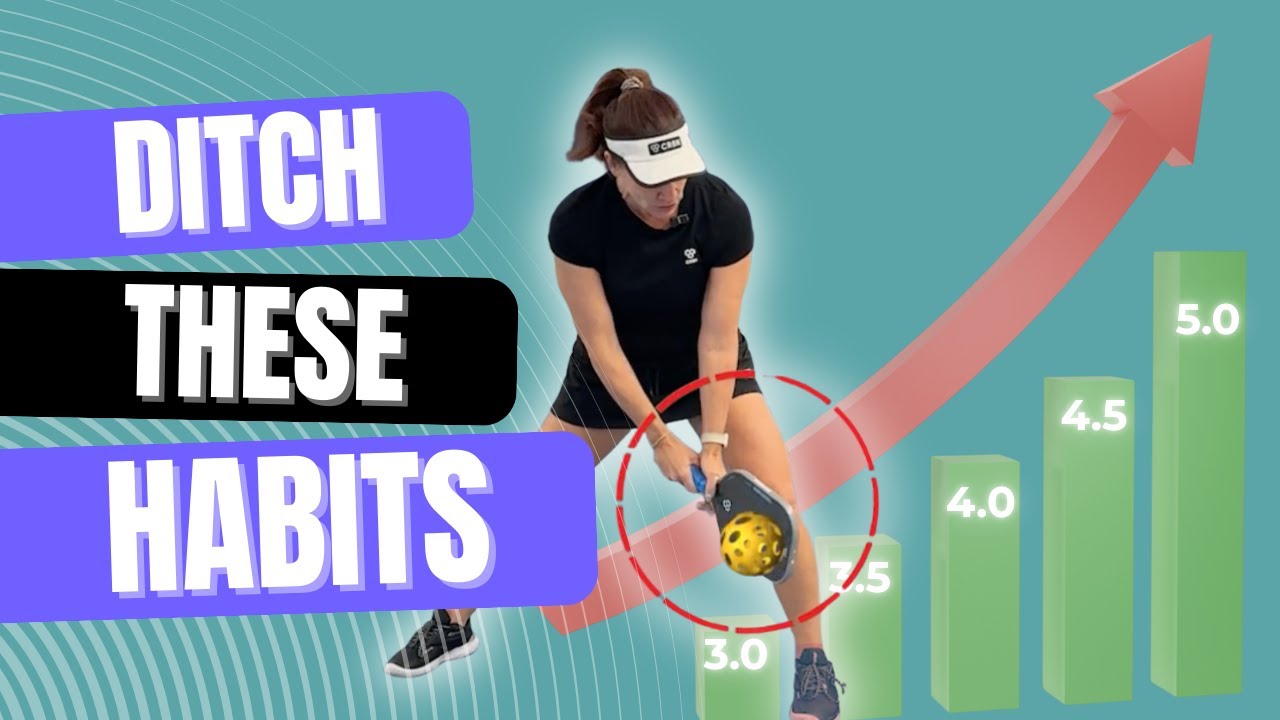
Positioning Matters More Than You Think
Of course, communication only works if your positioning backs it up. When you're the back player, you need to actually be in a spot where you can react to the incoming ball. That usually means being 2 to 3 feet behind your partner, giving yourself enough space and time to handle whatever comes your way. It's not glamorous, but it's effective.
The goal is to cover the middle of the court together, even if you're staggered. Your partner at the net focuses on their line and the middle, while you focus on depth and reaction time. When that hard shot comes, you're ready.
The Lob Defense Trick from the Pros
Sometimes, even with good communication, you'll find yourself stuck in transition with nowhere to go.
ENTER: the strategic lob.
When you're under pressure in the transition zone and the ball is coming at you hard, popping the ball up into a lob gives you something valuable: time.
A well-placed lob in the midcourt transition zone forces your opponent to hit an overhead, and not everyone is comfortable with that shot. More importantly, it gives you and your partner time to reset your positioning and get back to the net together.
The key is to drive the overhead when it comes back to you, rather than trying to drop it perfectly. That next shot will be easier to handle, and you'll be back in control of the point.
 The Dink Media Team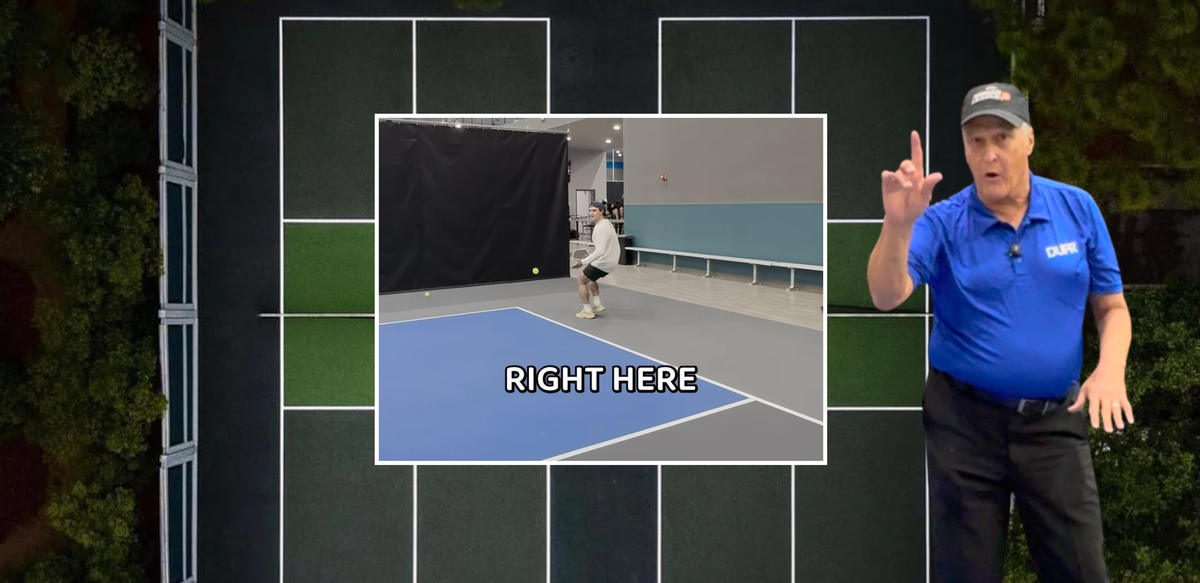
The Bigger Picture: Doubles Is About Teamwork
The one up, one back problem isn't really a positioning problem at all; it's a communication problem.
Pickleball doubles rewards teams that move together, talk together, and trust each other. When you're staggered on the court, that trust becomes even more important.
A simple "I'm here" tells your partner you've got their back, and that confidence can be the difference between a forced error and a clean reset.
Heads up: hundreds of thousands of pickleballers read our free newsletter. Subscribe here for cutting edge strategy, insider news, pro analysis, the latest product innovations and more.
Love Pickleball? Join 100k+ readers for free weekly tips, news & gear deals.
Subscribe to The DinkGet 15% off pickleball gear at Midwest Racquet Sports