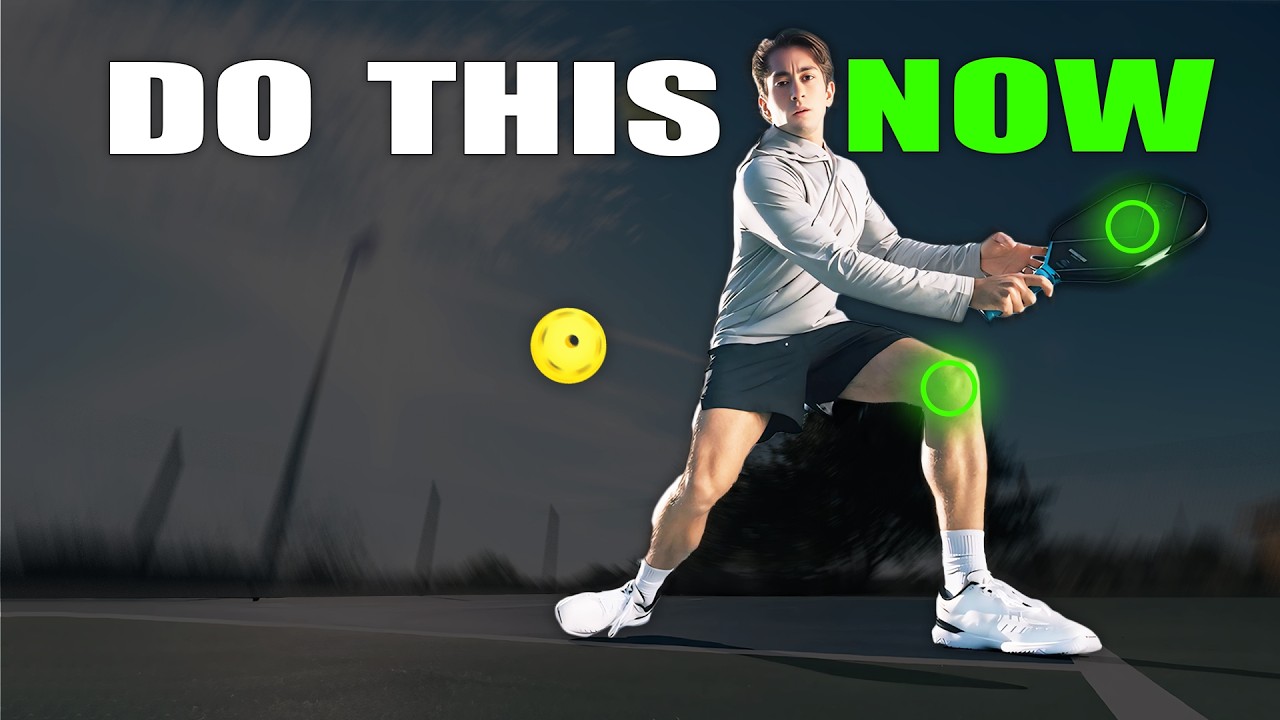
The backhand roll is one of the most underrated shots in pickleball, and most players never develop it properly. A 5.0 instructor breaks down exactly how to master this shot with the right grip, body mechanics, and consistency drills.
The backhand roll is one of the most underrated shots in pickleball, and honestly, most players never develop it properly.
It's the kind of shot that separates the casual players from the serious competitors, yet it rarely gets the attention it deserves in training sessions or YouTube tutorials. But what if we told you that a 5.0 player just broke down exactly how to hit it?
In a recent coaching session on The Dink Pickleball channel, Ty Butson, a certified 5.0 player, worked with Eli to transform his backhand roll from a weak, inconsistent shot into something that could actually win points.
What emerged from that session is a masterclass in how small technical adjustments can completely change your game.
Love pickleball? Then you'll love our free newsletter. We send the latest news, tips, and highlights for free each week. Subscribe to our free newsletter
Why Your Backhand Roll Probably Isn't Working
Here's the thing: most players approach the backhand roll with the wrong mindset.
They think it's about power, wrist snap, and aggression. It's not.
The backhand roll is fundamentally about consistency, control, and using your entire body instead of just your arm.
When Eli first started hitting the shot, his biggest problem wasn't his paddle face angle or his footwork. It was that he was relying entirely on his wrist and arm to generate power. This created two immediate problems: inconsistency and a lack of spin. The moment you start depending on your arm alone, you lose the ability to repeat the shot under pressure.
Ty's first piece of advice was simple but transformative: use your legs. Not in a flashy way, but in a way that grounds your entire shot. By sinking into the shot and exploding through it, you engage your larger muscle groups, which means more consistency and less reliance on finesse.
The Grip That Changes Everything
Before you even think about hitting a backhand roll, you need to get your grip right. Most players start with a V-grip (finger up), which gives you more control but sacrifices pace and spin.
The continental grip, also called the hammer grip, is what you want for this shot.
The continental grip allows for more reach, more wrist motion, and ultimately more spin and pace. It feels awkward at first, especially if you've been using the V-grip for years. But this is where patience matters. Ty emphasized that switching grips is a process, not an overnight transformation.
The beauty of the continental grip is that it opens up your wrist mobility. You're not locked into one plane of motion anymore. This matters because the backhand roll requires you to dip your paddle face significantly, and the continental grip makes that motion feel natural rather than forced.
 The Dink Media Team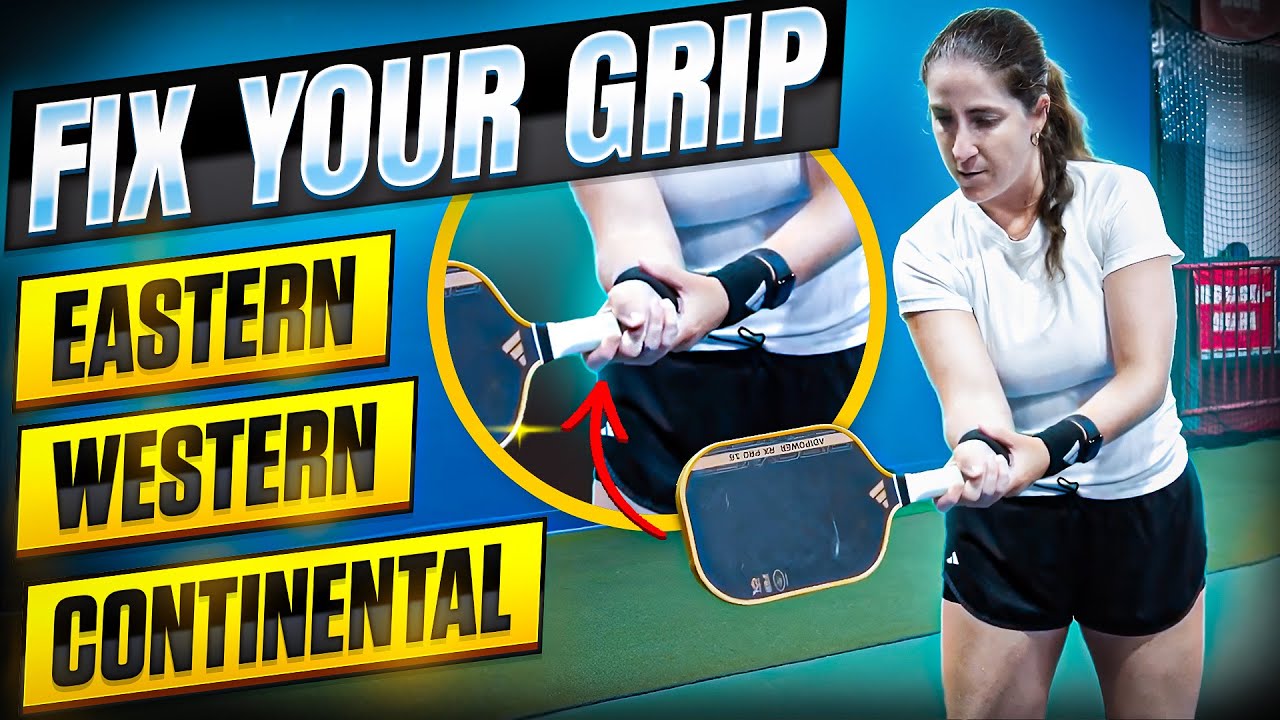
The Mechanics: Dip, Sink, and Explode
Once you've got your grip sorted, the actual mechanics of the backhand roll come down to three things: dipping your paddle face, sinking into your legs, and exploding through the shot.
Dipping the paddle face is where most players get it wrong. A lot of people start sideways or just slightly downward. That works, but if you really want to generate spin, you need to dip your paddle head almost all the way down. This creates rotation on the ball, which is what separates a mediocre backhand roll from a great one.
Sinking into your legs means you're not standing straight up and rigid. You're engaging your lower body, feeling stable but mobile. As you hit the shot, you're kind of sinking into it and then exploding through. This is where the bigger muscles come in. Your legs are doing the work, not your arm.
Exploding through means following through with purpose. Your paddle face should finish straighter than it would on a flick, and your wrist should stay relatively locked. This is the key difference between a roll and a flick: on a roll, your wrist is stricter, your follow-through is straighter, and the motion is more about your arm and body than your wrist snap.
Timing Is Everything (And Most Players Get It Wrong)
Here's something that doesn't get talked about enough: getting to the ball in time is the most important part of hitting a good backhand roll. If you're late on the shot, your paddle face will be open at impact, you'll mishit it on the paddle face, and the ball will either go out or into the net.
When Ty watched Eli hit a few shots that went out, he immediately identified the problem: Eli was getting to the ball too late. This meant his paddle face was open, and he was hitting the ball off-center on the paddle. The fix wasn't complicated, but it required anticipation.
The best players in the world, like Ben Johns, anticipate the incoming ball and start dropping their paddle face before the ball even reaches them.
They're in a neutral position, but as the opponent hits the ball, they're already moving. If they decide last second that the ball is too low, they can switch back to a dink slice position. But if it's hittable, they're already in position to attack.
This is the difference between a 3.0 player and a 5.0 player: anticipation and positioning. You can't hit a great backhand roll if you're scrambling to get to the ball.
 The Dink Media Team
Flick vs. Roll: Know the Difference
A lot of players use the terms "flick" and "roll" interchangeably, but they're actually different shots with different mechanics and different situations where they work best.
A flick is more wrist-heavy. You get more wrist on it, which means more pace and more spin. The ball is usually higher when you hit a flick, and you can really whip your wrist through the shot. The follow-through is full and explosive.
A backhand roll, on the other hand, is more arm-heavy. The ball is usually lower, so you can't use too much wrist without sending it flying out of the court. Your wrist is locked, your follow-through is straighter, and the motion is more controlled. A roll is more consistent than a flick, but it's also less flashy.
The key is knowing when to use each one. If the ball is sitting up a bit, you can flick it. If it's low and tight to the net, you need a roll. Most players never develop the roll because it requires more discipline and less wrist action, which feels less powerful.
The Real Takeaway: Consistency Over Power
By the end of the coaching session, Eli had made significant progress. He wasn't hitting the backhand roll like a 5.0 player yet, but he understood the fundamentals. His key takeaway was simple: make sure you have the right grip, get low, and use your whole body instead of just your wrist.
This is the lesson that applies to every player, regardless of level. The backhand roll isn't about hitting the hardest shot. It's about hitting the most consistent shot. It's about using your legs, keeping your wrist locked, and getting to the ball in time.
When you focus on consistency over power, everything else falls into place. Your opponents start making mistakes because they can't attack your roll. Your confidence grows because you know you can hit the shot under pressure. And suddenly, you're not just a better player; you're a smarter player.
Heads up: hundreds of thousands of pickleballers read our free newsletter. Subscribe here for cutting edge strategy, insider news, pro analysis, the latest product innovations and more.
Frequently Asked Questions
What's the difference between a backhand roll and a backhand flick?
A backhand roll uses more arm and body, with a locked wrist and lower ball contact. A backhand flick uses more wrist snap and is hit when the ball is higher. Rolls are more consistent; flicks are more aggressive.
Should I use a continental grip or a V-grip for the backhand roll?
The continental grip is better for the backhand roll because it allows more wrist mobility and makes it easier to dip your paddle face. The V-grip gives you more control but sacrifices pace and spin.
How do I know if I'm getting to the ball in time?
If your paddle face is closed at impact and you're hitting the ball in the center of your paddle, you're getting there in time. If the ball is going out or you're mishitting it, you're probably late.
Can I hit a backhand roll from anywhere on the court?
The backhand roll is most effective when the ball is low and tight to the net. If the ball is higher, a backhand flick might be a better option. But developing a solid roll gives you more options in any situation.
How long does it take to develop a good backhand roll?
It depends on your current level and how much you practice. If you're switching grips and changing your mechanics, expect a few weeks of adjustment. But once it clicks, it becomes one of your most reliable shots.

Love Pickleball? Join 100k+ readers for free weekly tips, news & gear deals.
Subscribe to The DinkGet 15% off pickleball gear at Midwest Racquet Sports