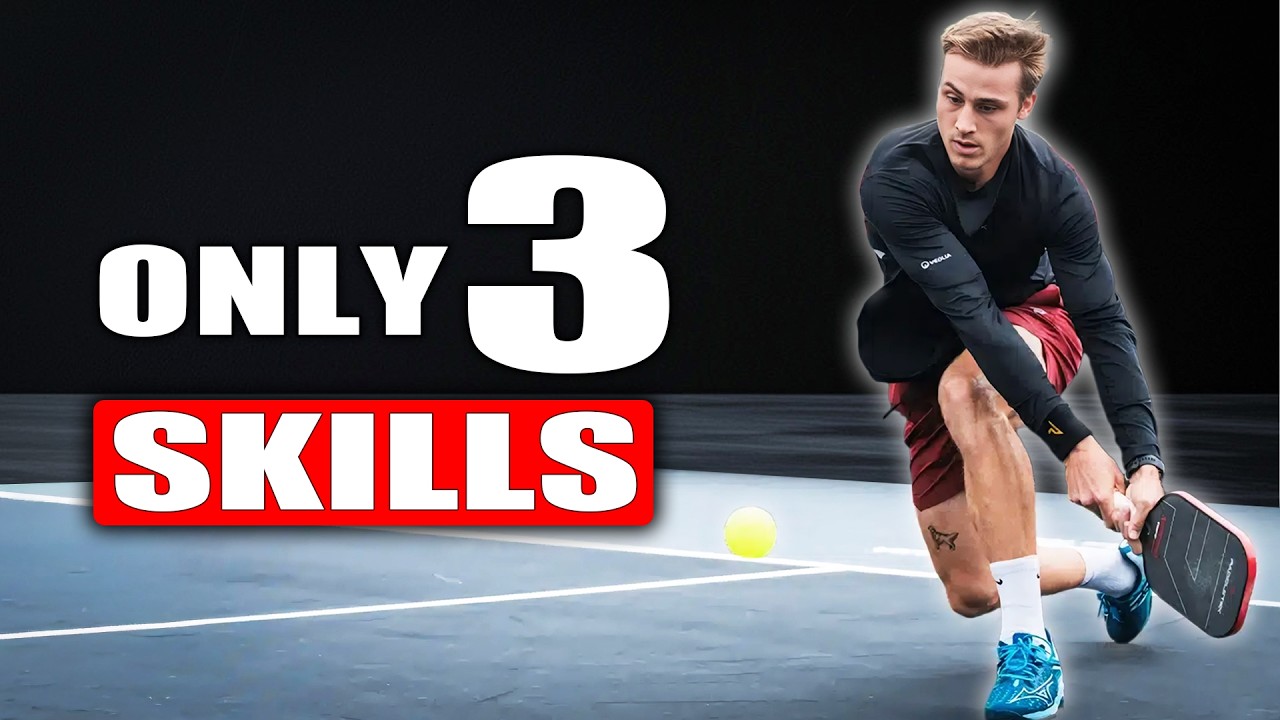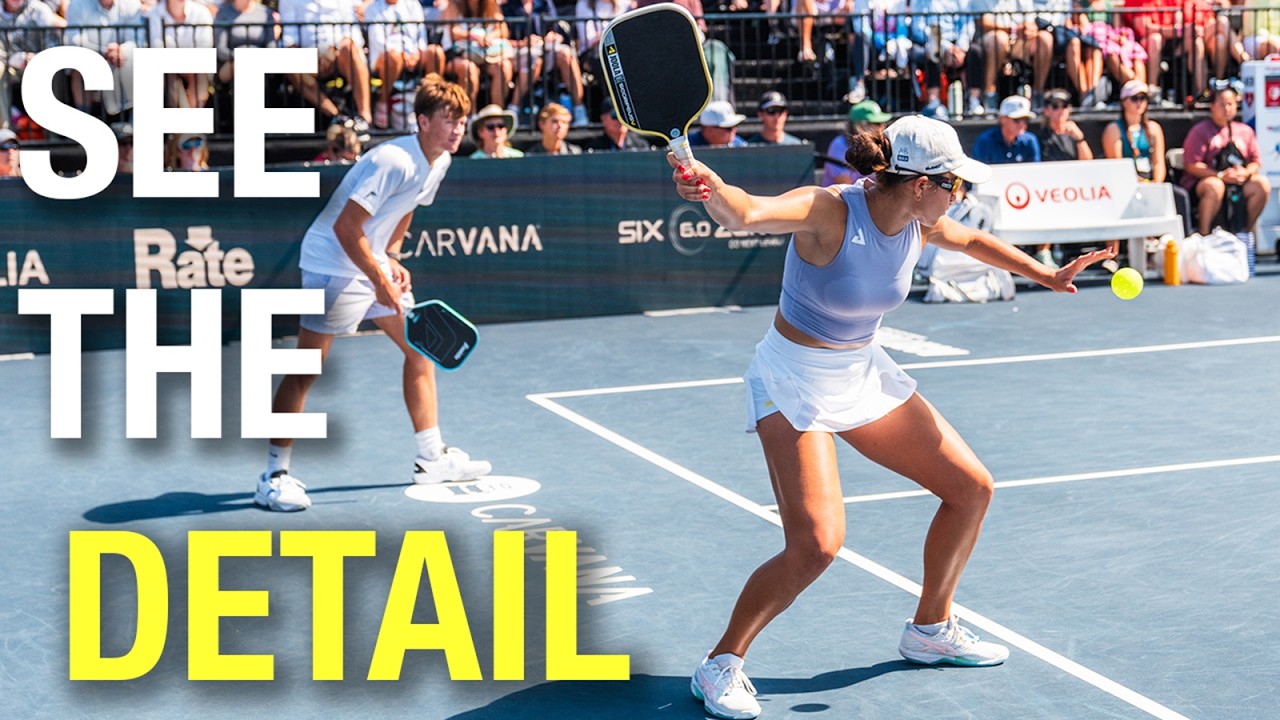

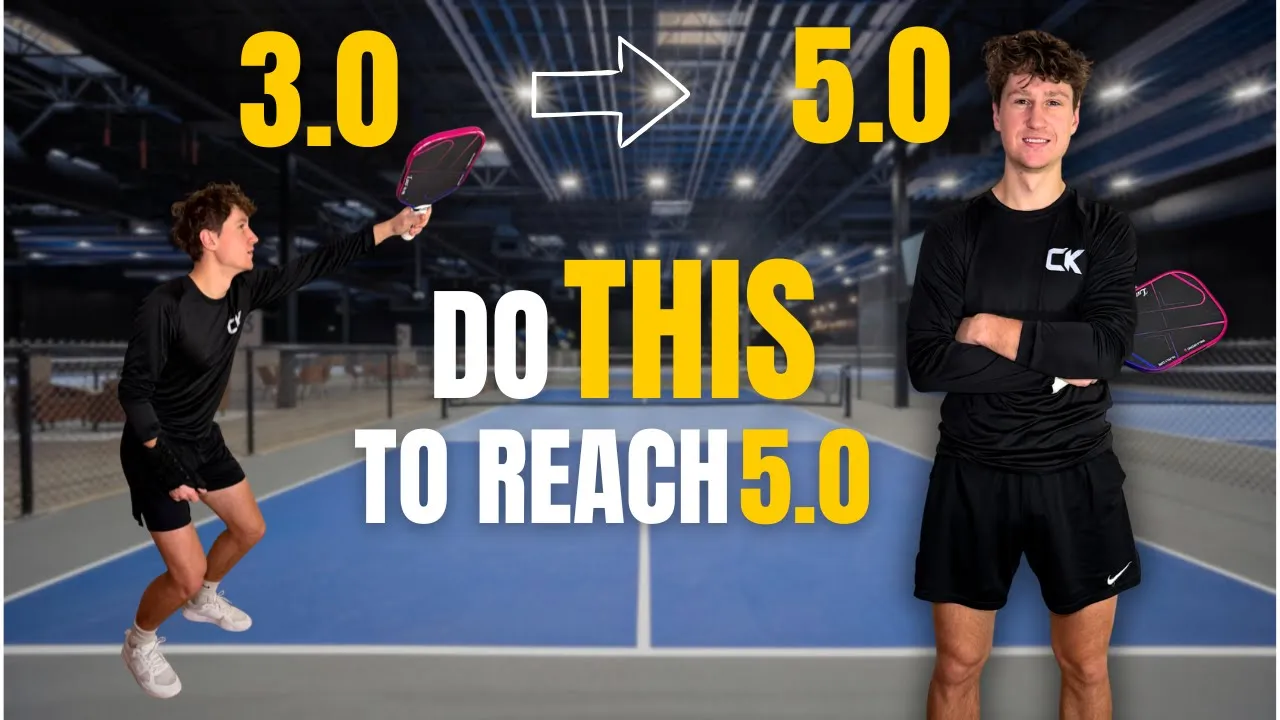
Pickleball fundamentals aren't flashy, but they're everything. Here are three core skills that actually win tournaments and help you climb the ranks faster than any trick shot ever could.
When Edgaras Zilys from ItsEZ Pickleball injured his dominant hand and was forced to relearn the game left-handed, he discovered something that changed how he thinks about pickleball fundamentals.
Going from a tournament winner to someone hoping the ball would just clear the net taught him a hard lesson: the flashy stuff doesn't matter nearly as much as the basics.
In a recent video, Zilys breaks down the exact pickleball fundamentals he'd focus on if he had to learn the sport again from a 3.0 to 5.5 level. Spoiler alert: it's not about hitting harder or learning more shots. It's about mastering three core skills that separate players who win from those who just play.
Love pickleball? Then you'll love our free newsletter. We send the latest news, tips, and highlights for free each week.
What Are Pickleball Fundamentals, Really?
Here's the thing about pickleball fundamentals: everyone talks about them, but almost nobody actually understands what they mean.
When coaches say "be consistent," most players nod and move on. But consistency in pickleball isn't about playing scared or never attacking. It's about choosing shots you can repeat even when you're tired, nervous, or under pressure in a tournament.
Zilys explains it this way: if your shot changes every single point just because you missed one, that's not creativity. That's randomness.
When he started drilling left-handed, he was all over the place, trying different shots and different spins. His consistency was terrible. But once he realized he didn't need more options, he needed to do the same thing over and over until it became automatic, everything changed.
He simplified his approach.
- When his forehand drop was set and behind the ball, he hit a topspin drop.
- When he was late or off-balance, he pushed the ball over the net.
He drilled that for a few sessions, and almost immediately it became automatic. No thinking. No guessing. Just repeatable decisions.
Consistency: The Most Misunderstood Fundamental
Consistency is probably the most overused word in pickleball, and it's also the most misunderstood. Most players think it means playing it safe. But that's backwards.
Consistency is what creates opportunities.
The real definition: attacking the right balls, getting to the ball on time, and hitting shots that feel natural instead of forcing creativity on shots you never practice.
Here are some simple rules you can set for yourself right now:
- If you miss the same shot a few times, don't immediately change your technique. Ask why you missed.
- If your footwork is lazy, no shot will save you.
- If you're balanced and behind the ball, you earn the right to attack.
Zilys emphasizes this point hard: "If you want to level up, stop asking, 'Can I hit this?' Start asking, 'Can I hit it every time?'" That shift in mindset is everything. It's the difference between a player who hopes and a player who knows.
 The Dink Media Team
Footwork: The Fastest Way to Level Up
Footwork is probably the most underrated skill in pickleball.
Most people think they're missing because of bad technique, but the real problem is how they got to the ball in the first place.
When Zilys switched to his left hand, this became painfully obvious. His technique felt fine, but he was constantly late or off-balance. And when your footwork is off, you're going to have tough days on the court.
His backhand felt extremely awkward left-handed, not because of the swing, but because of his footwork. So in his next drill session, he simplified everything.
- He focused on one thing: taking a step back with his right foot.
- He started at the kitchen and progressively moved back to the baseline, keeping his entire focus on getting behind the ball and pivoting with his right foot to stay balanced.
Once he fixed that, the shot felt completely different without changing his swing at all. That's when he realized something important: footwork directly affects decision-making. By fixing his footwork, his flicks even opened up. He started feeling confident in his backhand dinks, which allowed him to create more consistent offense.
Here are some rules for footwork that apply everywhere on the court:
- If your feet are still moving, don't attack.
- If you're balanced, set, and behind the ball, you can be aggressive.
- This applies to drops, dinks, volleys, and speedups.
Most forward errors actually come from being lazy and not taking that extra step. Players sometimes don't want to move, so they reach instead. That one habit causes more errors than almost any technical flaw.
If you fix your footwork, you'll miss fewer balls, feel less rushed, and make better decisions. Suddenly the game starts to feel slower.
Footwork doesn't look flashy. Nobody really compliments it. But it's one of the fastest ways to level up your game.
 The Dink Media Team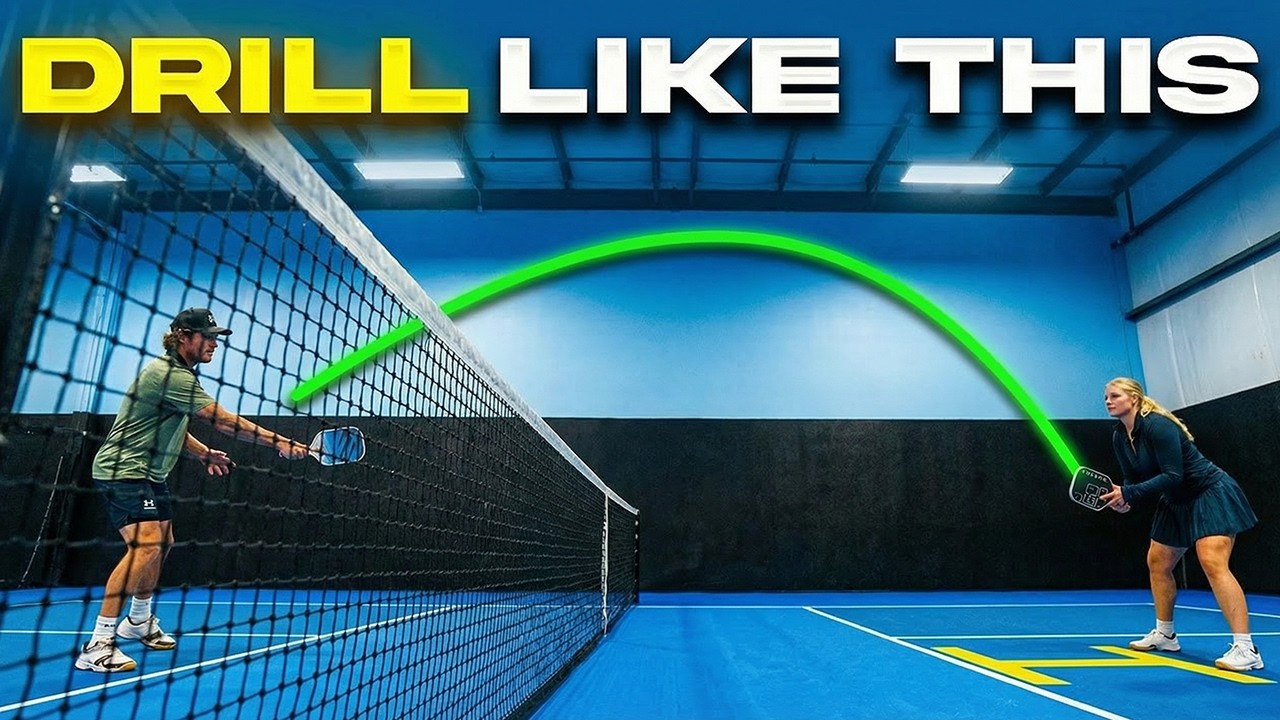
Decision-Making: The Discipline That Wins Games
Once Zilys's consistency and footwork started to improve, he realized something else. Even when he was set and balanced, he was still losing points because of bad decisions. This is where a lot of players get stuck. They think decision-making is instinct or talent. But in pickleball, it's mostly discipline.
Here's the truth: most points are lost because of bad decisions or impatience, not because of bad shots.
Decision-making in pickleball isn't about hitting better shots. It's about knowing when not to hit a certain shot.
One of the biggest mistakes Zilys sees is players attacking just because they can, not because they should. Being balanced doesn't mean you have to attack. It just means you finally have the option to do so. With his left hand, this became very clear. He didn't have the ability to bail himself out with touch or spin. So every bad decision showed up immediately.
If he attacked the wrong ball, he usually lost the point. If he forced something, it might have worked once in a while, but it wasn't reliable. That forced him to slow down and ask himself better questions. Instead of asking, "Can I hit this shot?" he started asking, "Is this the right shot at the level I'm at right now?"
Here are some simple rules for decision-making:
- If you're not behind the ball, you're not attacking it.
- If you're off-balance, you're trying to recover and play defensively.
- If you're attacking just to end the point, it's usually the wrong decision.
Good decision-making might seem boring, but here's the thing: winning is so damn sweet. Once you get to the 5.0 level, nobody gives you free points anymore. You don't win with one good shot. You win by making fewer bad decisions than your opponent.
 The Dink Media Team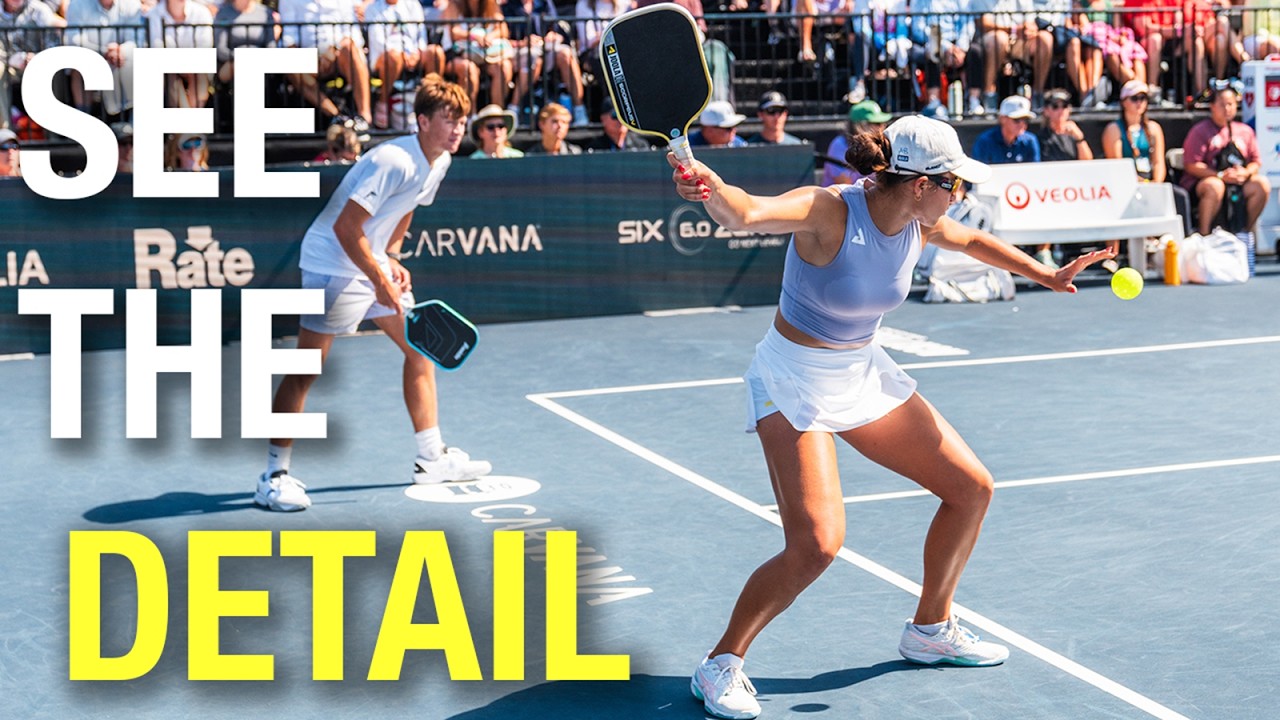
The Real Path to Improvement
Zilys learned something important while relearning pickleball with his non-dominant hand: getting better isn't about adding more shots or doing something flashy. It's about doing the right thing consistently. If you truly had to learn pickleball again and work your way from 3.0 to 5.5, this is exactly where you'd start: consistency, footwork, and decision-making.
Not because it looks super exciting. But because you actually win games.
When you focus on these three pickleball fundamentals, the game slows down. You start to feel calmer on the court. Instead of forcing points, opportunities start to come up naturally to you. That's the real magic of mastering the basics.
Heads up: hundreds of thousands of pickleballers read our free newsletter. Subscribe here for cutting edge strategy, insider news, pro analysis, the latest product innovations and more.
Frequently Asked Questions
What are the three most important pickleball fundamentals?
The three most important pickleball fundamentals are consistency, footwork, and decision-making. Consistency means choosing shots you can repeat under pressure. Footwork means getting to the ball on time and staying balanced. Decision-making means knowing when to attack and when to play defensively.
How do I improve my consistency in pickleball?
Improve consistency by simplifying your shot selection and drilling the same shots repeatedly until they become automatic. Don't change your technique every time you miss. Instead, ask why you missed and focus on footwork and positioning before changing your swing.
Why is footwork so important in pickleball?
Footwork is important because good footwork makes average shots good, while bad footwork makes good shots bad. When you're balanced and behind the ball, you have more control and can make better decisions about which shots to hit.
How does decision-making affect my pickleball game?
Decision-making affects your game because most points are lost due to bad decisions, not bad shots. Learning when not to attack and when to play defensively separates winning players from those who just play. Good decision-making comes from discipline, not instinct.
Can I improve my pickleball fundamentals at any skill level?
Yes, you can improve your pickleball fundamentals at any skill level. Whether you're a 3.0 or a 5.5, focusing on consistency, footwork, and decision-making will help you win more points and climb the ranks faster than learning new trick shots.

Love Pickleball? Join 100k+ readers for free weekly tips, news & gear deals.
Subscribe to The DinkGet 15% off pickleball gear at Midwest Racquet Sports