
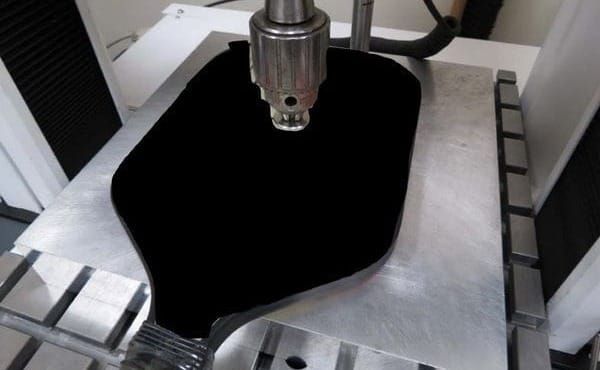
"It's not a bug. It's a feature."
That is a sarcastic saying in the design and development world that defends an error or flaw as though it were intentional.
For example, if you were playing a video game and your character ran off a cliff, but instead of falling, it just floats there, someone may joke that "It's not a bug. It's a feature."
Or, if you paid almost $300 for a pickleball paddle and after "breaking it in," it starts hitting harder than ever due to the material collapsing or expanding inside the core.
A pickleball manufacturer might say, "Oh, that's supposed to happen. It's a feature."
Only in the last example, instead of meaning it sarcastically, they're serious.
That's basically what's happening right now with new pickleball paddle power ... and it might be a big problem.
Why Pickleball Paddle Power Is a Problem
For those who don't care much about what's inside their pickleball paddle, the only thing you really need to understand is that most pickleball paddles are made up of layers, including the core.
Without getting too nerdy, the core provides power and pop, and (depending on the process and material used) it is often the difference between a paddle costing $40 and one that costs (let's say) $280.
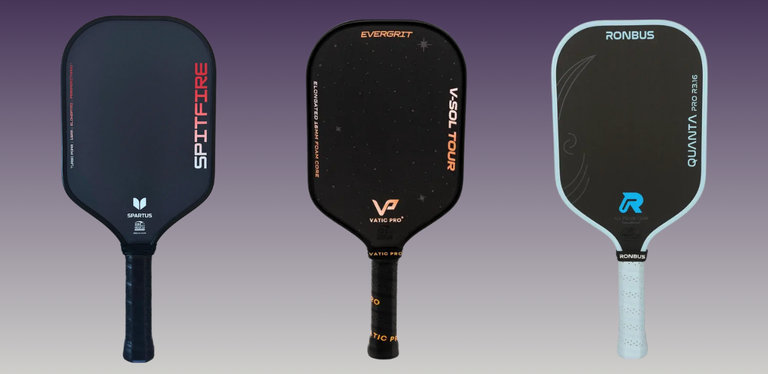
Also, inside the paddle are honeycomb-shaped air pockets filled with material to provide strength without adding weight. Polymer, polyurethane, or foam are some of the most common materials used, with foam being the main ingredient in what are being released as "Generation 3" paddles.
As you play with a paddle, especially if it's not manufactured well, these cells can expand or be crushed, causing the paddle to develop a spring-like (or trampoline-like) effect.
As you can imagine, this makes the paddle more powerful on big swings but harder to control on softer shots.
If you've ever squeezed the face of your paddle and it crunches, this is what's happening inside. The paddle is literally breaking.
Playing with a broken paddle is a big no-no for pros and tournament players. They are considered illegal and must be replaced.
Unless, of course, they pass testing. Which is precisely what's happening. At least for some paddle manufacturers.
In rec play, there are no paddle tests to rule out super hot and potentially dangerous paddles. People can play with whatever they want.
And there is the problem.
More Pickleball Paddle Power Equals More Danger
Before you go out and buy a pickleball paddle to start bashing against a tree trunk in an attempt to craft your own version of Mjollnir, consider whether more power is actually good for your pickleball game.
Also, think about whether it's good for the person playing directly across from you.
 Thomas Shields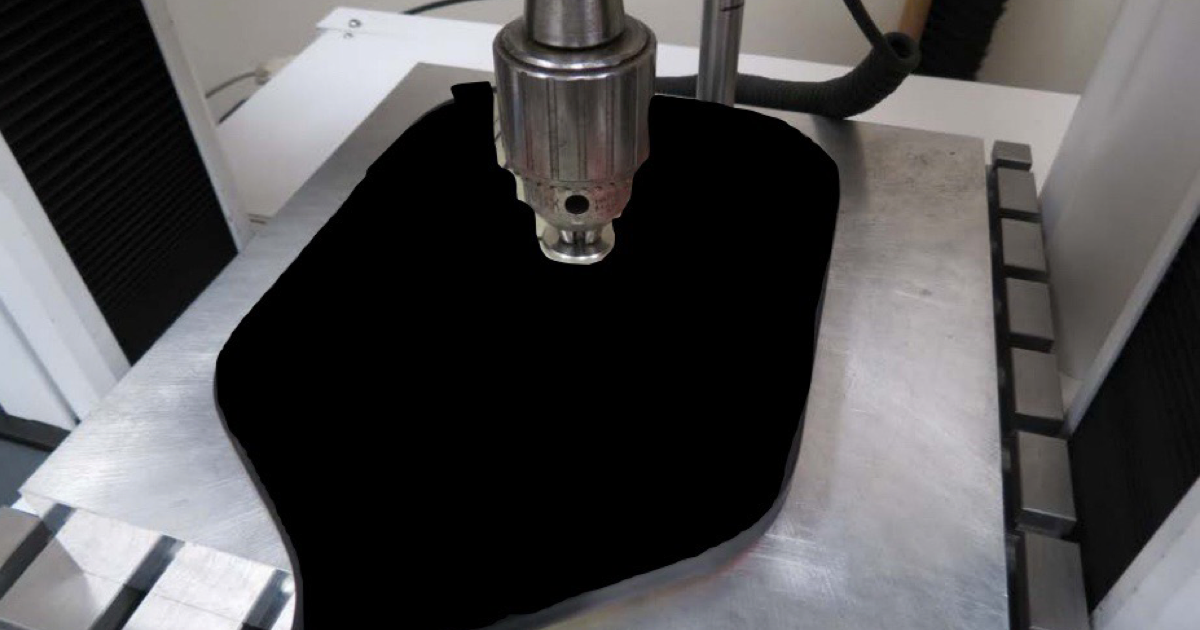
We all want to hit better putaways and drives that strike fear into our opponents. But that extra power will always come at a cost. That cost could be control, accuracy, or causing someone to wear an eye patch for the rest of their life.
If you choose to use a hotter-than-it-should-be paddle, you are choosing to put other people at risk.
Is that really okay?
Are Overpowered Paddles a Real Safety Threat?
Are pickleball paddles too powerful? A growing number of players and analysts say yes, and the data backs them up.
According to ESPN's reporting on pickleball injuries, emergency rooms across the country have seen a marked increase in pickleball-related incidents, particularly among players over 60. That's before accounting for the wave of overpowered paddles currently flooding the market.
Pickleball eye injuries are growing at an alarming rate across all skill levels, and a hotter paddle with unchecked pickleball paddle power only accelerates that risk in recreational and competitive play alike.
So Why Is This Happening?
Recently, Chris Olson of The Pickleball Studio released a YouTube video discussing the Vatic Pro Oni and the disturbing paddle technology trend he's been seeing from paddle companies over the last several weeks.
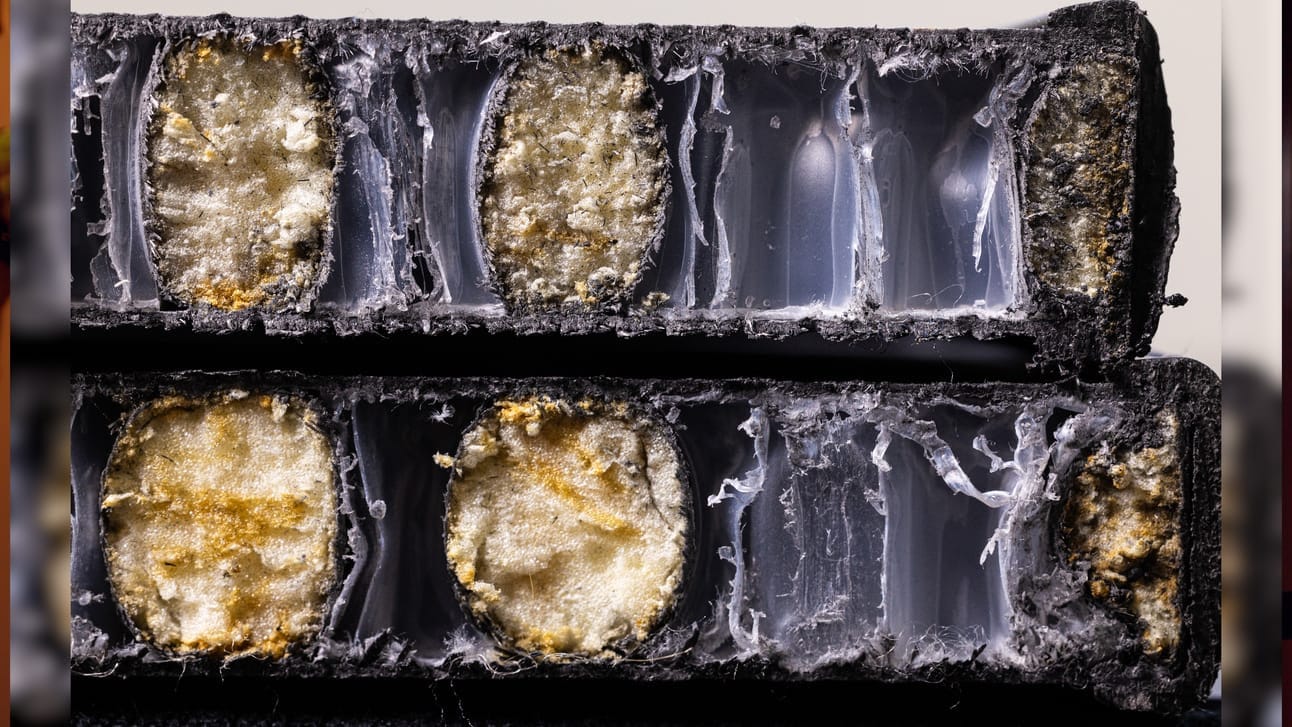
Around the 4:17 mark of the video, he says, "Universally, pressing into your paddle and hearing a crunch or squishing noise for the entire last year has been a bad thing that meant your paddle was out of spec. Now, we're able to advertise it as a feature or selling point?"
He continues to discuss other paddle companies currently using foam filling inside their cores and how each seems to have this "flaw" that causes them to become increasingly powerful as you use them.
He also says that he called one of the paddle manufacturers to discuss this and they told him that this is what they meant to happen.
Basically, Oh, your paddle broke and it's now stronger? You're welcome.
The Foam Revolution and the Pickleball Paddle Power Arms Race
The rise of foam core construction is directly tied to the escalating pickleball paddle power debate. As the full foam revolution reshapes pickleball, manufacturers are pushing the limits of what a legally approved hot paddle can do.
Some call it innovation. Others call it a loophole. Either way, the issue of pickleball paddle power has arrived at a tipping point the sport can no longer ignore.
How Are These Paddles Approved?
Frankly, no one seems to know how some paddles are approved while others aren't. We can make assumptions, money, for one, but it would be speculation, and maybe unfair.
Also, the idea that there needs to be better and different paddle testing standards at the pro level is not novel. It's been said many times by players, even the best player in the world discussed this very thing on the PicklePod one year ago.


What the Pros Are Saying About Pickleball Paddle Power
This past week, hot paddles have been a big topic in the pickleball world, with many podcasts and users on forums providing their opinions.
On this week's PicklePod, pickleball pros Travis Rettenmaier and Zane Navratil discussed the pickleball paddle power controversy and offered some interesting perspectives on what these new paddles are doing to the pro game.
"This will be the demise of pickleball, if things like this are not outlawed," Rettenmaier said. "Because a poor little girl in Crescent is gonna get hit in the face at 112 miles per hour and she's not gonna come back."
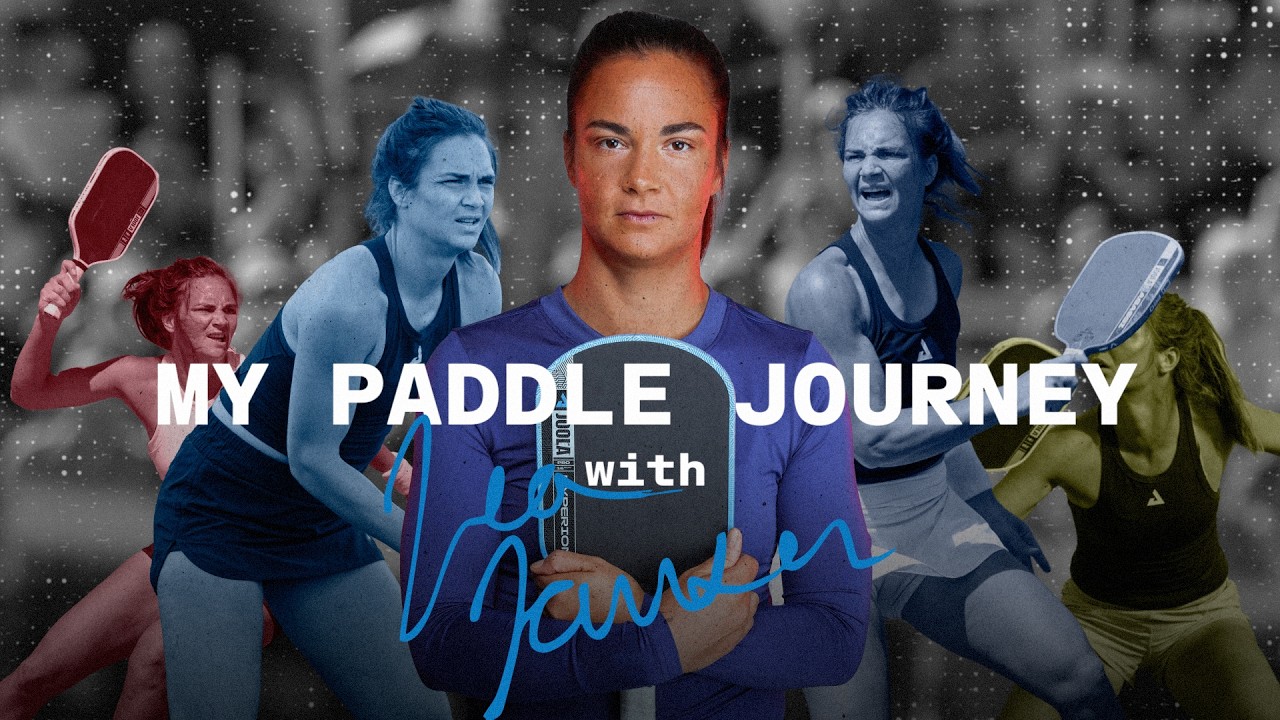
Lea Jansen, one of the top pros in the game, hopes the paddles get toned down. She stopped by the PicklePod last week to share her thoughts.
"I'm a huge advocate for taking the power down," Jansen said. "It's more for selfish reasons. I feel like I'm a pretty powerful girl and it used to be a huge skill of mine. Like I'm more powerful than most girls. It would be nice if we could only use our natural power."
The JOOLA Controversy Raises the Paddle Power Stakes Higher
Chris Olson from Pickleball Studio shared more thoughts after cutting a new JOOLA paddle open.
PICKLEBALL PADDLE CONTROVERSY BREWING?? OP paddles have been topics before w/ #selkirk #crbn #proxr More due to grit etc., but DEFLECTION continues to be safety concern w/ several new paddle launches
— Johnny5pointOH (@Johnny5pointOH) May 7, 2024
Chris Olson shares latest thoughts/evidence w/ Gen3 #Joola👇🏻🫢
🎥: @Pballstudio pic.twitter.com/OgMhsARXbQ
A few other YouTube paddle reviewers also discussed the topic:
Kiwi Labs Pickleball
Pickleball Tech Dude
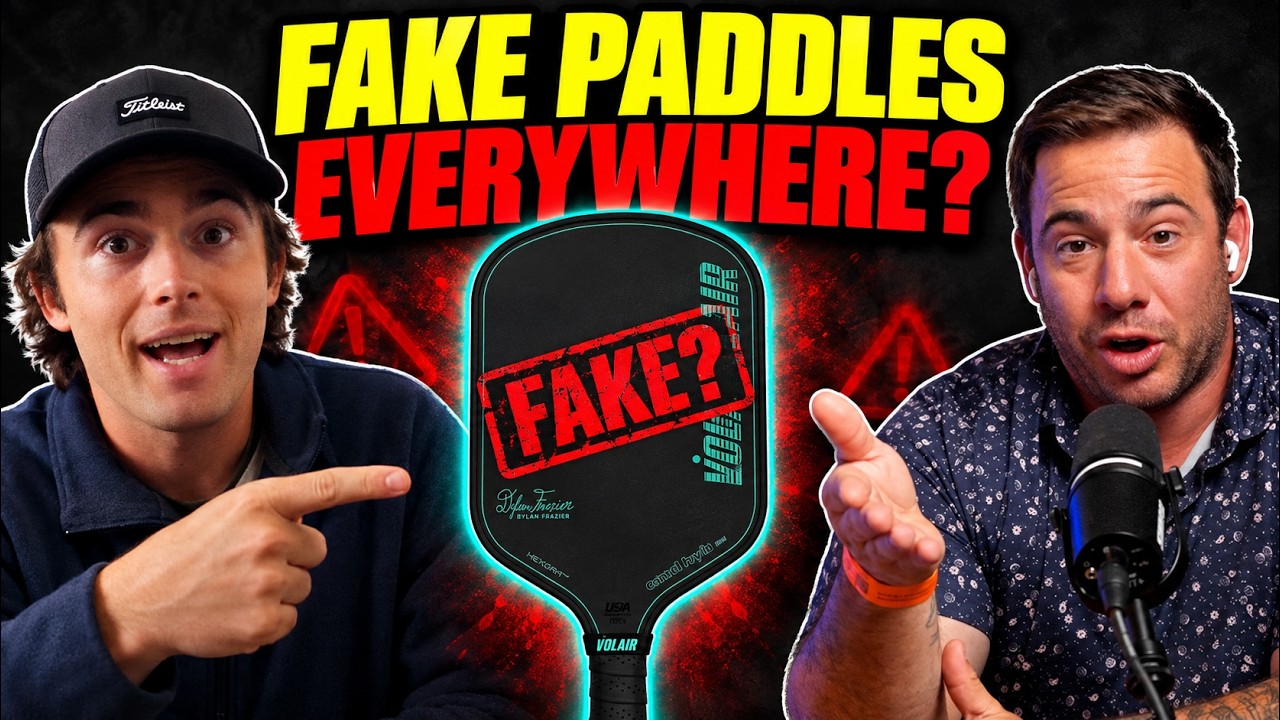
And, finally, the video that may have started this entire conversation can be found here.

What are your thoughts? Is this path of overpowered pickleball paddles good for the sport? Will it have an impact on your next paddle purchase?
You can also check whether your own paddle has been compromised by core crushing with a simple at-home test before your next session.
Send The Dink your feedback and let us know.
Frequently Asked Questions
What is pickleball paddle power and why does it matter?
Pickleball paddle power refers to the amount of force a paddle generates on contact with the ball, shaped by core materials, construction quality, and internal cell integrity. When a paddle generates excessive power, it creates both a safety risk for players on the receiving end and a fairness problem in competitive play.
What are "Generation 3" paddles and are they legal?
Generation 3 paddles use foam-filled cores that expand with use, progressively increasing pickleball paddle power over time. Some of these paddles have passed official testing, but they face growing scrutiny from pros, reviewers, and governing bodies who question whether overpowered paddles that gain power after use should remain on the approved list.
Why can't governing bodies simply ban hot paddles?
The challenge is that paddle testing standards have struggled to keep pace with rapid advances in paddle technology. Some paddles pass initial testing but become hot after regular use, making it extremely difficult to regulate pickleball paddle power consistently across all competition levels.
Is the pickleball paddle power problem limited to pro play?
No. While pros and tournament players face stricter equipment rules, recreational players have no paddle restrictions at all. This means anyone in open rec play could unknowingly be using a broken or out-of-spec paddle with dangerously high power output, putting fellow players at risk.
What should I do if I think my paddle has too much power?
If your paddle crunches when squeezed or feels noticeably more powerful than when it was new, it may be experiencing core crushing. You should replace it before using it in any tournament setting, and consult USA Pickleball's current approved paddle list to confirm whether your specific model is still certified for competitive play.

Love Pickleball? Join 100k+ readers for free weekly tips, news & gear deals.
Subscribe to The Dink