
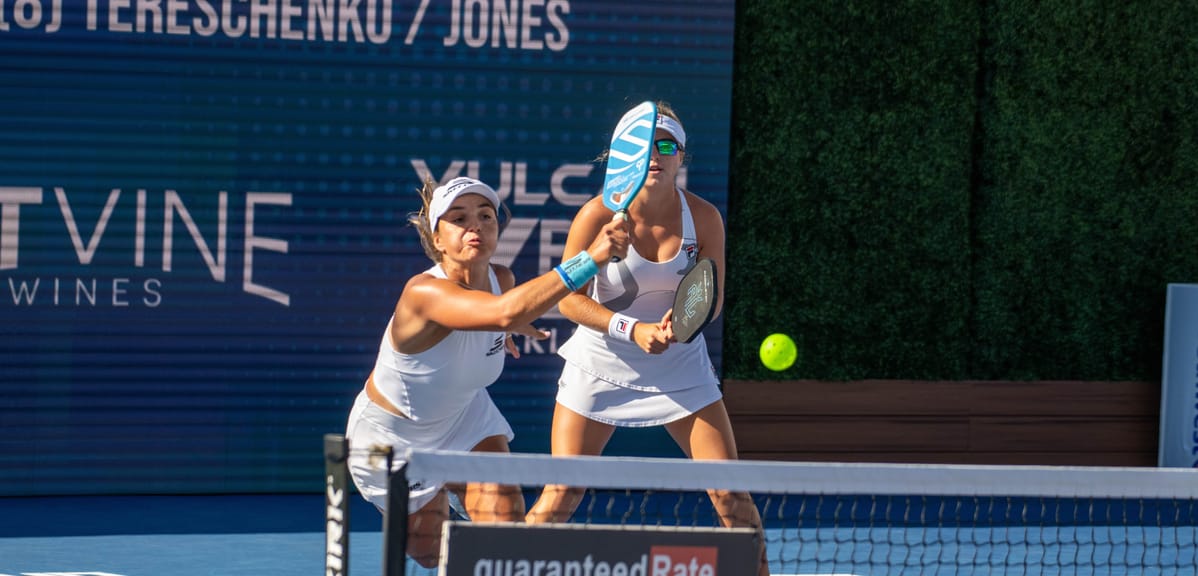
Hitting one good attack isn't enough anymore.
With players getting faster and more skilled, you've got to be prepared for multiple shots, not just one. In this article, I'll walk you through three pickleball attack patterns that pro players use to dominate their opponents. We'll also cover some specific drills and footwork tips to help you execute these patterns during your games.
Let's dive in.
It's All About the Pickleball Attack Pattern, Not Just Power
Pickleball used to be about hitting one strong shot to win the point.
Now, everyone's hands are so quick that a single attack usually won't end the rally. Instead, you need to think about pickleball attack patterns — where one shot sets up the next.
Your goal should be to apply pressure over multiple shots, using placement and timing to take control of the point.
3 Key Pickleball Attack Pattern Spots to Master
There are three key pickleball attack pattern spots you should focus on when trying to keep the pressure on your opponent. These attack points are simple but highly effective, and learning to use them in combination will give you an edge.
1. Forehand Attack from the Right Side
This is one of the most common pickleball attack patterns in the game. You've got the ball on your forehand, and your opponent's backhand is exposed. Attack down the line, aiming for their backhand.
After your first shot, be ready for them to counter through the middle, and move in with your backhand to keep the pressure on.
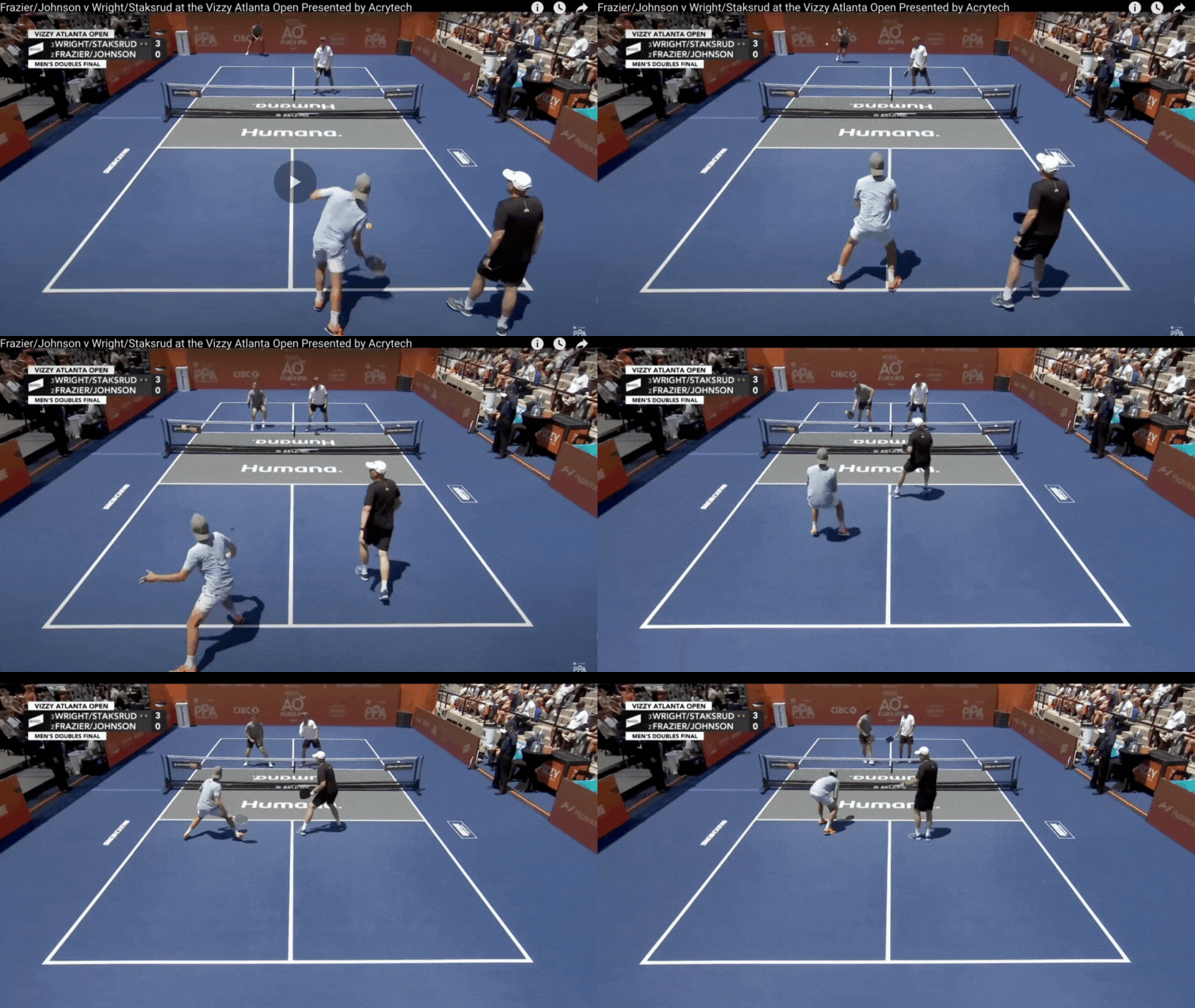
Key Tip: This shot crosses the highest part of the net, so aim for control rather than power. Hitting too hard will often lead to errors.
2. Off-Speed Forehand Attack
Instead of going for power, take a big swing but hit the ball softly, aiming low toward your opponent's knees. This can throw them off balance because they're likely expecting a fast shot. If they pop the ball up, you'll be in a great position to finish the point.
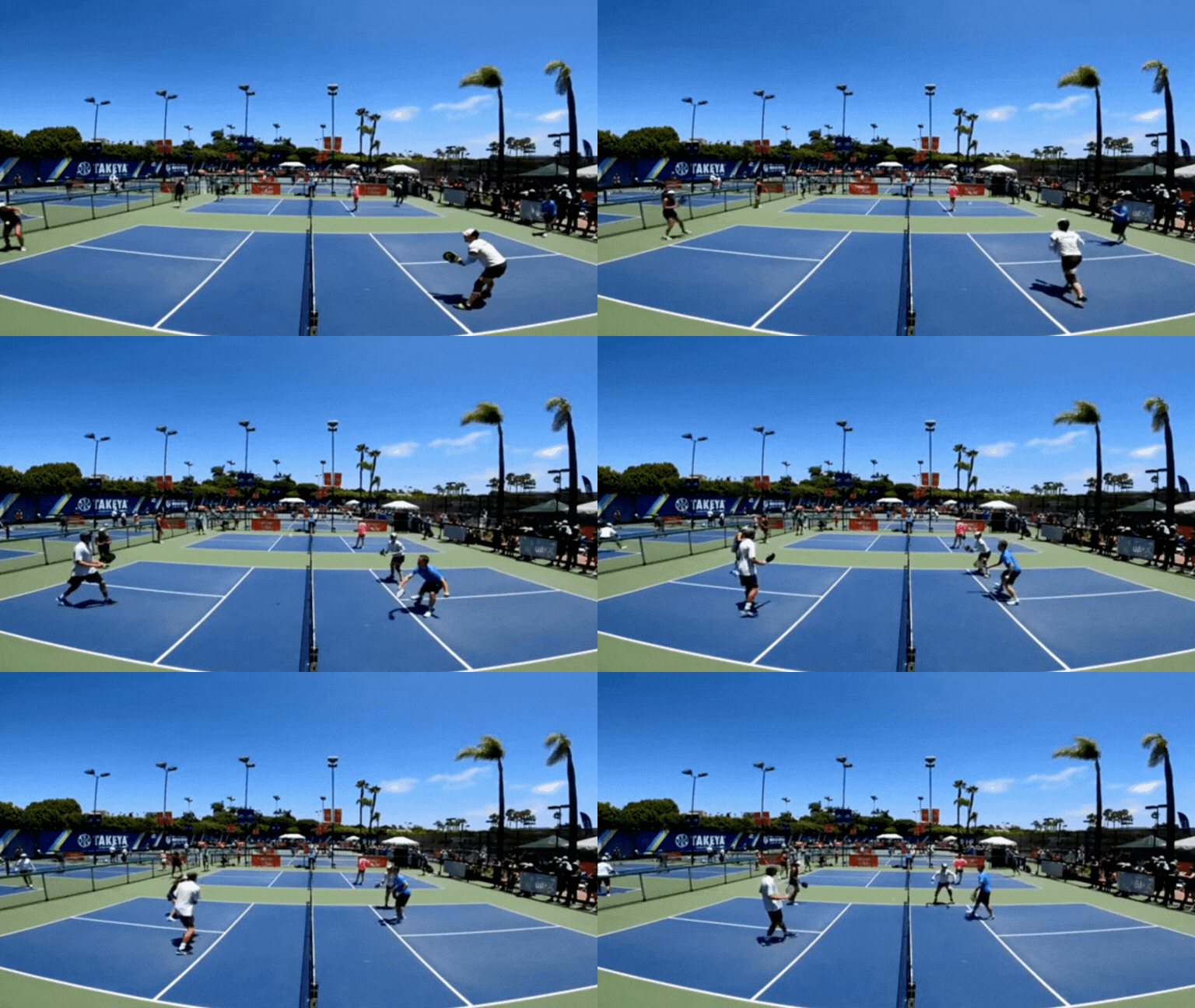
Key Tip: After hitting the off-speed shot, anticipate that your opponent will try to counter through the middle. Be ready to pounce.
3. Body Shot Pickleball Attack Pattern
Aiming directly at your opponent's body is a smart move, especially if they're not ready to move. This pickleball attack pattern requires staying neutral, since they could counter to either side. You'll need to stay ready to respond with either your forehand or backhand.
Key Tip: Keep your stance low and balanced when aiming for the body. Being too committed to one side can leave you exposed to a quick counter.
Drills to Practice Your Pickleball Attack Pattern
Here are some practical drills to help you lock in each of these pickleball attack patterns and improve your offensive patterns in pickleball:
Forehand Attack from the Right Side Drill
- Target Practice: Set up cones or targets along the sideline and practice hitting forehand attacks to the same spot consistently.
- Counter Preparation Drill: Have a partner return the ball through the middle after your attack. This lets you practice responding with your backhand immediately after your forehand attack.
Off-Speed Forehand Attack Drill
- Disguised Shot Drill: Practice taking a big swing but hitting the ball softly to different targets. Alternate between hard drives and off-speed shots to improve your ability to disguise your attacks.
- Low Return Drill: Have a partner send low balls toward your knees and practice returning them with control, keeping the ball low to prevent an easy counter.
Body Shot Attack Drill
- Body Target Drill: Aim for your partner's body, practicing how to stay neutral and ready for whichever direction they might counter. Focus on recovering quickly after each shot.
 The Dink Media Team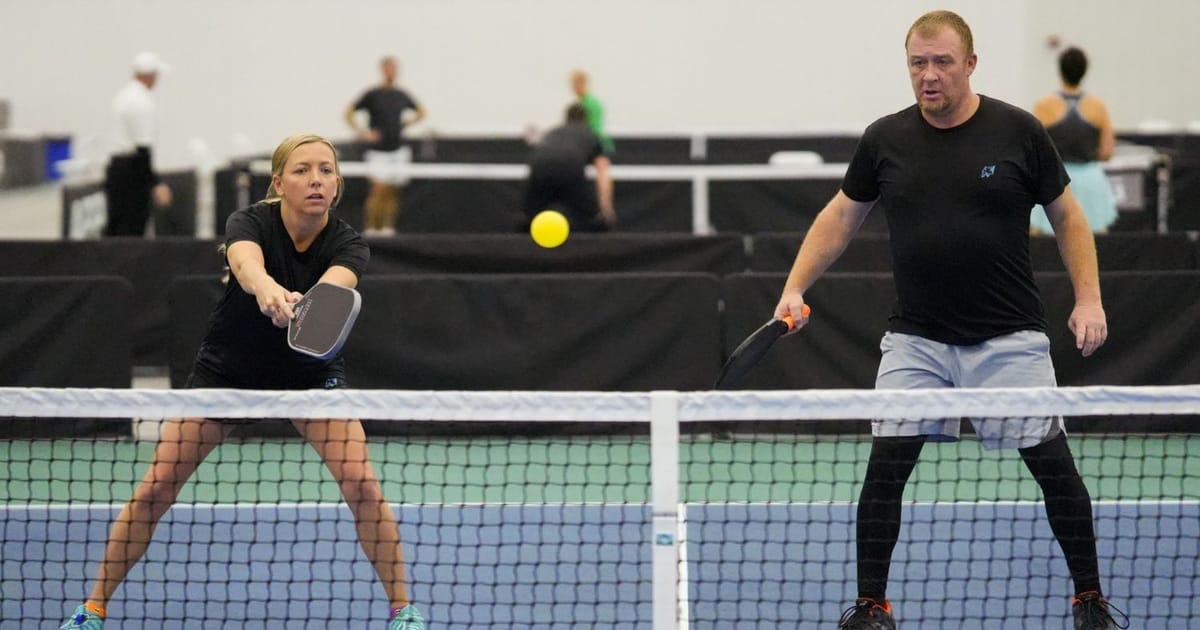
Footwork and Court Awareness: Positioning is Key
Getting into the right position for these attacks is just as important as the attack itself. Here's how to improve your footwork and court awareness:
- Stay Low and Mobile: Your stance should always be low, with knees slightly bent. This keeps you ready to move in any direction, especially after an attack.
- Recover to Neutral: After hitting your shot, get back to the center of your side of the court. This gives you the best chance to defend against any counter your opponent might make.
- Lateral Movement Practice: Work on quick lateral shuffles so you can move efficiently across the court. Staying balanced and centered will keep you ready for the next shot.
Jason Flamm
When to Use These Attacks
Timing your attacks is just as important as executing them correctly. According to Sports Illustrated, not adapting to your opponent's style and playing too conservatively are two of the most costly mistakes in pickleball attacking strategy. Here's when each of these pickleball attack patterns works best:
Forehand Attack Timing
This attack works best when your opponent is slightly out of position and you can force them to respond with their backhand. It's a high-percentage shot when done right.
Off-Speed Pickleball Attack Pattern Timing
Use this when your opponent is expecting a fast, powerful shot. Mixing in an off-speed shot keeps them guessing and makes it harder for them to set up their next move.
Body Shot Timing
A body shot is a great choice when your opponent is under pressure and doesn't have time to get out of the way. It forces them to make quick decisions, and they're more likely to make mistakes.
Johnny Barth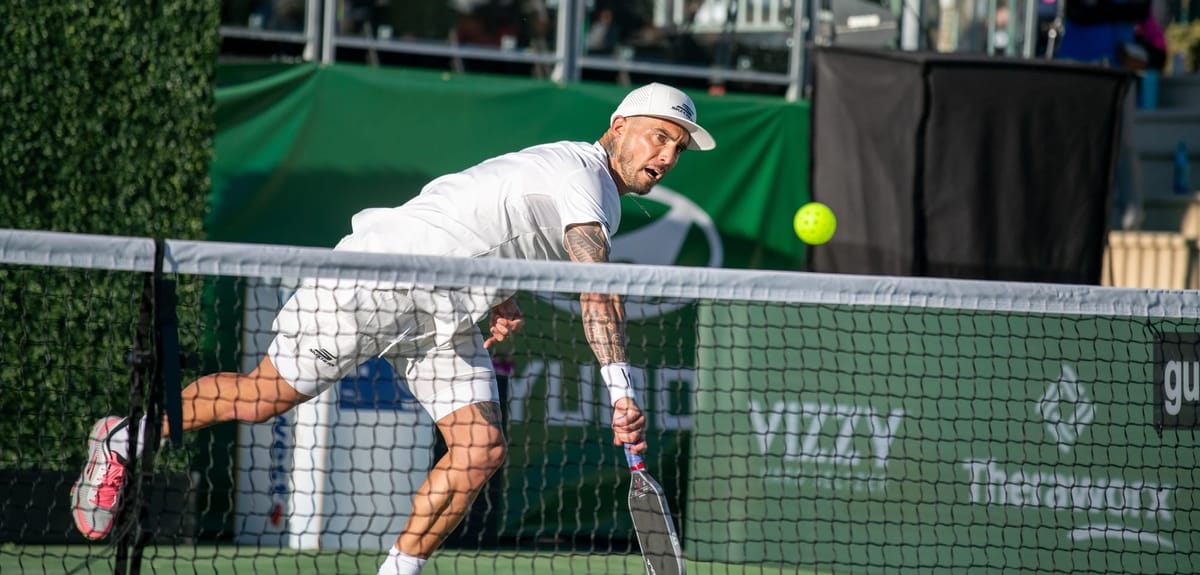
Mental Game: Staying Focused During Fast Exchanges
Pickleball is a game of quick decisions and fast exchanges. Here are a few ways to stay mentally sharp and ready for whatever comes next:
- Be Patient: Wait for the right opportunity before making your move. As ESPN covers in their profile of pro-level pickleball coaching, elite coaches emphasize patience and setting up a strategic plan before attacking. A well-timed attack is much more effective than forcing a shot.
- Expect the Counter: Always assume your opponent will return the ball. Be ready for their counter, and don't let your guard down after your first attack.
- Stay Calm: In fast hand battles, it's easy to panic. Focus on placing your shots and staying composed rather than just swinging hard.
Jason Flamm
Defending Against the Counter
Even if you're executing great attacks, your opponent will fight back. Keep your paddle up and be ready to react. Watch your opponent's body language to anticipate their next move, and adjust your position to stay in control of the rally.
Frequently Asked Questions
What is a pickleball attack pattern?
A pickleball attack pattern is a planned sequence of offensive shots designed to keep your opponent under pressure across multiple exchanges. Rather than relying on one powerful shot to end the rally, pro players use attack patterns in pickleball to set up points systematically, targeting weak spots like the backhand, body, or off-speed zones.
How do I know which pickleball attack pattern to use in a match?
The right pickleball attack pattern depends on your opponent's court position and what shot they're anticipating. If they're slightly out of position, go for the forehand attack down the line. If they're braced for power, an off-speed shot will catch them off guard and force a pop-up.
Why is footwork so important for executing attack patterns in pickleball?
Good footwork puts you in the right position before and after each shot, which is essential for chaining your pickleball attack pattern together effectively. Without proper recovery and lateral movement, you'll lose control of the rally after your first offensive shot and leave yourself exposed to a counter.
How can I practice attack patterns in pickleball without a partner?
You can begin developing your pickleball attack pattern solo by drilling against a wall and targeting a specific zone with consistency. Once you have a partner, add counter preparation drills where they return through the middle, training you to transition quickly from your forehand attack to your backhand response.
What is the difference between a body shot and a forehand attack pattern in pickleball?
A forehand attack targets your opponent's backhand to create a predictable angled response, while a body shot forces reactive decisions with no clear directional cue. Both are highly effective offensive patterns in pickleball, and knowing when to switch between them is what separates mid-level players from those competing at a true 5.0 level.Frequently Asked Questions
What is a pickleball attack pattern?
A pickleball attack pattern is a planned sequence of offensive shots designed to keep your opponent under pressure across multiple exchanges. Rather than relying on one powerful shot to end the rally, pro players use attack patterns in pickleball to set up points systematically, targeting weak spots like the backhand, body, or off-speed zones.
How do I know which pickleball attack pattern to use in a match?
The right pickleball attack pattern depends on your opponent's court position and what shot they're anticipating. If they're slightly out of position, go for the forehand attack down the line. If they're braced for power, an off-speed shot will catch them off guard and force a pop-up.
Why is footwork so important for executing attack patterns in pickleball?
Good footwork puts you in the right position before and after each shot, which is essential for chaining your pickleball attack pattern together effectively. Without proper recovery and lateral movement, you'll lose control of the rally after your first offensive shot and leave yourself exposed to a counter.
How can I practice attack patterns in pickleball without a partner?
You can begin developing your pickleball attack pattern solo by drilling against a wall and targeting a specific zone with consistency. Once you have a partner, add counter preparation drills where they return through the middle, training you to transition quickly from your forehand attack to your backhand response.
What is the difference between a body shot and a forehand attack pattern in pickleball?
A forehand attack targets your opponent's backhand to create a predictable angled response, while a body shot forces reactive decisions with no clear directional cue. Both are highly effective offensive patterns in pickleball, and knowing when to switch between them is what separates mid-level players from those competing at a true 5.0 level.
|

Love Pickleball? Join 100k+ readers for free weekly tips, news & gear deals.
Subscribe to The DinkGet 15% off pickleball gear at Midwest Racquet Sports