
When executed properly, it transforms the server from a defensive player into an offensive one, giving them a massive advantage before the rally even begins.
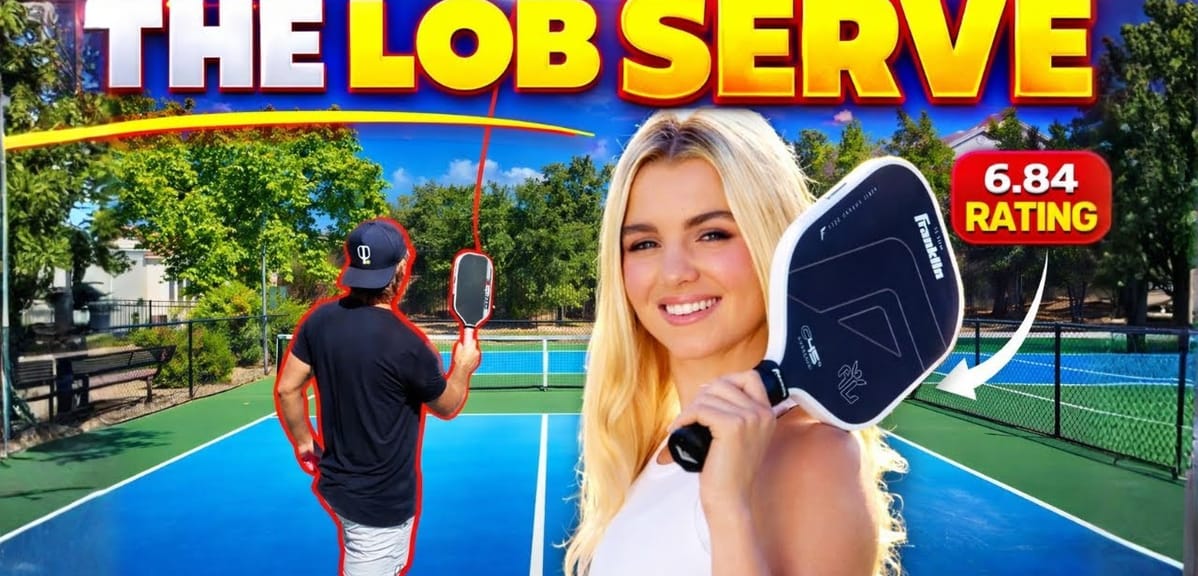
Anna Leigh Waters has revolutionized pro pickleball with a serve that's causing chaos on the PPA Tour.
The lob serve, which she's popularized in recent tournaments, is fundamentally different from traditional serves because it forces opponents into a defensive position right from the start.
According to Pickleball Playbook's Coach Austin Hardy, this serve works by getting the ball high in the air and deep, landing within the last 2 to 3 feet of the baseline. When executed properly, it transforms the server from a defensive player into an offensive one, giving them a massive advantage before the rally even begins.
Love pickleball? Then you'll love our free newsletter. We send the latest news, tips, and highlights for free each week.
What Makes the Lob Serve So Effective
The magic of Waters' lob serve lies in timing and placement. Unlike a standard serve, where you're trying to hit a fast, flat ball, the lob serve requires an open paddle face and an upward brushing motion.
Hardy explains that you're essentially "petting a medium-sized dog" as you come through the ball, keeping the entire motion on one side of your body.
The result is a high arc that forces your opponent to either take it off the bounce (which is difficult to time) or wait for it to come down, pushing them back toward the baseline.
Here's why that matters: when your opponent is pushed back, they're late getting to the net. By the time they hit their return, and it lands, they're still several feet from the kitchen line. That gives you the chance to tee off on their weak return and take control of the point immediately.
 The Dink Media Team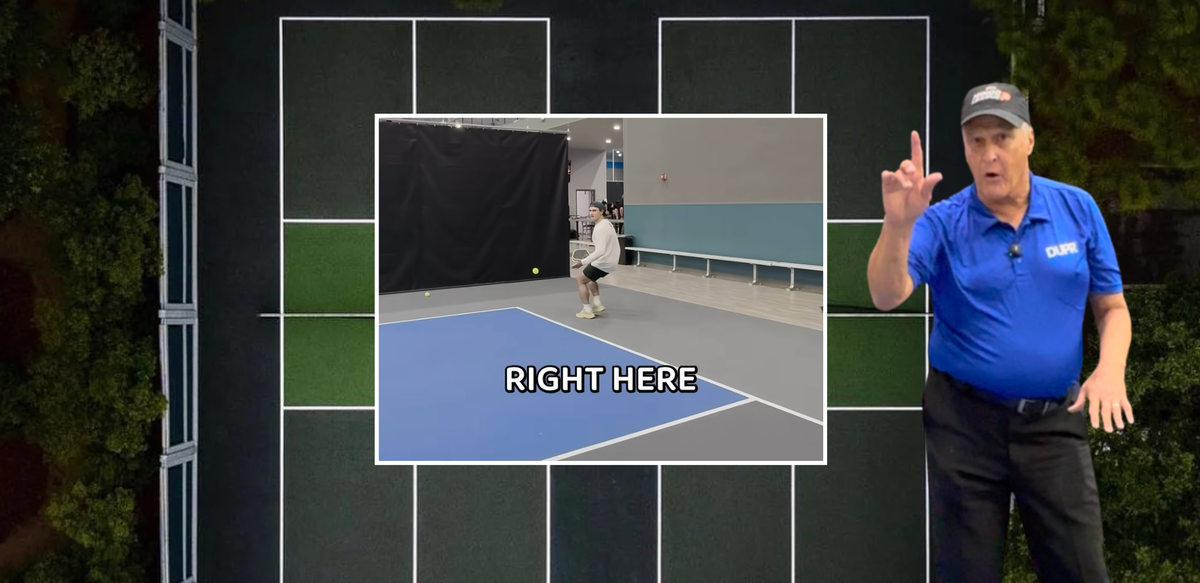
When to Use It (And When Not To)
Waters doesn't throw this serve in on every point, and that's the key to its effectiveness. If you use it constantly, opponents will adjust, and it becomes predictable. Instead, she mixes it with fast-paced serves, both deep and short, to keep returners off balance.
Hardy noticed something interesting while watching her play: she uses the lob serve significantly more on the odd side (left side) than the even side (right side).
The reason comes down to court geometry. When serving to the odd side, the ball naturally travels toward a right-handed player's backhand. If you hit a perfect lob serve to that side, you're pulling them wide and forcing them to hit a backhand from an awkward position. On the even side, the trajectory favors the forehand, making it easier for them to run around and attack.
Waters also deploys this serve strategically when opponents are stacking (a common formation in mixed doubles), where the timing disruption becomes even more devastating.
The Technical Breakdown
If you want to add this to your game, here's what you need to focus on:
- Point your paddle face toward the side fence to set up the proper contact position.
- Toss the ball in front of you, in your strike zone.
- Come down, out, and up with an open paddle face, brushing upward and back toward your body.
- Finish in a flexed position, as if showing off your bicep.
- Land the ball in the back two to three feet of the baseline for maximum effectiveness.
The higher you can get that serve, the more trouble you're creating. Your opponent has to make a split-second decision: take it off the bounce (risky) or let it come down (which puts them even further back).
How to Return It
If you're on the receiving end of this serve, don't panic. The key is buying yourself time and taking away space. You do that through height and depth on your return. The biggest mistake returners make is letting the ball get all the way to its peak and come back down before hitting it. That gives the server too much time to get to the net.
 The Dink Media Team
Instead, move up to where the ball bounces and take it off the rise, right in your strike zone (just under waist level). This requires practice, but it's the only way to get the height and depth you need to advance to the kitchen line before your opponent can attack.
Hardy recommends drilling this with a partner or ball machine, feeding you deep lobs repeatedly until the timing becomes second nature.
The Bottom Line
Waters' lob serve isn't a gimmick; it's a legitimate weapon that's changing how pickleball is played at the highest level.
It works because it exploits the court's geometry and the timing challenges of returning a high, deep ball.
If you're serious about improving your game, learning when and how to use this serve could be the difference between staying stuck at your current level and making a real jump.
Just remember: it's most effective as a change-up, not your go-to serve every single time.
Facing a lob serve? Learn the lob serve loophole and psychological warfare – how to counter this increasingly popular tactic.
Heads up: hundreds of thousands of pickleballers read our free newsletter. Subscribe here for cutting edge strategy, insider news, pro analysis, the latest product innovations and more.

Love Pickleball? Join 100k+ readers for free weekly tips, news & gear deals.
Subscribe to The DinkGet 15% off pickleball gear at Midwest Racquet Sports