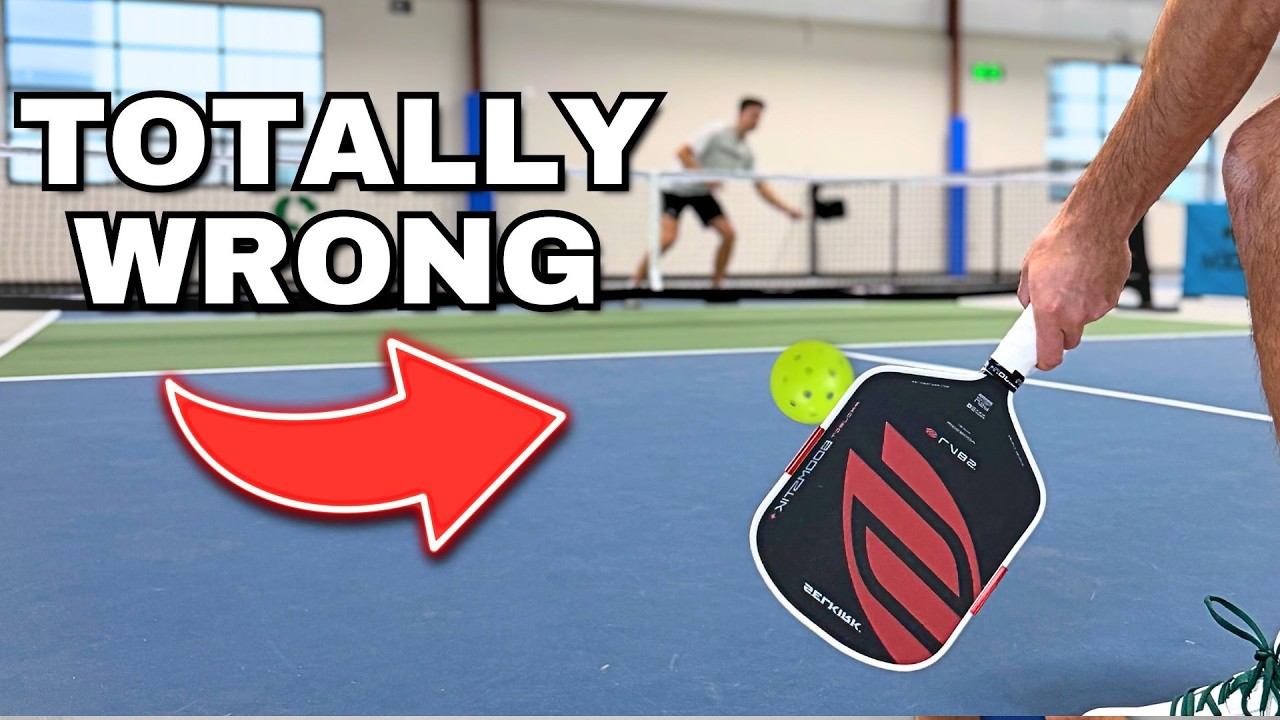


Mastering the backhand roll requires replacing wrist action with controlled shoulder movement and precise placement
The backhand roll is one of pickleball's most deceptive shots, and if you're not hitting it correctly, you're leaving points on the table. According to Tanner Tomassi, most players confuse it with the backhand flick, but these two shots are fundamentally different in both technique and purpose.
The backhand roll is all about finesse and shoulder rotation, while the flick relies on wrist power. Learning to execute this shot properly can add a whole new dimension to your attacking game.
Love pickleball? Then you'll love our free newsletter. We send the latest news, tips, and highlights for free each week.
The Backhand Roll vs. The Backhand Flick
Before you can master the backhand roll, you need to understand how it differs from the backhand flick.
- The backhand flick is a power shot that comes from your wrist. You snap your wrist to generate speed and drive the ball hard at your opponent.
- The backhand roll, on the other hand, is a finesse shot that relies on shoulder rotation and control. Instead of explosive wrist action, you're using smooth, deliberate shoulder movement to create spin and placement.
This distinction matters because using the wrong technique will either result in a weak shot or an uncontrolled attack.
Keep Your Wrist Locked
The most critical element of the backhand roll is wrist position.
Your wrist needs to stay completely locked throughout the entire shot. This isn't a suggestion; it's the foundation of the technique.
When your wrist is locked, you eliminate the temptation to flick or snap at the ball, which would turn your roll into something else entirely. Your hand should maintain the same position from setup through contact and follow-through.
Think of your wrist as a rigid connection between your forearm and paddle. By keeping it stable, you force your shoulder to do all the work, which is exactly what you want.
 The Dink Media Team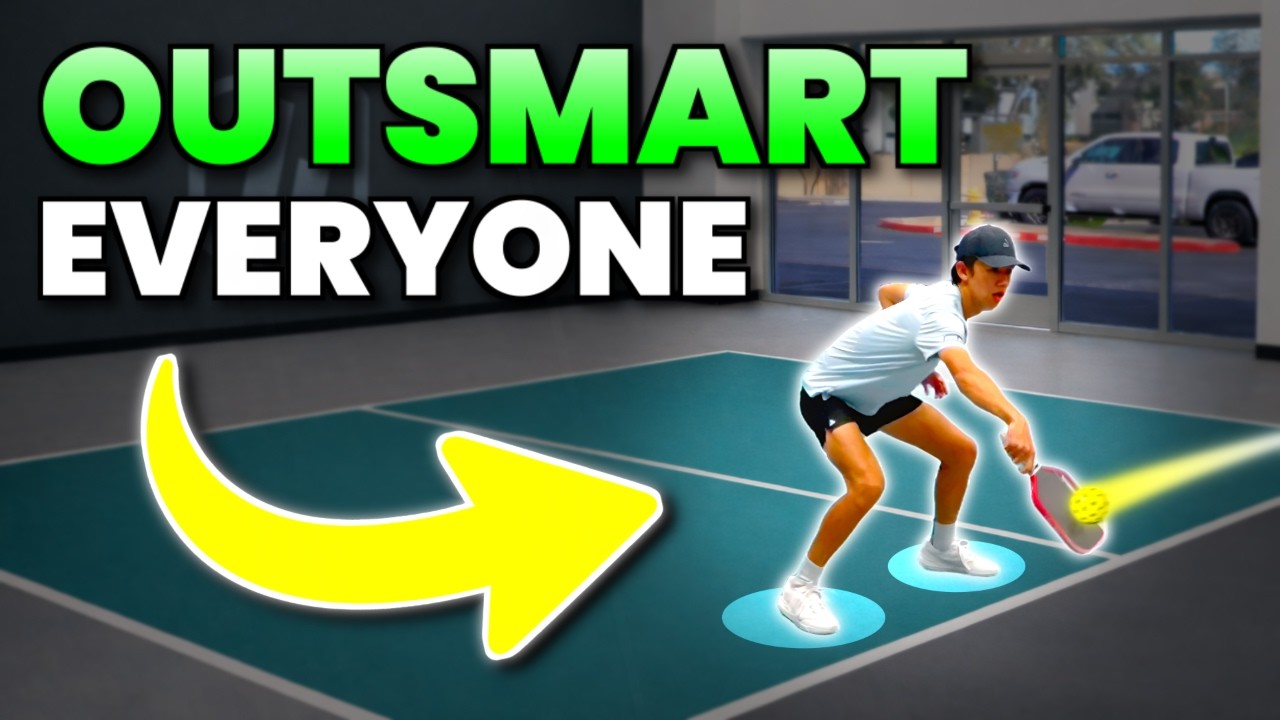
Use Your Shoulder, Not Your Wrist
Since your wrist is locked, your shoulder becomes the engine of this shot.
The backhand roll is driven entirely by shoulder rotation. You're rotating your shoulder to bring the paddle through the contact point with a smooth, controlled motion.
This shoulder-driven approach gives you better accuracy and consistency than a wrist-based shot. It also allows you to generate the right amount of spin without relying on arm strength. The motion should feel natural and flowing, not jerky or forced.
Placement Over Power
Here's something important: the backhand roll is an off-speed attack. It comes in slower than a traditional attack shot, which means your opponent has more time to react.
Because of this, you can't just blast it at them and hope for the best. Instead, you need to pick your spots carefully.
 The Dink Media Team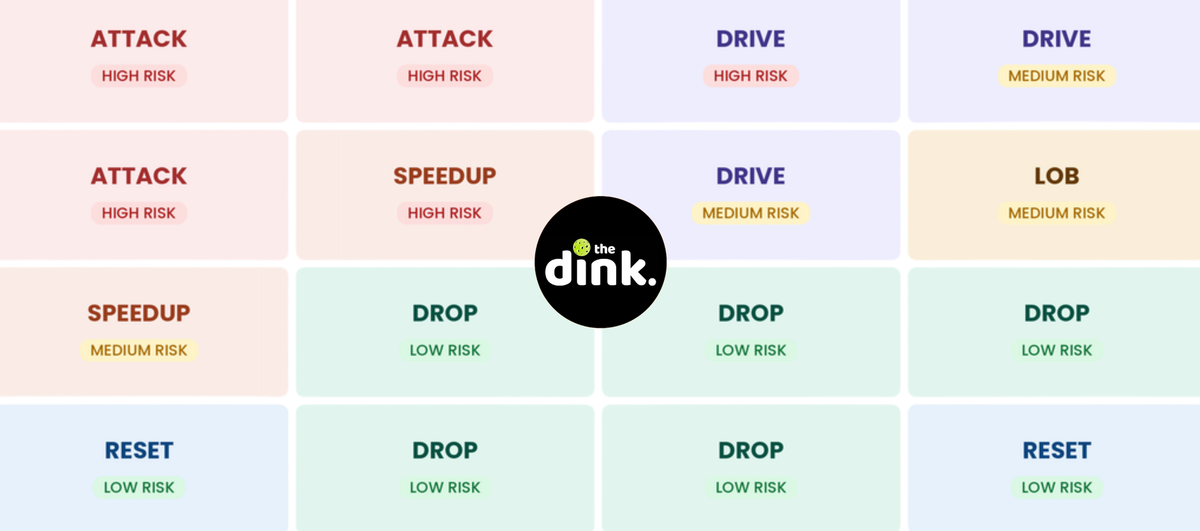
Target areas like their chicken wing (the inside corner near their body) or down the sideline if you see open space. By placing the ball strategically rather than hitting it hard, you maximize your chances of forcing an error or setting up an easy put-away on the next shot.
The backhand roll might not be the flashiest shot in pickleball, but it's incredibly effective when executed properly. Master the locked wrist, shoulder rotation, and smart placement, and you'll have a weapon that catches opponents off guard.

Love Pickleball? Join 100k+ readers for free weekly tips, news & gear deals.
Subscribe to The DinkGet 15% off pickleball gear at Midwest Racquet Sports