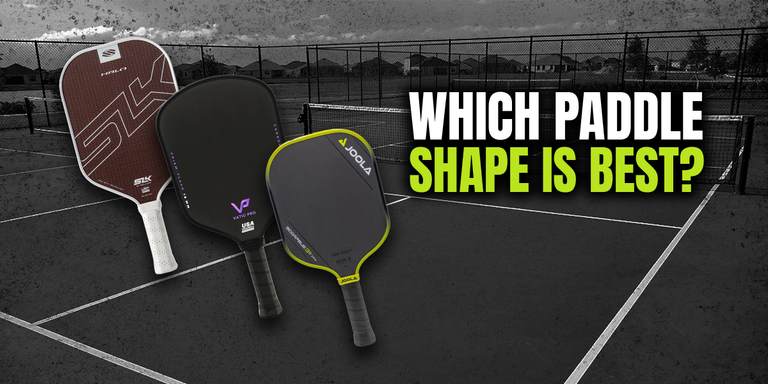


A proven framework of 12 key questions from Pickleball Studio's Chris Olson can help you narrow down thousands of options and find the paddle that matches your game.
There are literally thousands of paddles on the market right now, and honestly, most of them are really good.
The problem isn't finding a good paddle anymore – it's finding the right one for you.
That's where a structured approach to paddle selection becomes essential.
Pickleball Studio, a YouTube channel dedicated to paddle reviews and testing, has tested over 500 paddles across four years of rigorous play-testing.
And now, Chris Olson has released a comprehensive framework that breaks down paddle selection into 12 critical questions. If you answer these questions honestly, you'll dramatically reduce the number of paddles worth considering and avoid the endless hype cycle that surrounds new releases.
Love pickleball? Then you'll love our free newsletter. We send the latest news, tips, and highlights for free each week. Sign up for our free newsletter.
The Two-Tier System: Primary vs. Secondary Priorities
Here's the thing about paddle selection: not all factors matter equally. The framework divides everything into two categories: primary and secondary priorities.
- Primary categories are the non-negotiables. These are the factors that, if they're wrong, no amount of hype or marketing will make the paddle work for you.
- Secondary categories are important, sure, but they're things you can compromise on if the primary factors check all your boxes.
Think of it like buying a car. A minivan isn't "better" than a sports car. It just depends on what you need. If you have four kids, a minivan is the practical choice. If you want to tow a trailer, a truck makes more sense. Paddles work the same way.
The Five Primary Factors in Paddle Selection
1. Shape: Elongated, Hybrid, or Widebody?
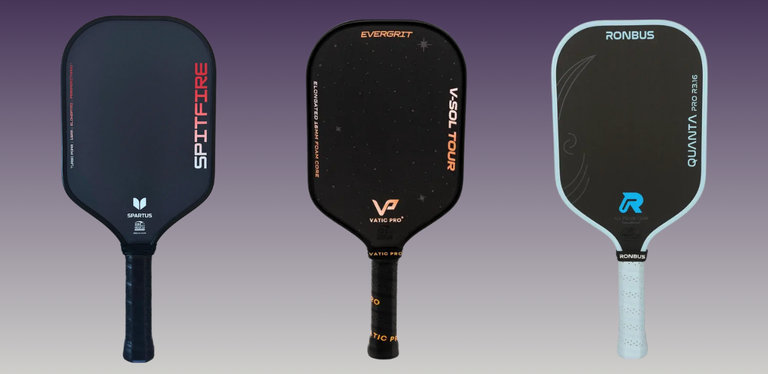
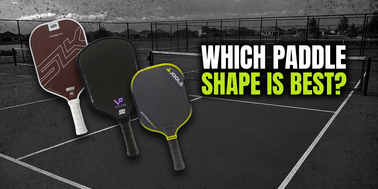
The first decision in paddle selection is shape, and there are three main options: elongated, hybrid, and widebody.
- Elongated paddles offer the most reach and appeal to players coming from tennis. They typically have longer handles for two-handed backhands, but they're often the heaviest option available. If hand speed is your priority, elongated paddles might limit your choices.
- Widebody paddles are the shortest shape you can buy. At the kitchen line, you might struggle to take balls out of the air as easily, but you gain the largest sweet spot and the most maneuverability at the net.
- Hybrid paddles split the difference, giving you some of the length of an elongated without sacrificing as much sweet spot, while offering more maneuverability than a full elongated.
The good news? The gap between shapes has narrowed significantly. Back in the day, there were major power differences between shapes. Now they're remarkably similar. Your choice should come down to which aspects matter most to your game or which shape you're already comfortable with.
 Alex E. Weaver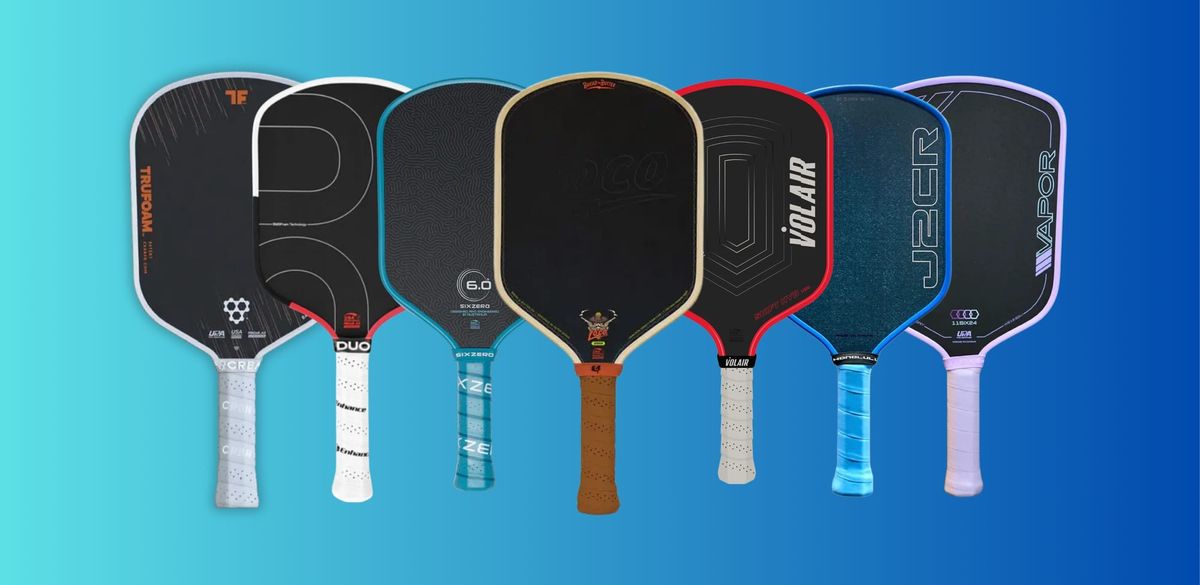
2. Swing Weight: The Hidden Factor Most Players Miss
Swing weight is a number that tells you how easy or hard a paddle is to actually swing. This is where many players get confused.
Static weight (the paddle's total ounces) isn't nearly as useful as swing weight in pickleball. You could have a 7.7-ounce paddle that feels heavier to swing than an 8.3-ounce paddle, depending on where that weight is distributed. If more weight sits in the head, it feels harder to swing. If the weight is in the handle, it feels lighter and more maneuverable.
Swing weight typically ranges from about 90 to 130. Lower numbers mean easier maneuverability; higher numbers mean slower, more powerful swings. If you're sensitive to heavy paddles, aim for something under 112. If you're a former tennis player, you might prefer 118 and above because it'll swing closer to what you're used to.
Most paddle companies now publish swing weights on their websites. If you can't find one, the Pickleball Studio paddle database (linked in the video description) has swing weights for hundreds of popular paddles.
Alex E. Weaver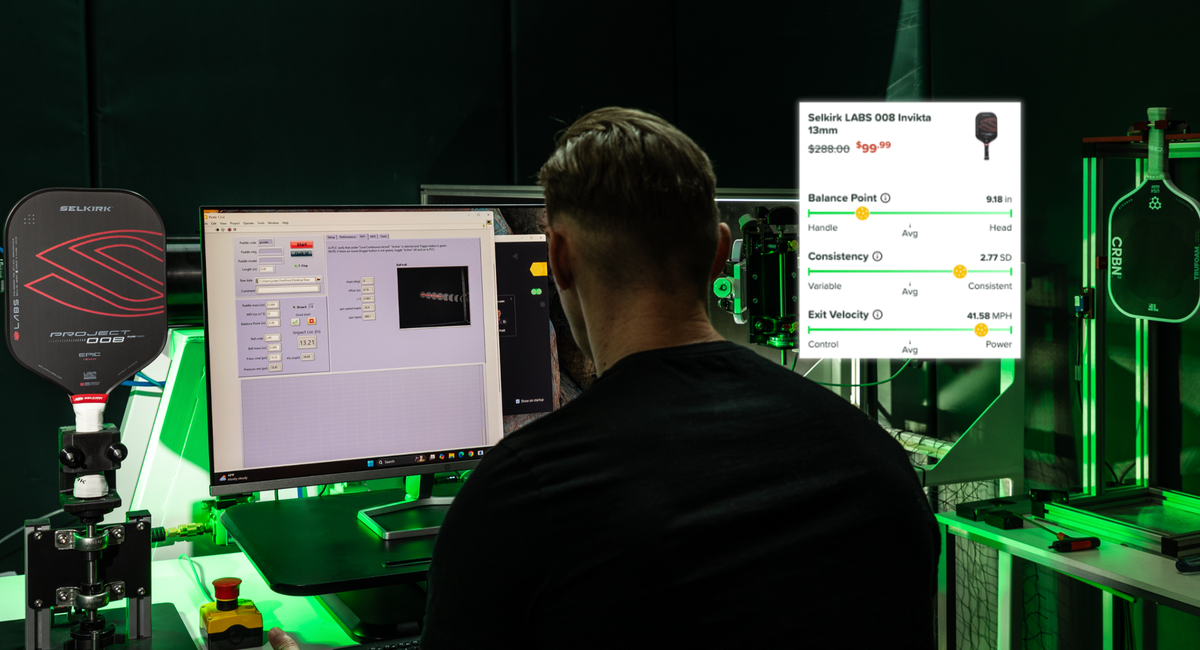
3. Power Level: Control, All-Court, or Power?
Paddles are typically categorized as control, all-court, or power paddles. Every player is different in what they need.
Newer players often struggle with popping the ball up on soft shots. A control paddle or all-court paddle can help you manage the ball better without having to baby every shot. You get more margin for error when swinging through the ball.
On the flip side, some players have great touch and want to end points faster with more power on drives and counters. If that's you, a power paddle might be the move.
If you're unsure, start with an all-court paddle. It's the safest middle ground for most players.
Alex E. Weaver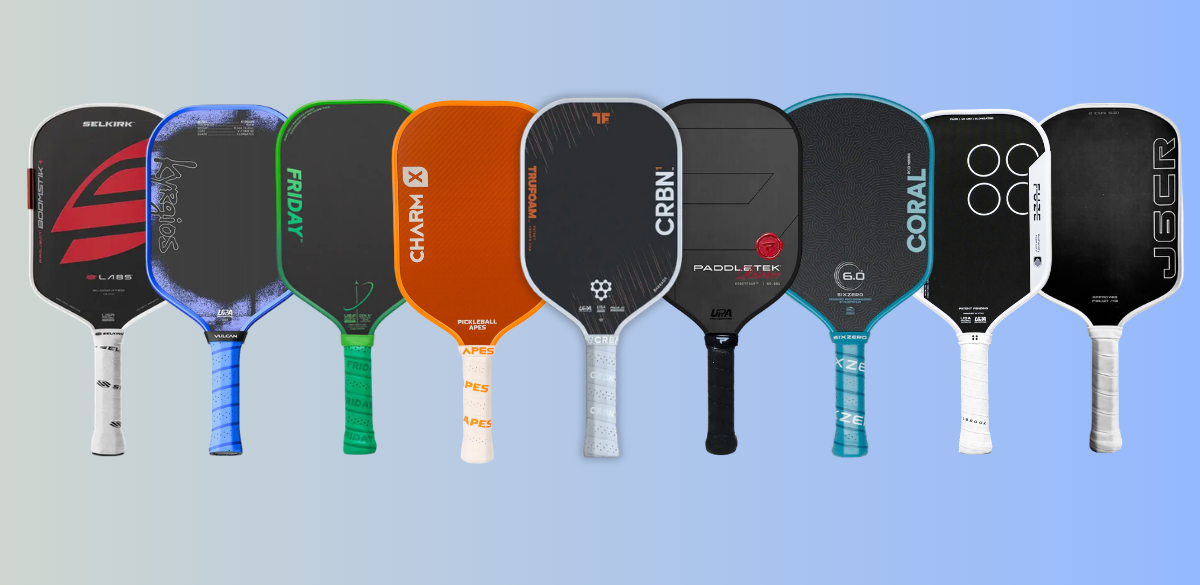
4. How the Paddle Feels: Dense, Hollow, Soft, or Stiff?
This is where things get subjective, but there's a useful framework for understanding paddle feel.
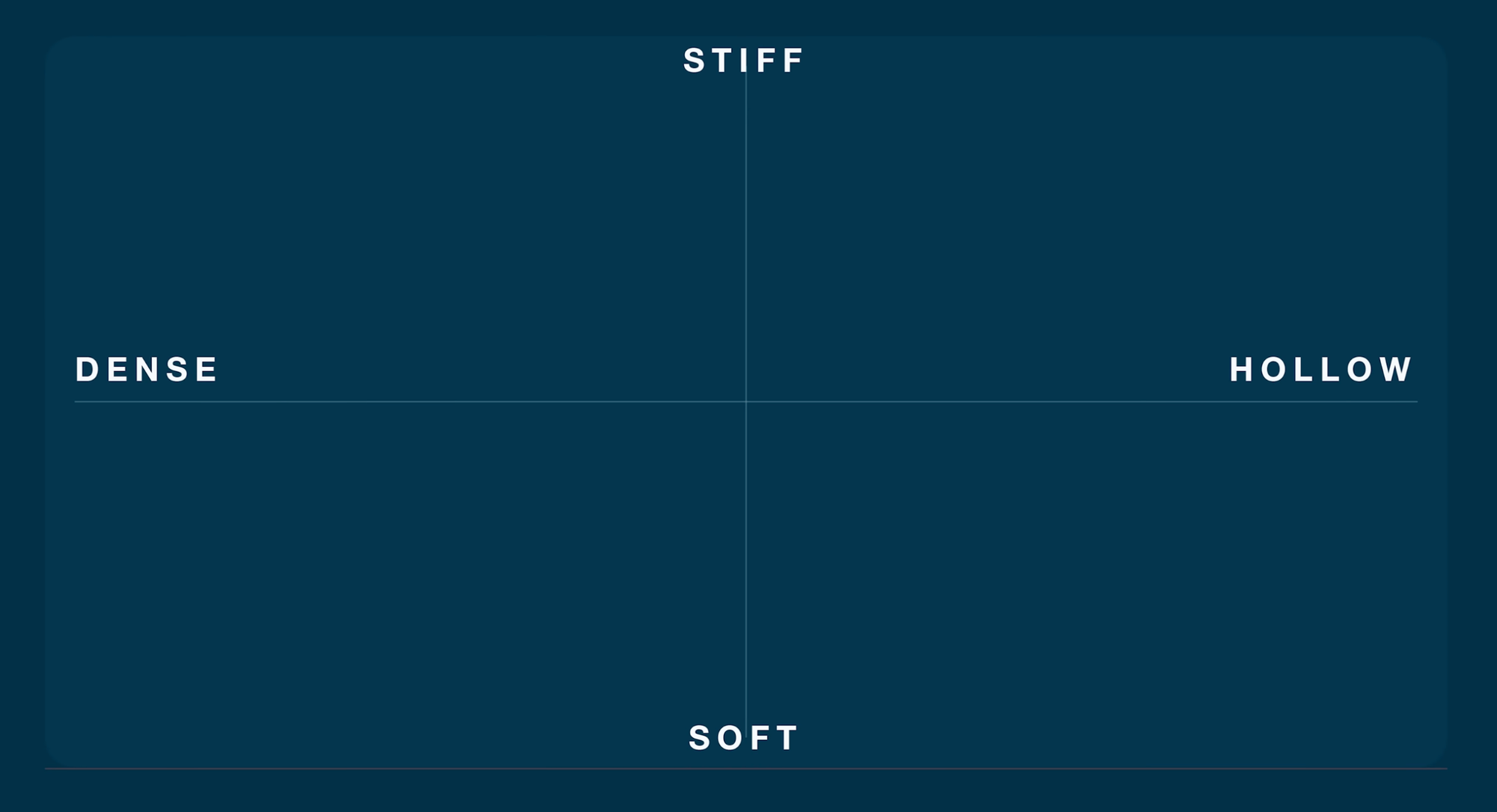
Imagine a chart with two axes: one running from dense to hollow, the other from soft to stiff. Soft and dense paddles absorb pace really well and feel easier to control. The ball doesn't pop off the face as fast, and they're usually quieter. Examples include the Valarach 24ZA 6 Coral and Vatic Pro Prism.
Stiff and hollow paddles feel poppy and aggressive. You get lots of feedback, they're loud, and the ball doesn't linger on the face. Popular examples include the YOLO Pro 4, Selkirk Boomstik, and Bread and Butter Loco.
The best way to figure out your preference? Try as many paddles as you can at a pro shop or borrow from friends. Then watch reviews on the ones you liked to learn how reviewers describe them. This builds your vocabulary for paddle feel.
5. Durability: Gen 3 vs. Gen 4 Paddles
There are two dominant paddle types on the market: Gen 3 and Gen 4.
Gen 4 paddles have cores made entirely of foam. Gen 3 paddles have a plastic polymer core in the center with foam around the edges. Some players prefer Gen 3 because it gives them a more connected feel to the ball. The problem? Gen 3 paddles are known to core crush, which is when the plastic core breaks and starts acting like a trampoline. This makes the paddle hit harder than intended and is technically illegal to play with.
Some players love how Gen 3 paddles perform so much that they don't mind replacing them when they core crush. Others are tired of constantly swapping broken paddles and have switched to full foam cores, which don't have this issue.
The trade-off is real: some foam core paddles feel too dampened, making it harder to feel the ball and manipulate shots. If you have no preference, lean toward a foam core paddle for durability.
Alex E. Weaver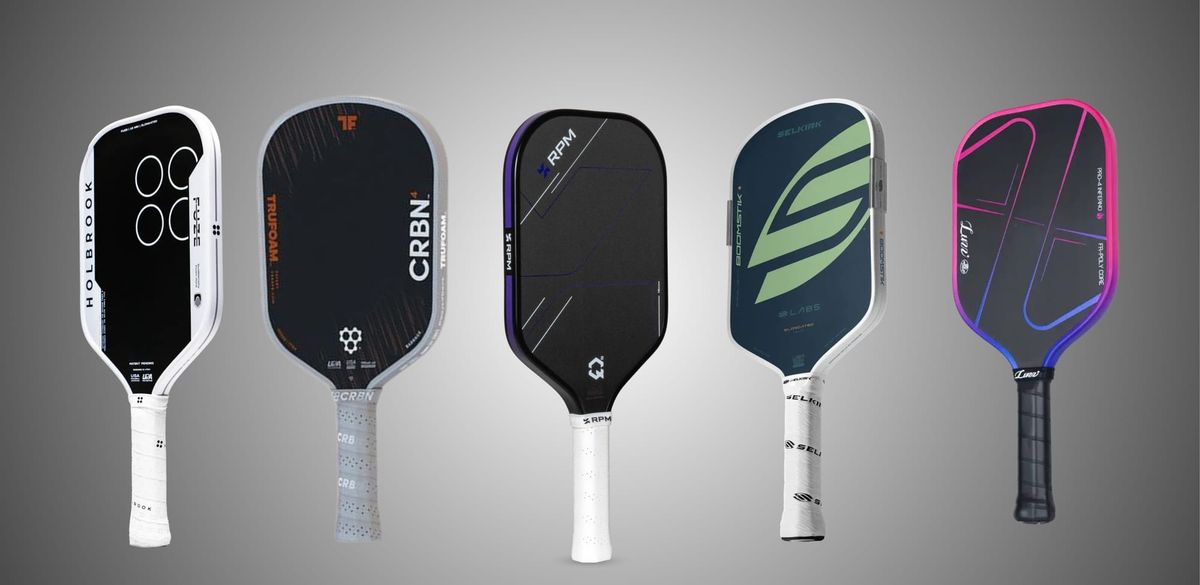
The Secondary Factors: Important, But Flexible
Once your primary categories are locked in, secondary factors come into play. These matter, but you can compromise on them if the primary factors are solid.
Budget: You Don't Need to Spend Big Money
Good paddles typically range from $90 to $330. Here's the truth: many $100 paddles are just as competitive as ones that cost $200 and up.
Players at every level, from recreational to pro, can play excellent pickleball with some of the best $100 paddles on the market. Brands like 11SIX24, Rhombus, Vatic Pro, Friday, Enhance, and LZ all make highly competitive paddles for $100 or less.
Paying more usually comes down to finding a specific paddle that checks every single box for you: the right swing weight, shape, feel, power level, and everything else. But if someone tells you that $100 paddles aren't competitive with $200-plus options, they're not being honest.
Heads up: hundreds of thousands of pickleballers read our free newsletter. Subscribe here for cutting edge strategy, insider news, pro analysis, the latest product innovations and more.
Spin: Most Paddles Are More Similar Than You Think
Spin is important to a lot of players, but here's the thing: most paddles get very similar spin. There are limits set by governing bodies on how much spin a paddle can generate, and while some paddles are grittier than others, the differences are smaller than you'd think.
If you're buying a reputable paddle, you're going to get good spin. That's why spin doesn't get talked about as much as other factors.
Alex E. Weaver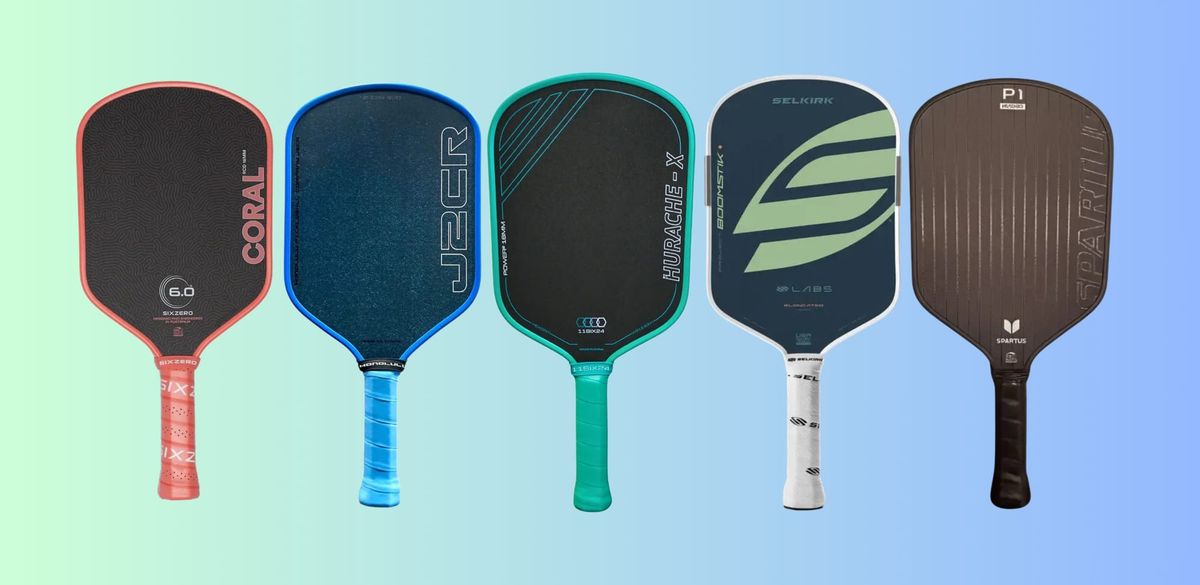
Sweet Spot: The Bar Has Been Raised
Sweet spots across the board have gotten so good that you rarely have to worry about a paddle having a bad one. Yes, some paddles have better sweet spots than others, but these days they're much more similar than they used to be.
As long as you watch some reviews and don't see people consistently complaining about a bad sweet spot, you'll probably end up with one that's good enough.
Paddle Thickness: 16mm Is Usually Your Best Bet
Paddle thickness ranges from 10mm to 20mm, but the most common are 16mm and 14mm.
For most players, 16mm is the best option. It's significantly more popular in the market. 14mm paddles are usually quicker in the hand but have smaller sweet spots. In the past, there were bigger differences between these thicknesses in terms of control versus power, but that gap has narrowed.
If you don't have a preference, start with 16mm. Thinner paddles are usually harder to use and often need added weight to reach their full potential.
Handle Length and Grip Size: Personal Preference Rules
Handle length is purely personal. If you come from tennis, you might want at least 5.5 inches for a two-handed backhand. If you come from table tennis or like to choke up, 5.25 inches or less might work. Anything between 5.25 and 5.5 inches is a safe range.
Grip size typically ranges from 4 1/8 to 4 1/4 inches. Smaller hands? Go with 4 1/8. Larger hands? Try 4 1/4. It's all about what feels comfortable.
Certification Standards: USAP Is Your Safe Bet
For 99.99% of recreational players, a USAP-certified paddle is all you need. This is the certification standard the majority of the sport uses and accepts.
If you're a competitive tournament player, you might need to be aware of UPA and dual-certified options, as some tournaments have different rules. But for most of us, USAP certification is the standard.
Heads up: hundreds of thousands of pickleballers read our free newsletter. Subscribe here for cutting edge strategy, insider news, pro analysis, the latest product innovations and more.
The Real Framework: Answer These 12 Questions
Here's how to actually use this framework. Answer these 12 questions honestly, then only shop for paddles that match your answers:
- What shape do you prefer: elongated, hybrid, or widebody?
- What swing weight range feels right for you?
- Do you want a control, all-court, or power paddle?
- Do you prefer soft and dense, stiff and hollow, or something in between?
- Are you okay with Gen 3 paddles that might core crush, or do you want Gen 4 foam core?
- What's your budget?
- How important is spin to you?
- Do you have any concerns about sweet spot?
- Do you prefer 16mm or 14mm thickness?
- What handle length feels comfortable?
- What grip size works for your hands?
- Do you need USAP, UPA, or dual certification?
Once you've answered these, you've eliminated hundreds of paddles from consideration. You're no longer chasing hype. You're shopping with intention.
The Dink Media Team
The Bottom Line: Your Priorities Are Unique
The creator of this framework emphasizes that everyone's priorities are different. For them, the non-negotiables are swing weight, power level, shape, and durability. Almost everything else is negotiable if those four factors are solid.
For you, the priorities might be completely different. Maybe grip size is huge for you. Maybe you care way more about feel than power level. That's fine. The point is to know what matters to you and stick to it.
Just because a new paddle comes out almost every week doesn't mean the one you have is obsolete. Paddles are constantly launching, and it can create serious FOMO. But most of the time, a new paddle isn't so much better that you actually need to replace what you just bought.
The goal of paddle selection is to find the paddle that works for your game, your hand, and your priorities. Once you do, stop shopping and start playing.
Frequently Asked Questions
What's the difference between swing weight and static weight?
Static weight is just the total ounces of the paddle. Swing weight measures how the weight is distributed and how hard the paddle actually feels to swing. A lighter paddle with weight in the head can feel heavier to swing than a heavier paddle with weight in the handle. Swing weight is much more useful for understanding how a paddle will actually perform in your hand.
Should I buy a Gen 3 or Gen 4 paddle?
Gen 3 paddles (with plastic cores) offer a more connected feel but can core crush over time. Gen 4 paddles (full foam cores) are more durable but some players find them too dampened. If durability is your priority, go Gen 4. If feel is everything, you might accept the core crush risk with Gen 3. Most new players should start with Gen 4.
Is a $100 paddle really as good as a $200 paddle?
Yes, for most players. Many $100 paddles from reputable brands are just as competitive as expensive options. The difference usually comes down to finding a specific paddle that checks every single box for your preferences, not the price tag. Don't assume expensive equals better.
How do I know what paddle feel I prefer?
Try as many paddles as you can at a pro shop or borrow from friends. Pay attention to how each one feels when you hit the ball. Then watch reviews on the ones you liked to learn how reviewers describe them. This builds your vocabulary and helps you understand what "soft and dense" or "stiff and hollow" actually means in practice.
Do I need to worry about paddle thickness?
For most players, no. Start with 16mm, which is the most popular and versatile option. Only worry about 14mm if you want something quicker in the hand and don't mind a smaller sweet spot. The differences between thicknesses have narrowed significantly in recent years.
Love Pickleball? Join 100k+ readers for free weekly tips, news & gear deals.
Subscribe to The Dink