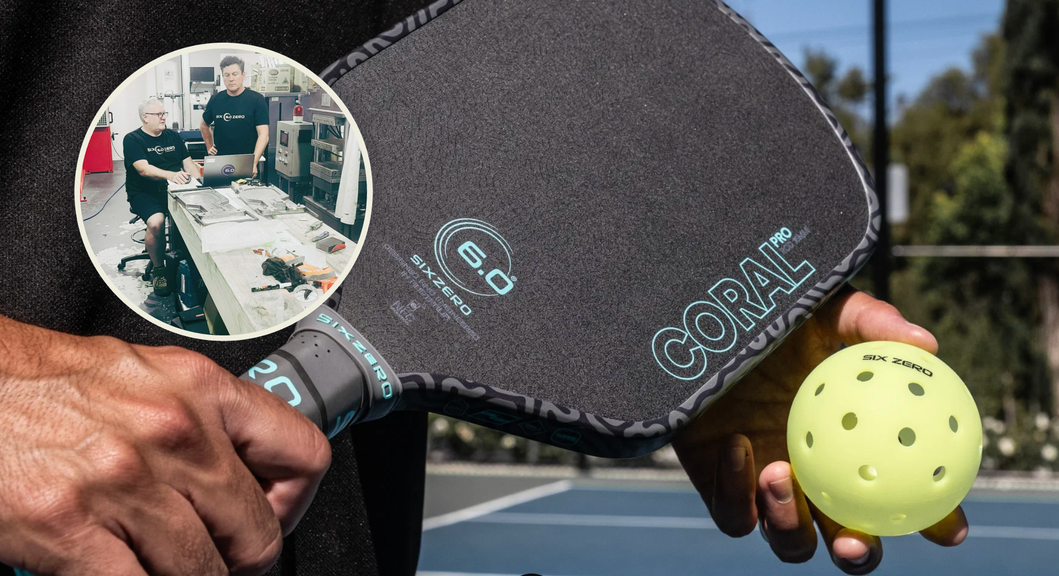
Six Zero Helped Shape Modern Paddle Tech, Now It’s Building What’s Next
From the Coral Pro and Diamond Tough surface technology to thousands of prototypes behind the scenes, Six Zero is still betting that real R&D matters in an increasingly crowded paddle market
It has never been harder to stand out in the pickleball paddle business.
New brands arrive constantly. Fresh models seemingly launch every week. Technology spreads quickly. And a paddle that feels like the hottest thing in the sport today can disappear from the conversation a few months (or even weeks) later.
Six Zero Pickleball has experienced both sides of that reality.
But through the peaks, misses and relentless churn, founder and CEO Dale Young has remained committed to the thing that helped put Six Zero on the map in the first place: building paddles, not simply branding them.
“We want to be the trendsetters, not the trend followers,” Young said.
That philosophy goes back to Six Zero’s earliest days. Young says roughly 18 months of development work went into the concepts behind the brand’s early thermoformed Gen 2 paddles, including the carbon edge construction and distinctive flared shape that became synonymous with Six Zero.
The paddle world has evolved dramatically since then. Six Zero’s approach hasn’t.
Investing in R&D
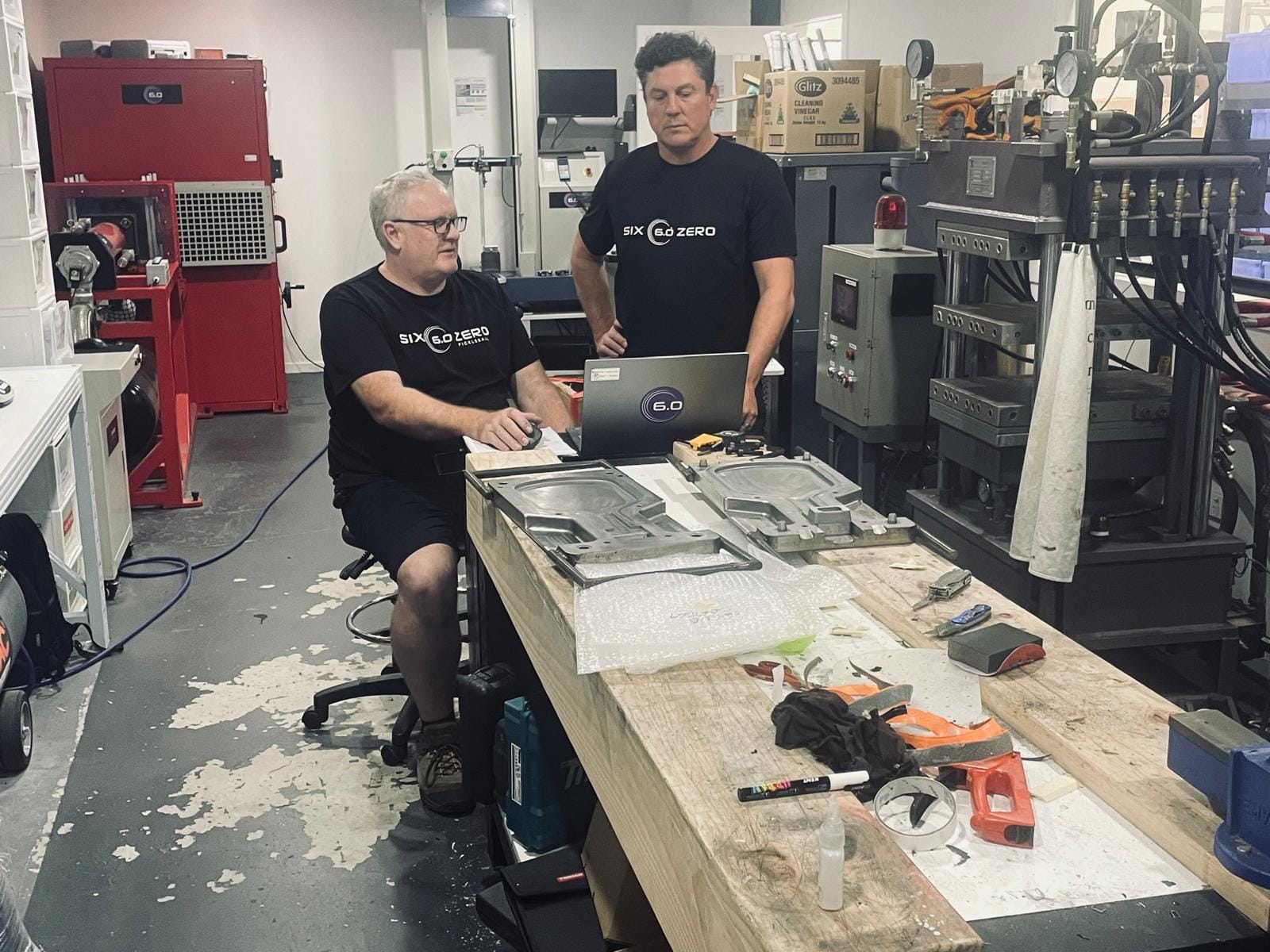
Today, the company operates its own R&D facility in Australia while working with manufacturing partners in China to scale concepts for production. The Australian lab includes paddle-testing equipment, a 3D printer, laser cutter, oven and specialized equipment for measuring everything from deflection to surface performance.
The upside is massive: They can now actually manufacture and thermoform experimental paddles at HQ, rather than merely testing them.
And the volume of experimentation is significant, too.
Young says Six Zero has produced more than 600 prototype paddles in 2026 alone, with its historical development log now stretching well into the thousands. At any given moment, the company may be simultaneously experimenting with future grit technology, sweet-spot optimization, weight distribution, new layups and entirely new paddle constructions.
That infrastructure is especially important because genuine innovation in pickleball doesn’t always deliver an immediate payoff.
Sometimes, it misses.
Innovation Doesn't Always Mean an Instant Hit
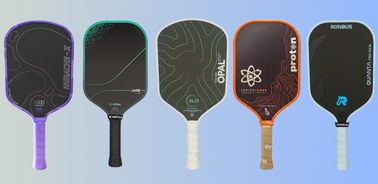
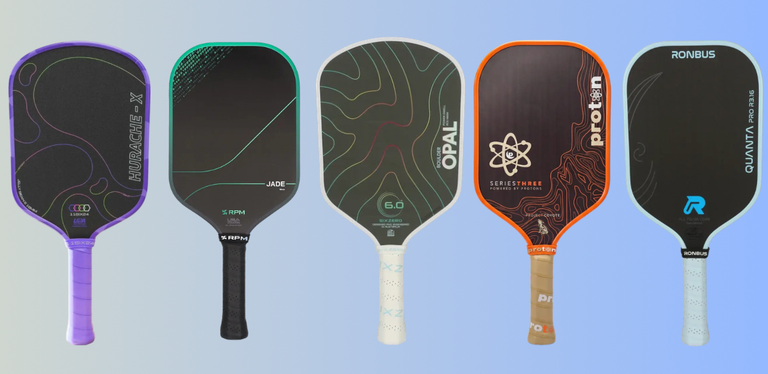
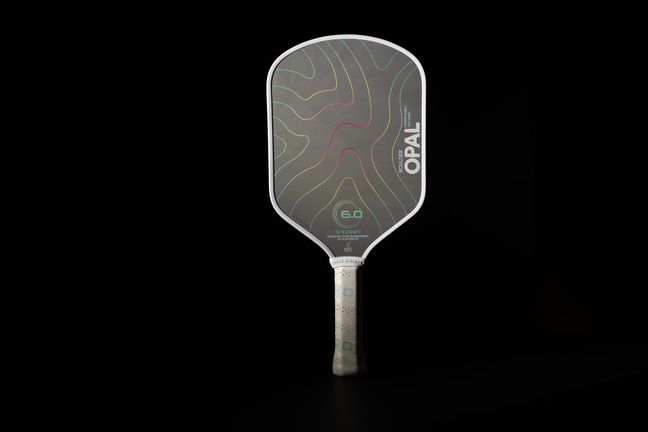
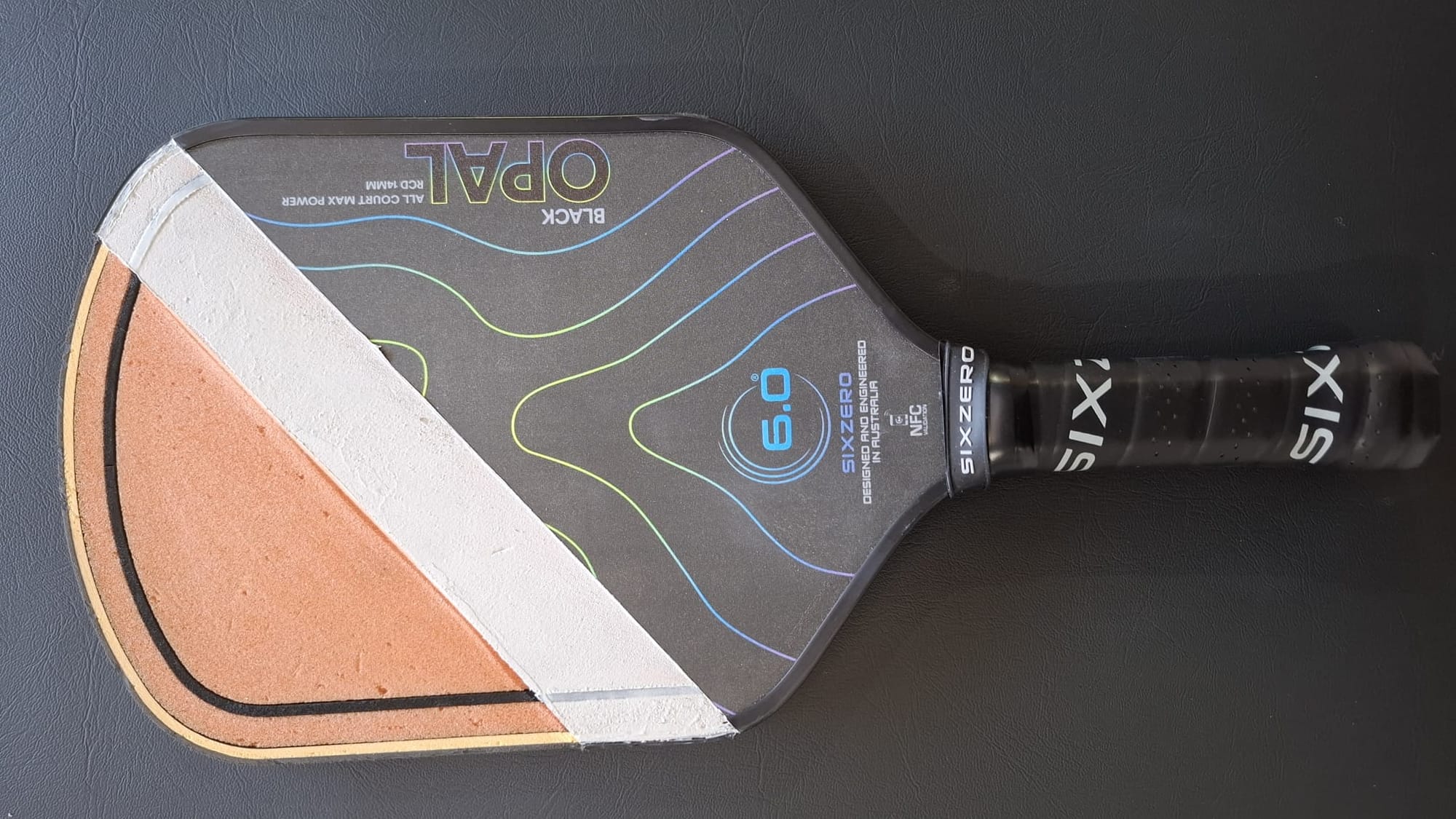
Six Zero entered 2026 expecting big things from the Opal.
The paddle was technically ambitious, using a difficult-to-manufacture core and extremely tight tolerances. Young compared it to an F1 car: sophisticated, expensive and more geared toward advanced players and softer balls. Ultimately, just not a paddle most players could fully weaponize or appreciate.
“I really liked the Opal personally,” Young said. “But … it was not fit for market.”
That matters because Six Zero isn't operating like a tiny garage brand that can simply pivot to another 200-paddle production run next week.
The company now employs nearly 40 people. Its sales channels span direct-to-consumer, wholesale, Amazon, major retailers and a growing international business.
When the product misses, the consequences are real, said Young.
“If you don’t have the product that’s hot to market, you can fade very quickly because there’s so many new products coming out every week."
Six Zero felt that pressure during a difficult first half of 2026.
Then came Diamond Tough.
Diamond Tough Changes the Equation
Durable surface technology has become one of the hottest battlegrounds in paddle design.
Six Zero had already spent years working on the problem.
Its Diamond Tough process embeds grit into the paddle's material structure rather than simply relying on a surface treatment designed to create texture. The idea is straightforward: create meaningful spin performance that lasts considerably longer than traditional grit.
The development work stretches back years, with Six Zero filing patent applications around the technology in early 2024.
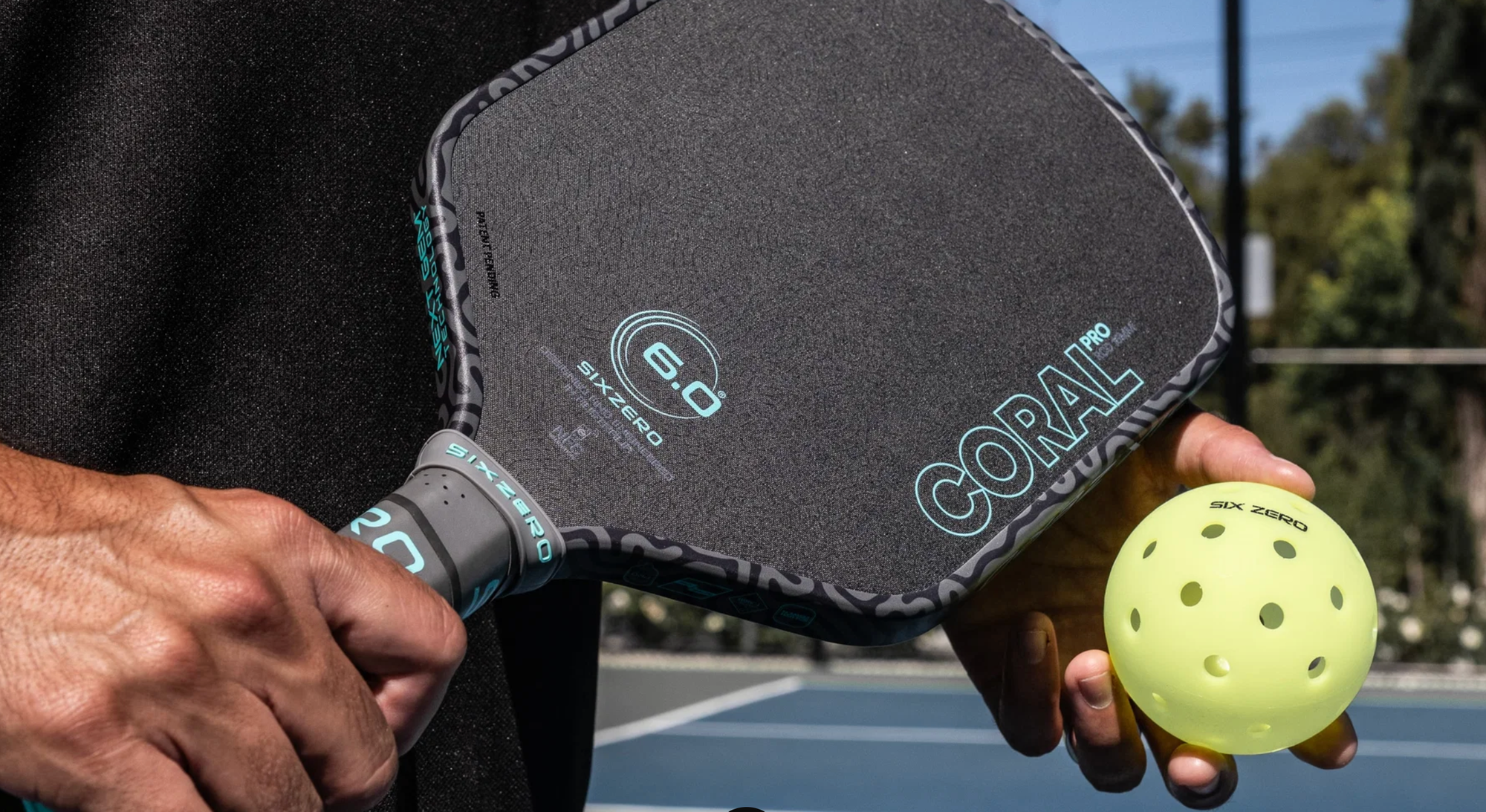
But Young says the real breakthrough commercially came when Six Zero introduced its rougher Diamond Tough texture now featured (and loved) in the Coral Pro.
“It was a game-changer,” he said.
The technology arrived at exactly the right time.
As players have increasingly demanded paddles capable of maintaining their spin characteristics longer, durable grit has become one of the industry's biggest points of differentiation. Plenty of companies are chasing it. Few solutions have earned the same early reputation for longevity as Diamond Tough or Double Diamond Tough.
For Six Zero, it also provided something even more valuable than another spec-sheet talking point.
Momentum.
 Alex E. Weaver
The Coral and Coral Pro Find Their Audience
That momentum carried directly into the Coral family.
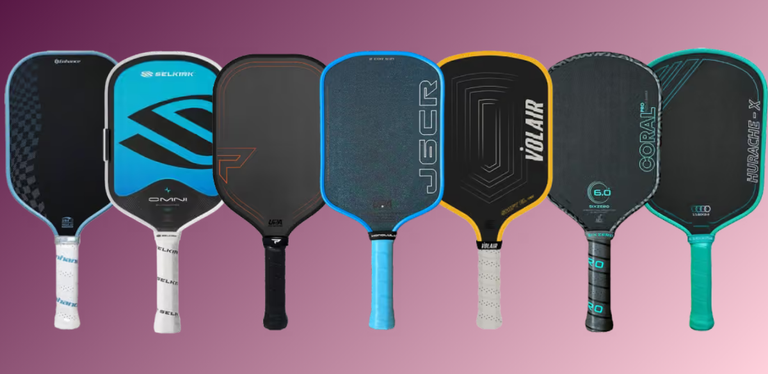
The original Coral is approaching a year on the market, while the newer Coral Pro has become one of Six Zero’s strongest recent releases, and an instant favorite among players, paddle reviewers, and pros alike.
Young says its longevity has exceeded the company's expectations in an industry where product cycles keep getting shorter.
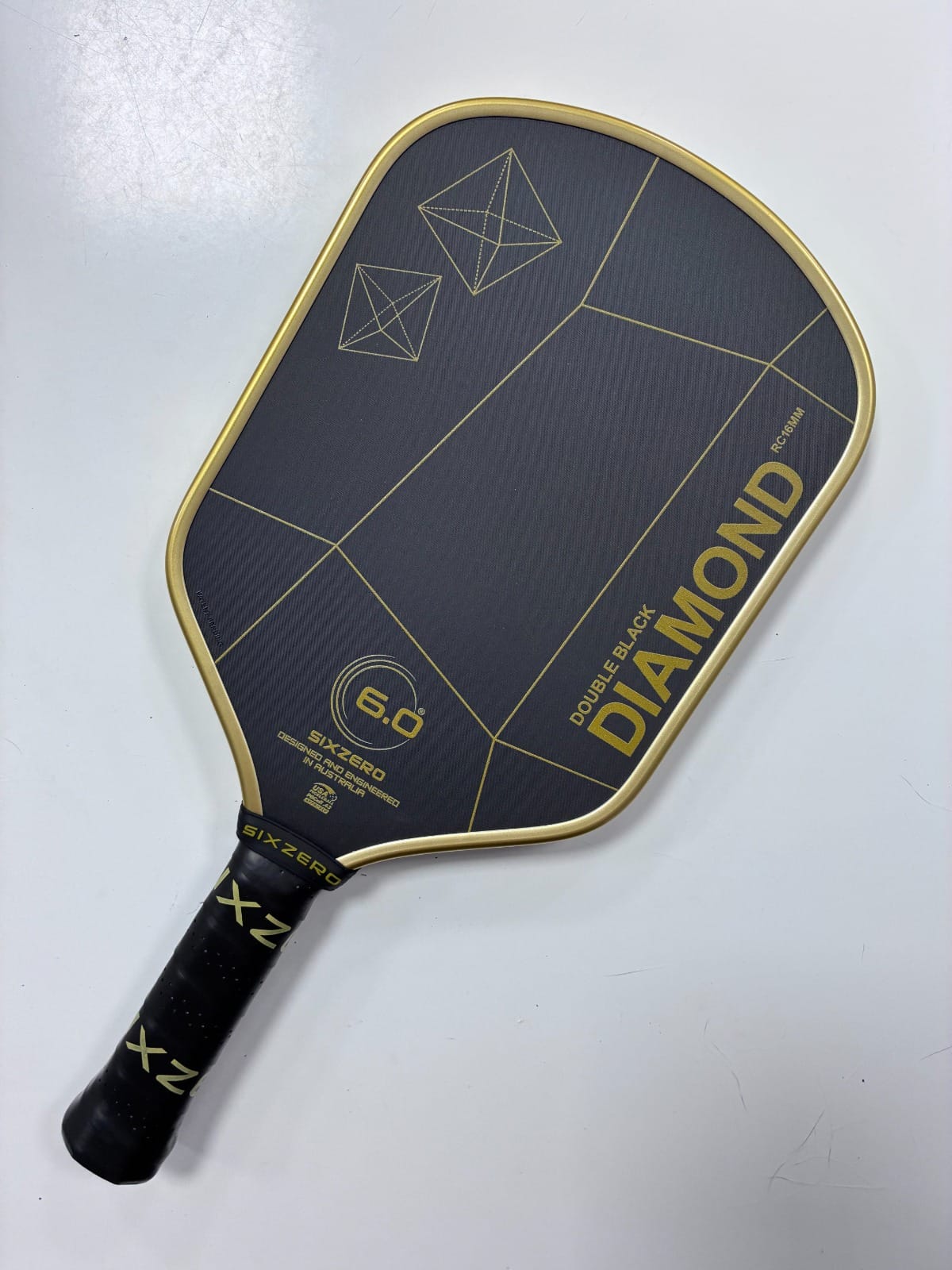
Their first outlier, and the paddle that put them on the map, was the Double Black Diamond. Four years after its introduction, Young says it remains one of Six Zero’s best-selling paddles — an eternity in a market increasingly built around rapid product cycles.
The Coral Pro could be next.
There’s an important lesson buried there.
Six Zero doesn't need to release another paddle every few weeks simply because competitors do. At its current scale, constantly replacing products can create entirely new problems, particularly for retailers sitting on inventory from the previous launch.
The better outcome is harder: build something players still want months later.
Coral and Coral Pro have done exactly that.
And Six Zero isn't done with the platform.
A flat-top elongated Coral Pro is expected in November, with a higher-powered Coral Pro Plus planned behind it. The company already has future generations in development, including projects Young says extend its product roadmap well beyond next year.
What comes next, however, probably won't be another attempt to chase whatever technology happens to be dominating paddle conversations today.
“Everyone’s scrambling over grit,” Young said.
“While they’re all scrambling over grit, we bedded that work down three or four years ago.”
Then came the line that probably best summarizes Six Zero's approach to paddle development.
“What we’re working on now is what people will be scrambling over two years from now.”
Mapping What Comes After the Coral Pro
The Coral Pro may be working now, but Six Zero is already trying to figure out what comes after it.
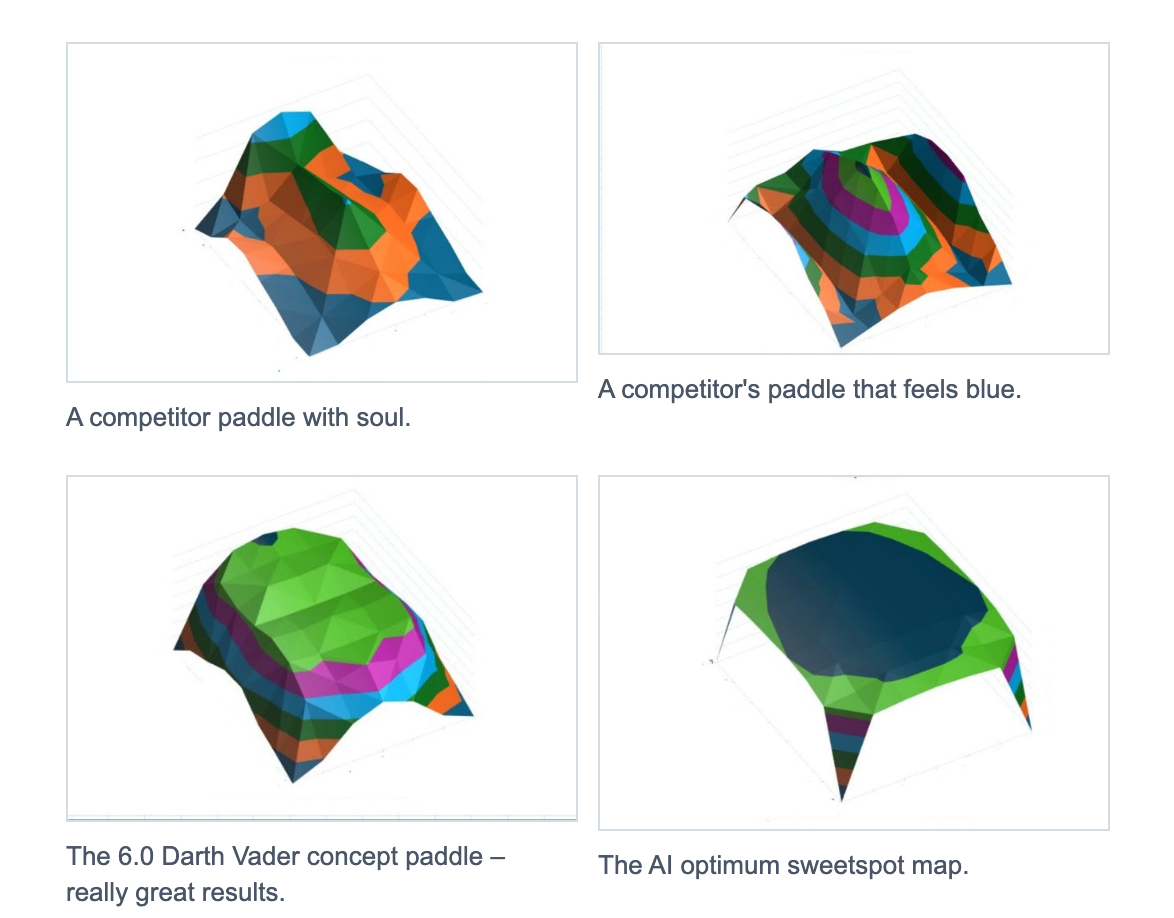
One of its current R&D projects is mapping exactly how a paddle performs across its entire face.
Engineer Dave developed a 3D testing process that measures returned energy at 54 individual locations on a paddle face. Traditional governing-body testing, Young noted, has largely evaluated energy return along the paddle’s centerline. Six Zero’s approach creates a much fuller picture of where performance rises and falls.
The goal is ambitious: take what works about the Coral Pro and create a future paddle with more consistent performance across the entire hitting surface.
That process is already influencing upcoming prototypes, including an internal concept nicknamed the “Darth Vader” paddle, which combines the sweet-spot mapping work with AI-assisted optimization.
There's a gold Double Black Diamond coming as well to mark the brand's fourth birthday.
And Six Zero isn't short on experiments. The company's prototype spreadsheet has already crossed 600 paddles in 2026 alone.
Staying Ahead Is the Hard Part
Of course, getting there first creates its own challenges.
Young is candid about how quickly manufacturing ideas can spread through the paddle industry and how difficult intellectual property can be to protect. Six Zero has responded by increasing the amount of development work completed inside its Australian facility, then moving concepts into overseas factories later in the development process.
It isn't foolproof. But innovation rarely is.
The remarkable part may be that Six Zero keeps doing it anyway.
True R&D is expensive. Failed products happen. Manufacturing is complicated. Certification rules evolve. Competitors move quickly.
Six Zero has experienced all of it. And it is still building.
That ultimately may be the best argument for the brand's place among pickleball's genuine paddle innovators. The Coral Pro is selling. Diamond Tough has delivered. Its R&D pipeline is deeper than ever.
But Six Zero isn't acting like the work is finished.
For Dale Young, there are always more prototypes to make.

Love Pickleball? Join 100k+ readers for free weekly tips, news & gear deals.
Subscribe to The Dink