

How Early Preparation Buys Time & Slows Down Pace of Play in Pickleball
When you're prepared early, you're not rushed. When you're not rushed, you make better decisions. When you make better decisions, you win more points.
If you've ever felt like pickleball moves too fast, you're not alone. Senior players especially know that feeling of scrambling to get to the ball, only to realize you're already out of position.
The good news? You don't need lightning-fast reflexes to control the court. According to Selkirk TV's "Senior Pickleball Success with Steve," the real secret is buying yourself time through smarter movement and early preparation.
Love pickleball? Then you'll love our free newsletter. We send the latest news, tips, and highlights for free each week.
Once you're done reading this article, check out this breakdown from Ben Johns on how to gain mental strength on the court:
Early Preparation Is Your Best Friend
The foundation of buying time comes down to one thing: getting ready before the ball even reaches you. Steve Paranto breaks this down into specific scenarios, starting from the baseline.
When you're returning serve, your ready position matters more than you might think. Instead of standing upright with your paddle down low, adopt an athletic stance with your knees bent and your paddle held out in front of your body.
Why does this matter? When your paddle is already out front, turning your shoulders automatically brings the paddle back as a unit with your body. You're not wasting precious milliseconds moving your arm separately.
It sounds simple, but most players do the opposite: they stand straight up, then turn, then move their arm back. That's three separate movements when you could have one.
The Kitchen Line Demands Different Prep
Once you're at the net, early preparation takes on a different flavor. Your paddle should stay up and out in front, especially when you're dinking.
Think of it like a basketball defensive stance: feet wide apart, ready to move in any direction. Your paddle face should be preset toward where you want the ball to go before you even hit it.
A common mistake Paranto sees is players keeping their paddle down low at the kitchen line. When a fast ball comes at you from above, you're forced to move your paddle up quickly, which often results in popping the ball up for an easy put-away. By keeping your paddle high from the start, you're already prepared for the speed-up attempt.
 The Dink Media Team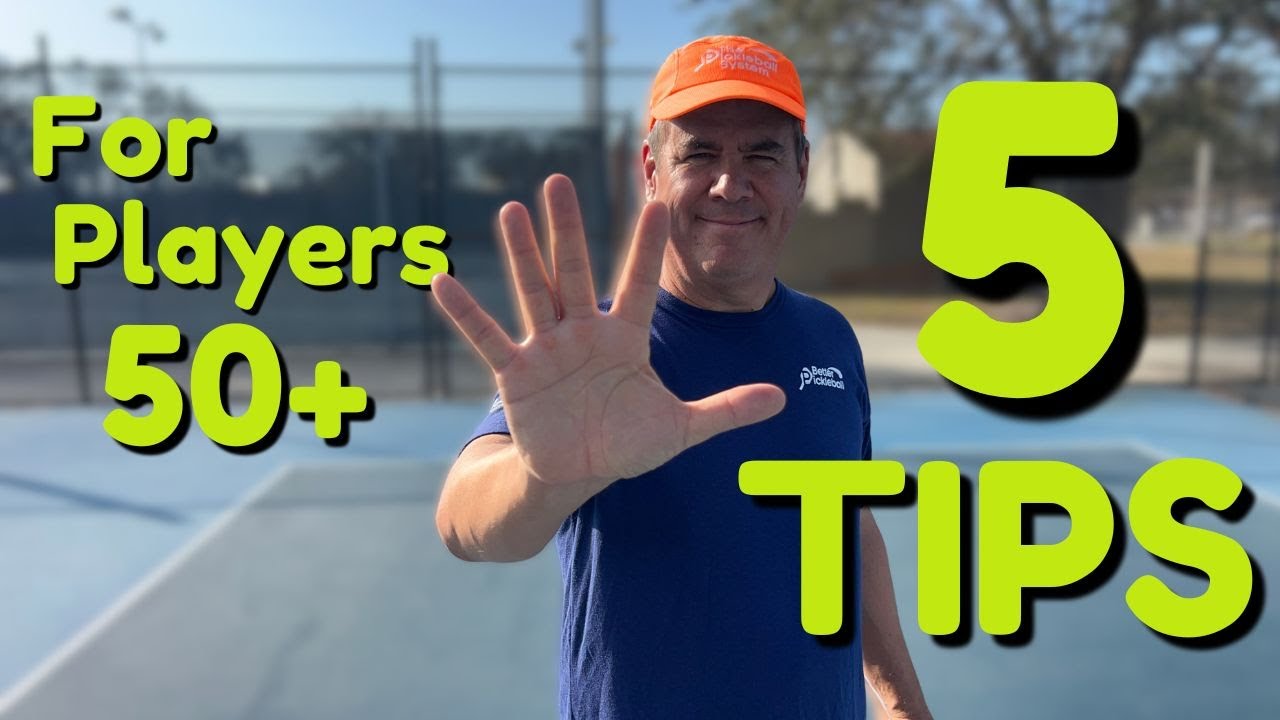
Presetting Your Paddle Face Changes Everything
Here's where technique meets strategy. When you're hitting a volley, your paddle face should point toward your target as early as possible. If you know it's a forehand volley, preset that paddle face to your intended direction immediately. This prevents last-second adjustments and wrist flicks that throw off your accuracy.
The most common error? Presetting the paddle face too open, which sends the ball sailing long or up in the air. Players then realize their mistake mid-swing and try to close the paddle face, resulting in a net ball. By committing to your target early, you eliminate these reactive corrections.
Getting to the Spot Early Matters More Than Speed
After the serve is returned, both partners need to move toward the net quickly. But here's the thing: you should start moving before the ball even crosses the net. Watch where the ball comes off your opponent's paddle and anticipate the direction. This gives you a head start that no amount of pure speed can match.
Communication becomes crucial in the middle of the court. When a return lands between both partners, someone needs to call it. Whether you say "mine" or "yours," clarity prevents collisions and ensures one player takes the ball confidently. Hesitation or both players going for it creates chaos and lost points.
 The Dink Media Team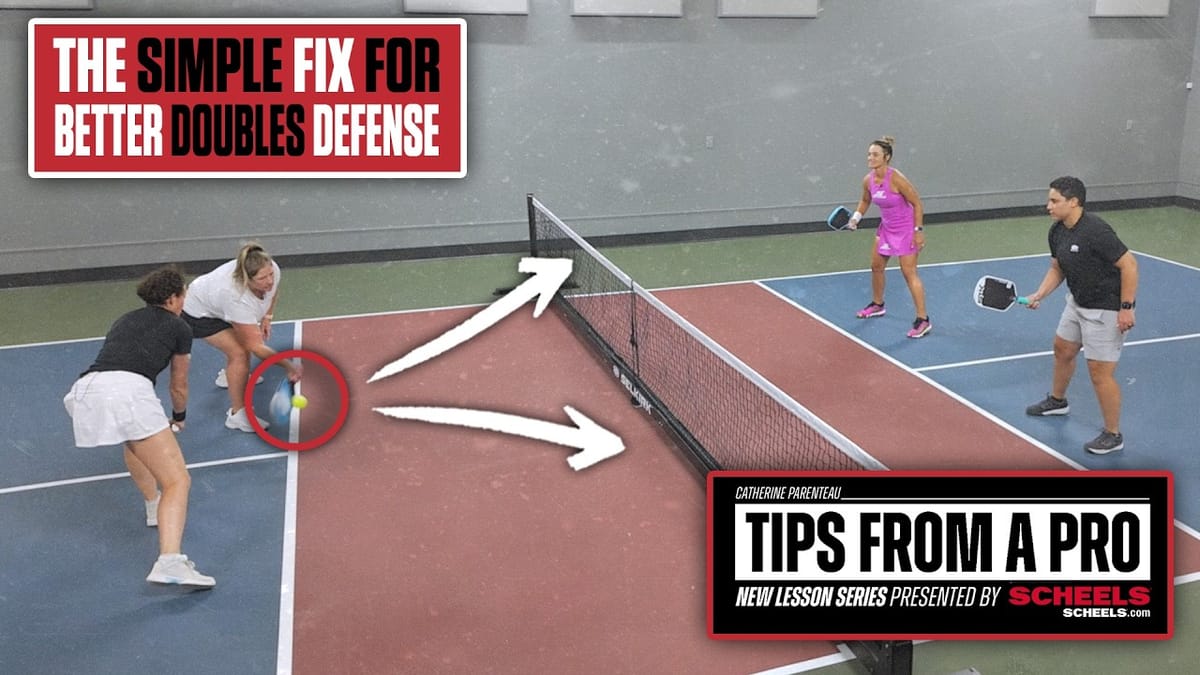
The Bigger Picture: Slowing Down the Game
All of these techniques work together to accomplish one goal: making the game feel slower. When you're prepared early, you're not rushed. When you're not rushed, you make better decisions. When you make better decisions, you win more points. It's not about being the fastest player on the court; it's about being the smartest.
For senior players, this approach is a game-changer. You don't need to outrun younger opponents. You need to out-think them by eliminating wasted movement and staying ready for whatever comes next. That's how you buy time and take control of the rally.
Heads up: hundreds of thousands of pickleballers read our free newsletter. Subscribe here for cutting edge strategy, insider news, pro analysis, the latest product innovations and more.

Love Pickleball? Join 100k+ readers for free weekly tips, news & gear deals.
Subscribe to The DinkGet 15% off pickleball gear at Midwest Racquet Sports