
Hit a Devastating Forehand Drive: The Hip Rotation Secret That Changes Everything
As the game evolves and players get more skilled at dinking and net play, the ability to put away a ball with pace and control separates the good players from the great ones.
If you've been grinding on the pickleball court trying to add pace to your forehand drive, you've probably been thinking about it all wrong. You're not alone. Most players obsess over their backswing, their follow-through, their paddle angle — basically everything except the one thing that actually matters. Love pickleball? Then you'll love our free newsletter. We send the latest news, tips, and highlights for free each week. Sign up for our free newsletter.
According to Briones Pickleball Academy's latest breakdown, the real magic happens in your hips. And honestly? Implementing this one critical tweak changes everything about how you'll start approaching your drive.
The Three-Part Foundation That Makes All the Difference
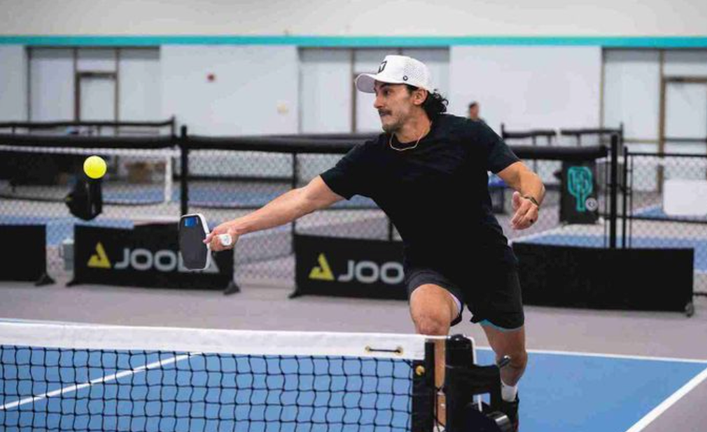
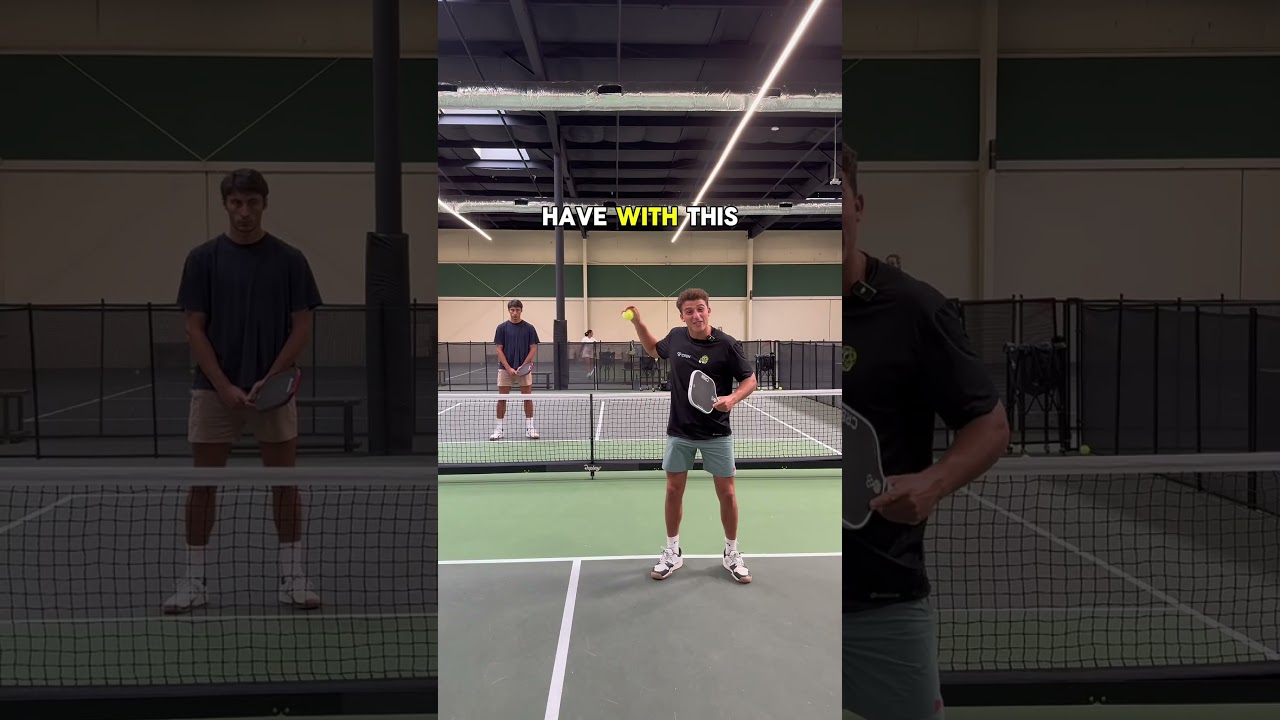
In the video, Briones brings in Brooks, a player with a tennis background who hits one of the most devastating drives on the court. When asked what he's thinking about during his swing, he breaks it down into three distinct phases: legs, hips, and contact point.
"The biggest thing I'm looking to do when I hit this is incorporate my legs," Brooks explains.
"That is the very first thing. So, as soon as I see that ball coming towards me, I know I want to get low."
This isn't revolutionary stuff, but here's where it gets interesting. Getting low isn't just about bending your knees — it's about creating the foundation for everything that comes next. Your legs are the launching pad. Without them engaged, you're essentially trying to generate power from your upper body alone, which is like trying to hit a home run with just your arms.
The second element is clearing those hips. This hip rotation is where the real power lives. It's not your paddle doing the work — it's your core rotating explosively through the ball.
And then there's contact. Brooks wants it "out by my front knee." Why? Because hitting out in front accomplishes two things simultaneously:
- It keeps the ball lower over the net
- And it naturally sets up your follow-through.
You're not forcing anything. The momentum is already carrying you through.
The Grip That Closes the Door on Defense
Here's something that might surprise you: Brooks uses an eastern grip, maybe even slightly past continental. That's pretty extreme. But it serves a specific purpose — it helps him close the paddle face and generate spin.
"I'm holding it here and by the time I'm hitting it, I'm closing," Brooks says, demonstrating the grip transition. This isn't about strangling the paddle. In fact, Brooks keeps his grip pressure around a four or five out of ten. Loose. Relaxed. Natural.
This is where a lot of players mess up. They think more grip pressure equals more control. It doesn't. Tension travels up your arm, into your shoulder, and suddenly you're fighting your own body instead of working with it.
Brooks lets his wrist stay natural, which allows the paddle to do what it's designed to do. If you're not sure which grip style suits your game, understanding the three pickleball grips — continental, eastern, and western — and when to use each one is the right place to start.
 Jason Flamm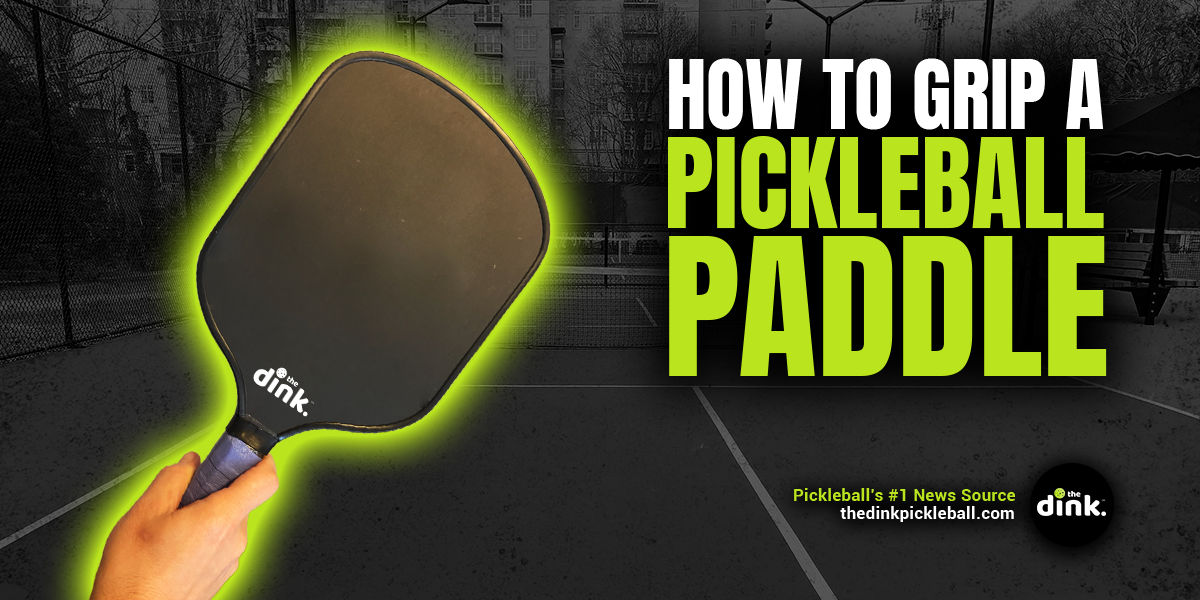
Stance: The Semi-Open Sweet Spot
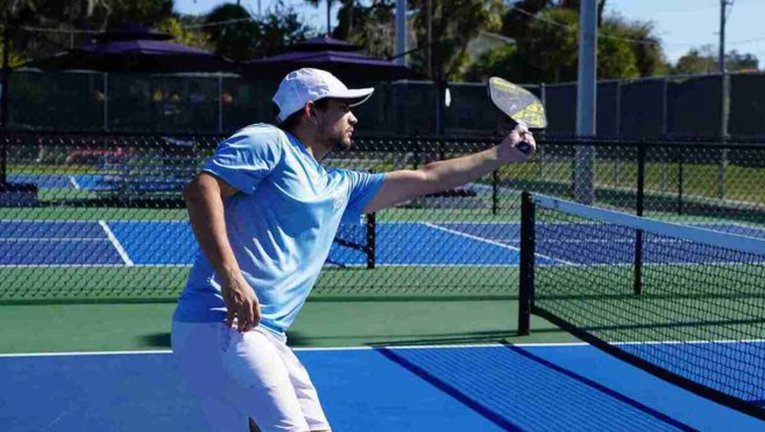
You'll notice Brooks isn't in a fully closed stance (perpendicular to the baseline) or fully open. He's somewhere in the middle — about 45 degrees. This semi-open stance is the Goldilocks position for the forehand drive.
"It allows you to kind of rotate your core and it actually frees up that momentum as you're going through," Briones explains. For Brooks specifically, the semi-open stance makes it easier to bring that back hip through without excessive turning.
- It's efficient.
- It's powerful.
- It's repeatable.
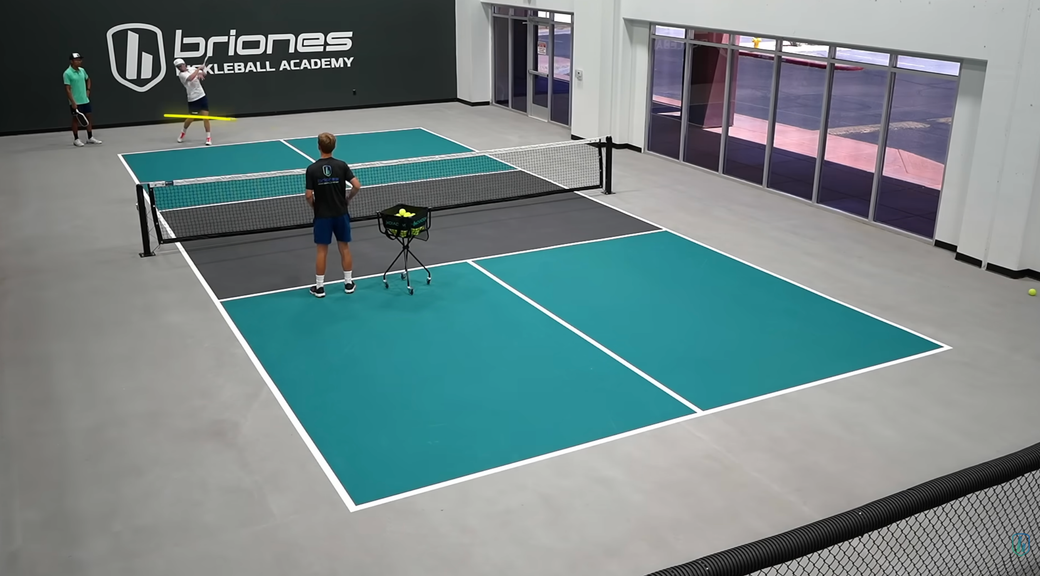
When Briones works with his own drive later in the video, he makes an adjustment to open his stance slightly more. The result? More hip engagement, more whip, more pace. And once you've unlocked that kind of offensive consistency, you'll also want to know how to close out rallies with 3 finishing techniques that win points.
 The Dink Media Team
The Compact Swing That Packs a Punch
One of the most counterintuitive points in the video is this: Brooks doesn't take a massive backswing. His power doesn't come from a long, looping motion. It comes from a quick hip rotation with a relatively compact backswing.
"That's the key to my forehand is I like to stay short and compact," Brooks says.
This is important because it challenges the conventional wisdom that bigger swings equal more power.
In pickleball, especially with the forehand drive, efficiency matters. You're not trying to hit a tennis serve. You're trying to generate pace in a shorter motion while maintaining control and consistency. As CBS Sports has covered in its breakdown of how pickleball's technical evolution is outpacing recreational play, the gap between casual and skilled players increasingly comes down to mechanics — not athleticism.
The follow-through itself is high — Brooks finishes with his paddle near the back of his shoulder. But again, it's not forced. If you have the correct hitting target point (that front knee contact), your arm naturally flows through. You're not muscling it.
The Real Takeaway: It's About Efficiency, Not Effort
What makes this breakdown so valuable isn't that it introduces some brand-new technique. It's that it reframes how you should think about generating power.
You don't need a bigger swing. You need better sequencing. Legs first, then hips, then contact, then follow-through.
Each element builds on the previous one.
The forehand drive shot has become increasingly important in modern pickleball. As the game evolves and players get more skilled at dinking and net play, the ability to put away a ball with pace and control separates the good players from the great ones. Sports Illustrated's deep dive into pickleball's growth confirms that the sport's top recreational players are increasingly adopting pro-level technique — and the forehand drive is at the center of that shift.
If you're looking to improve your drive, start with your legs. Get low. Engage your core. Let your hips do the work. Keep your grip relaxed. And trust that the follow-through will happen naturally if everything else is in place.
That's the simple fix. That's what makes your forehand drive unstoppable.
Want to see how these fundamentals connect to your full game? Start with 5 tips to instantly improve your pickleball drive and 3 patterns that separate good pickleball players from great ones.
Heads up: hundreds of thousands of pickleballers read our free newsletter. Subscribe here for cutting edge strategy, insider news, pro analysis, the latest product innovations and more.
Frequently Asked Questions
What is the most important factor in generating power on a forehand drive in pickleball?
Hip rotation is the single most important factor — not a bigger backswing or more grip pressure. The real power in a forehand drive comes from your core rotating explosively through the ball, with your legs creating the foundation and your hips delivering the force. Think of it as a chain reaction: legs, hips, contact, follow-through.
What grip should I use for a forehand drive in pickleball?
An eastern grip — or slightly past continental — works best for most players hitting a forehand drive. This grip helps you naturally close the paddle face through contact, which adds topspin and keeps the ball from sailing long. Keep your grip pressure loose, around a 4–5 out of 10, so your wrist stays relaxed and your swing stays fluid.
Why should I keep a compact backswing on my forehand drive?
A compact backswing actually generates more consistent pace than a long, looping one. In pickleball, you have less time and less court than in tennis, so a shorter backswing paired with explosive hip rotation is more efficient and more repeatable. Players who over-swing tend to lose control and telegraph their shots — two things you can't afford at higher levels.
What does "hitting out in front" mean for a pickleball forehand drive?
Hitting out in front means making contact near your front knee, not beside your hip or behind your body. This contact point accomplishes two things: it naturally keeps the ball lower over the net, and it sets up a clean, high follow-through without you having to force it. If you're popping balls up or hitting them long, your contact point is probably too late.
How does stance affect my forehand drive in pickleball?
A semi-open stance — roughly 45 degrees to the baseline — is the ideal setup for the forehand drive. A fully closed stance restricts hip rotation, while a fully open stance can make it harder to generate consistent power. The semi-open position is the sweet spot: it frees up your core to rotate, lets your back hip come through naturally, and keeps the swing efficient and repeatable.
Love Pickleball? Join 100k+ readers for free weekly tips, news & gear deals.
Subscribe to The Dink