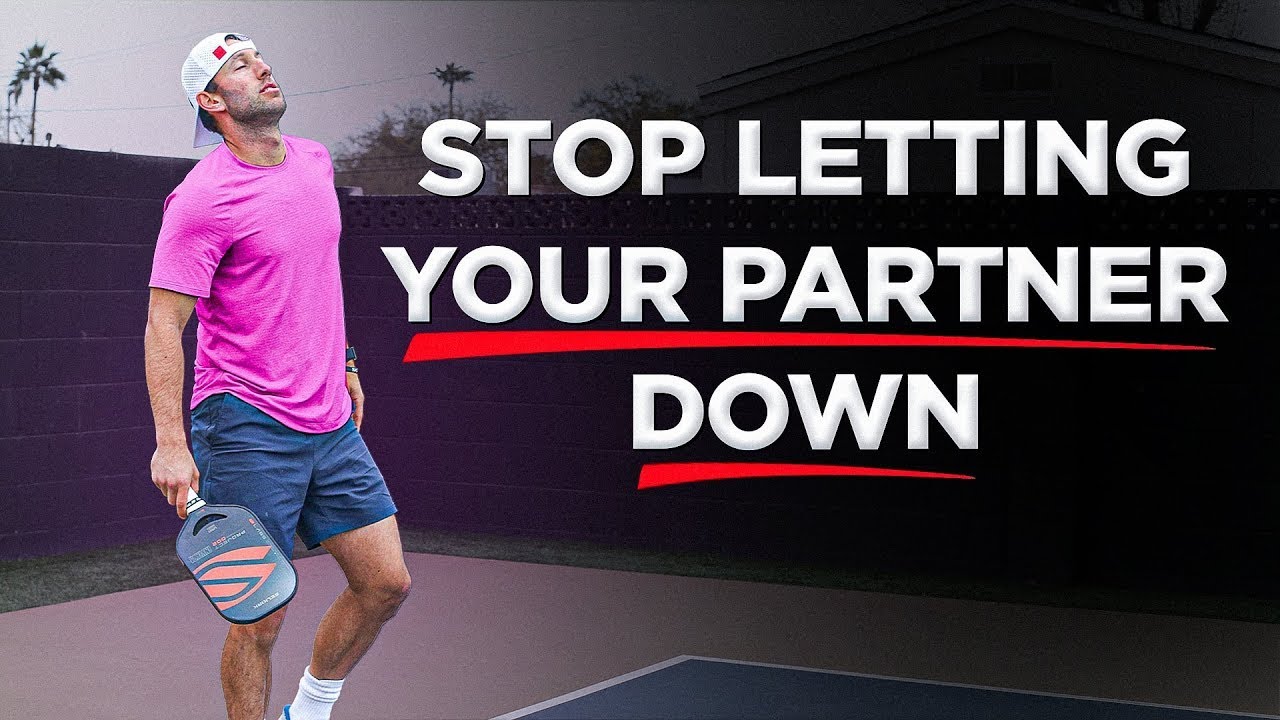

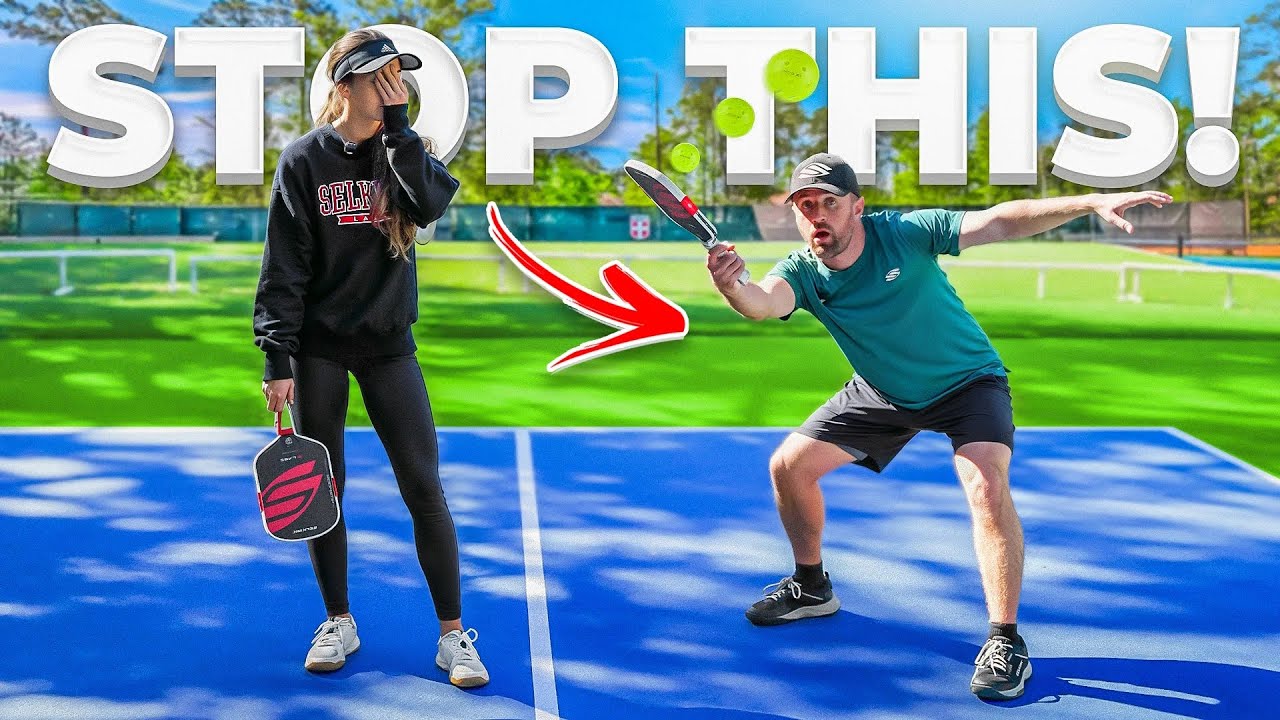
Soft grip, planted feet, early preparation, and smarter resets — the four fixes that keep the ball down and the point rolling on
Popping the ball up in pickleball is one of those frustrating mistakes that can turn a rally in your opponent's favor in a heartbeat.
Whether you're dinking at the kitchen line or resetting in transition, a floaty ball is basically an invitation to end the point quickly, and not in your favor.
PlayPickleball.com breaks down four practical fixes that work across different court positions, and they're worth mastering if you want to keep your shots low and unattackable.
Love pickleball? Then you'll love our free newsletter. We send the latest news, tips, and highlights for free each week.
1. Master Soft Hands and Dwell Time at the Kitchen Line
The biggest culprit behind pop-ups at the kitchen line is slapping the ball. When you slap, you're creating quick acceleration with a wristy motion, which means you're reacting rather than controlling. Good dinkers do two things really well: they maintain soft grip strength, and they understand dwell time.
Think of grip strength on a scale from one to ten. A ten is when your veins are popping out of your arm. A one is so loose the paddle falls out of your hand. For soft hands and control, aim for a three or four. That soft grip lets you feel the ball and keep it on your paddle longer.
Dwell time is the concept of carrying the ball on your paddle instead of just hitting through it. When you have dwell time, it feels like you're hitting multiple balls and guiding each one to the next spot. That contact time gives you way more control and keeps the ball from popping up.
2. Catch and Stick: The Reset Secret
When you're in transition and trying to reset the ball, there's a simple drill that changes everything. Set your paddle down and practice catching the ball with soft hands, then stick it without moving your hands forward. Once you get the feel for that, do the same thing with your paddle in hand.
The key is to catch the ball out front and keep your paddle still. Don't move forward. Let the ball do the work. If your opponent hits it slow, you can always add pace on the next shot. But if they're hitting slow, you've got options to attack from that position anyway. This technique keeps your reset low and in the kitchen instead of floating up for an easy put-away.
 Alex E. Weaver
3. Get There Early and Plant Your Feet
A lot of pop-ups happen because players are late to the ball and still moving when they make contact. When you're moving and hitting at the same time, there's too much extra motion happening. The best dinkers in the game are already set with their feet and paddle face before they hit the shot.
Here's a practical tip: by the time you see the ball coming over the net, decide whether you're hitting a forehand or backhand. A lot of beginners hesitate on this choice, which throws off their footwork and positioning. Once you commit to your shot type, bring your paddle there and make sure the ball stays in front of your body. Plant your feet before you hit. You'll look like a freeze frame right before contact, then execute a controlled shot. That setup is what keeps dinks from popping up.
 The Dink Media Team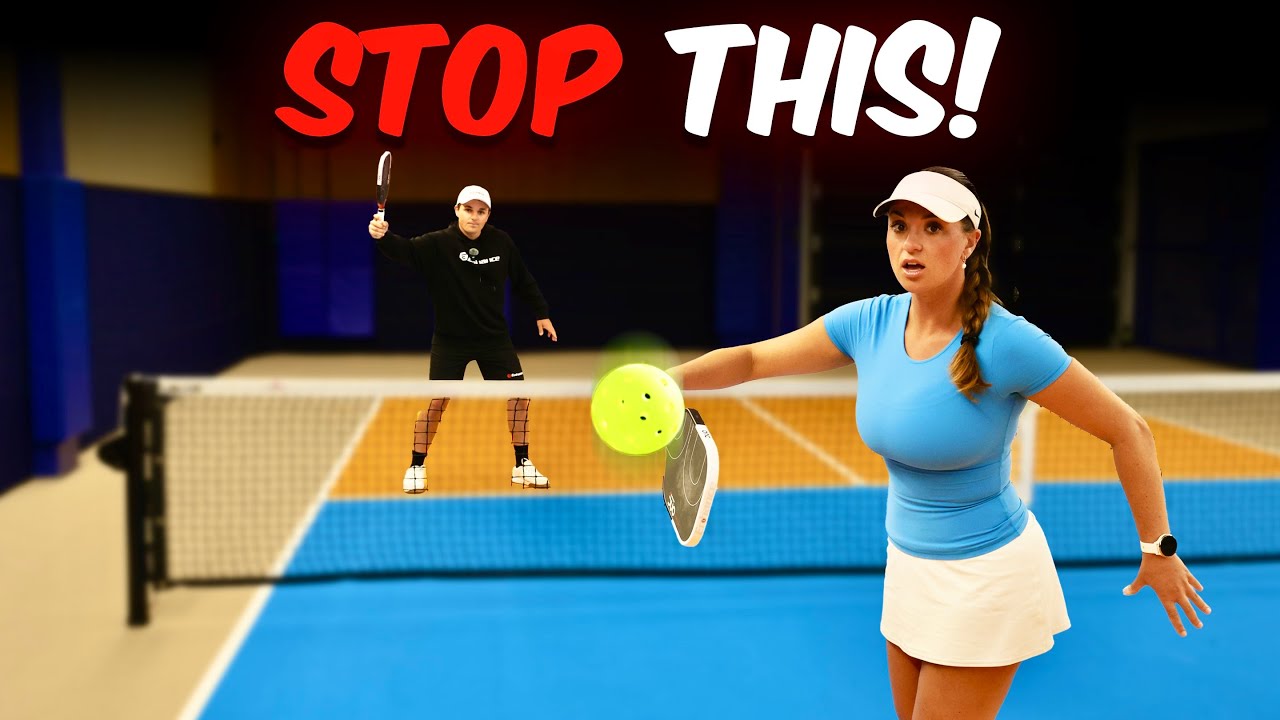
4. Avoid the Short Hop Trap
On defensive shots like drops and dinks, avoid hitting off the short hop whenever possible. Instead, let the ball descend and fall into your paddle. Give yourself space and time. If you rush and take the ball off the short hop, you're hitting it as it's coming up, which limits what you can do with it.
There are exceptions. If you're in transition and just trying to reset defensively, or if you're off balance and need to get the ball back, hitting off the short hop is fine. But as a general rule, patience pays off.
When you're driving the ball, the approach is slightly different. You want to catch it on its way up, but not right after the short hop. Let it travel up a bit more so you can hit it near its highest point. If you drive off the short hop, you risk popping it up or hitting it into the net. Whether you're dropping or driving, the principle is the same: avoid the short hop and give yourself time to make solid contact.
Heads up: hundreds of thousands of pickleballers read our free newsletter. Subscribe here for cutting edge strategy, insider news, pro analysis, the latest product innovations and more.
These four fixes address the most common causes of balls popping up across the court. Soft grip strength and dwell time at the line, the catch-and-stick reset in transition, early preparation and planted feet, and avoiding the short hop all work together to keep your shots low and in control. Start with whichever area gives you the most trouble, and you'll notice the difference pretty quickly.

Love Pickleball? Join 100k+ readers for free weekly tips, news & gear deals.
Subscribe to The DinkGet 15% off pickleball gear at Midwest Racquet Sports