

Tanner Tomassi shows how small adjustments in setup and timing can completely fool your opponent at the kitchen line
The forehand flip – aka The Kyle – is one of pickleball's most effective deceptive shots, and it's easier to master than you might think.
According to Tanner Tomassi, this shot is easy to learn (but difficult to master) once you understand the three core principles. If you're looking to add a weapon to your game that catches opponents off guard, this is the move to practice.
Love pickleball? Then you'll love our free newsletter. We send the latest news, tips, and highlights for free each week.
Step 1: Mirror Your Backhand Dink Setup
The magic of the forehand flip starts with disguise.
You want your opponent to think you're setting up for a standard backhand dink.
This means matching your backhand dink form exactly as you approach the ball. Your stance, your paddle position, your body angle—everything should look identical to your normal dink.
The more convincing your setup, the more likely your opponent is to commit to their defensive positioning before you unleash the shot.
Step 2: Drop Your Paddle at the Last Second
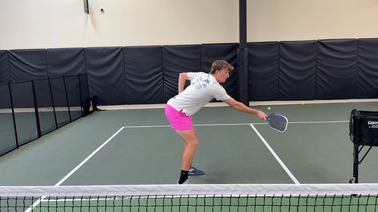
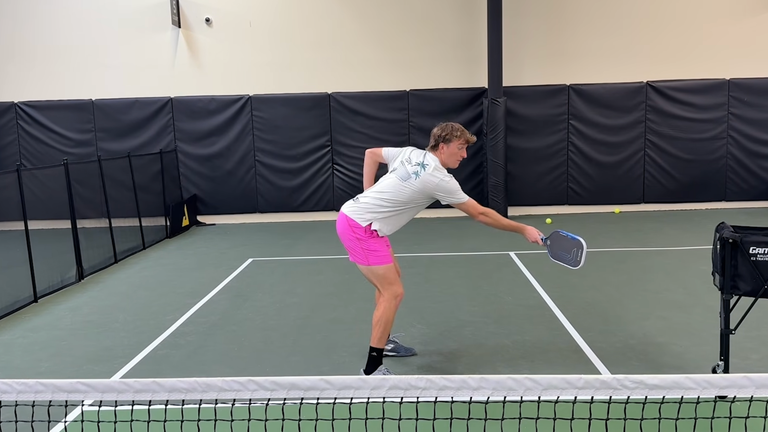
Here's where the deception happens. Right as you're about to make contact, drop your paddle from your normal dink height down to a lower position.
This simple motion is the same mechanics as hitting a forehand, except you're executing it on the opposite side of your body.
The key is timing: the drop happens at the last possible moment, so your opponent has already committed to reacting to what they think is a backhand dink.
 The Dink Media Team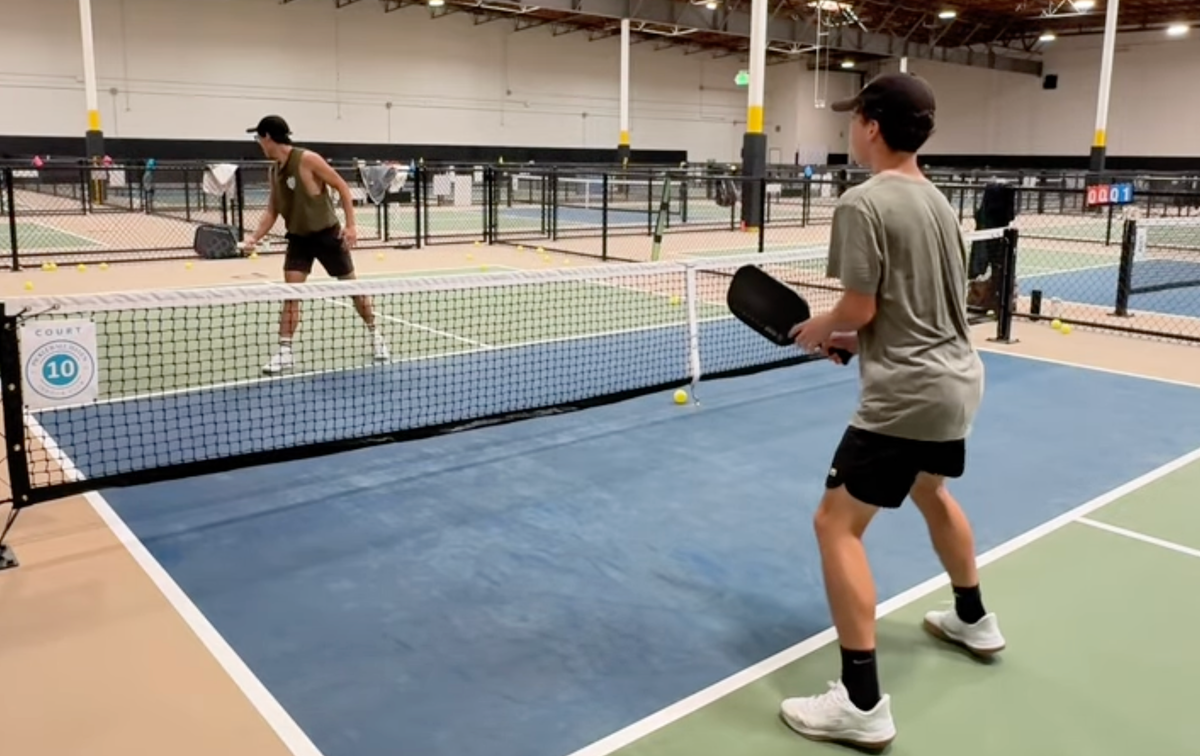
Step 3: Sell It With Your Body
Your body language is just as important as your paddle work.
After you hit the forehand flip, your weight and momentum should still move in the direction of a normal backhand dink.
This creates a mismatch between where your body is going and where the ball is actually traveling.
Your opponent's eyes follow your body, not the ball, so they'll be caught completely off guard when the shot goes the opposite direction.
Why The Forehand Flip Shot Works
The forehand flip exploits a fundamental principle of pickleball: players react to what they expect to see.
By setting up identically to your backhand dink and then changing the shot at the last microsecond, you're forcing your opponent to make a decision based on incomplete information. They've already started moving one way, and suddenly the ball is going another.
It's a high-percentage way to create offensive opportunities from the kitchen.
 The Dink Media Team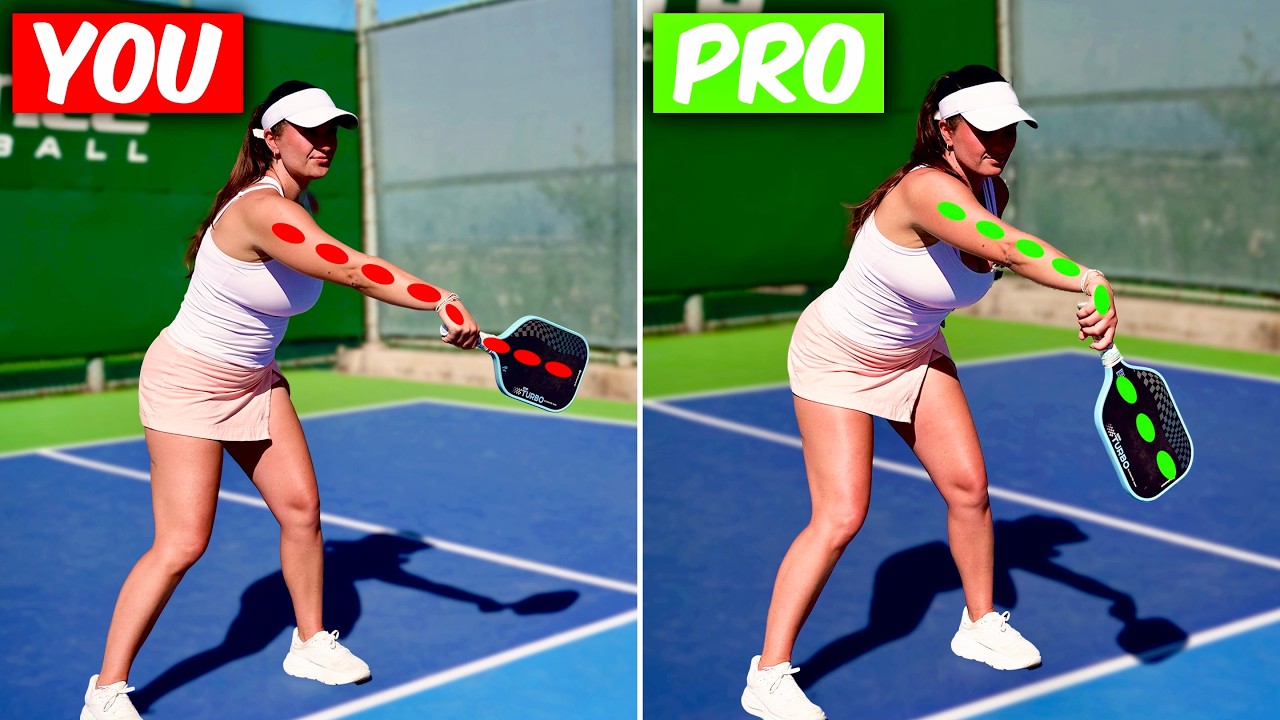
Frequently Asked Questions
What is a forehand flip pickleball shot?
The forehand flip pickleball shot is a deceptive shot that mimics a backhand dink before quickly switching to a forehand at contact. It is designed to catch opponents off guard at the kitchen line.
Is the forehand flip pickleball shot hard to learn?
No, the forehand flip pickleball technique is relatively simple once you understand the timing and setup. Most players can learn the basics quickly with consistent practice.
When should I use a forehand flip in pickleball?
You should use the forehand flip pickleball shot during dink rallies when your opponent is expecting a standard backhand. It works best as a surprise attack rather than a frequent go-to shot.
What makes the forehand flip effective?
Deception is what makes the forehand flip pickleball shot effective. By disguising your setup, you force your opponent to react too early and move in the wrong direction.
Can beginners use the forehand flip pickleball shot?
Yes, beginners can use the forehand flip pickleball technique, especially once they are comfortable with basic dinking. It is a great way to add creativity and offense to your game early on.

Love Pickleball? Join 100k+ readers for free weekly tips, news & gear deals.
Subscribe to The DinkGet 15% off pickleball gear at Midwest Racquet Sports