Sometimes the fastest way to improve your game isn't to add more power, but to sharpen the tools you already have.
Stop us if you've heard this before.
You're locked in a dink rally, the ball is bouncing harmlessly back and forth, and you're just waiting for something, anything, to happen. Maybe you're hoping your opponent gets bored and speeds it up into your paddle, or maybe you're just trying not to be the first one to dump it into the net.
But here is the thing: if you're just "surviving" the kitchen line, you're leaving money on the table.
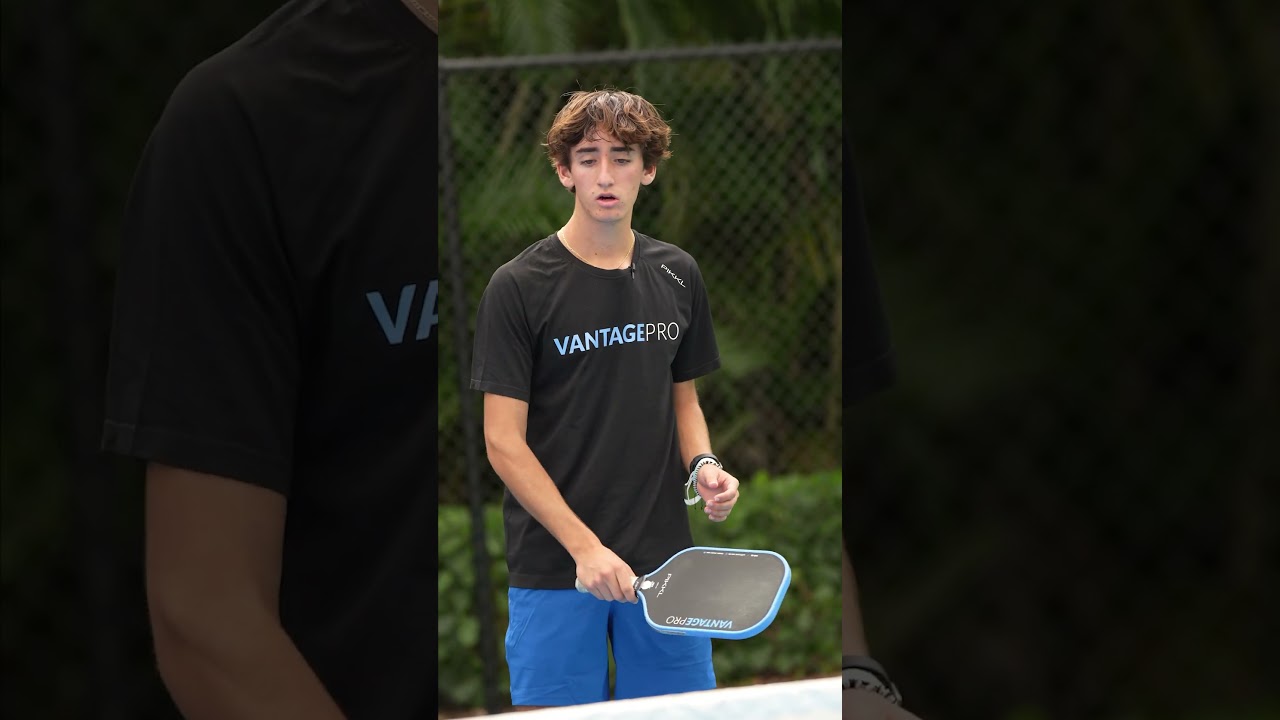
In a recent session on his YouTube channel, pro Connor Garnett sat down with Randy, a decorated PPA tour veteran with over 40 medals.
Randy's problem? She wants more from her forehand dink.
Garnett's solution isn't a month-long overhaul; it's a five-minute "prescription" designed to turn a standard dink into a genuine weapon.
Love pickleball? Then you'll love our email newsletter. We send the latest news, tips, and highlights for free each Monday, Wednesday, and Friday.
The Problem with the 'Dead' Dink
Most players think a good dink is simply one that lands in the kitchen. While that's technically true for beginners, at the higher levels, a flat, dead dink is just an invitation for your opponent to take control. Randy, despite her success, felt her dinks lacked the "bite" necessary to set up her favorite part of the game: the attack.
Garnett noticed that when players try to do too much with the ball, they often overcomplicate the mechanics. They swing too hard or through the ball too much, resulting in shots that sail long or sit up too high.
To fix this, he broke the forehand dink down into three specific adjustments.
1. Aim for the Tip of the Paddle
It sounds counterintuitive to avoid the "center" of your paddle, but Garnett suggests that for the dink, your contact point should actually be a bit higher up, closer to the tip. Why? Because hitting the ball near the end of the paddle gives you a bit more leverage and feel for creating topspin.
When you catch the ball near the tip, you can "lift" it more effectively. This creates that nice, safe arc over the net while still allowing the ball to drop quickly once it crosses. If you're hitting too low on the face, you lose that natural leverage, and the ball tends to come off flat.
 The Dink Media Team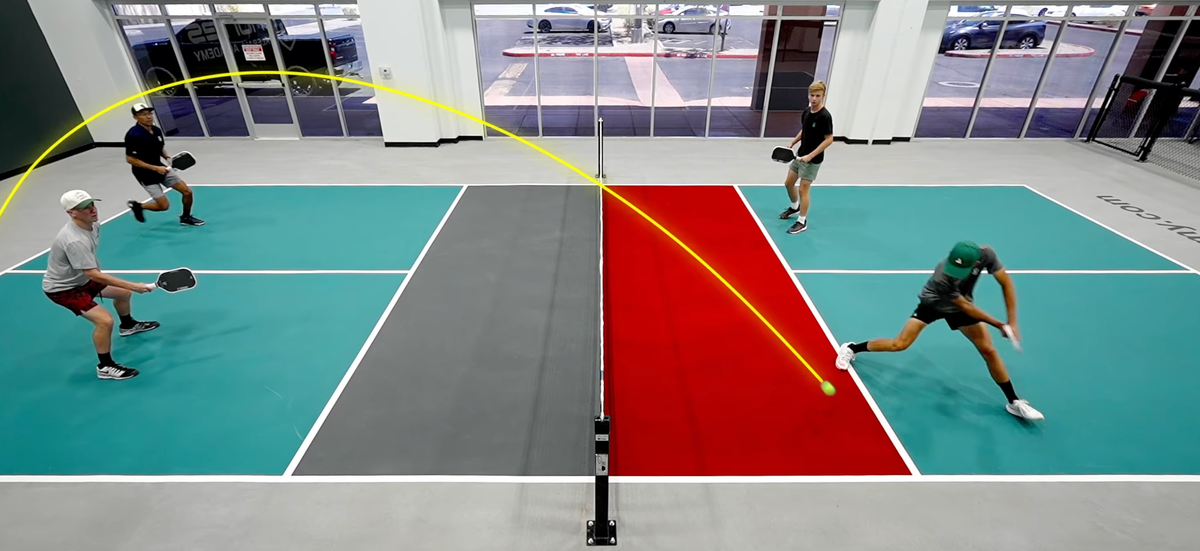
2. Keep the Swing Compact
We see it all the time in recreational play: the big, looping dink swing. Players take the paddle back like they're about to hit a groundstroke from the baseline. Garnett's second rule is simple: stop doing that.
A big swing creates too many variables. It's harder to time, and it's much harder to control the depth.
By keeping the swing small and compact, you're using your shoulder as the hinge rather than your wrist or elbow. This stability is what leads to consistency. You don't need a lot of power to move a ball 14 feet; you need precision.


3. Lead with the Tip and Go 'Around' the Ball
This is the secret sauce for spin.
Garnett explains that instead of swinging through the ball (a linear motion that often pushes the ball long), you should lead with the tip of the paddle and move around the ball.
"The tip of the paddle is in front of my wrist here so that I can sculpt around it," Garnett explains during the lesson.
This "sculpting" motion is what generates natural topspin and side-angle shape without requiring a violent flick of the wrist. When you go around the ball, you're essentially "curling" it, which makes the trajectory much more difficult for your opponent to read.
 The Dink Media Team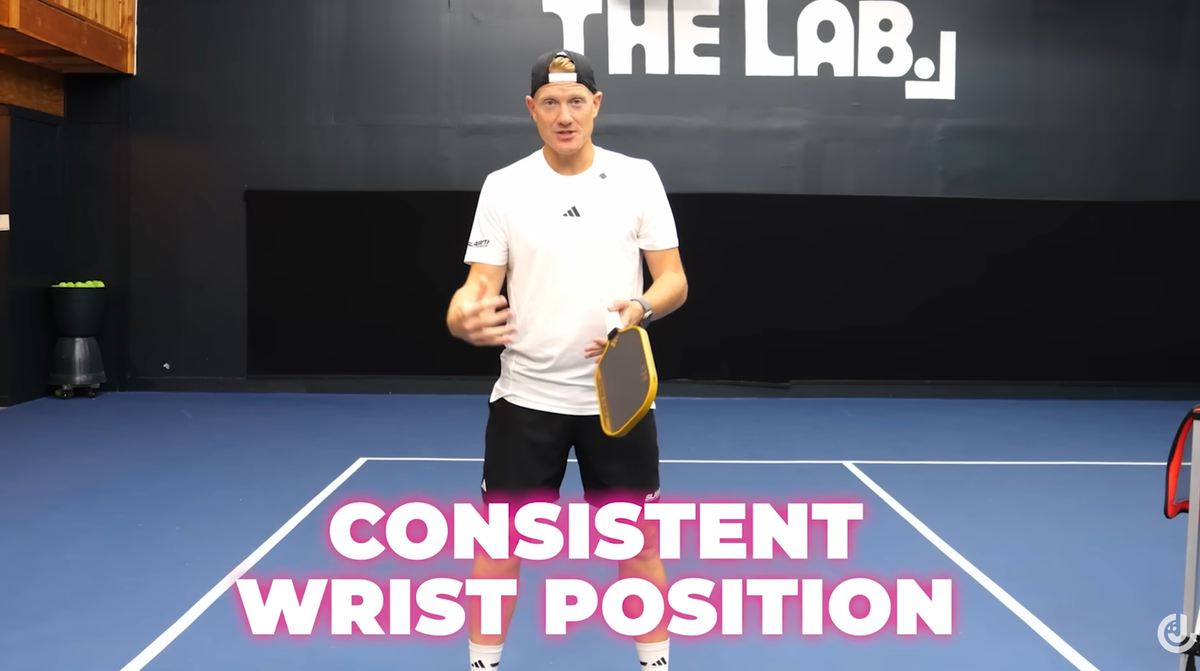
The "Unpredictability" Factor
After just a few minutes of applying these cues, Randy noticed an immediate difference.
- The ball had more "shape"
- It was dipping faster
- And jumping off the court in ways it wasn't before
The beauty of this technique is that it disguises your intent. When you're leading with the tip and keeping your swing compact, your opponent can't tell if you're going to drop a soft dink cross-court or suddenly sharpen the angle to push them off the sideline.
Honestly, most of us spend too much time worrying about hitting the ball hard and not enough time worrying about how the ball is moving.
As Garnett showed, sometimes the fastest way to improve your game isn't to add more power, but to sharpen the tools you already have.
Heads up: hundreds of thousands of pickleballers read our free newsletter. Subscribe here for cutting edge strategy, insider news, pro analysis, the latest product innovations and more.
Frequently Asked Questions
What is a forehand dink in pickleball?
A forehand dink is a soft, controlled shot hit from the kitchen line (non-volley zone) using the forehand side of the paddle. The goal is to keep the ball low, land it in the opponent's kitchen, and avoid giving them a ball they can attack. When executed with topspin and shape, it becomes one of the most effective rally-control tools in the game.
Why does my forehand dink keep going long or sailing out?
The most common cause is a swing that's too big and linear — you're pushing through the ball rather than "sculpting" around it. A long swing creates inconsistent contact and too much forward momentum. Try shortening your backswing, using your shoulder as the hinge, and leading with the tip of the paddle to get the ball to drop sooner.
How do I add topspin to my forehand dink?
Topspin on the dink comes from leading with the paddle tip and moving around the ball rather than swinging straight through it. As Connor Garnett explains, this "sculpting" motion naturally curls the ball, generating topspin without requiring a wrist flick. Contact the ball slightly toward the tip of the paddle face to maximize leverage and spin.
Should I be hitting my dinks at the center of the paddle?
Not necessarily. Garnett suggests aiming contact slightly toward the tip of the paddle for dinks, because this position gives you more leverage to lift the ball and impart topspin. Hitting too low on the face tends to produce flat shots that sit up — making them easy targets for your opponent to attack.
How do I make my dinks more unpredictable?
The key is keeping your mechanics the same whether you're going cross-court, down-the-line, or angling wide. When you use a compact swing and lead with the paddle tip consistently, your opponent can't read your intentions from your body language. That disguise — not pace or power — is what creates real pressure at the kitchen line.

Love Pickleball? Join 100k+ readers for free weekly tips, news & gear deals.
Subscribe to The DinkGet 15% off pickleball gear at Midwest Racquet Sports