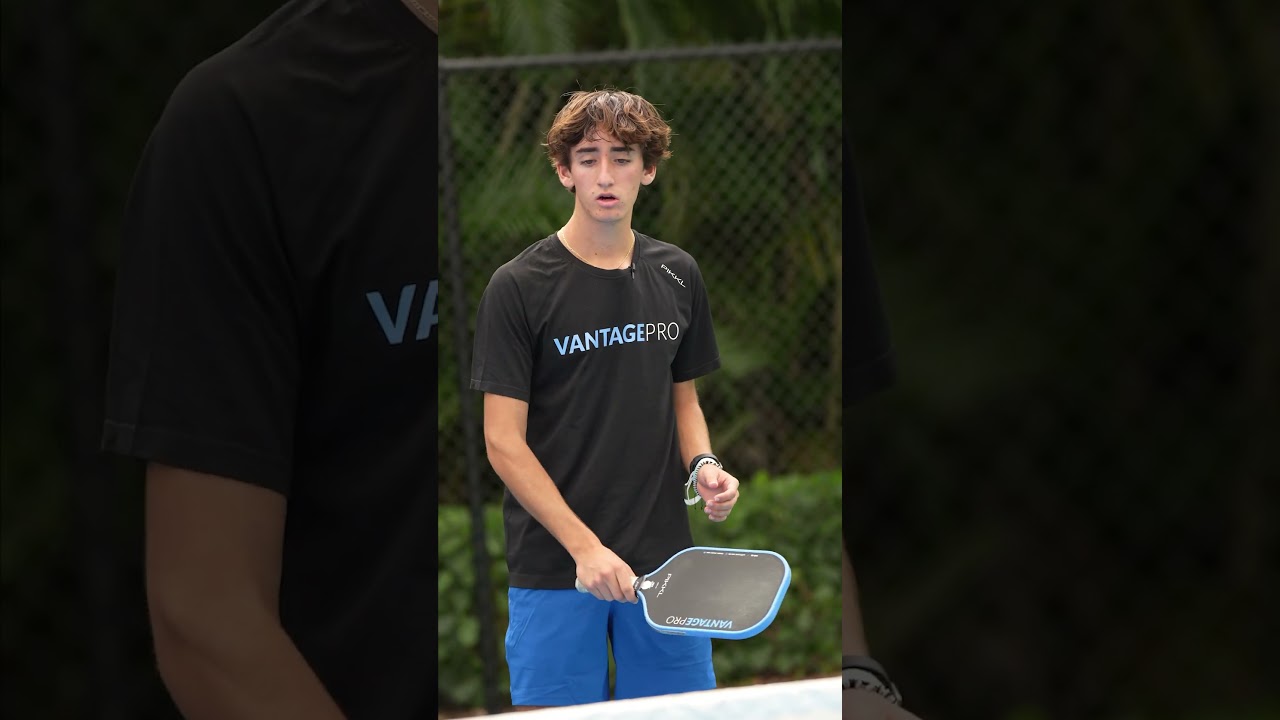
Don't Fear the Pickleball Kitchen: Essential Non-Volley Zone Rules Explained
The kitchen rule keeps pickleball fair and strategic by restricting volleys inside the 7-foot zone while allowing full freedom on balls that bounce
The pickleball kitchen, or non-volley zone (NVZ), is one of the most misunderstood rules in the sport. Whether you're brand new to pickleball or you've been playing for a few months, the kitchen rules can feel confusing. But they're actually pretty straightforward once you break them down.
A USA Pickleball official recently put together a clear breakdown of the kitchen rules that every beginner should know, and it's worth understanding if you want to play by the book and avoid costly faults.
Love pickleball? Then you'll love our free newsletter. We send the latest news, tips, and highlights for free each week.
What Exactly Is the Kitchen?
The kitchen is the 7-foot zone on both sides of the net that extends from the net line to the baseline. It's called the "non-volley zone" because you can't hit a volley (a ball hit before it bounces) while standing in it or touching it.
Think of it as a buffer zone designed to prevent players from camping out at the net and smashing every ball. It keeps the game fair and encourages longer rallies.
The Golden Rule: Volleys Must Start Outside
Here's the core rule: all volleys must be initiated outside the kitchen. If you're volleying the ball, your feet and everything attached to you need to be completely outside the non-volley zone when you make contact.
But here's where it gets tricky. The "act of volleying" includes three things:
- The swing itself
- The follow-through
- The momentum from the action
This means even if your paddle touches the kitchen during your follow-through, it's a fault. Even if your momentum carries you into the kitchen after you hit the ball, it's a fault.
 The Dink Media Team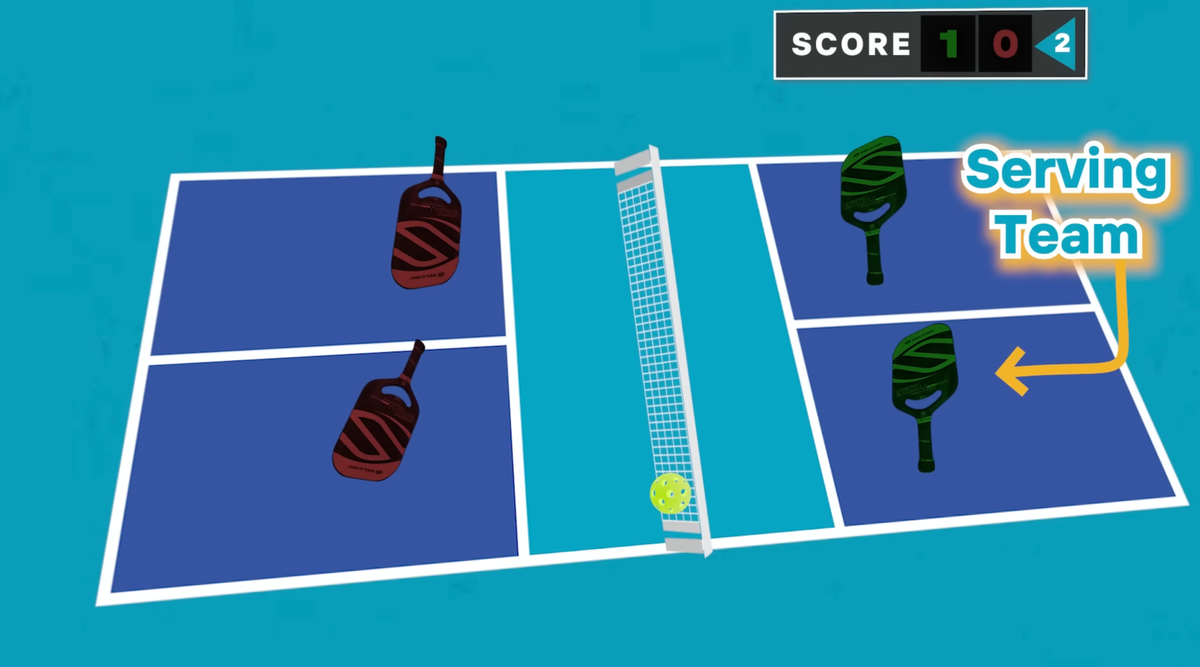
Momentum Is Your Enemy (When Volleying)
One of the trickiest parts of the kitchen rule is momentum. Let's say you're standing just outside the kitchen, you volley the ball cleanly, but your forward momentum carries you into the kitchen before the ball is even dead. That's a fault.
The rule also applies if your momentum causes you to touch anything in the kitchen, including your partner. Yep, accidentally bumping your partner while following through on a volley? Fault.
What About Bounced Balls?
Here's where the kitchen rule becomes more forgiving. If the ball bounces in the kitchen, you can enter the kitchen and hit it. You can even stay in the kitchen after you hit it. No violation.
You can also enter the kitchen at any time before or after returning a bounced ball. The restriction only applies to volleys.
Special Situations to Know
A few edge cases come up in real matches:
- Your partner in the kitchen: If your partner is standing in the kitchen when you volley, and your momentum causes you to contact them, it's a fault. But if you're returning a bounced ball while your partner stands in the kitchen, that's totally fine.
- The ball becomes dead: If the ball becomes dead before you contact the kitchen, but your momentum carries you in anyway, it's still a fault. The rule doesn't care if the ball is already out of play.
- Wheelchair players: For wheelchair users, the front wheels can touch the kitchen during a volley. But if the rear wheels touch the kitchen, the player can't volley again until both rear wheels are completely outside the zone.
 The Dink Media Team
Why These Rules Matter
The kitchen rule exists to keep pickleball competitive and fun. Without it, taller players or those with longer reaches could just camp at the net and put away every ball. The kitchen forces players to think strategically, move their feet, and develop soft hands.
Understanding these rules also saves you from frustration. There's nothing worse than losing a point because you didn't realize your follow-through crossed the line. Now you know.
Practice Makes Perfect
The best way to internalize the kitchen rule is to play. Pay attention to where your feet are when you volley. Feel your momentum. After a few matches, it becomes second nature.
If you're still unsure about a specific situation, the official USA Pickleball rulebook has even more detail. But for most beginners, remembering that volleys must start outside and momentum counts will keep you in the clear.
Heads up: hundreds of thousands of pickleballers read our free newsletter. Subscribe here for cutting edge strategy, insider news, pro analysis, the latest product innovations and more.

Love Pickleball? Join 100k+ readers for free weekly tips, news & gear deals.
Subscribe to The DinkGet 15% off pickleball gear at Midwest Racquet Sports