

Advanced Pickleball: The 3-Step Strategy to Get to the Kitchen and Cook
Patience wins. Two calm, connected players at the baseline are harder to beat than two players scrambling to get to the net.
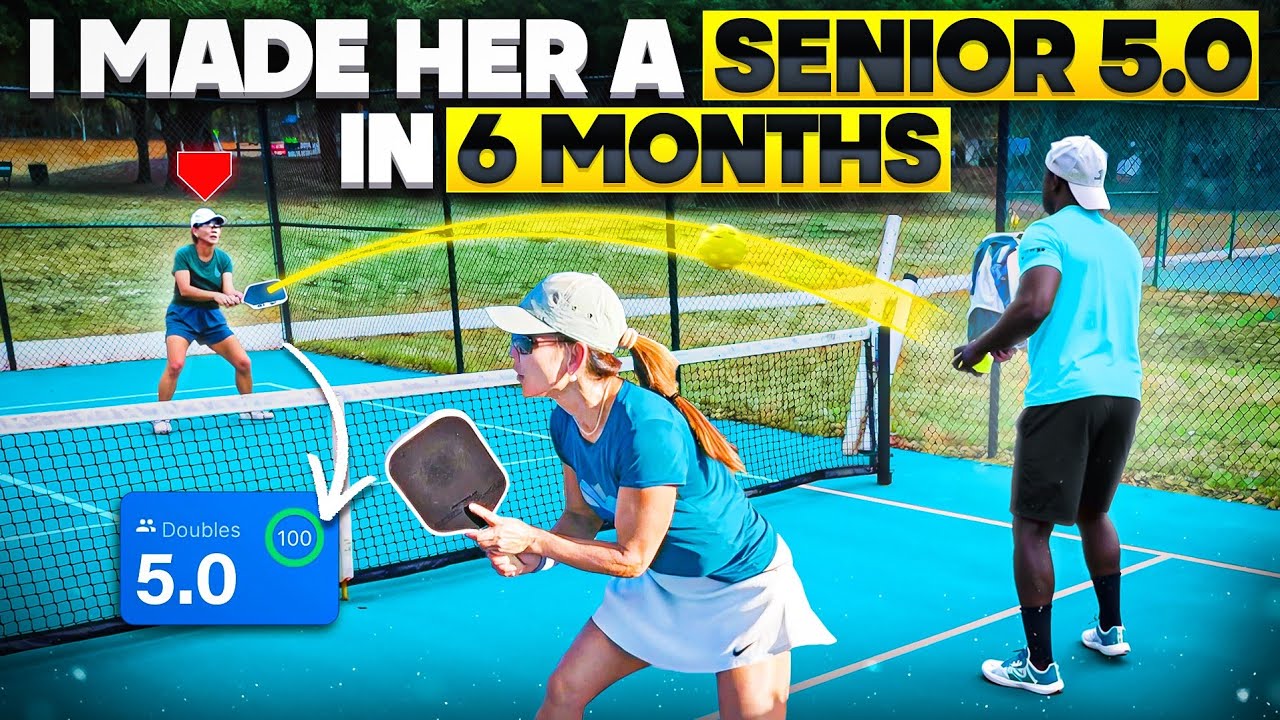
Kitchen arrival is one of the most outcome-determining stats in pickleball, yet most players never track it.
If you want to climb the ranks, you need to know how often you're successfully reaching the kitchen line with your partner. Jilly B, the number one female player on the PPA tour, breaks down exactly how to improve this critical skill in her latest instructional video.
Love pickleball? Then you'll love our free newsletter. We send the latest news, tips, and highlights for free each week.
Why Kitchen Arrival Matters More Than You Think
Most players focus on hitting the perfect shot. But Jilly B flips that script: the real game-changer is getting to the kitchen line together with your partner.
Think about it. If you're both at the net defending as a unified wall, your opponents have far fewer options. They can't attack aggressively. They can't find the angles. You control the point.
The problem? Most recreational players hover around a 30% kitchen arrival rate. That's rough. Jilly B suggests aiming for 50% as a realistic improvement target.
The Three-Step Formula for Better Arrivals
Jilly B breaks down kitchen arrival into three concrete actions you can start using immediately:
- Let the depth of the return dictate your shot choice. Don't force a drop if the return is deep; hit a drive instead and stay patient.
- Embrace the "Gambler's Mentality." If your partner is hitting the third shot and the return is deep, you can creep forward slightly, but only if you're confident you won't get caught in no-man's land.
- Communicate constantly with your partner. Say "stay," "go," "watch," "drop," or "drive" to keep you both on the same page and moving together.
 The Dink Media Team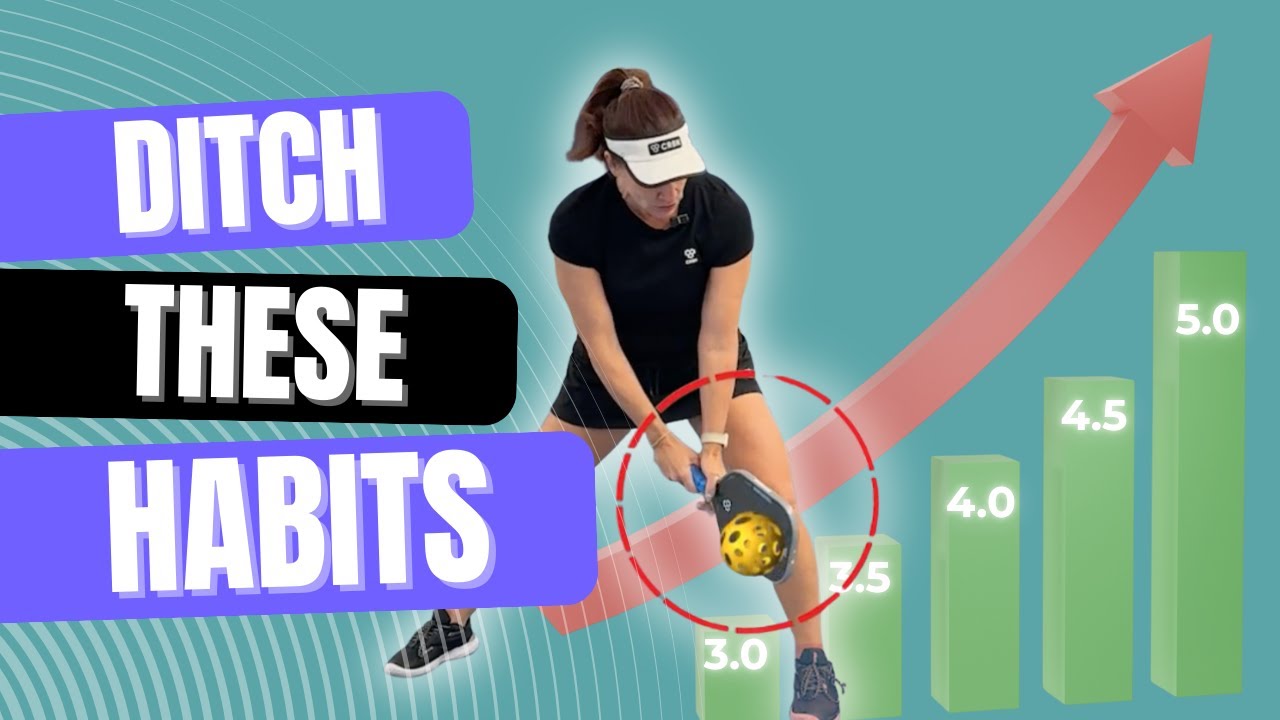
The Kamikaze Trap
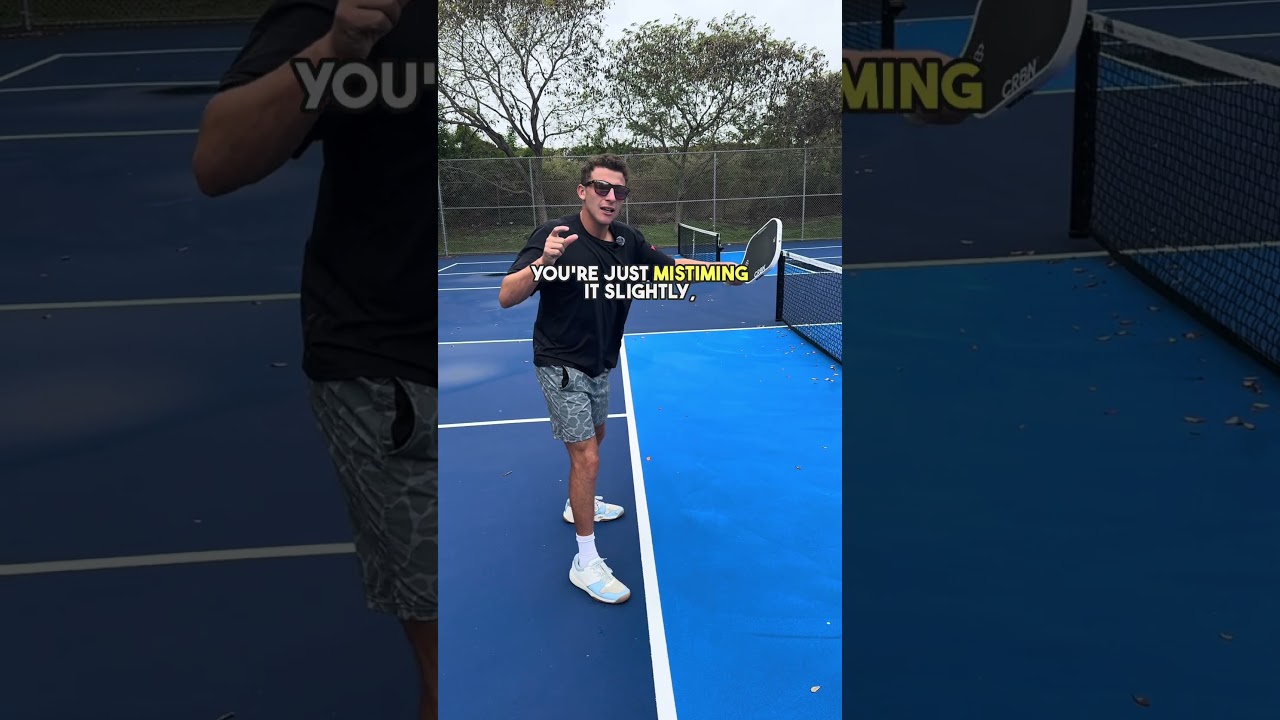
Here's where a lot of players go wrong: they default to the "kamikaze" or run-through shot. You know the move. The return comes in, and you're already sprinting forward before you even see what your partner is doing.
Jilly B isn't saying never do it. But it shouldn't be your default. When you're precommitted to charging in, you lose optionality. You can't adjust. You can't read the ball off your opponent's paddle.
Instead, she teaches a "drive and chill" approach. Hit a solid drive, then pause for a split second. Read what happens next. If your partner hits a great third shot, you've got time to move in together. If they hit a weaker one, you're already in a good position to defend.
 The Dink Media Team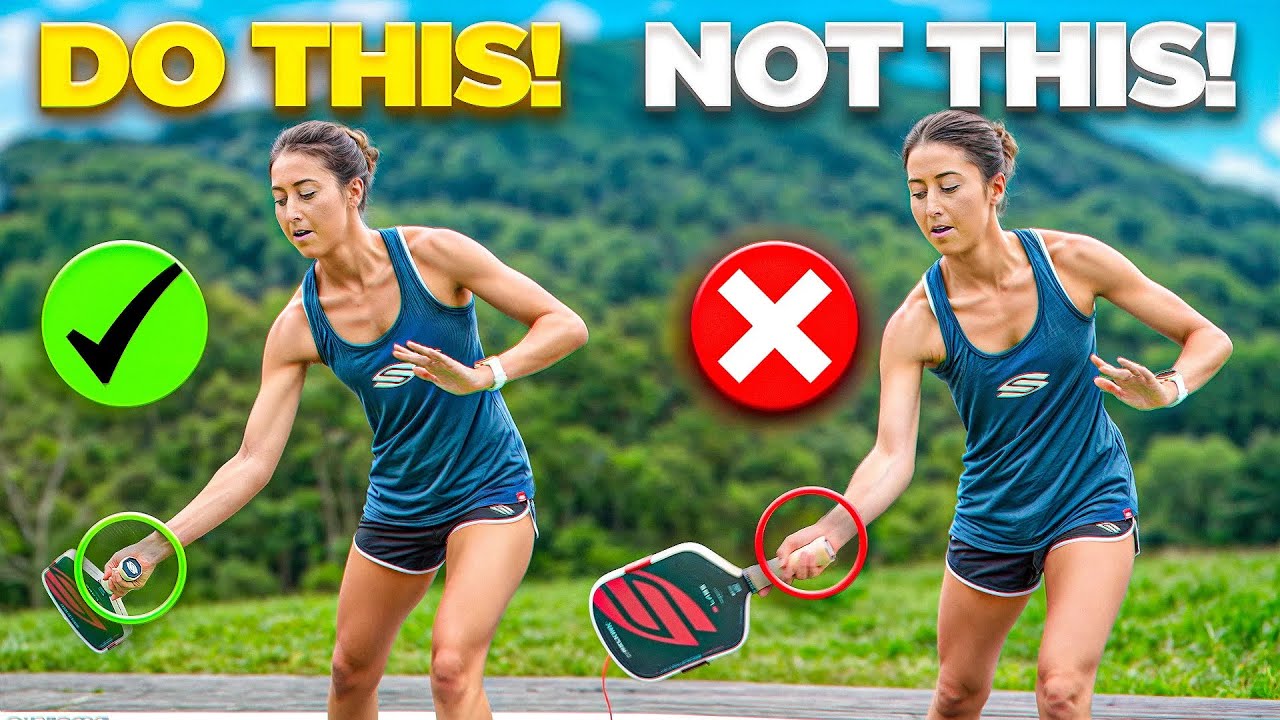
The Power of Staying Together
When two players defend as a singular unit from the backcourt, something magical happens. Your opponents feel the pressure immediately.
Jilly B demonstrates this with a simple drill: she and her partner stay back and don't advance to the kitchen. The opposing team can't beat them. They get frustrated. They over-swing. They miss.
Patience wins. Two calm, connected players at the baseline are harder to beat than two players scrambling to get to the net.
Reading Your Partner's Shot Quality
Not all third shots are created equal. If your partner hits a weak drop, you shouldn't be charging in expecting to poach. That's a recipe for getting drilled.
Jilly B's advice: assess the quality of the return before you commit. If it's in the deep zone, expect a slower third shot. If it's shallow, your partner might hit something more aggressive.
Once your partner hits, watch their body language and the ball's trajectory. That tells you everything you need to know about whether to advance or hold your ground.
 Alex E. Weaver
Communication Is Non-Negotiable
Jilly B emphasizes that she's never met a student who over-communicates. Most players are too quiet on the court.
Call out "me" or "you" to claim the ball. Say "watch" if you're unsure. Say "go" if you want your partner to poach. Say "stay" if you want them to hold their ground.
This constant chatter keeps both players locked in and moving as one. It removes hesitation. It prevents those awkward moments where both players go for the same ball or both hang back.
Heads up: hundreds of thousands of pickleballers read our free newsletter. Subscribe here for cutting edge strategy, insider news, pro analysis, the latest product innovations and more.
The Drip and the Slow Drive
Jilly B plays with Molly, a senior pro who hits what she calls a "rally ball." It's a slow, off-speed drive that moves deliberately.
Why does this matter? Because when your partner hits a slow drive, you have time to move forward or backward as needed. A fast, aggressive drive forces you to commit immediately. You lose flexibility.
If you're working on your kitchen arrival, consider slowing down your drives slightly. Give your partner time to read the court and move with you.
 The Dink Media Team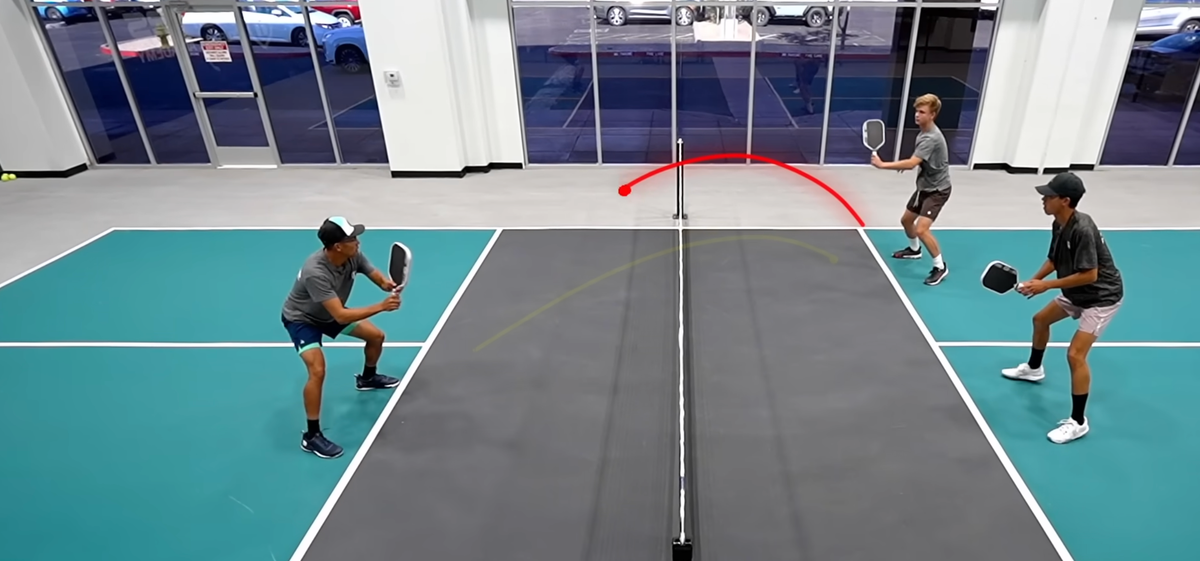
The Gambler's Mentality Explained
This is Jilly B's term for calculated risk-taking. When the return is deep and your partner is hitting the third shot, you can sneak forward a little bit. It's a gamble, but an informed one.
You're betting that your partner will hit a decent shot and that the opponents won't attack aggressively. If you're right, you're already closer to the net. If you're wrong, you retreat quickly.
The key is reading your opponent's body language after your partner hits. If they look ready to attack, you stay back. If they look defensive, you go all in.
 The Dink Media Team
Tracking Your Progress
You can't improve what you don't measure. Start filming your matches and counting how often you successfully arrive at the kitchen with your partner.
Aim for 50%. Once you hit that, push for 60%. This simple metric will transform how you approach doubles.
Kitchen arrival isn't flashy. It won't win you a highlight reel. But it will win you matches.

Love Pickleball? Join 100k+ readers for free weekly tips, news & gear deals.
Subscribe to The DinkGet 15% off pickleball gear at Midwest Racquet Sports