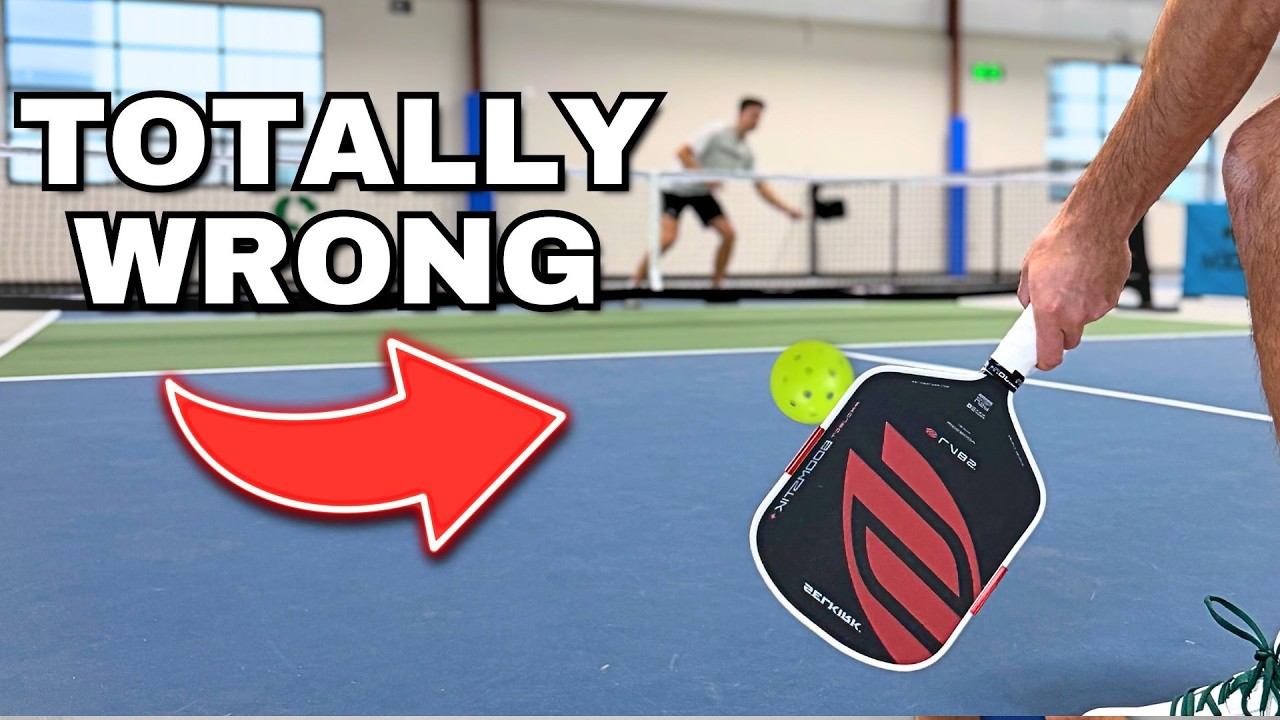

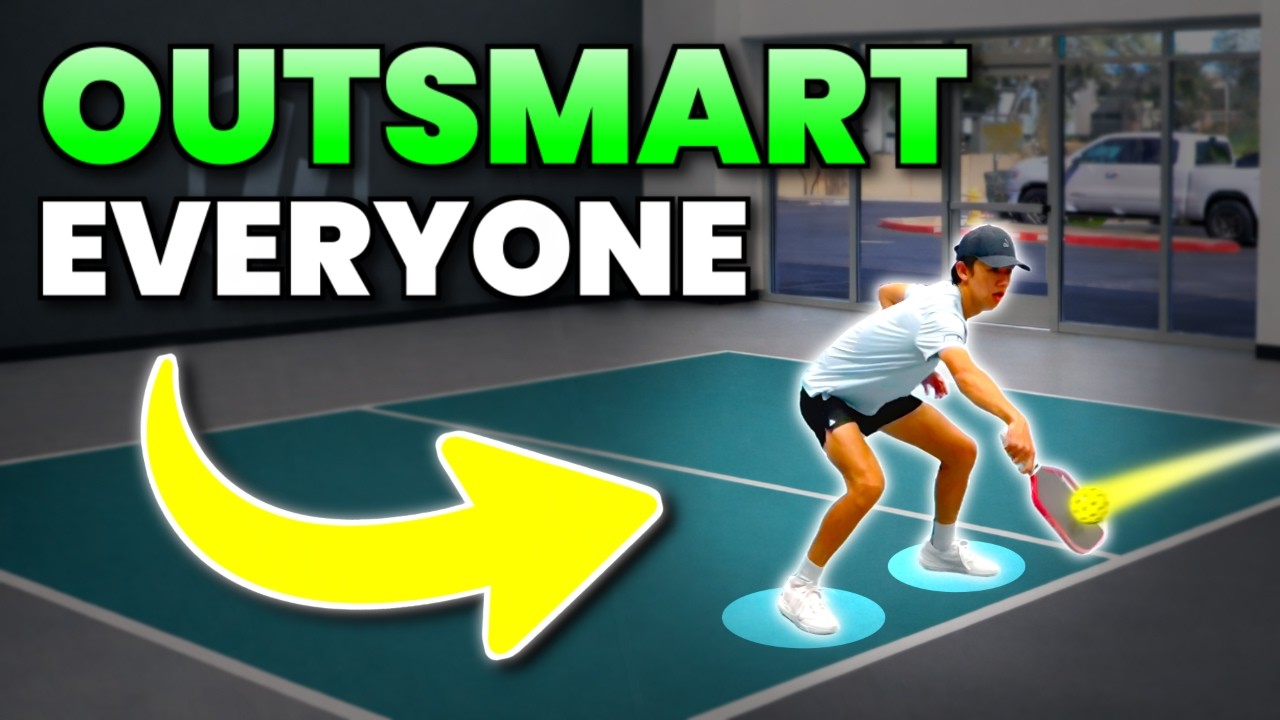
Players win more points at the net by staying low, targeting smartly, and always expecting the ball to come back
The kitchen line is where pickleball matches are won and lost. It's where rallies get tight, where pressure builds, and where one small adjustment can flip the entire momentum of a point.
If you're spending time at the net but not dominating it, Sammy Lee from Briones Pickleball Academy has some sharp insights that'll change how you think about kitchen play.
Love pickleball? Then you'll love our free newsletter. We send the latest news, tips, and highlights for free each week.
1. Take the Ball Out of the Air
The first move toward kitchen dominance is simple: reach in and volley whenever you can. When you take the ball out of the air, you cut down your opponent's reaction time dramatically. They don't get to set up, reset, or prepare for the next shot. Instead, they're scrambling.
The key mindset shift here is making it your default. Your brain should automatically want to reach in and take that dink before it bounces. If it's too far in front of you, fine; step back and take it off the bounce. But the instinct should always be to attack early.
One warning: when you're reaching in, you're leaning forward. That makes you vulnerable to lobs over your head. Stay low in your knees throughout the rally, and only hinge at the waist when the dink is actually coming at you. Also watch for attacks. If you're reaching in and an opponent fires a hard ball at you, you won't have time to get your paddle up. Get back to ready position after every dink.
2. Use the Middle of the Court More
Amateur players obsess over the sidelines. They'll aim for the line one time out of ten, miss it, and then wonder why they lost 1-11. Meanwhile, the middle of the court is sitting there, begging to be used.
Targeting the middle eliminates unforced errors for two reasons:
- There are no sidelines to worry about.
- The net is lowest in the middle, giving you more margin for error.
When you use the middle more, your team's court coverage becomes easier too. Your opponents have fewer angles to attack from, which means less ground to cover and more control for you.
 The Dink Media Team
3. Attack the Right Player at the Right Time
Sometimes your opponents are staggered on the court; one player closer to you, one deeper. This is your moment to be aggressive, but you need to pick the right target.
If you have a higher ball to hit, go at the player who's closer to you. They have less time to react, and you can put the ball away at their feet. If the ball is low and below the net, take it to the deeper player instead. This gives you time and keeps the closer player from getting involved in the point.
4. Always Cover the Middle
When in doubt, cover the middle. Think of the sidelines as your third teammate. There's no reason to huddle over toward your sideline during a firefight; it's a tiny margin for error, and most hand battles happen in the middle anyway.
This becomes especially important when the ball is crosscourt from you. You have middle priority because your partner has to cover their line and their body. You're responsible for helping them out in the middle. When an attacking option appears, the middle is always an option, and you need to be there to counter-punch it back at their feet.
 Alex E. Weaver
5. Always Expect the Ball to Come Back
One of the most frustrating feelings in pickleball is thinking you've finished the point, only to have the ball come back and catch you off guard. Stop letting that happen.
Your mentality and your ready position have to match. If your paddle is down, you're not ready. After you hit an aggressive ball, whether it's an overhead, a high forehand, or a backhand, get right back to ready position. When that ball comes back, you need to be there. If your paddle is dropped, you lose the opportunity and waste the point.
6. Bend Your Knees More
If you think you're bending your knees enough, you're probably not. When you bend your knees, you unlock new strengths and new tools because you're at a different level of the court.
 The Dink Media Team
Standing too tall makes you miss opportunities, especially at the kitchen line. A dink that floats just a bit will look impossibly low and far away if you're standing up straight, forcing you to stab and reach. With bent knees, you see the ball better, which eliminates mishits. The closer your eye level is to the ball's level, the fewer mistakes you'll make. Get into that athletic position, get below the ball, and suddenly the court opens up.
7. Favor the Backhand
When in doubt, get ready on the backhand side. The backhand covers more real estate than the forehand. If you're unsure where the ball's going, especially when they're attacking you, favor the backhand. Chances are 75% or more of the time you'll find that ball with a backhand, giving you space to punch it down and avoid getting jammed.
Heads up: hundreds of thousands of pickleballers read our free newsletter. Subscribe here for cutting edge strategy, insider news, pro analysis, the latest product innovations and more.
These adjustments might seem small, but they're the difference between surviving at the kitchen and controlling it. The next time you're at the net, focus on one or two of these ideas. You'll feel the shift in pressure immediately.

Love Pickleball? Join 100k+ readers for free weekly tips, news & gear deals.
Subscribe to The DinkGet 15% off pickleball gear at Midwest Racquet Sports